
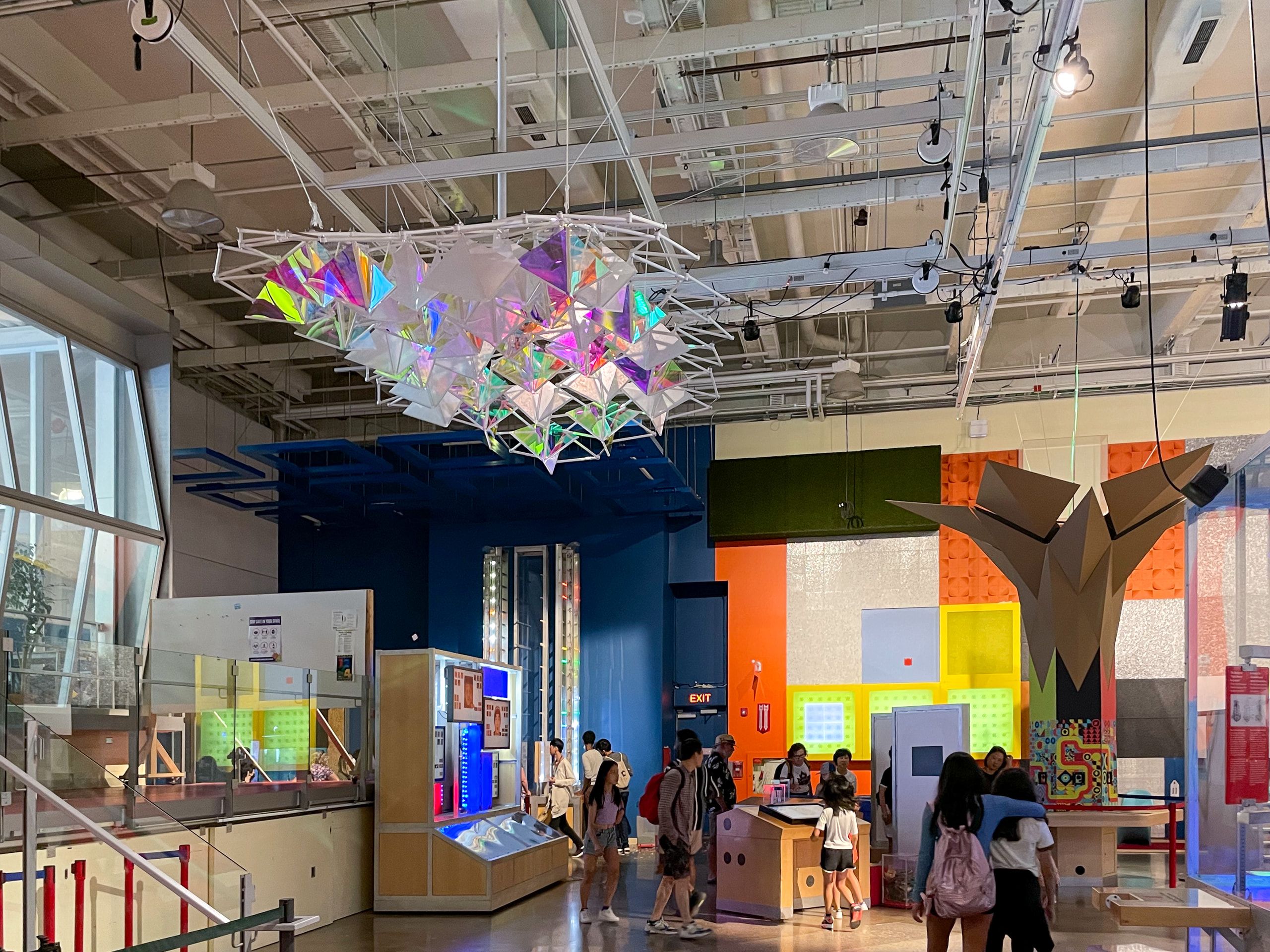
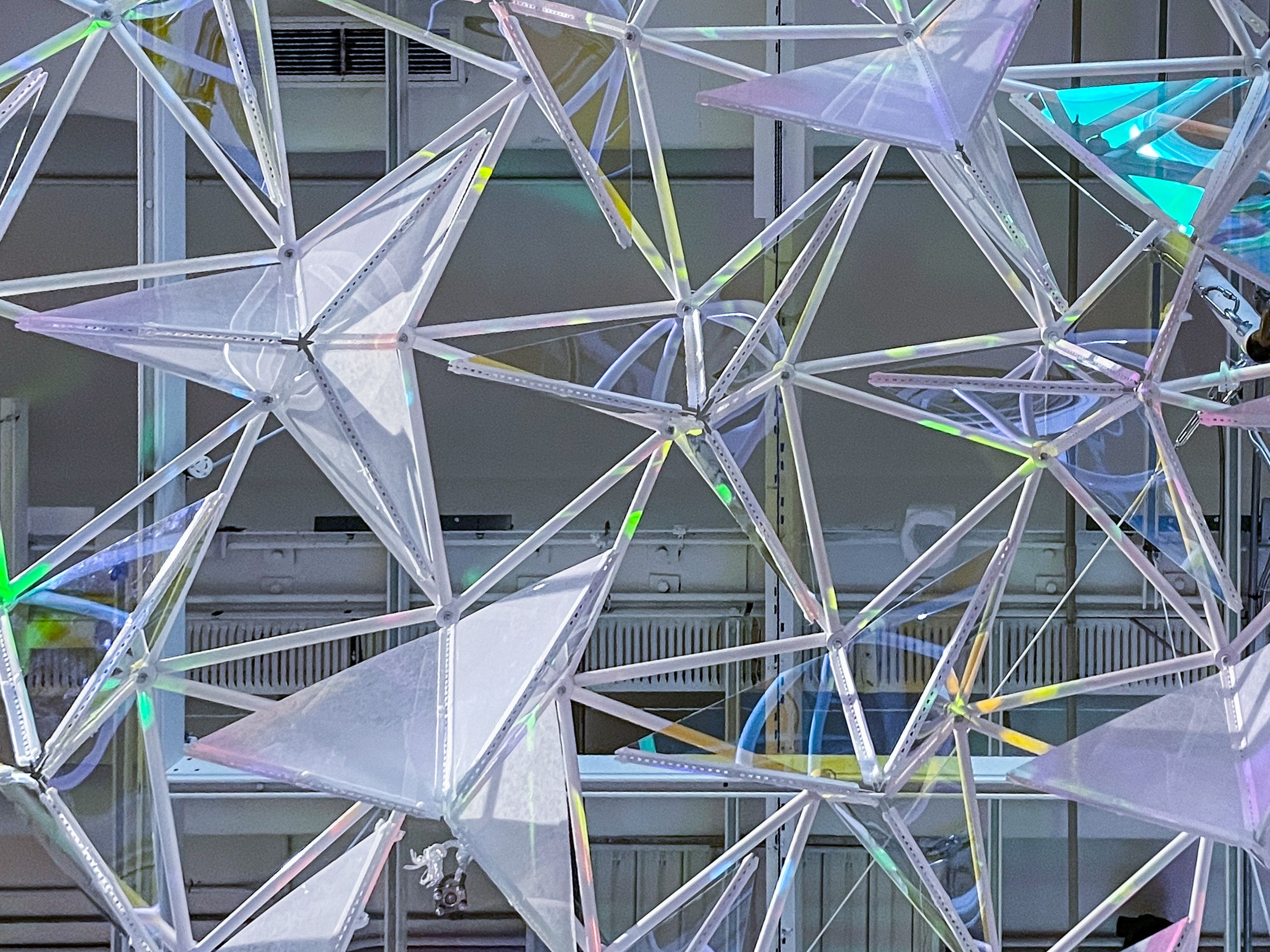
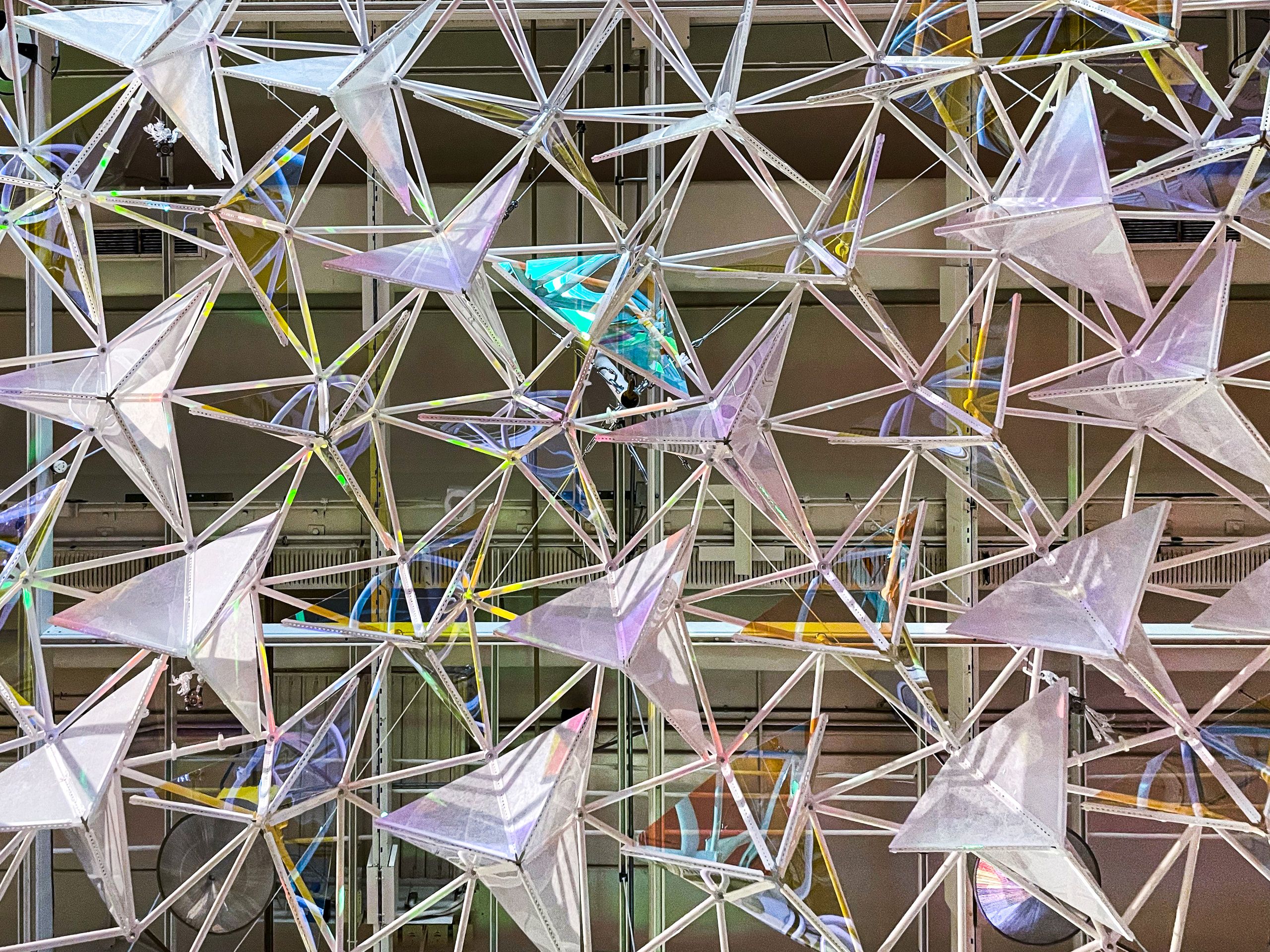
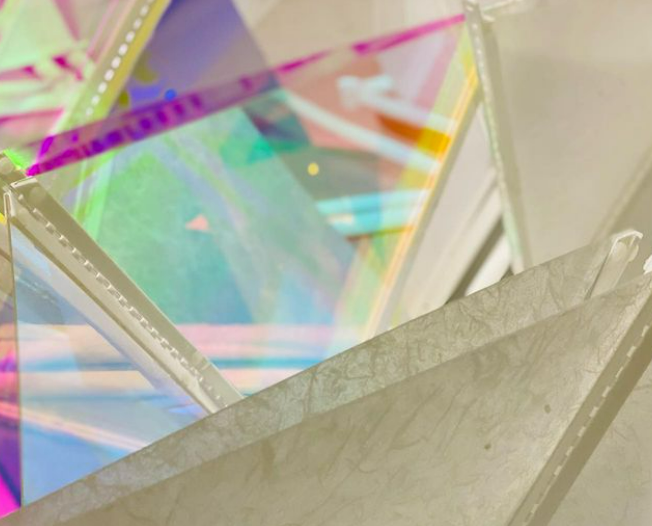
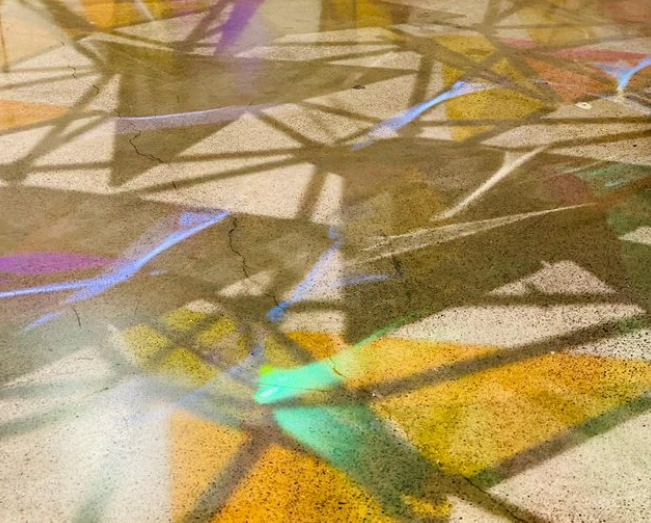
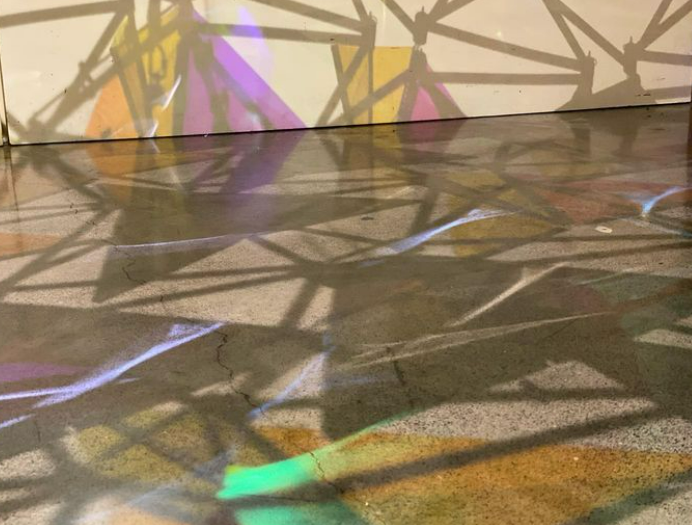
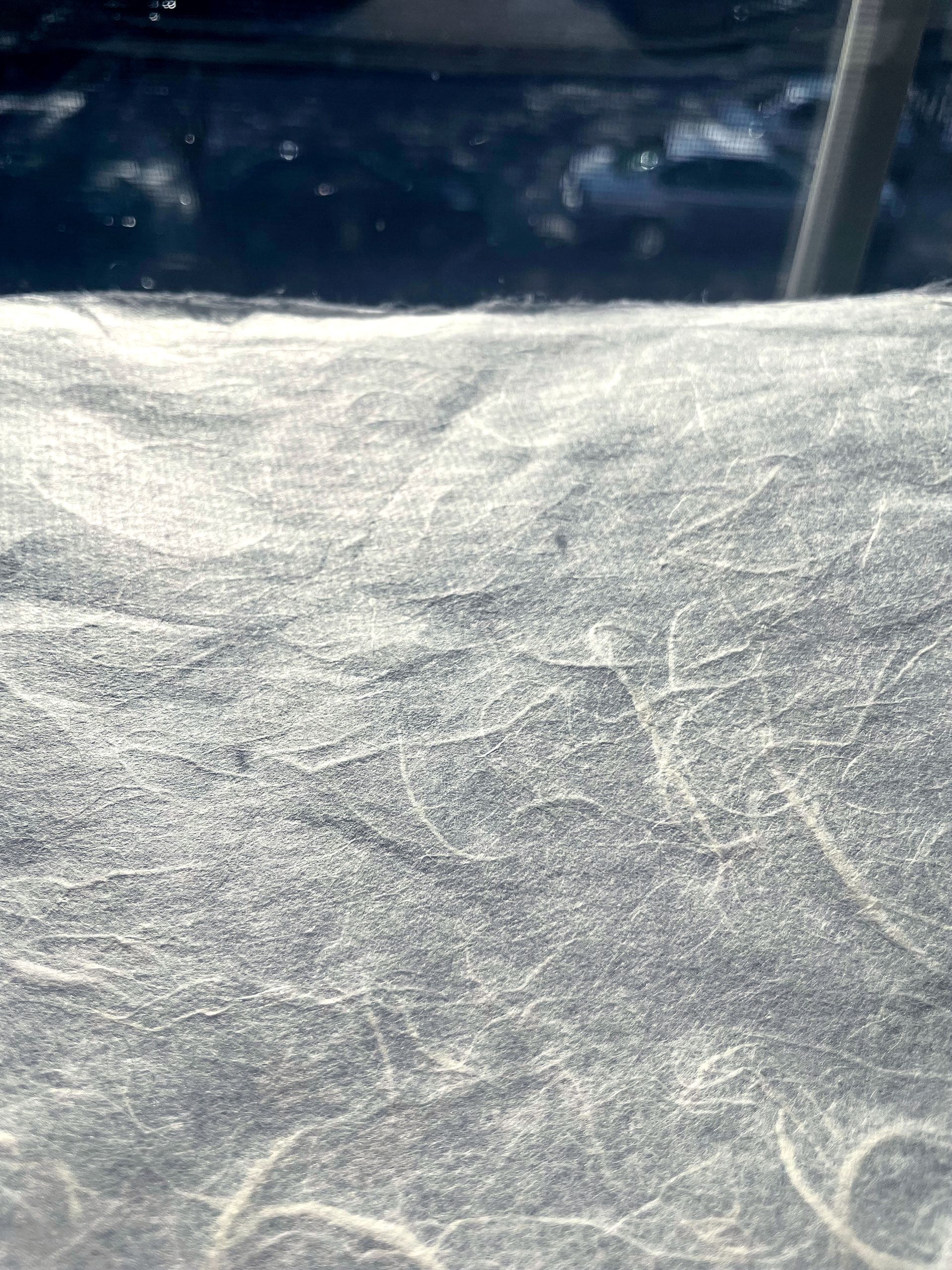
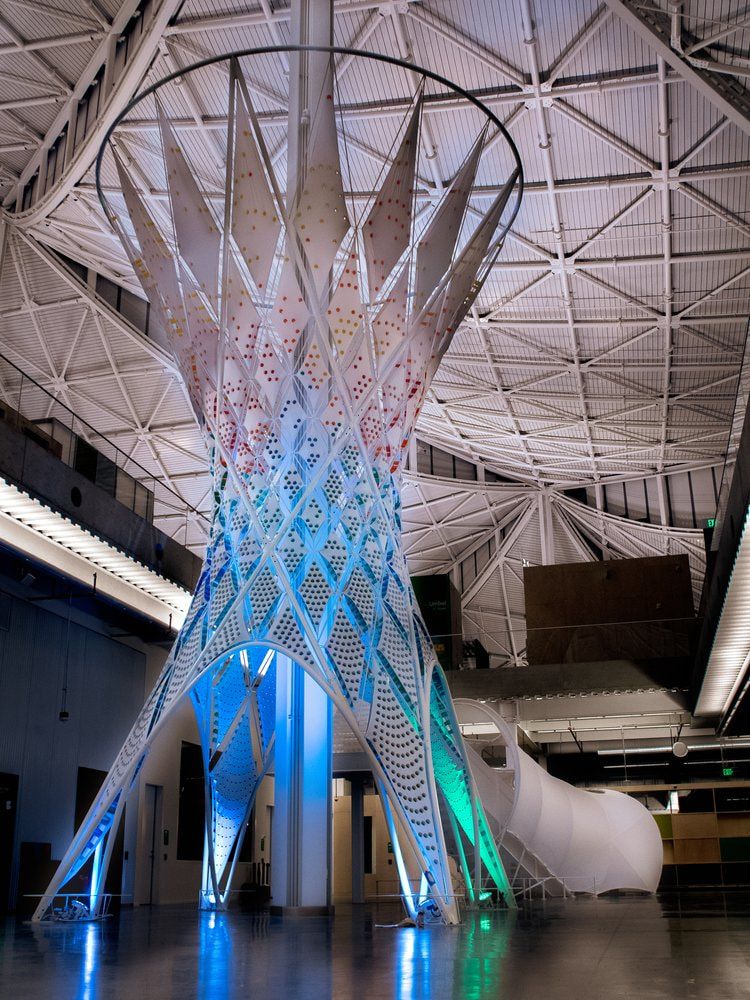
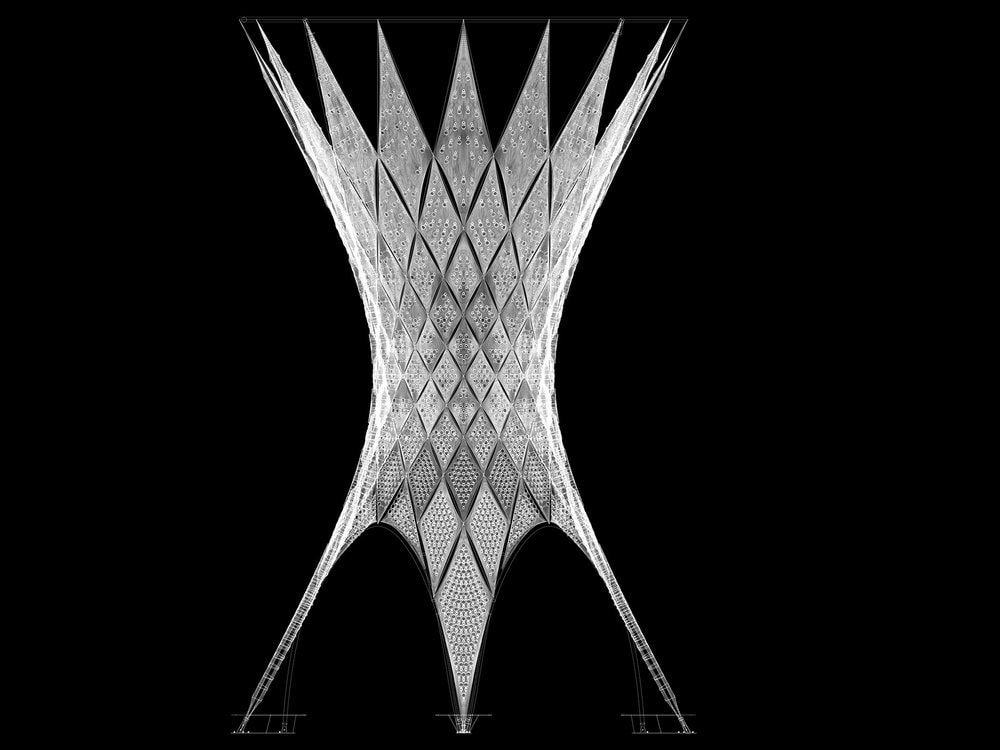
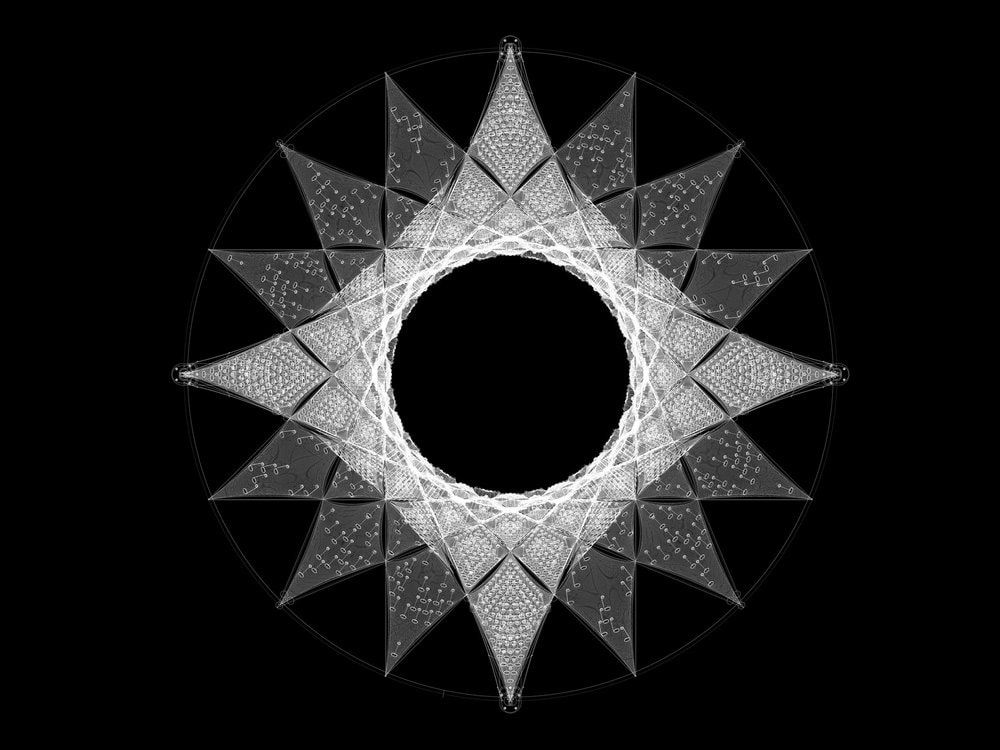
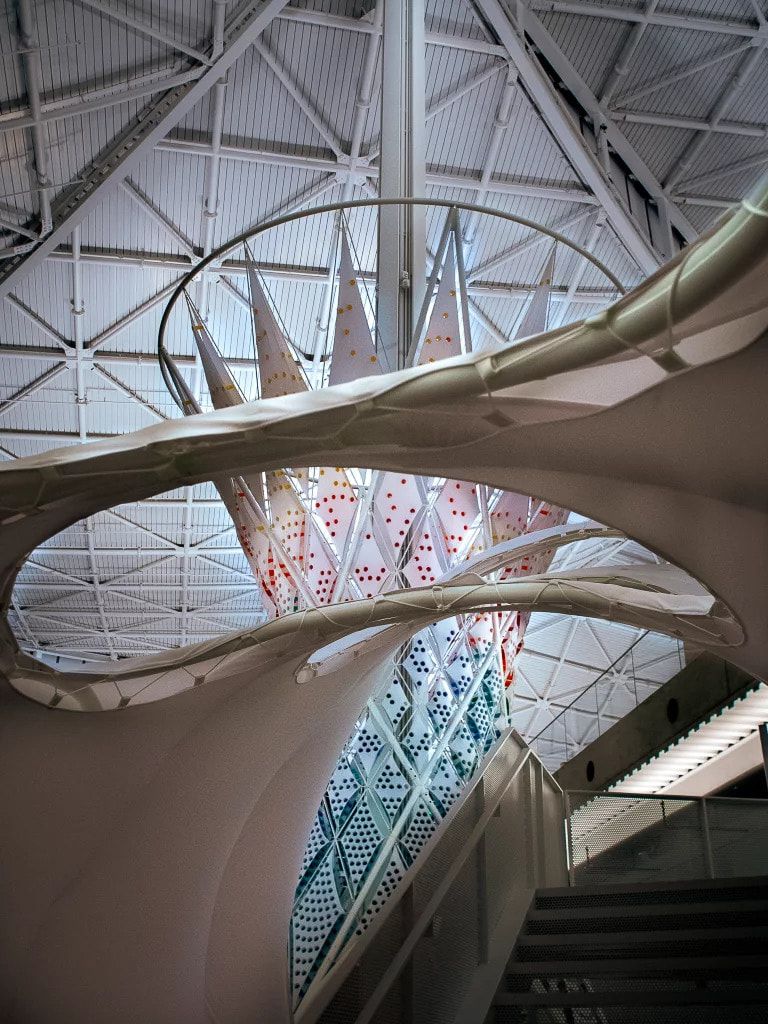
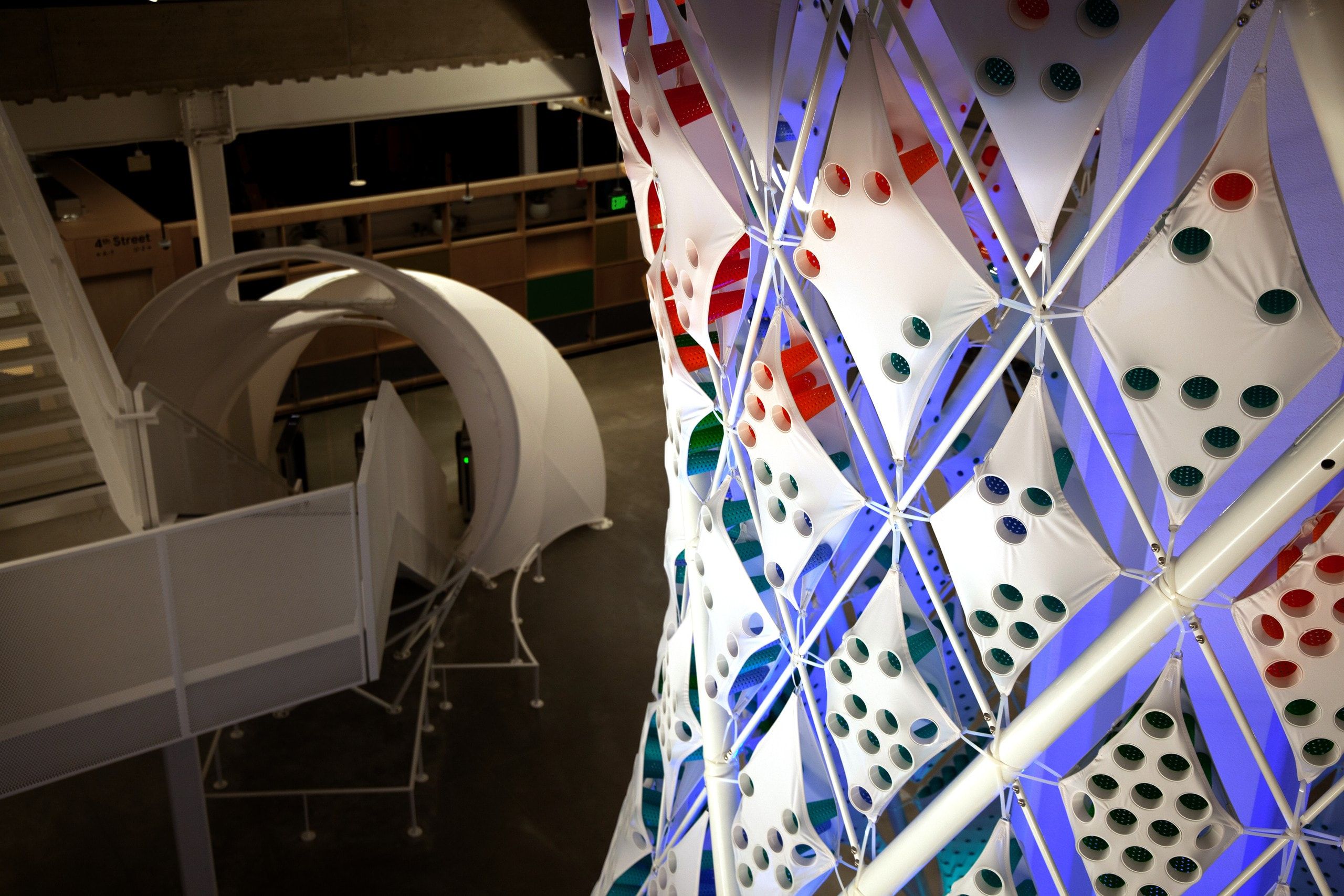
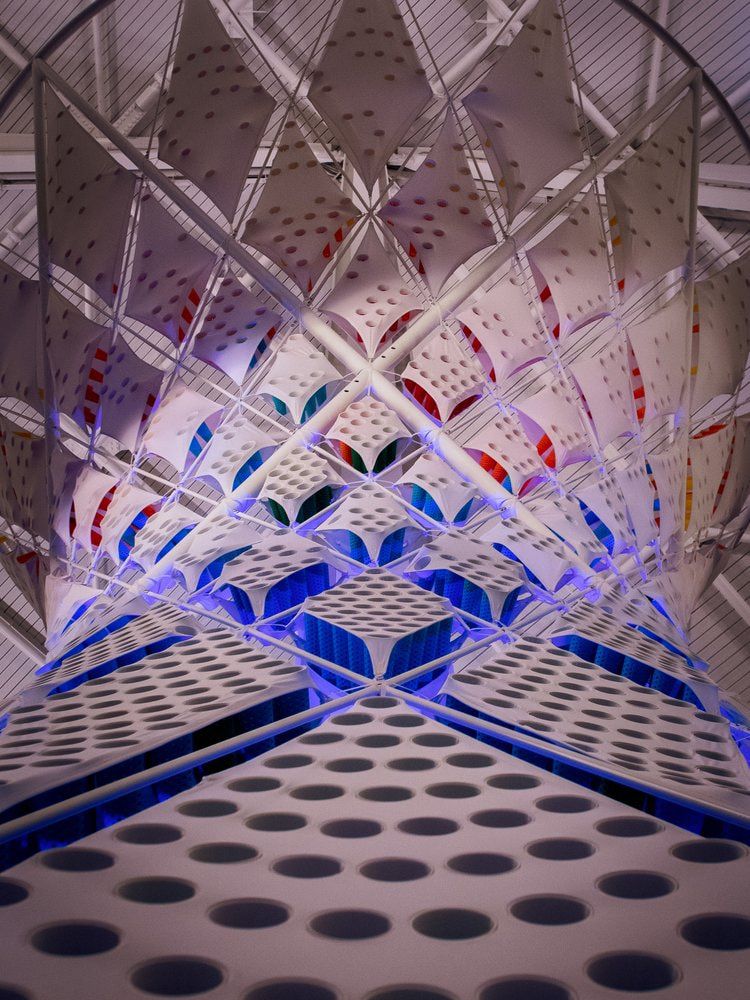
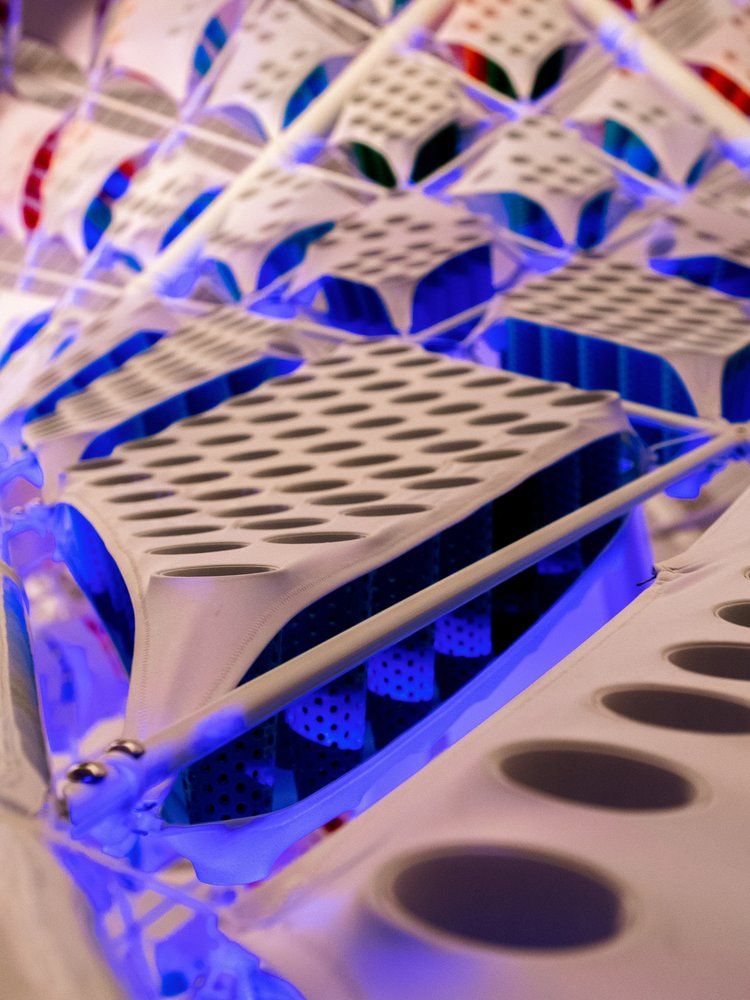
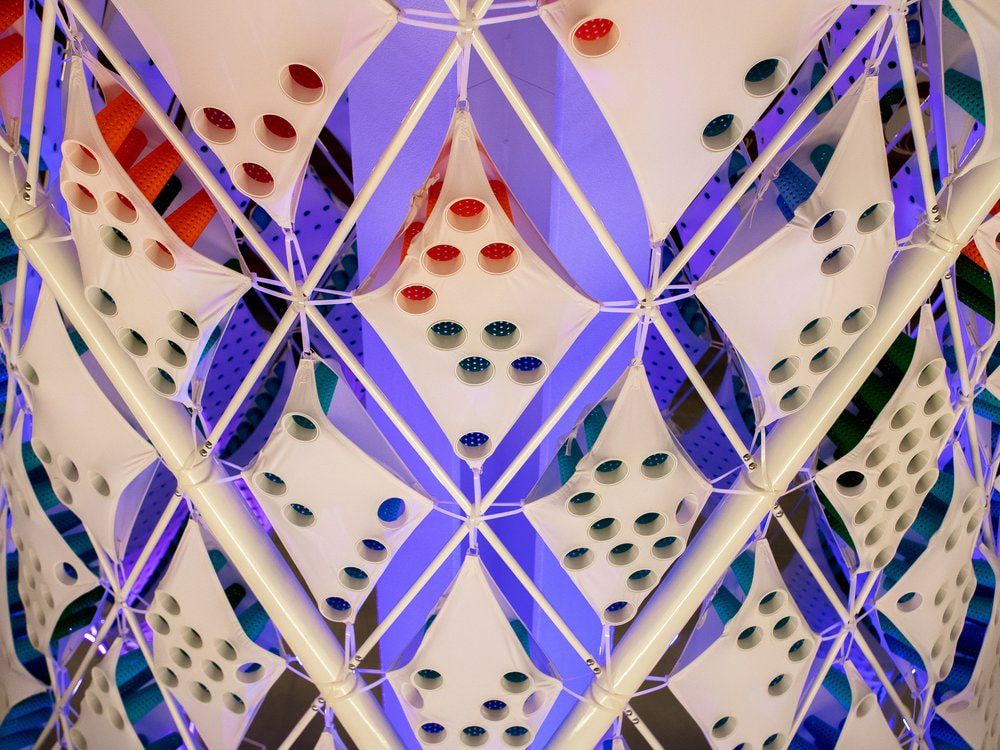
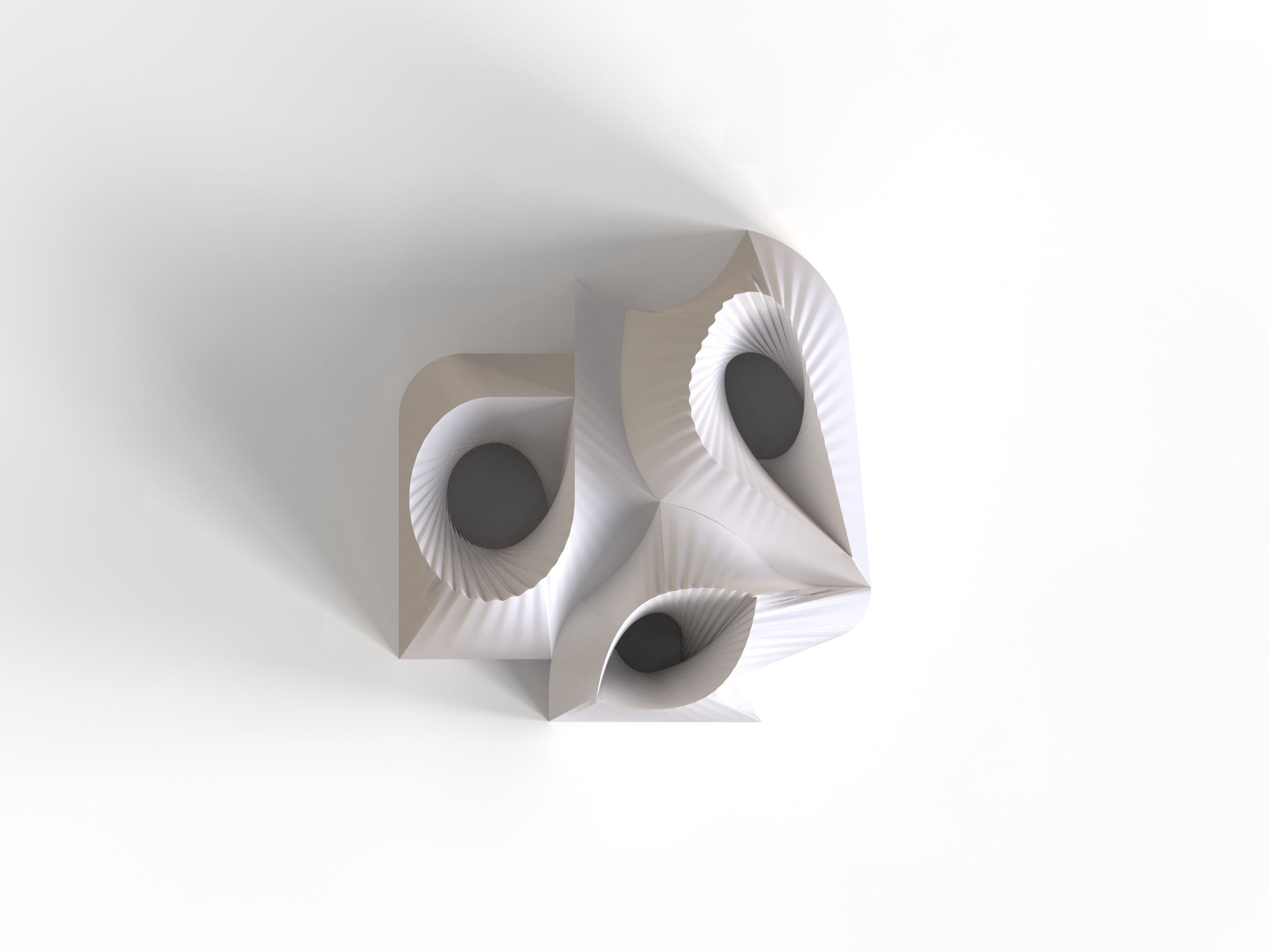
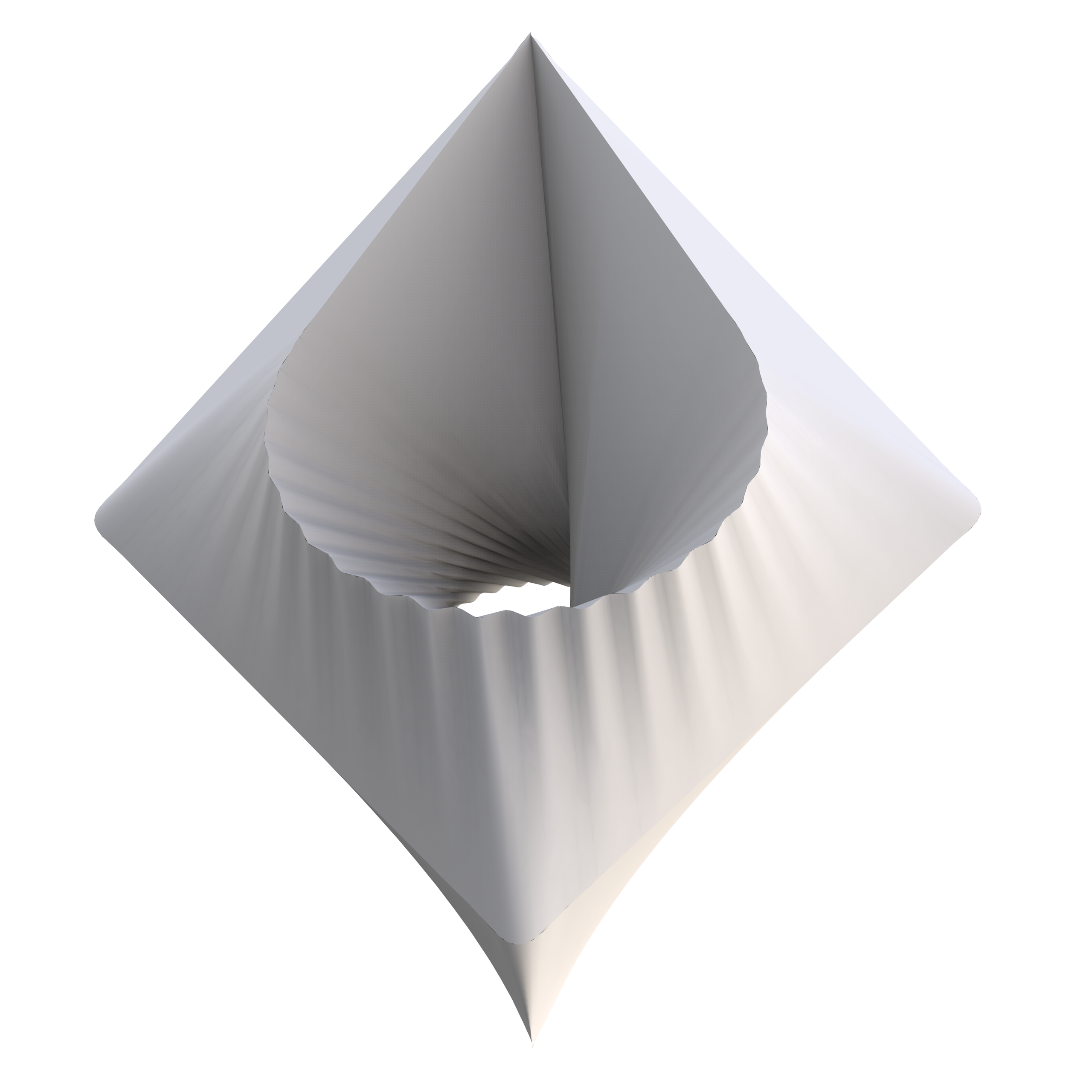
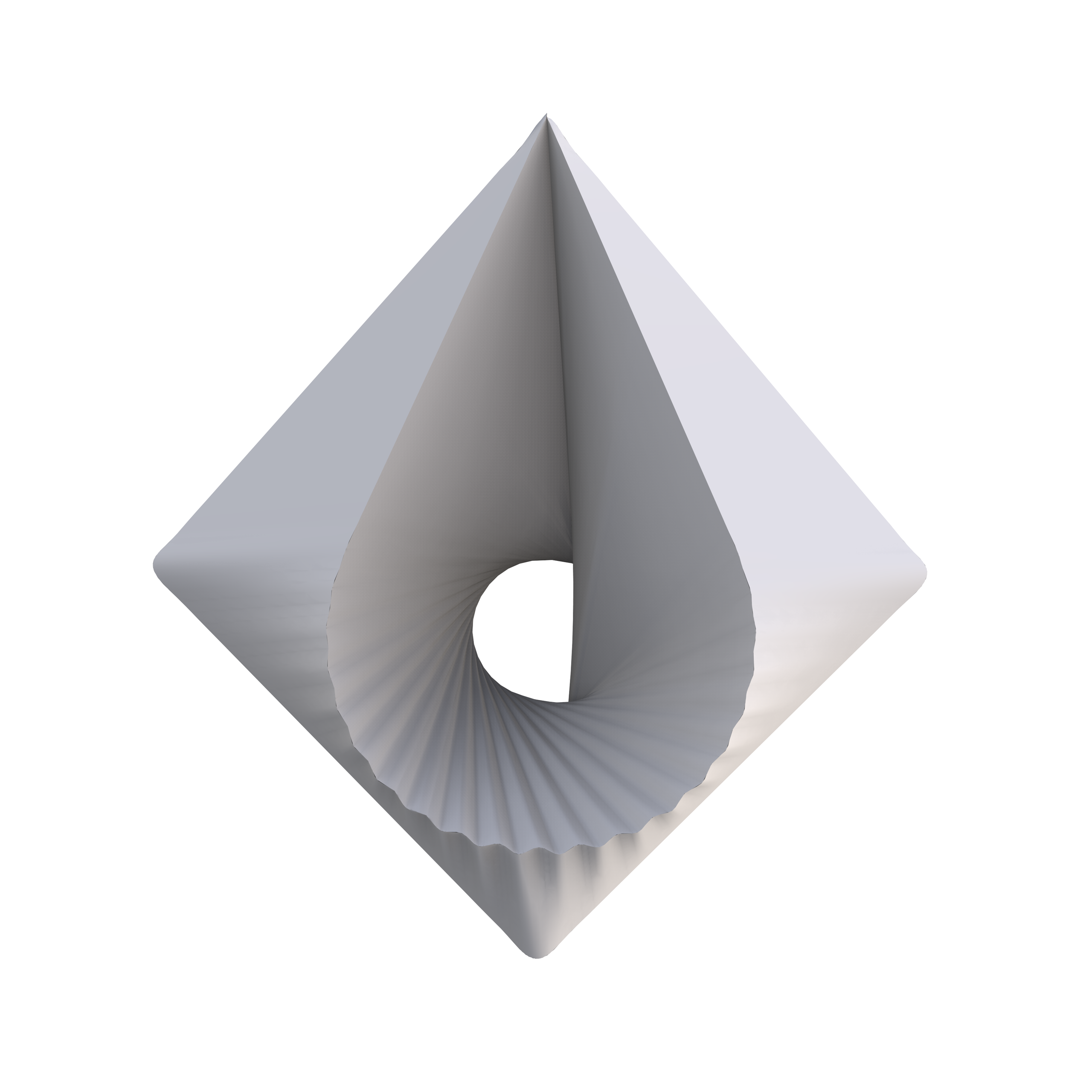
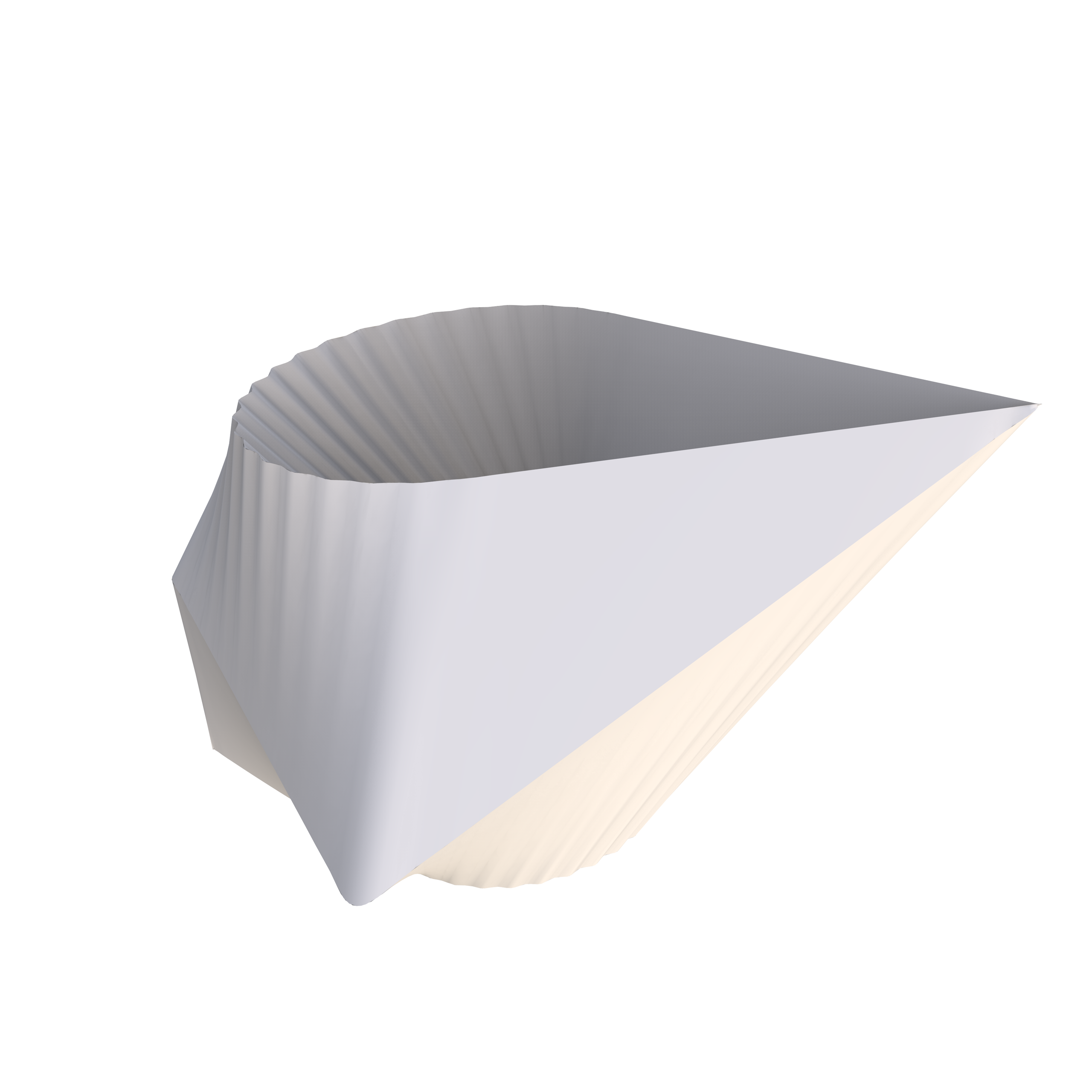
loop[Applause] is a sound responsive lighting feature commissioned by the RPI, School of Architecture on behalf of the Class of 2025 for the Gather Greene Commmencement Celebration. As the pavillion fills with applause for the graduates the hanging forms mirror the human joy through light.
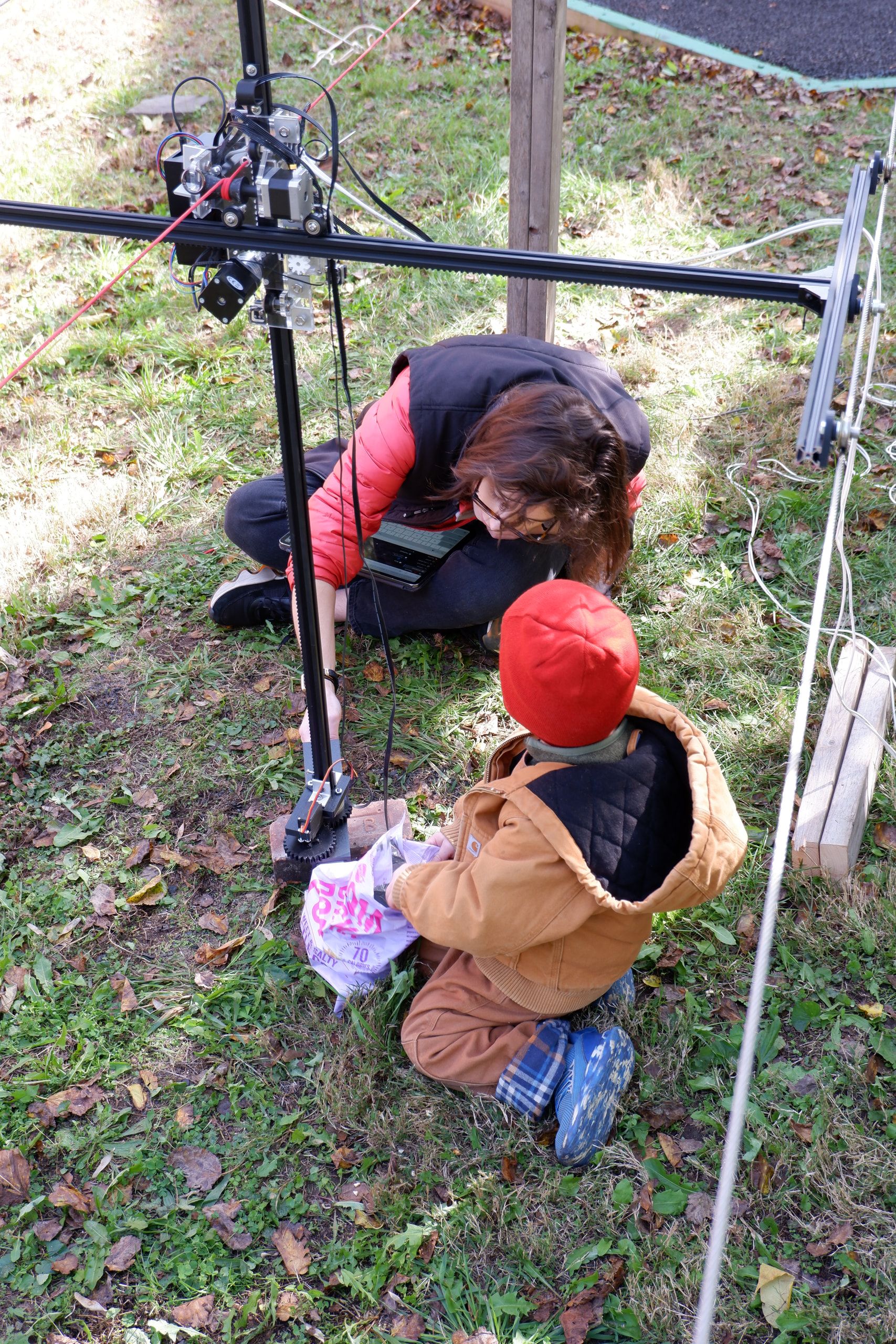
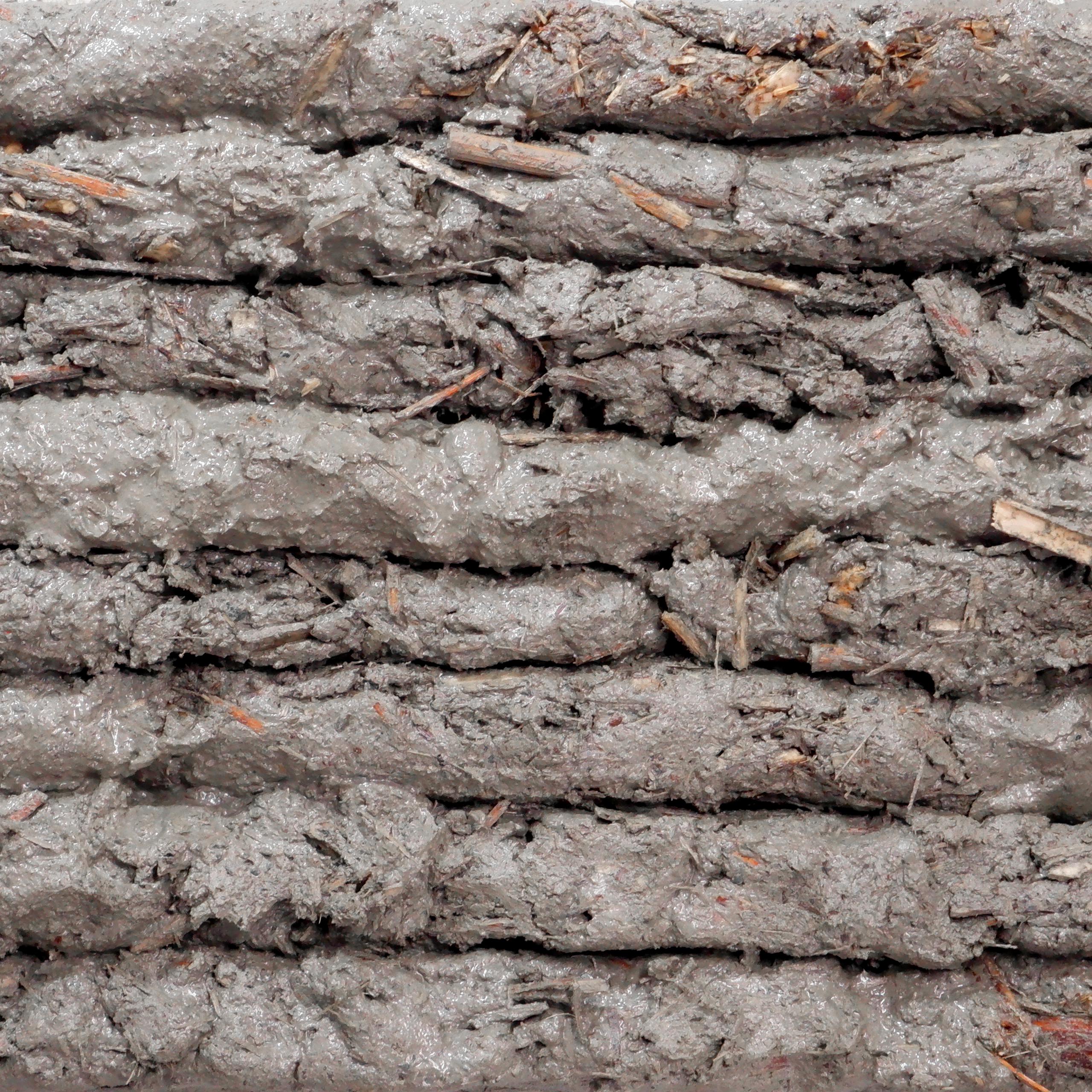
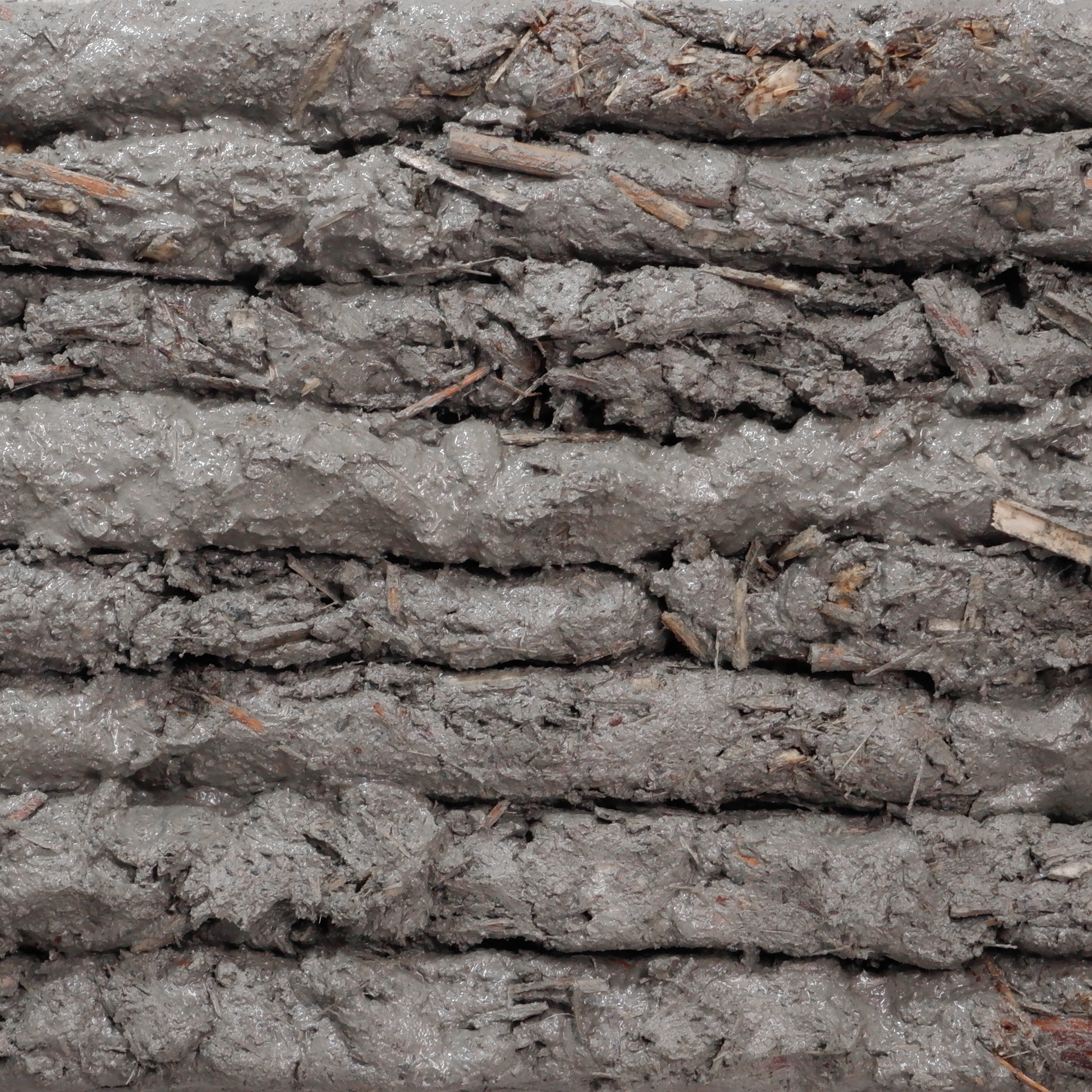
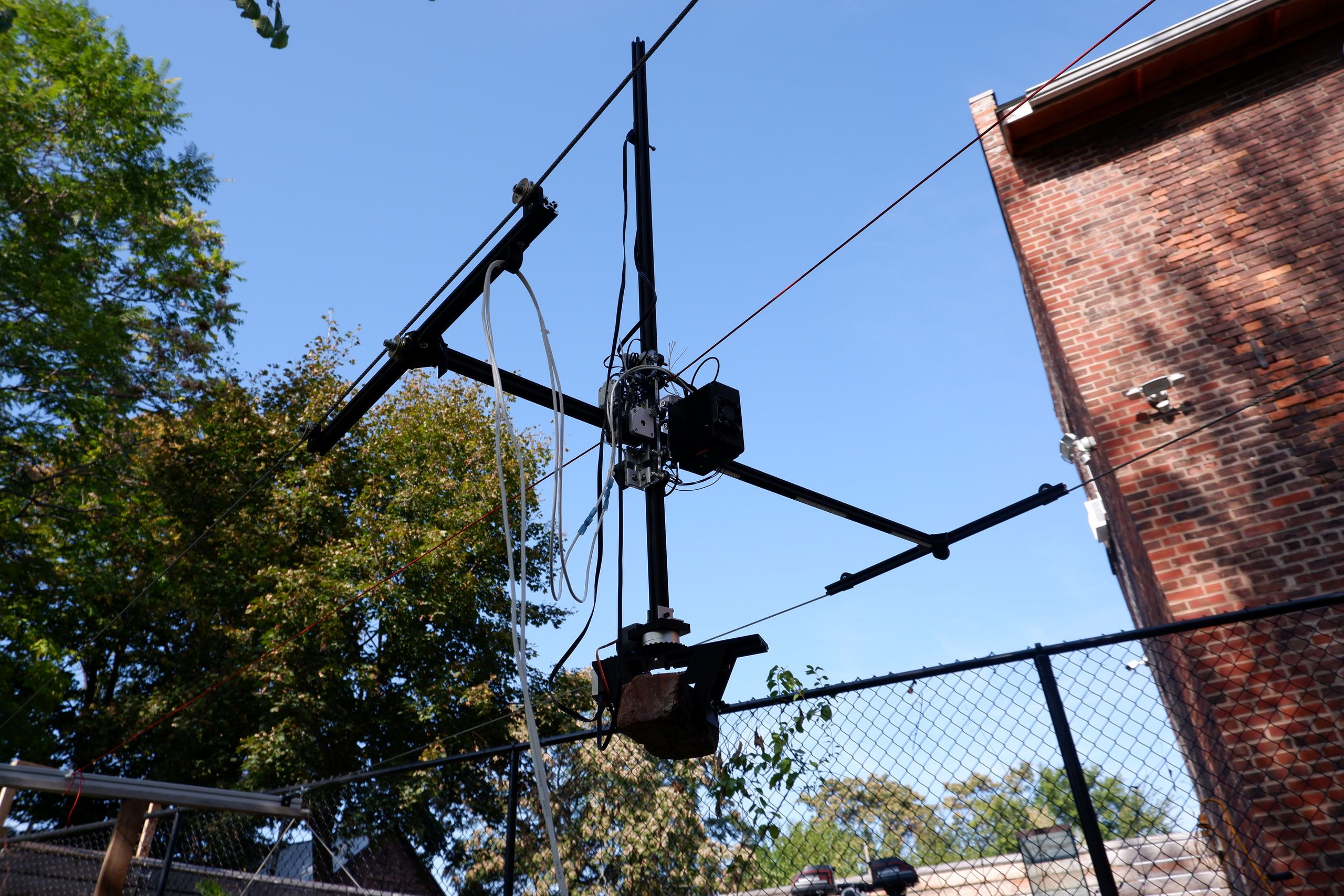
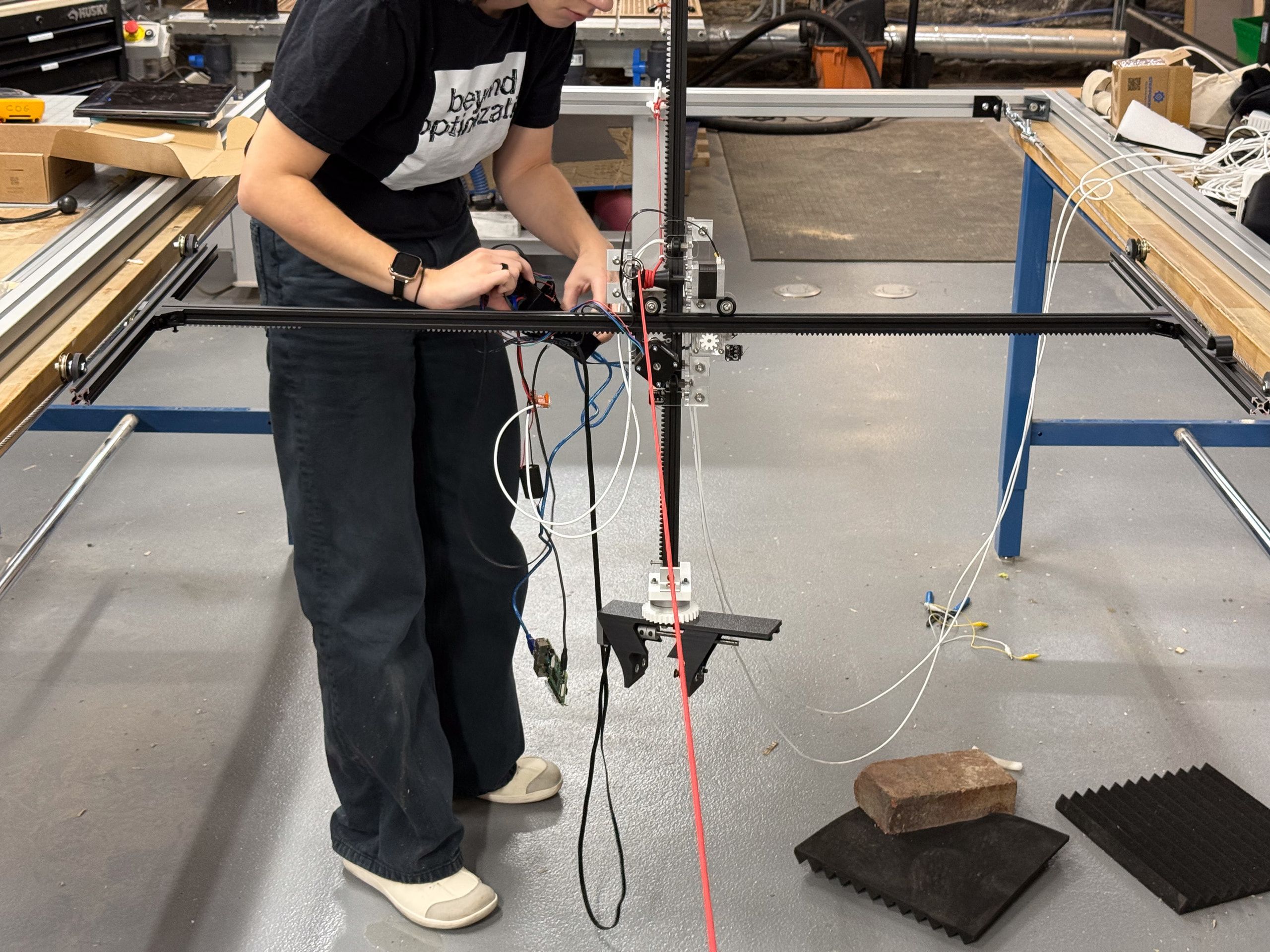
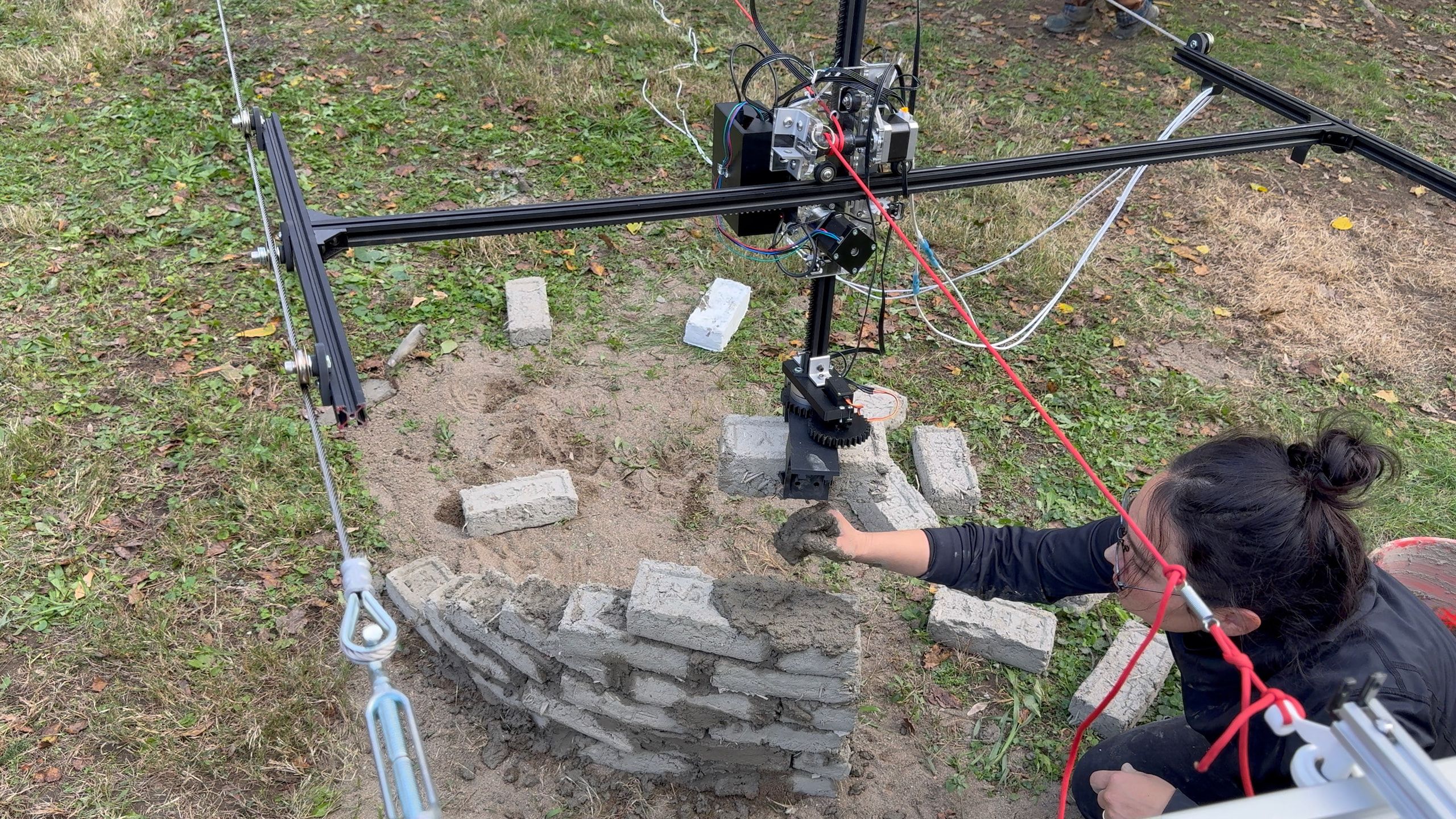
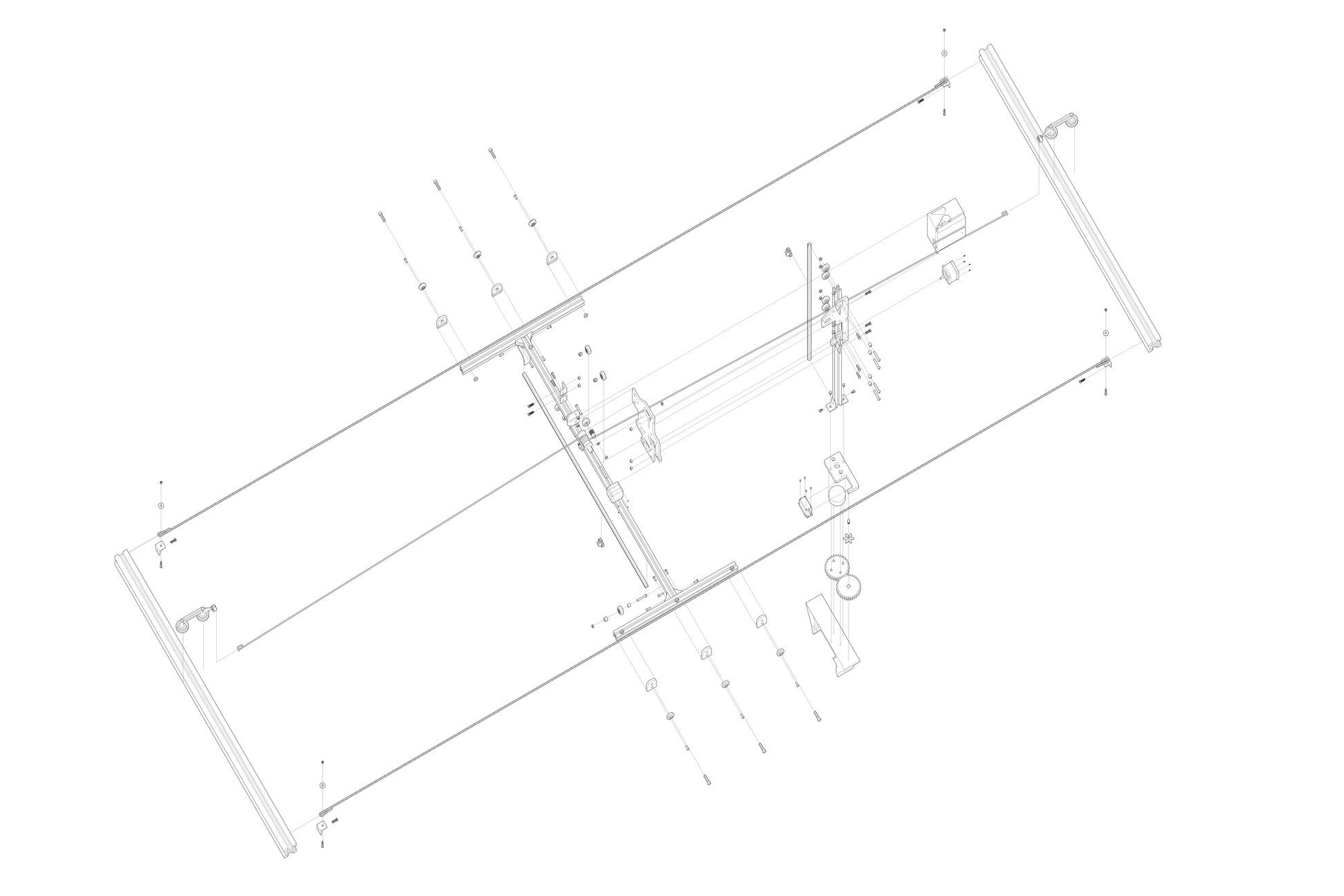
A cable-tensioned gantry printer that deploys between any two anchors on site and prints with a bioregional earthen mix of local clay, lime, and invasive-species fiber. A large-scale robot for hobbyist builders. Ongoing and openly documented.
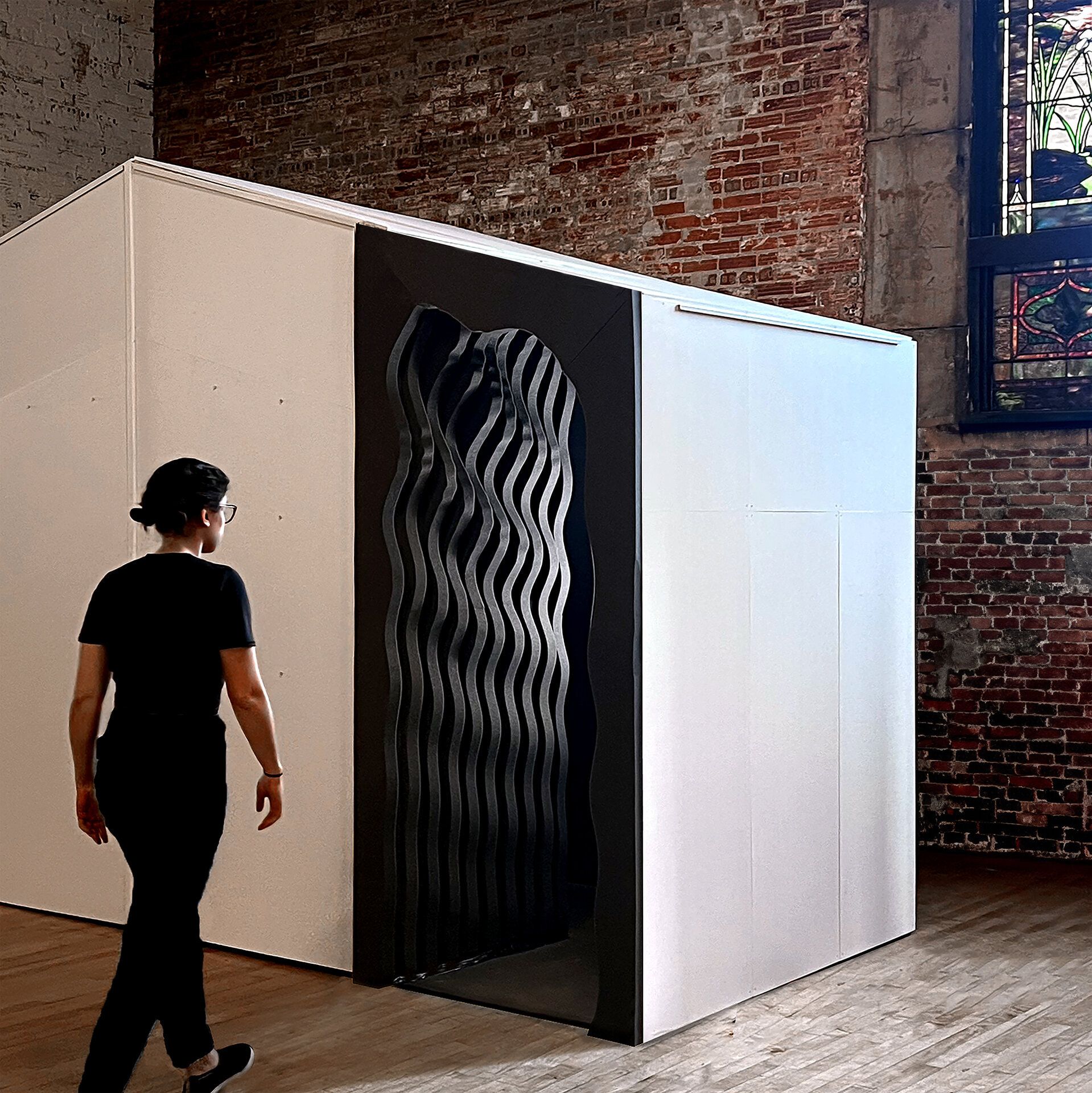
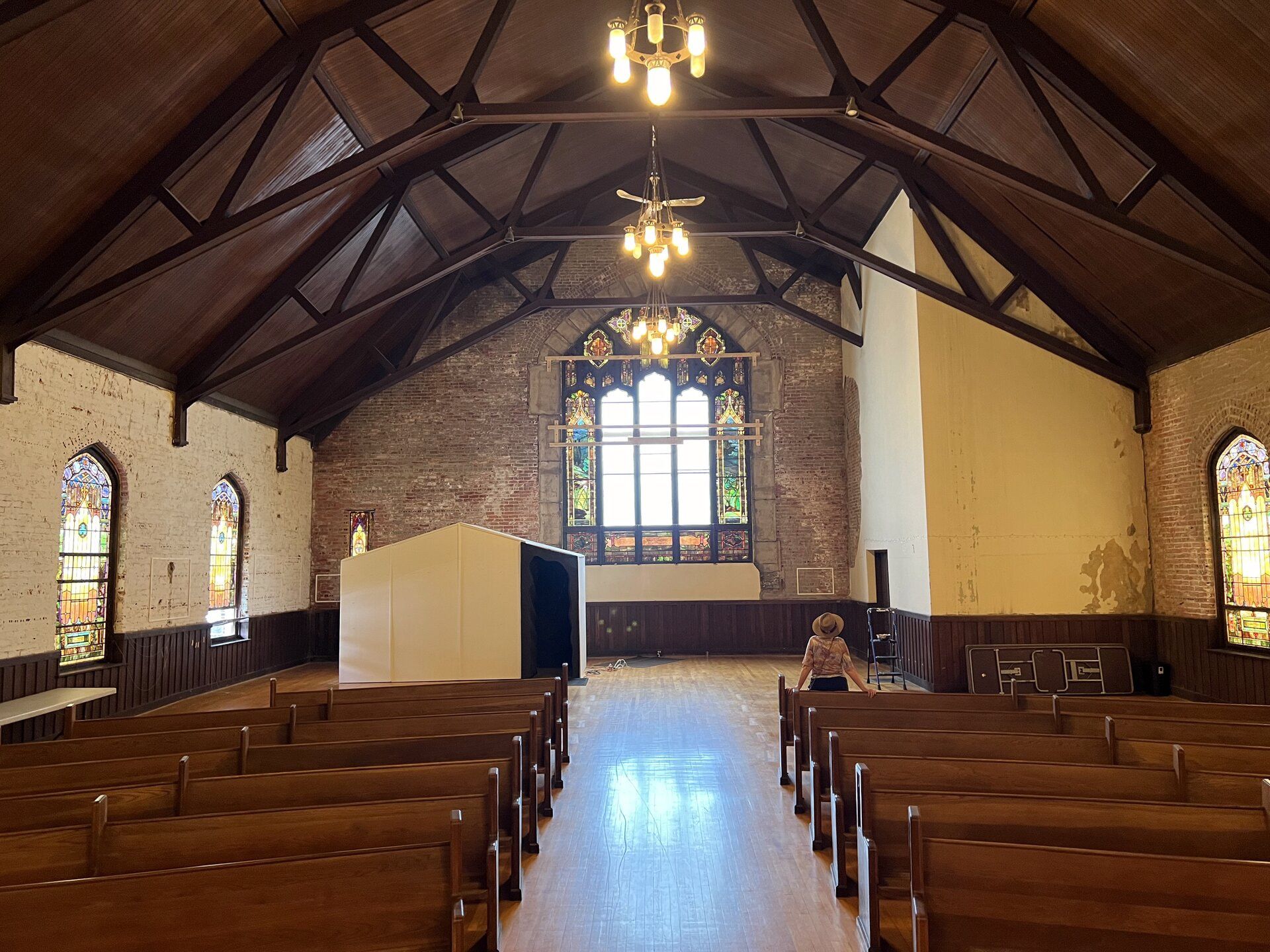
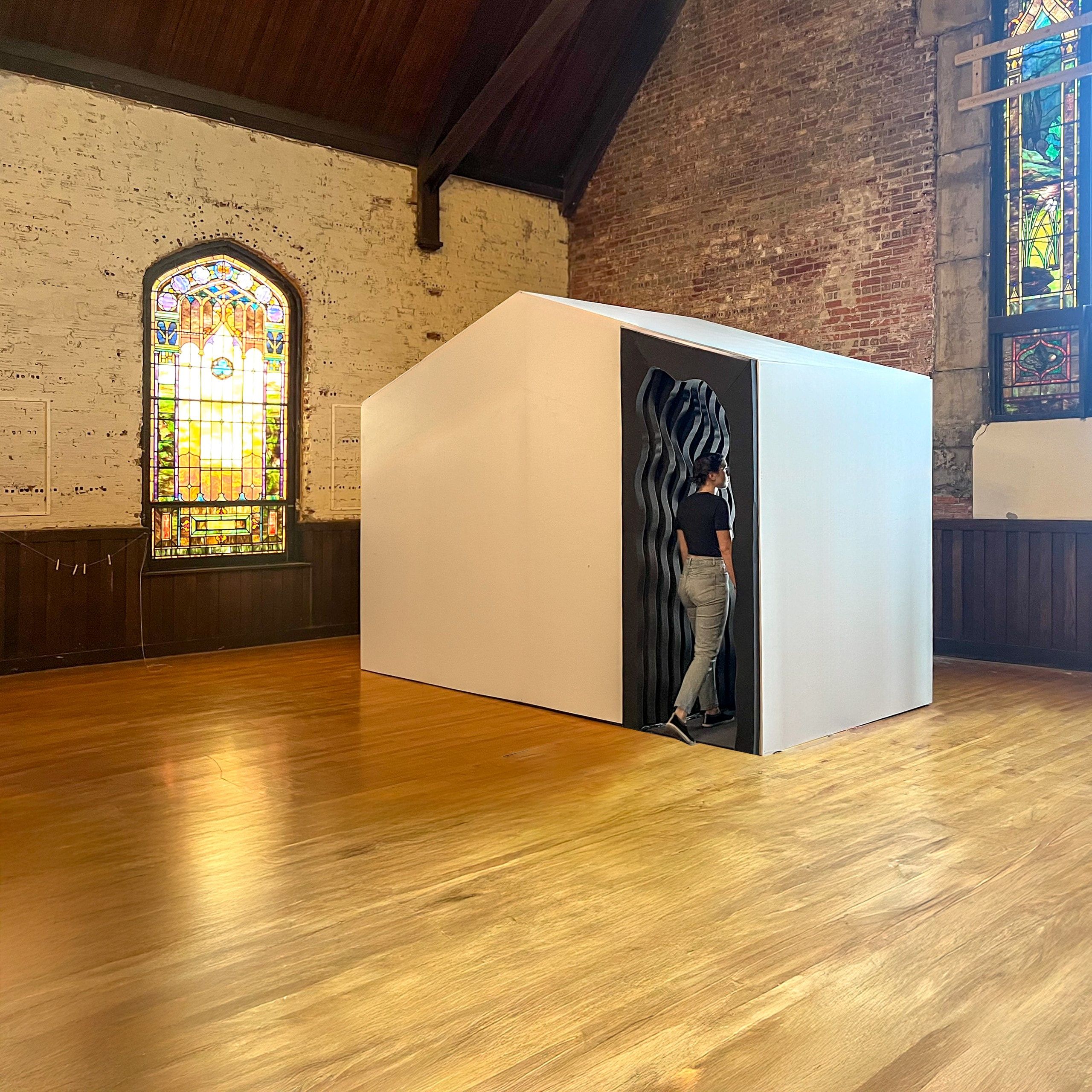
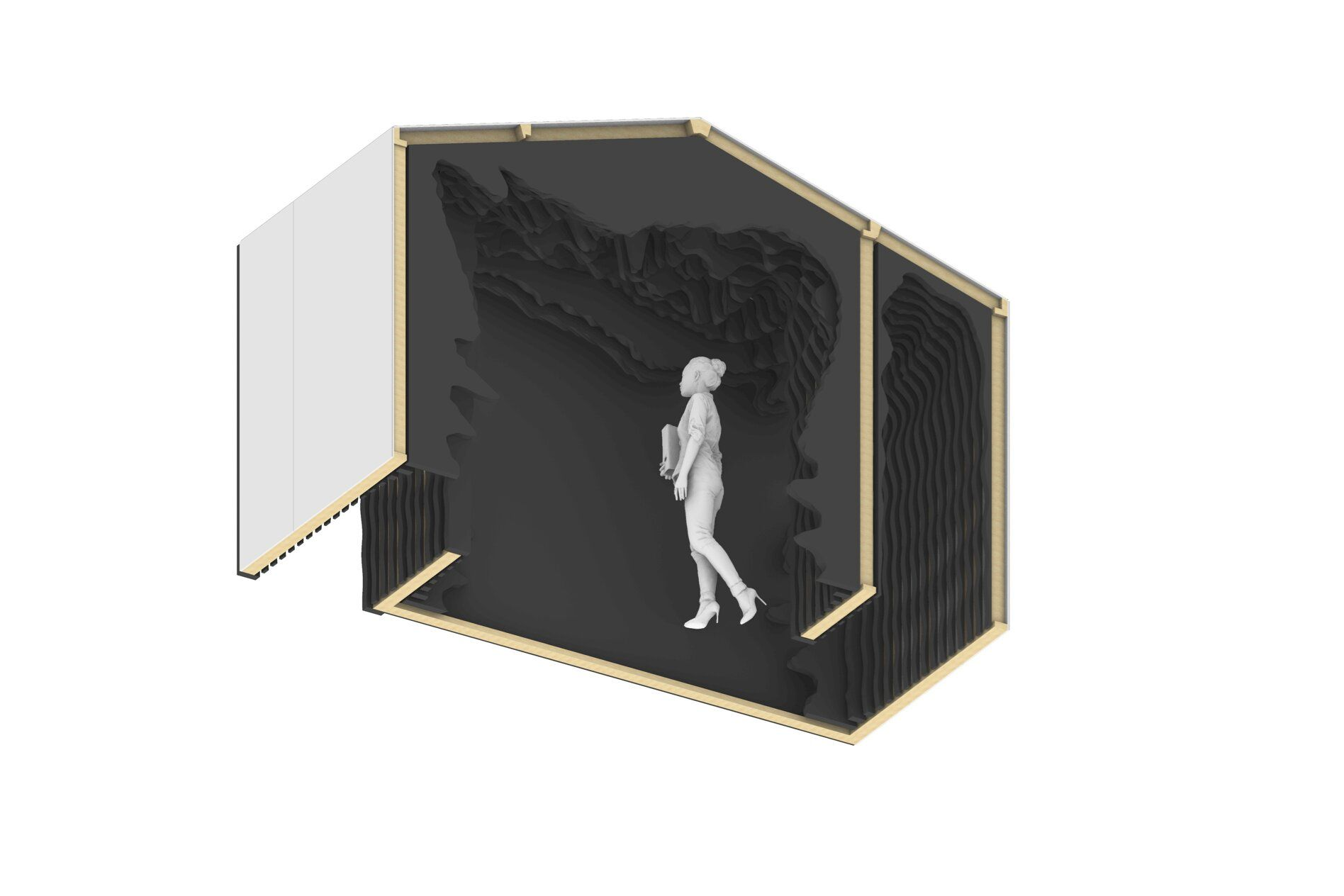
An acoustic refuge for deep connection and shared language.
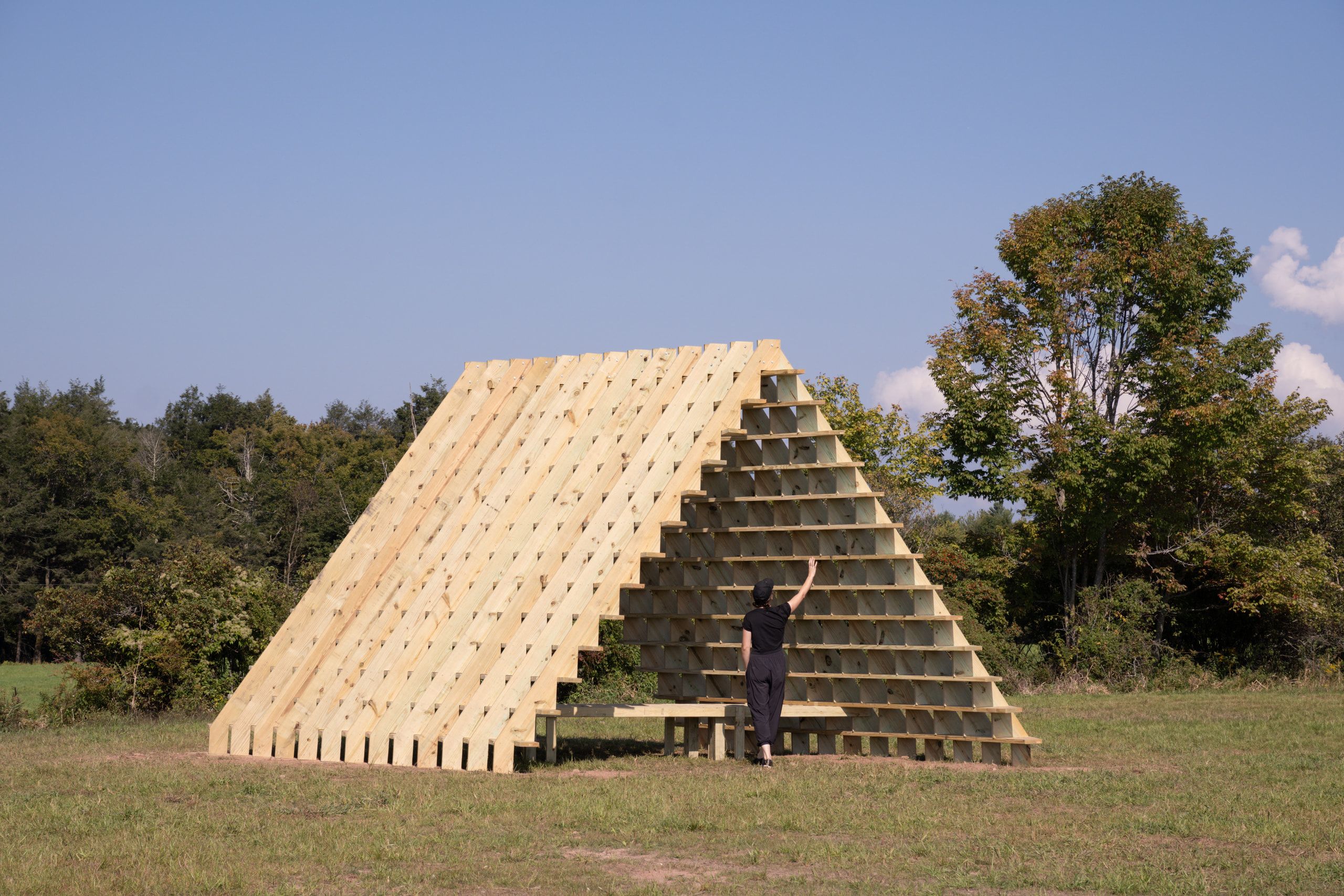
A permanent wood pavilion built from a kit of off-the-shelf domestic-construction parts, assembled without cuts or adhesives so it can be fully disassembled, relocated, or returned to use.
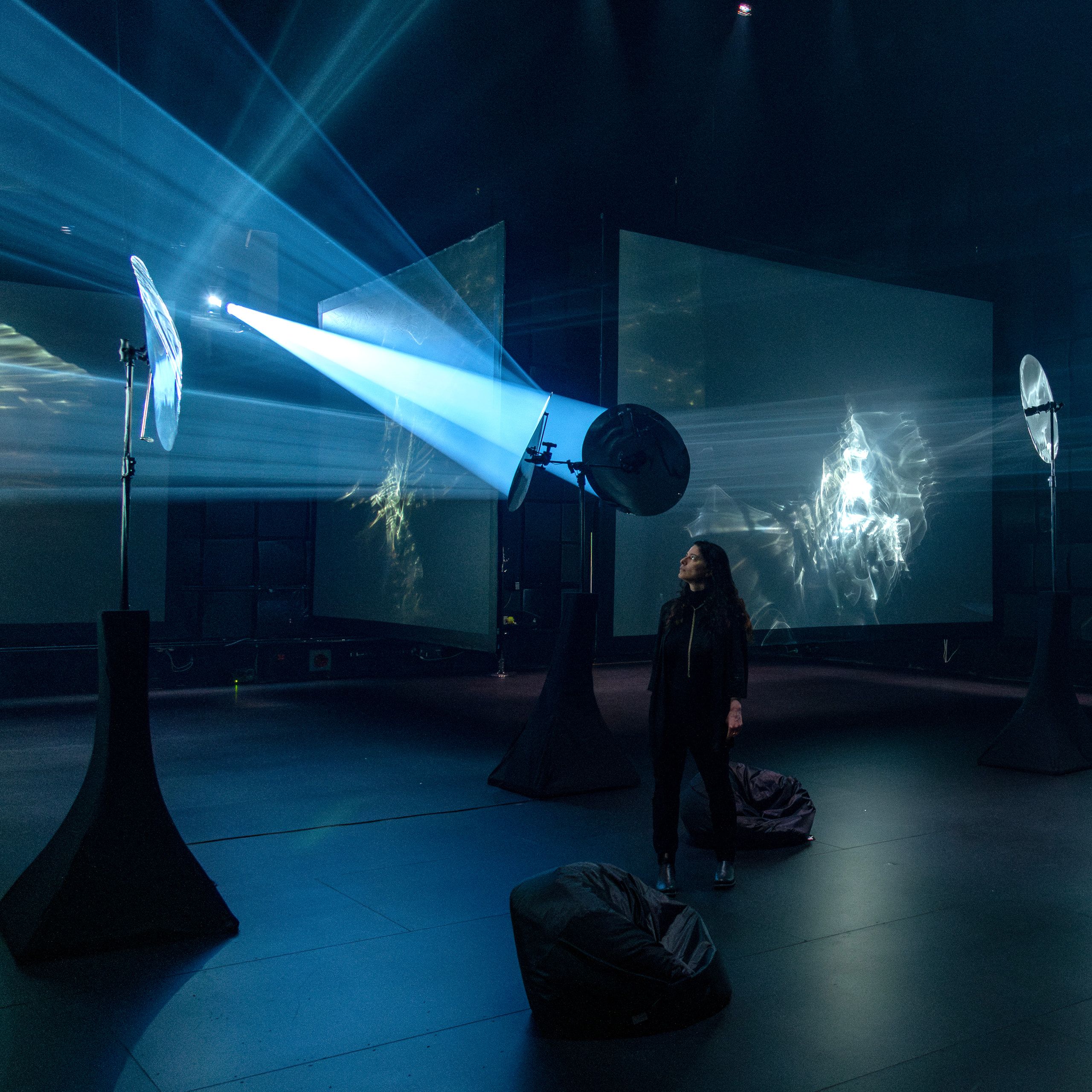
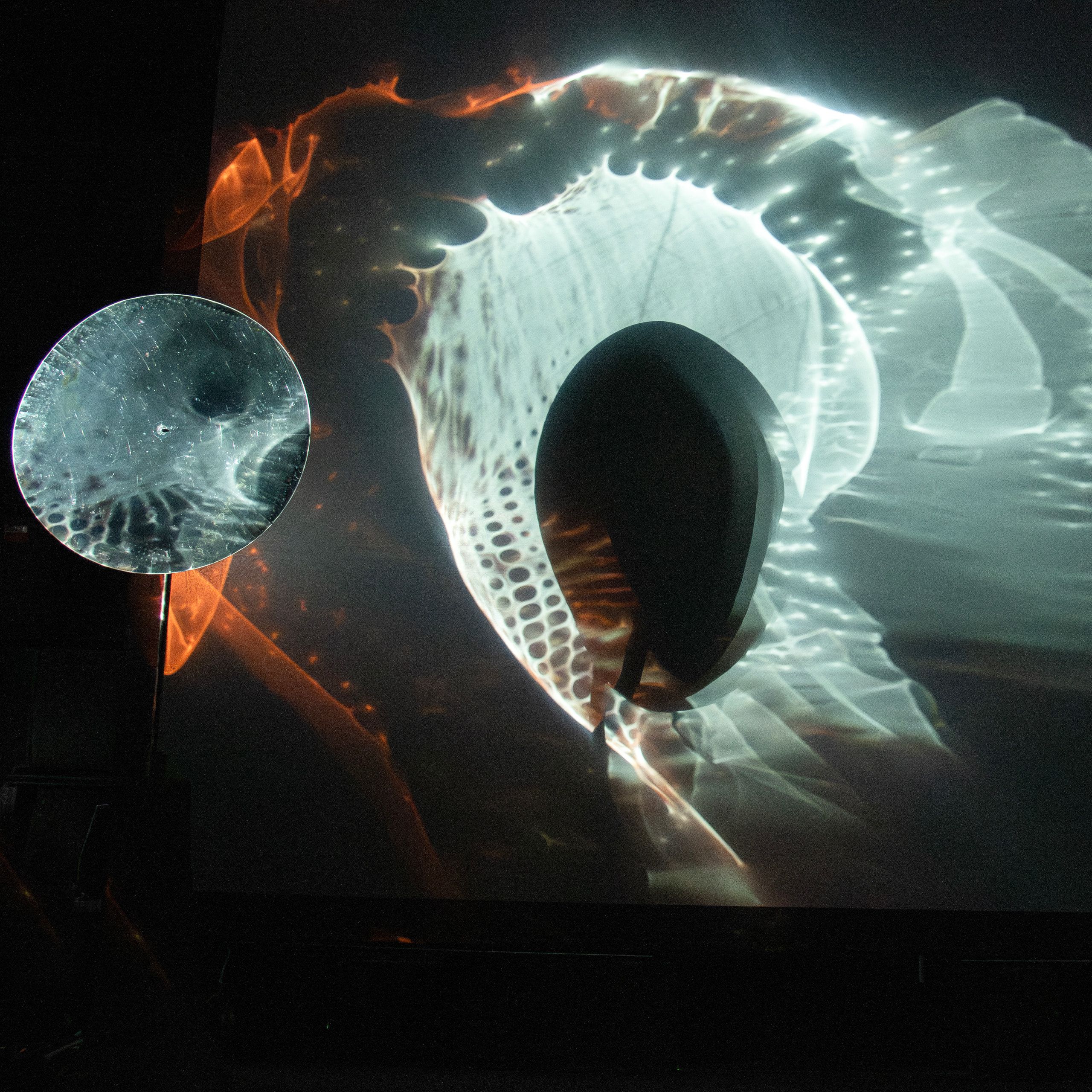
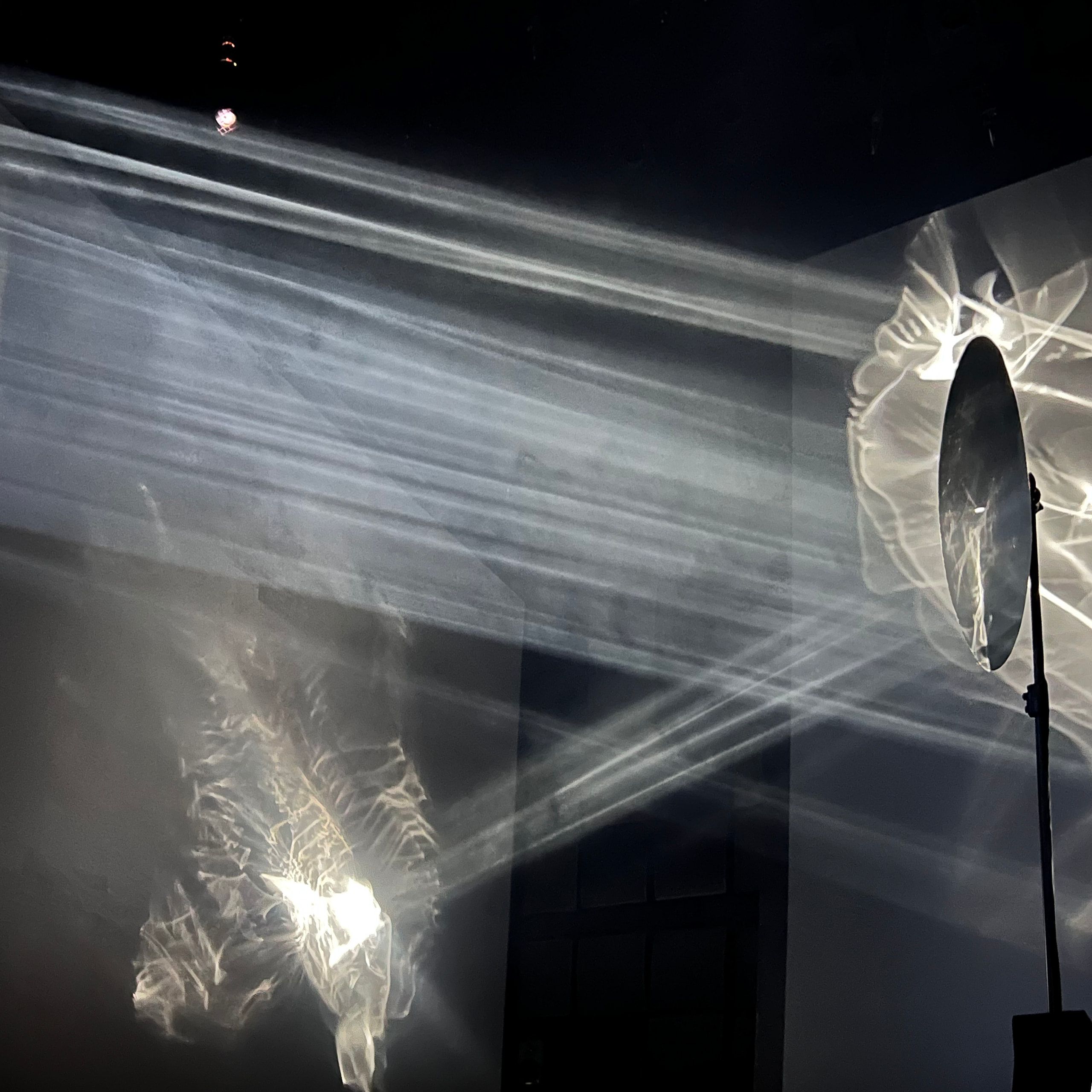
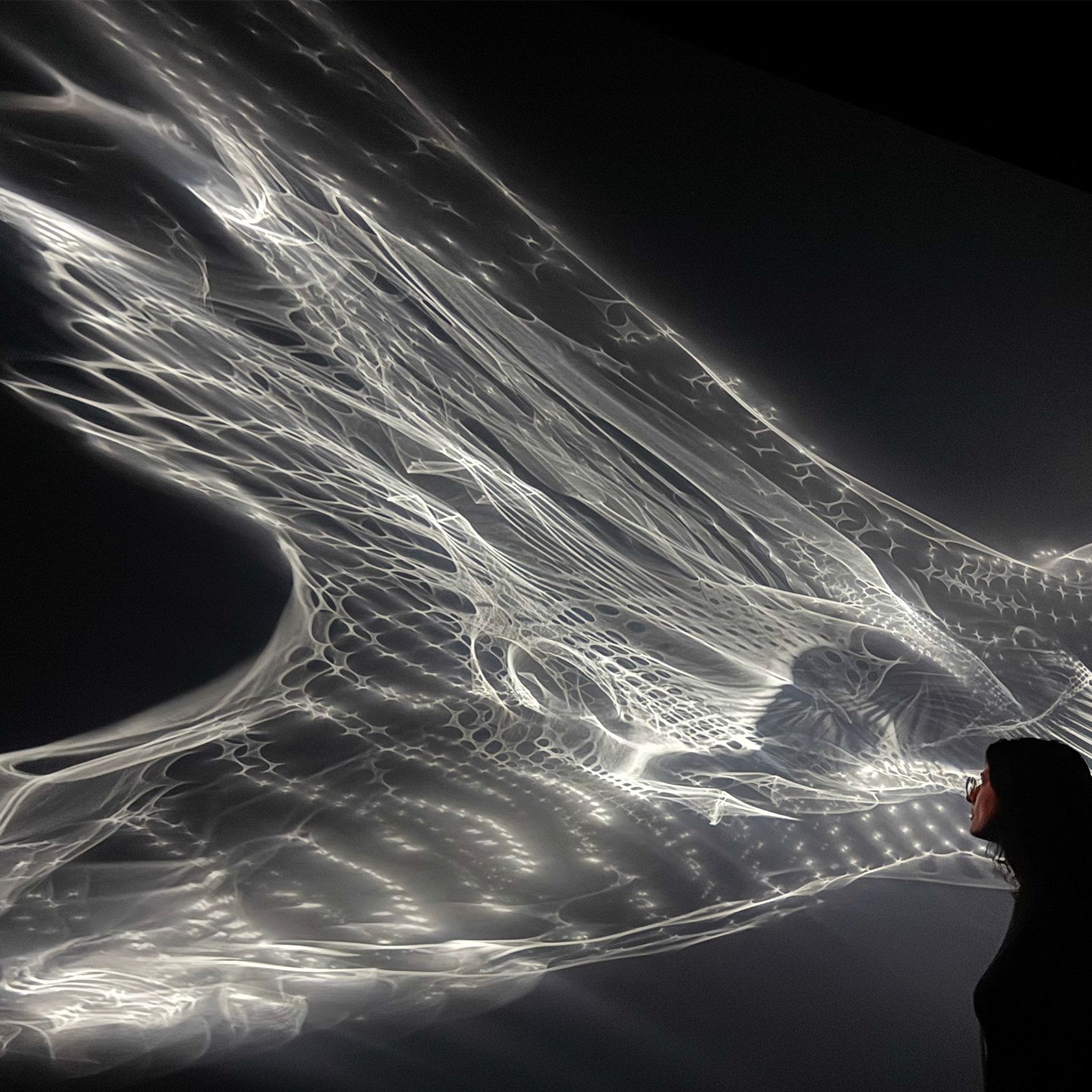
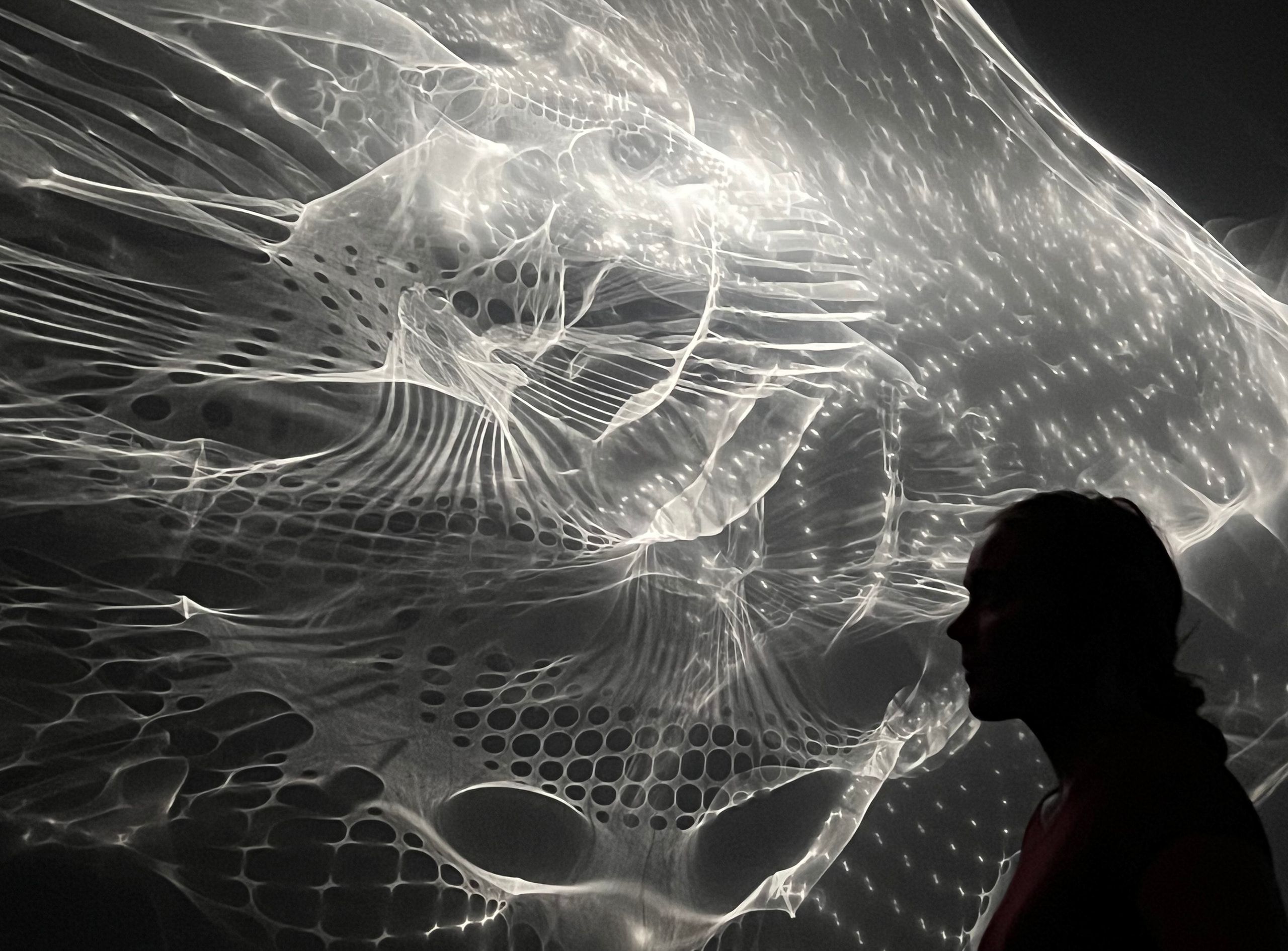
Robotically engraved stainless-steel reflectors transpose the acoustic data of a historic cistern into dynamic light drawings that respond to sound — immersing viewers in a field of light and sound reverberation.
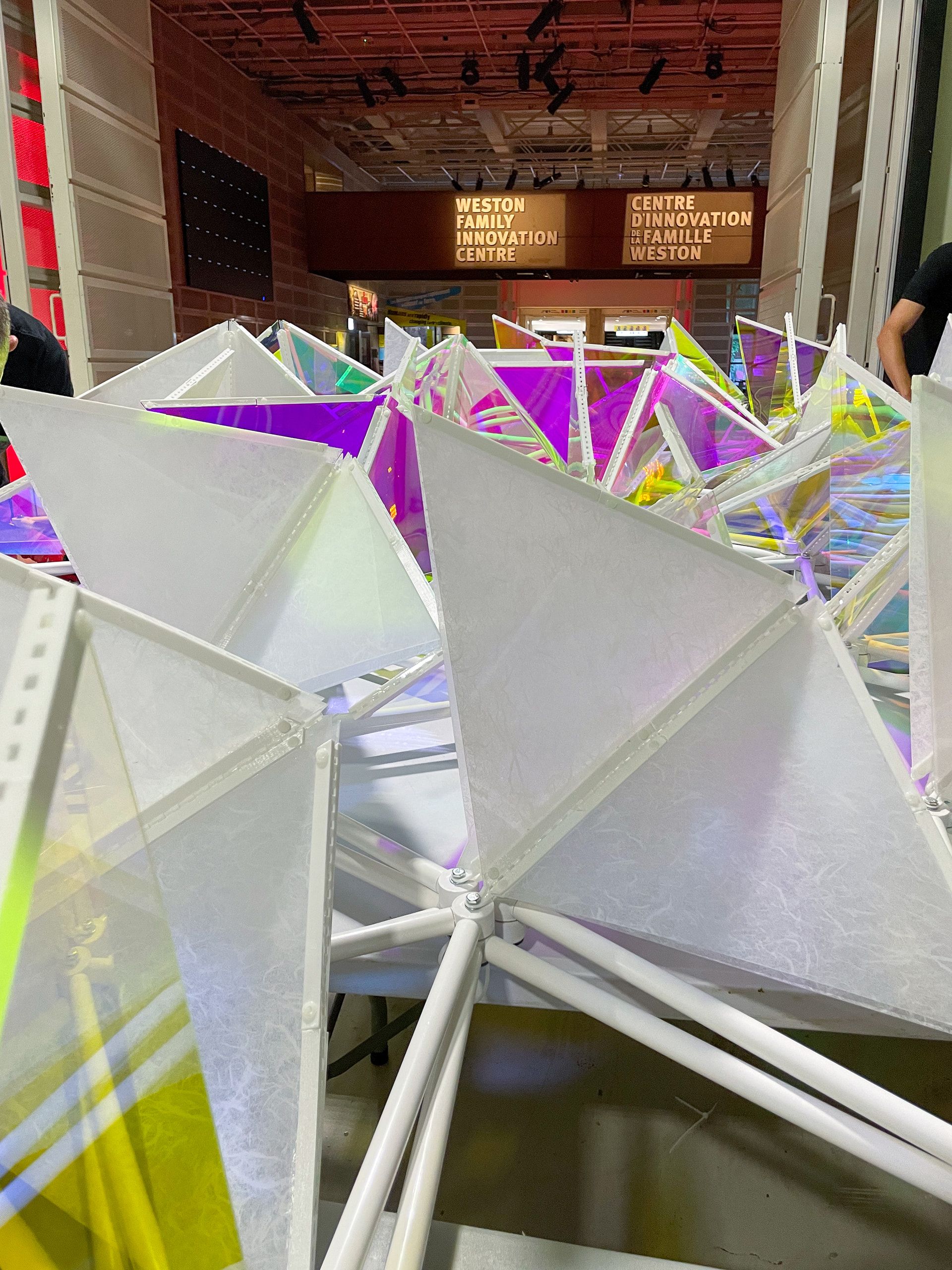
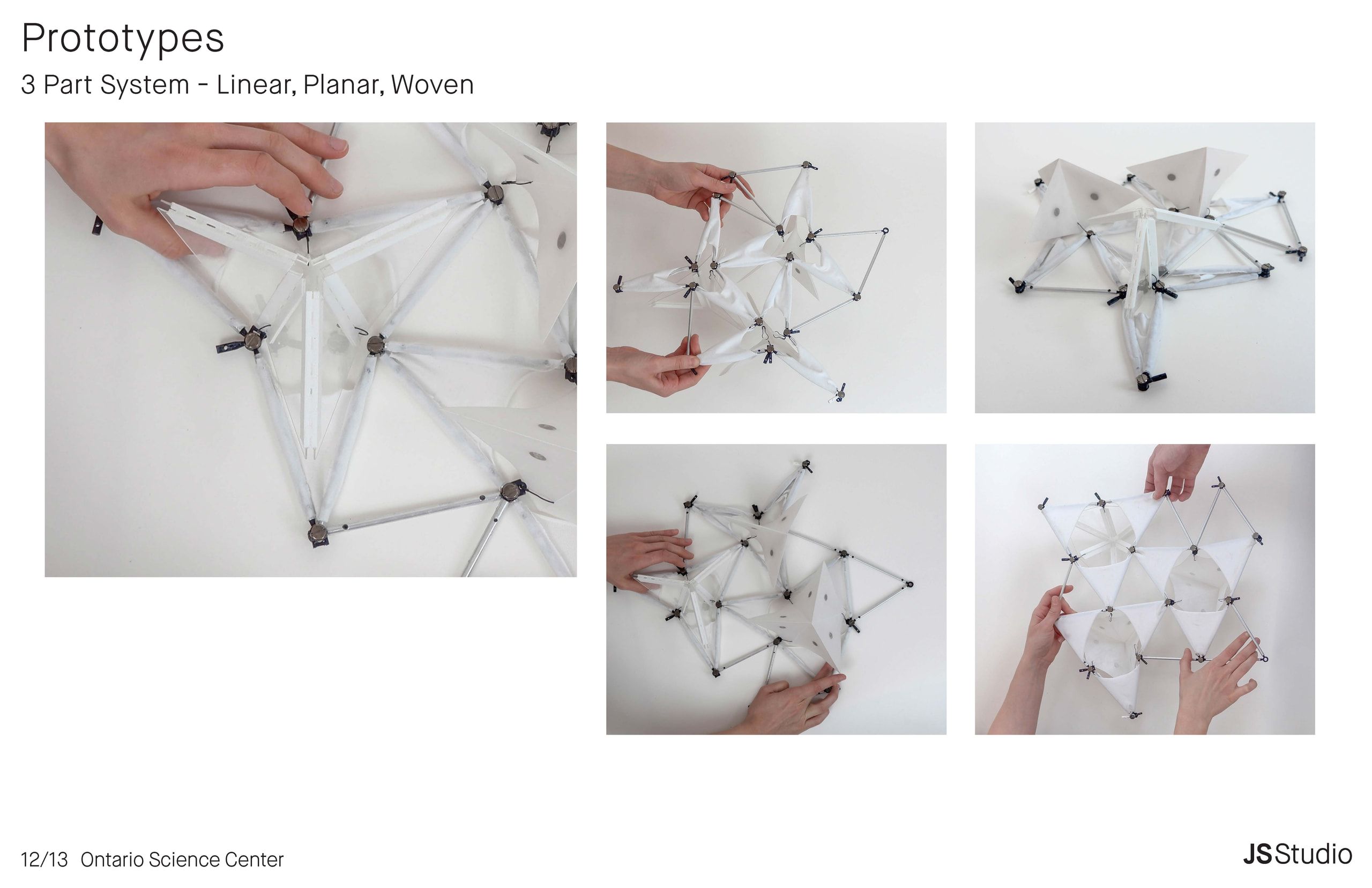
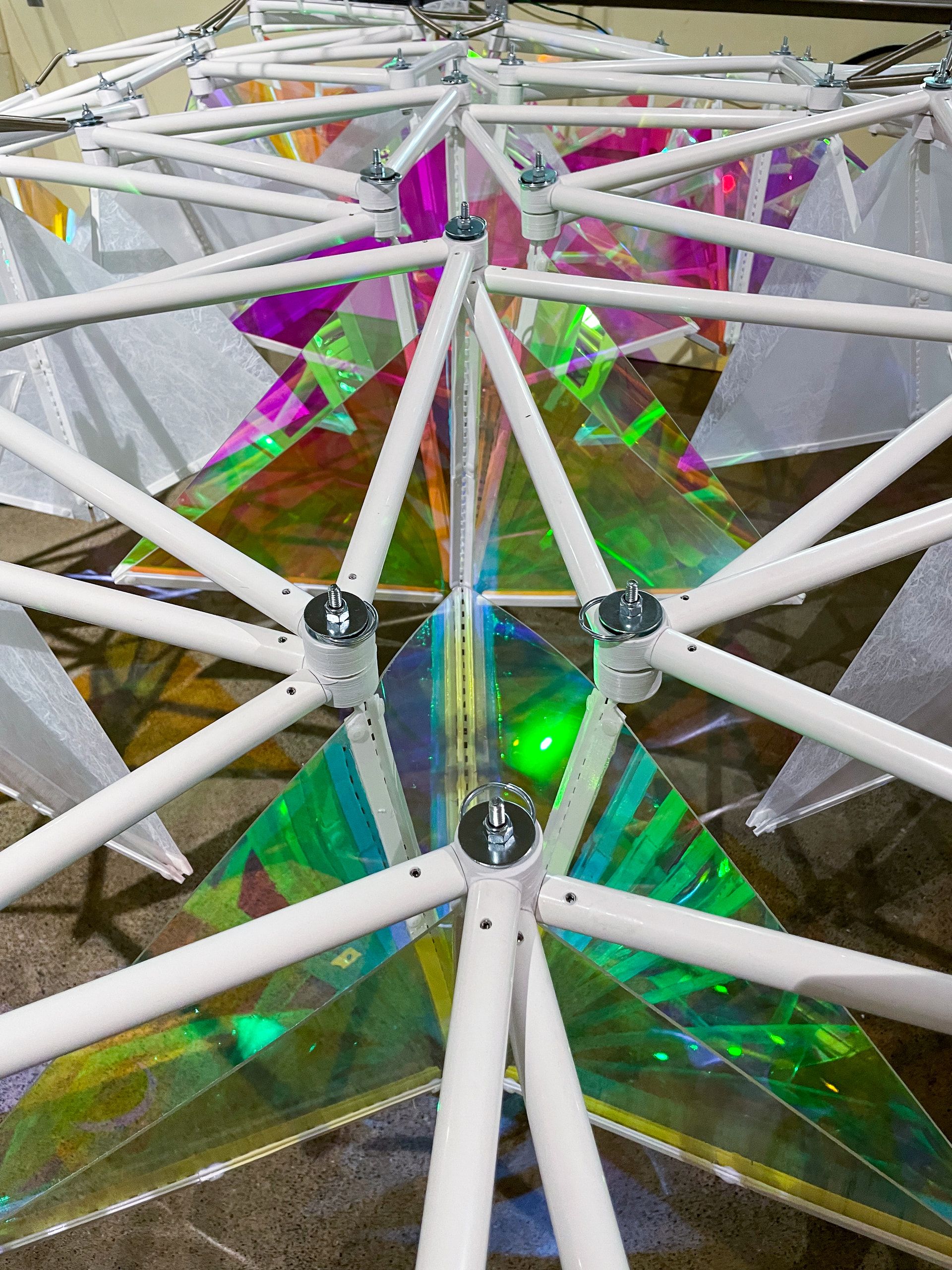
A color-shifting sculpture for the Ontario Science Centre that ripples open as visitors approach, its structural network driven by just kinetic actuators .
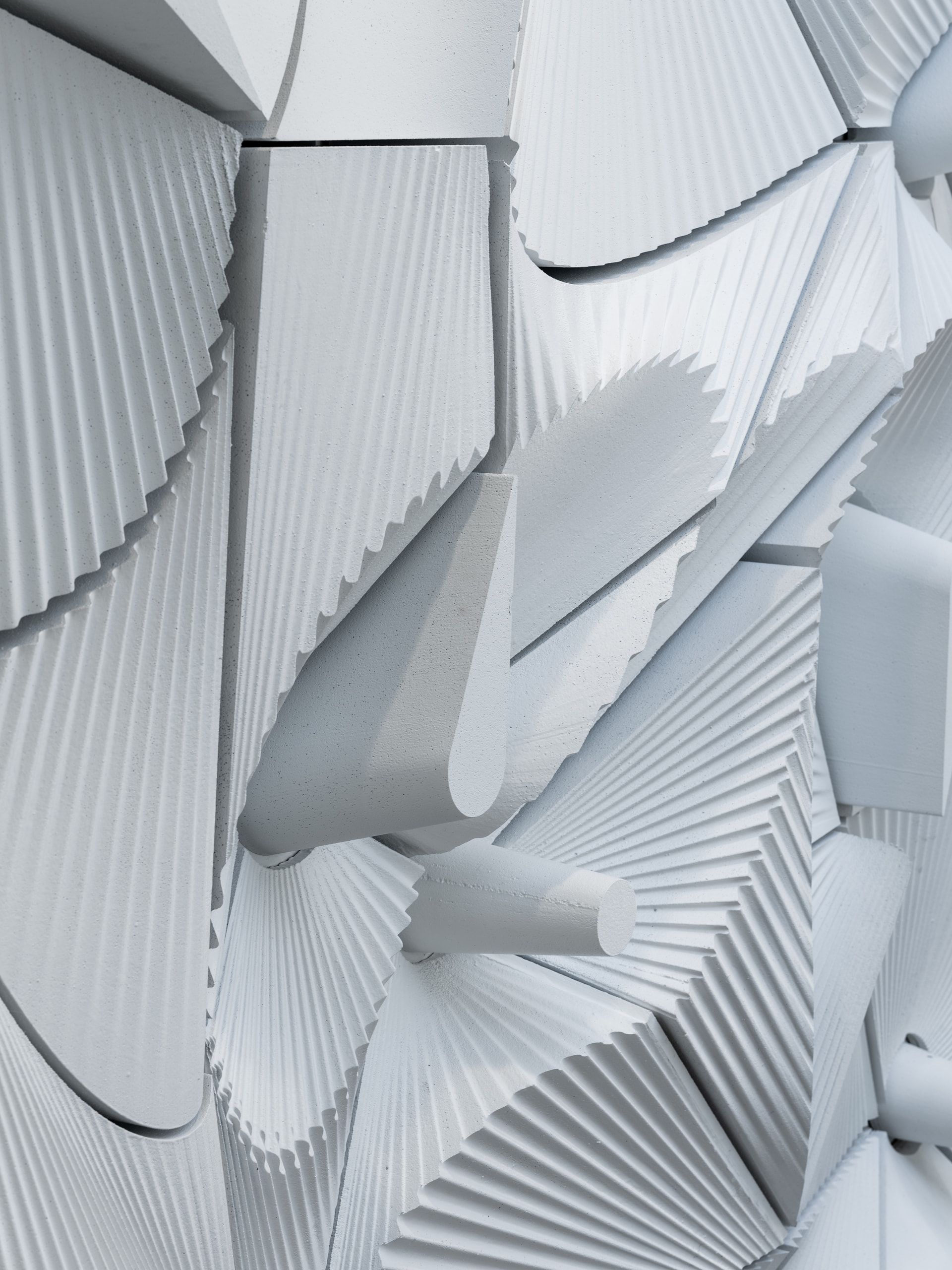
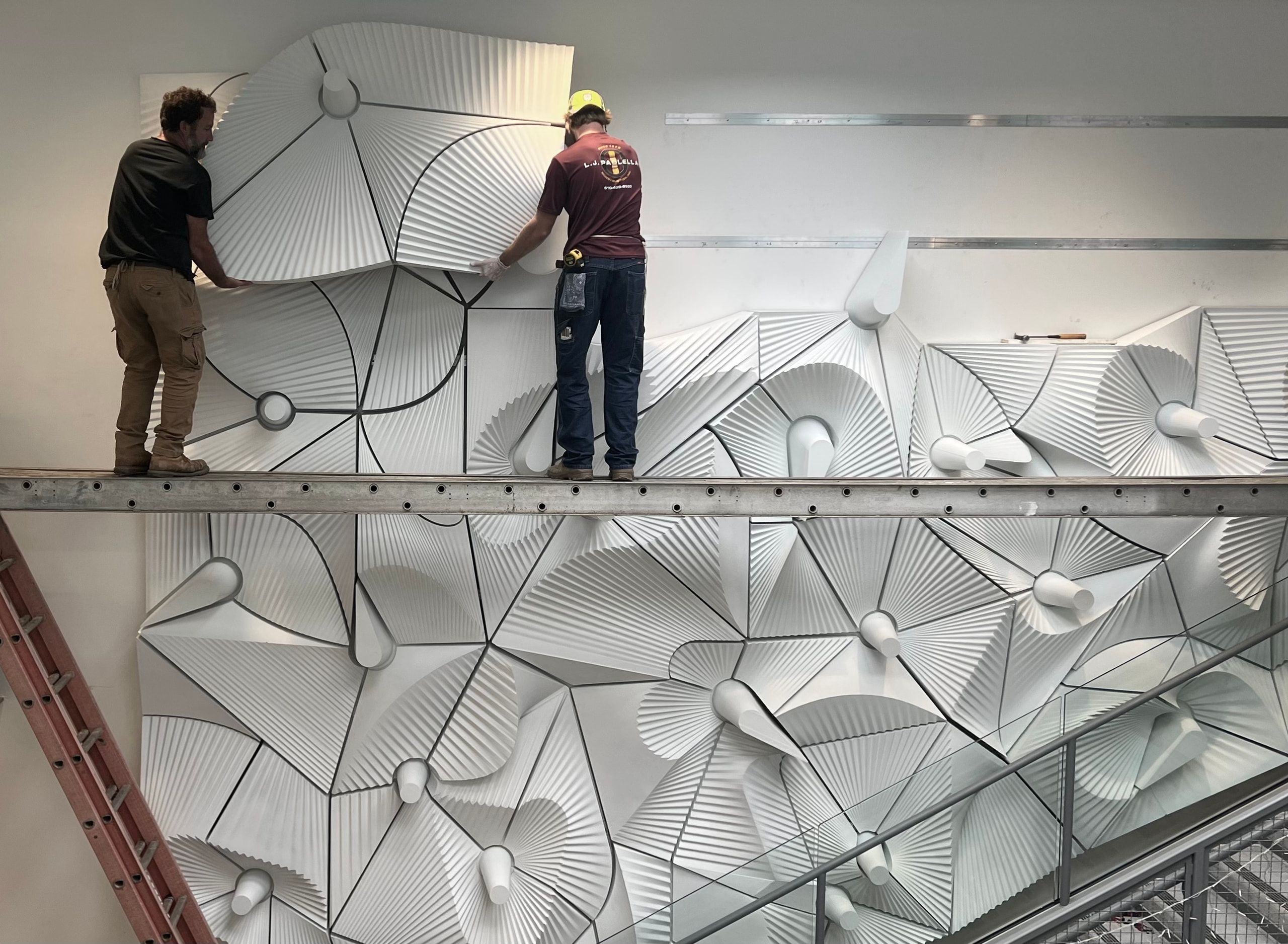
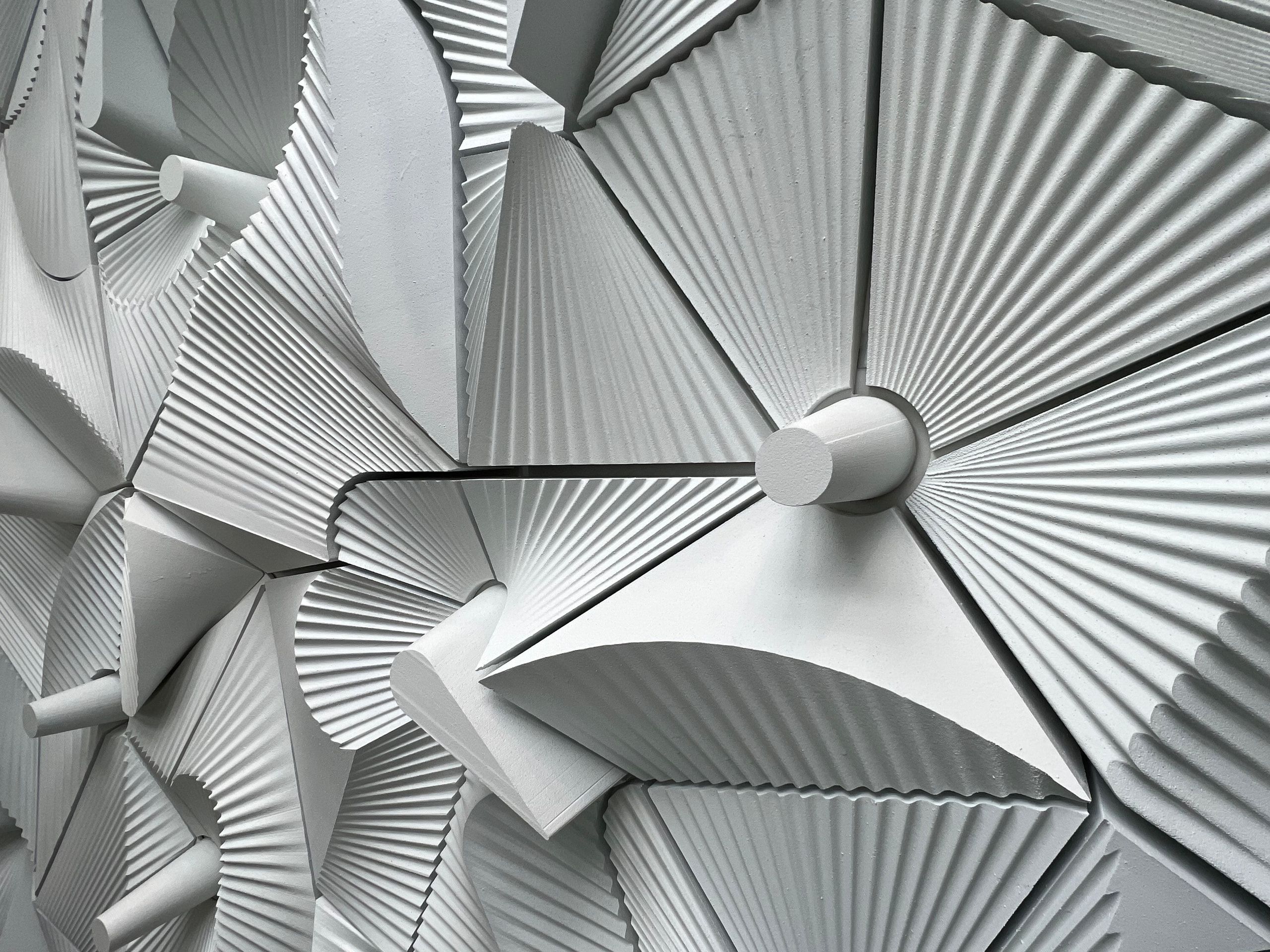
An architectural-scale wall relief generated by a convolutional neural network (AI) and fabricated by a robot arm — exploring the machine as a creative collaborator.
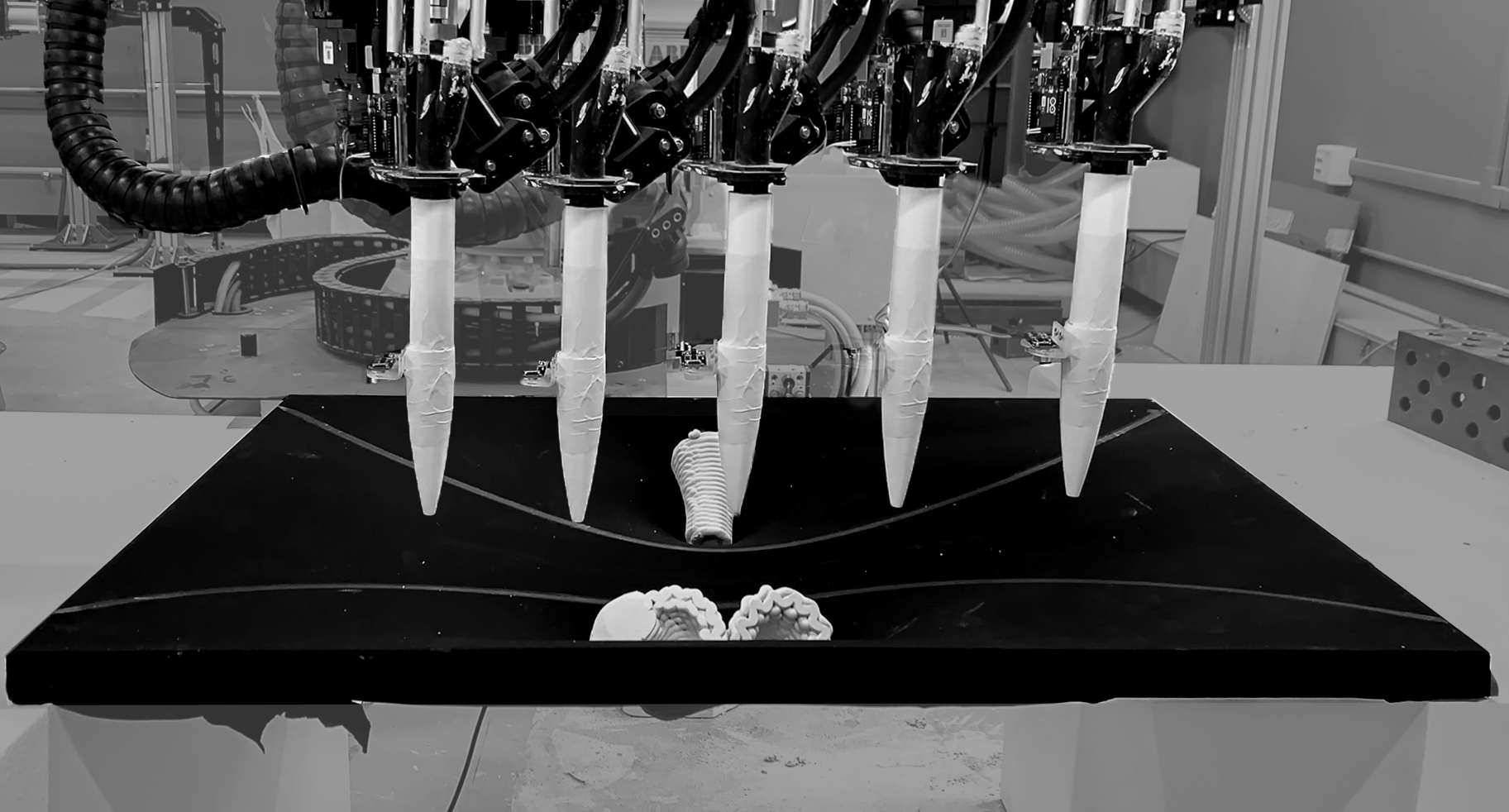
A robot pipes clay onto a stretched fabric that sags and holds it — supporting forms at angles unsupported clay never could.
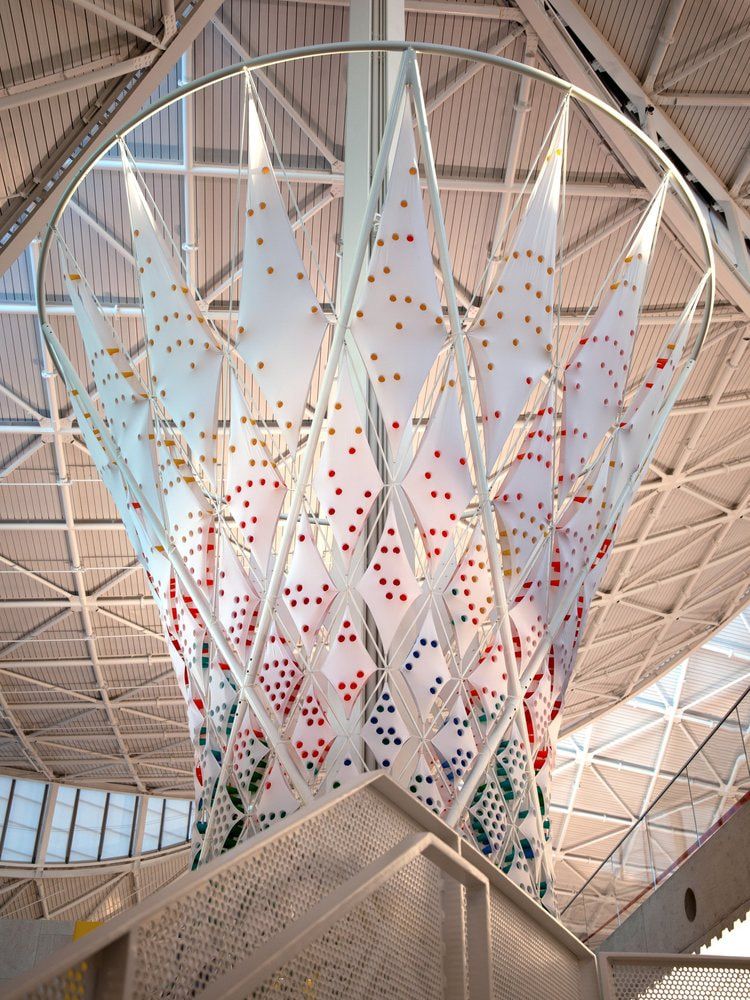
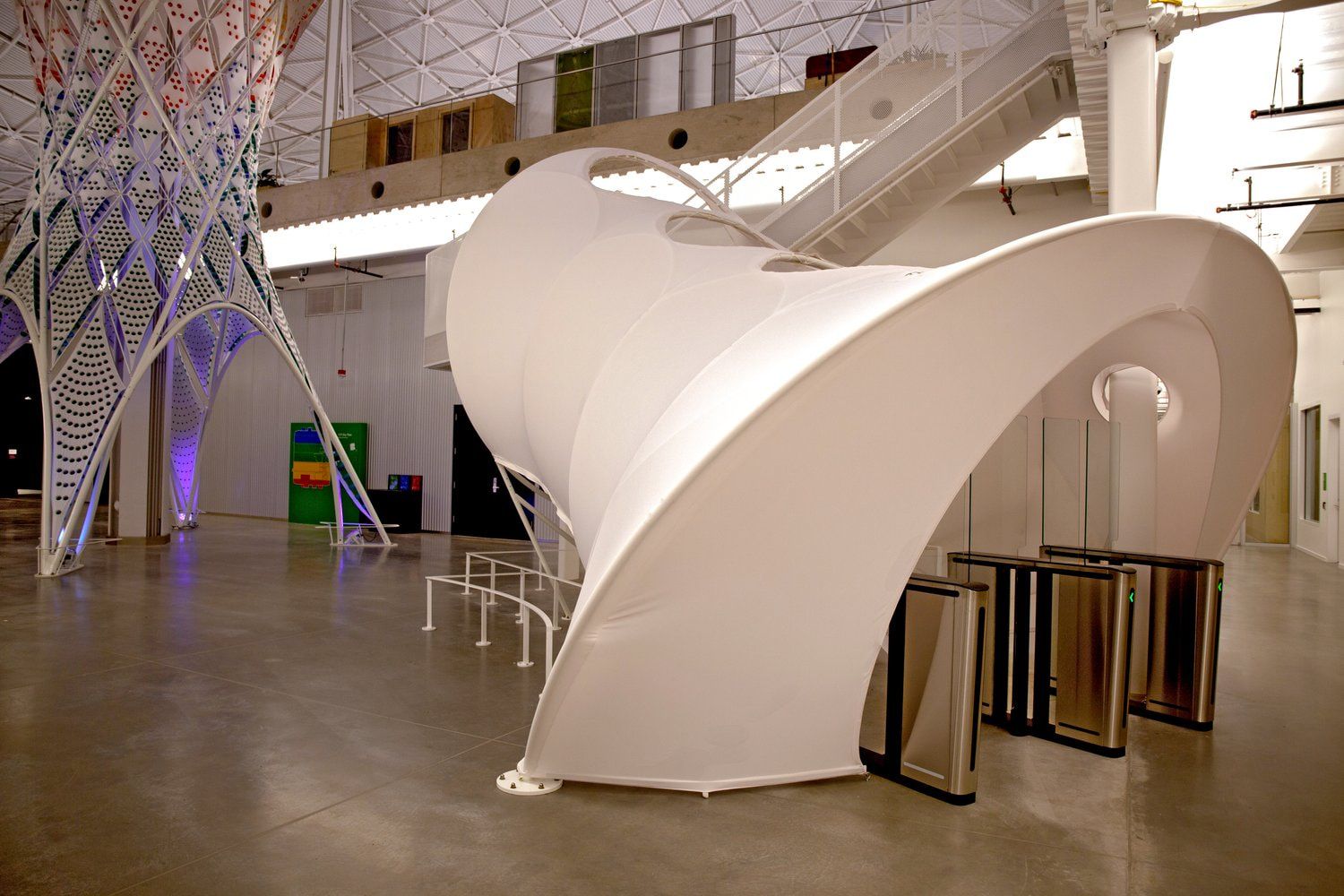
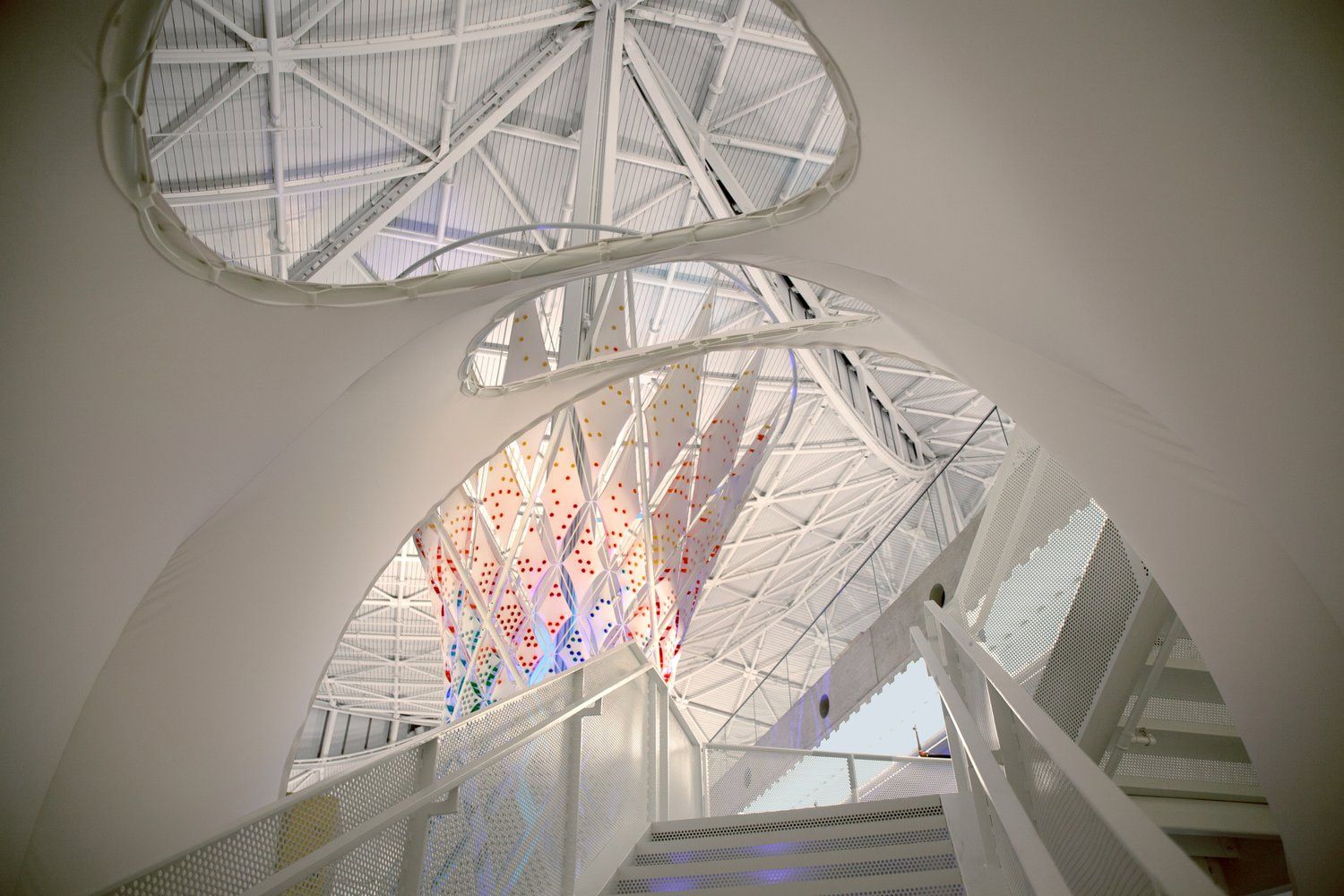
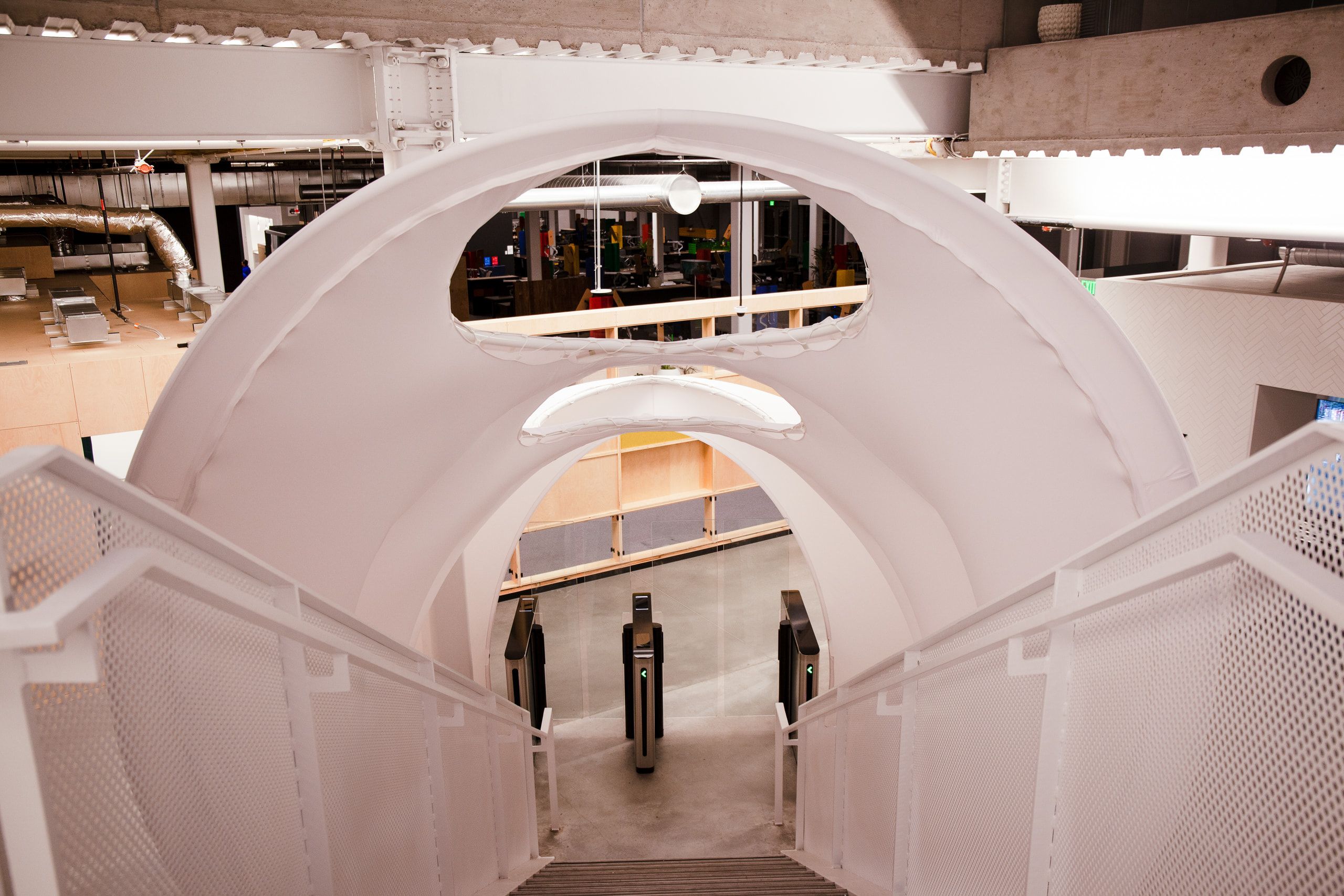
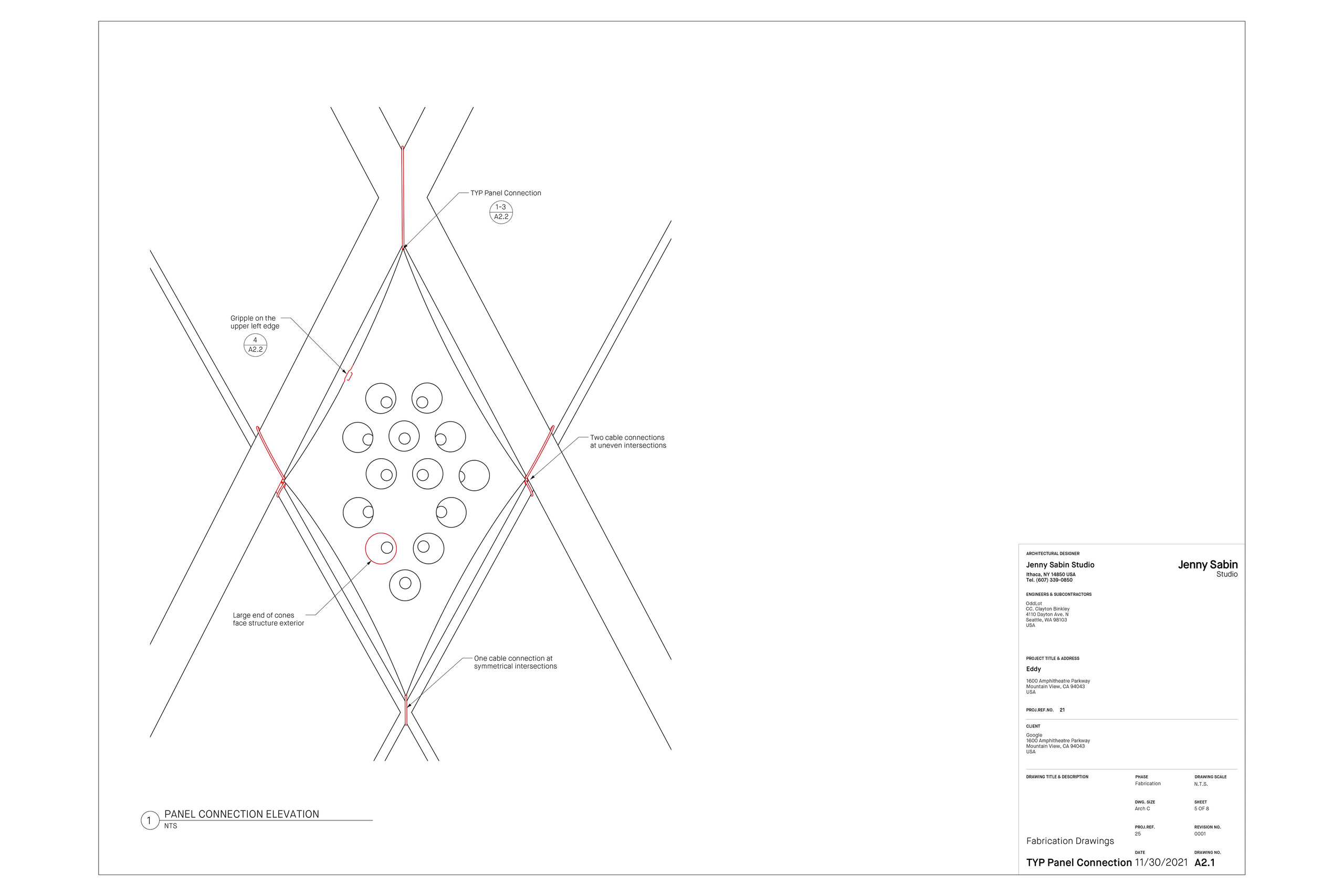
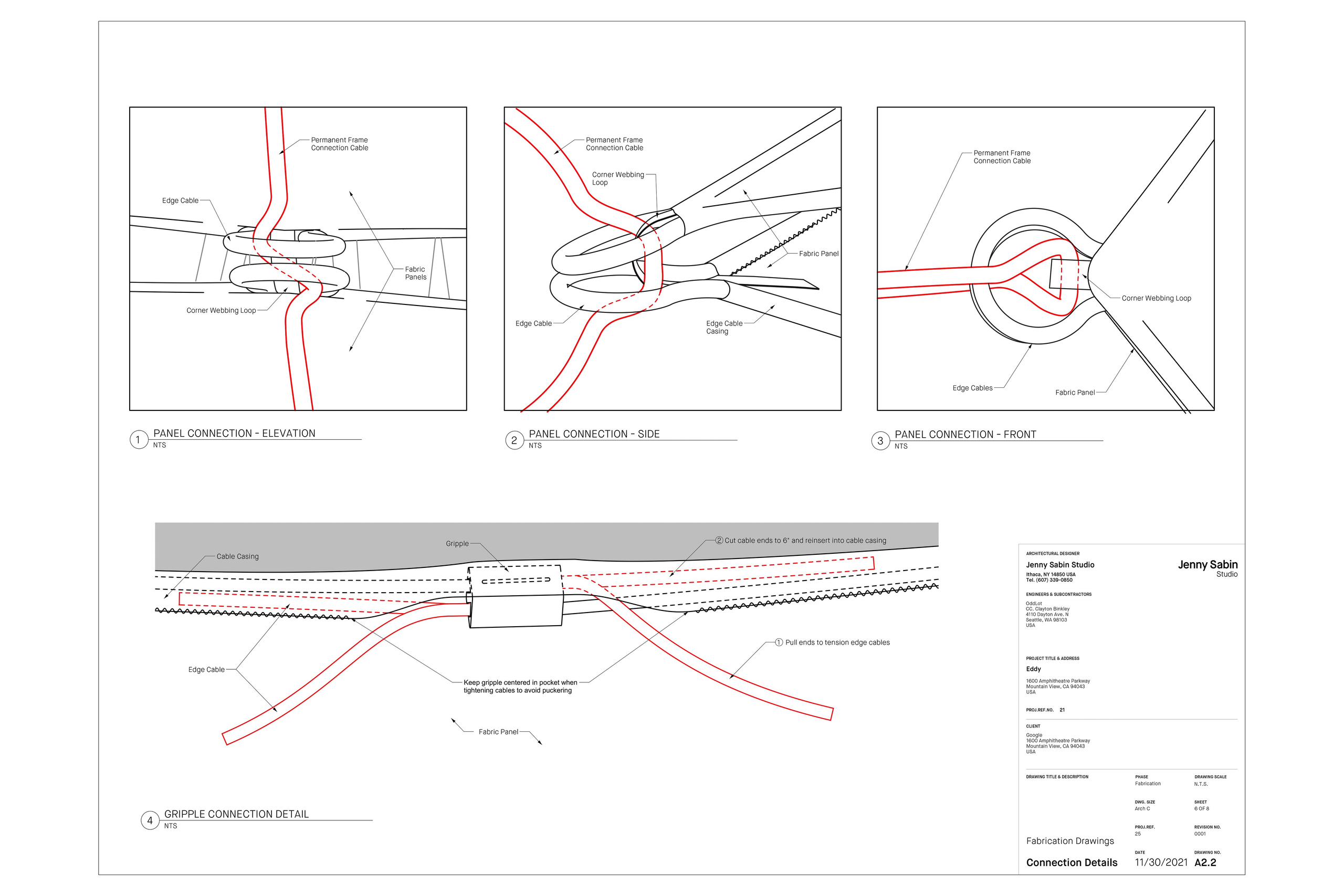
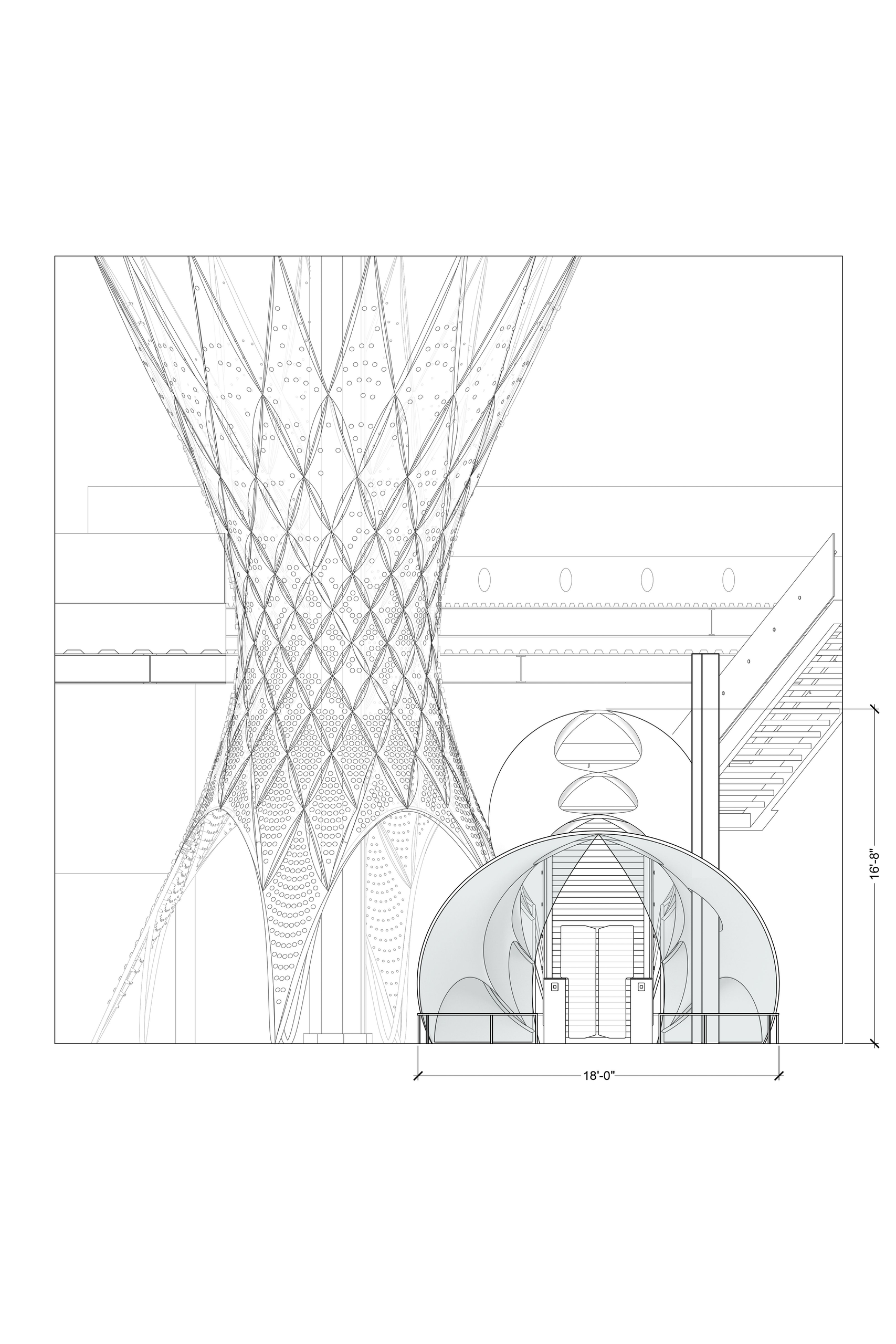
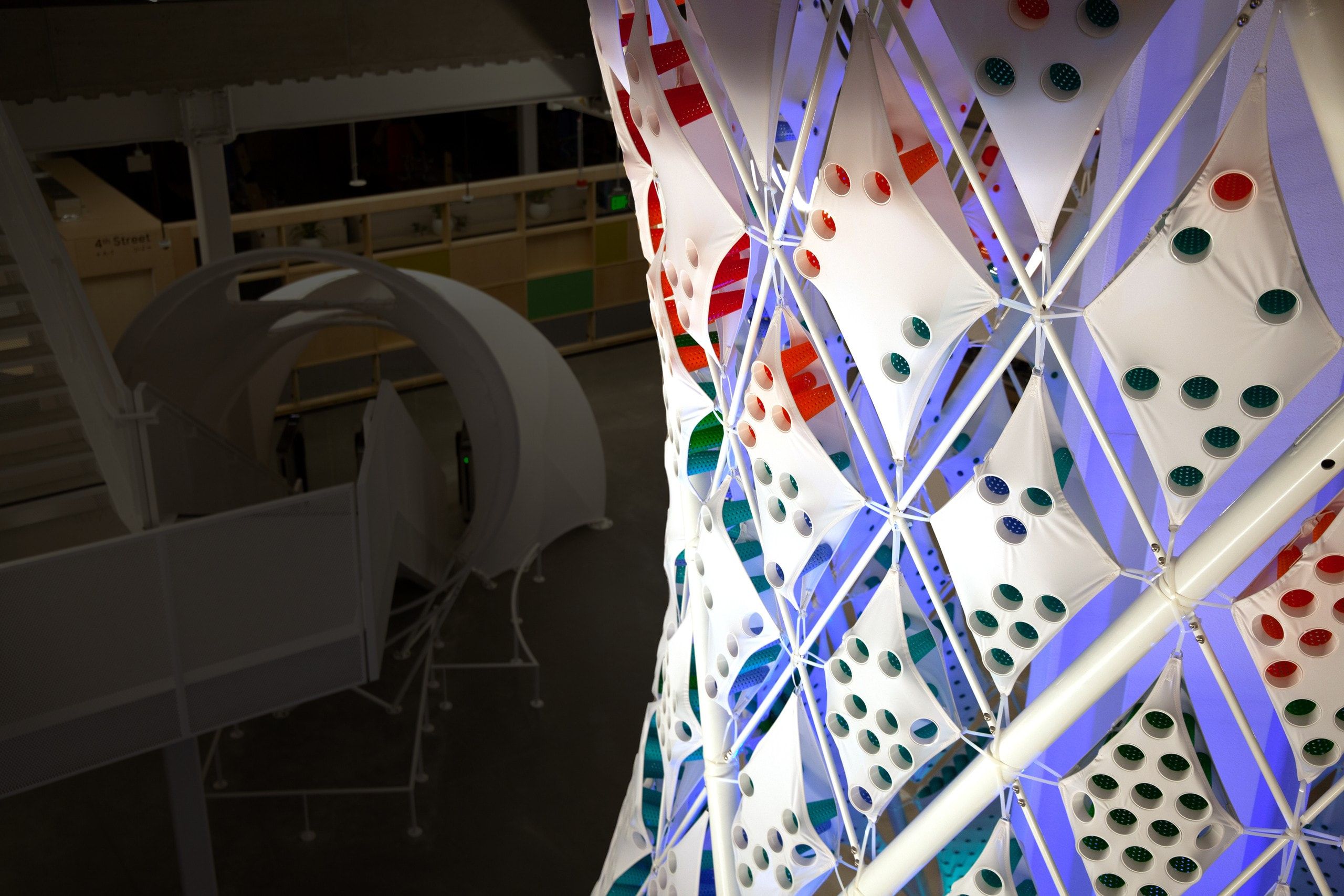
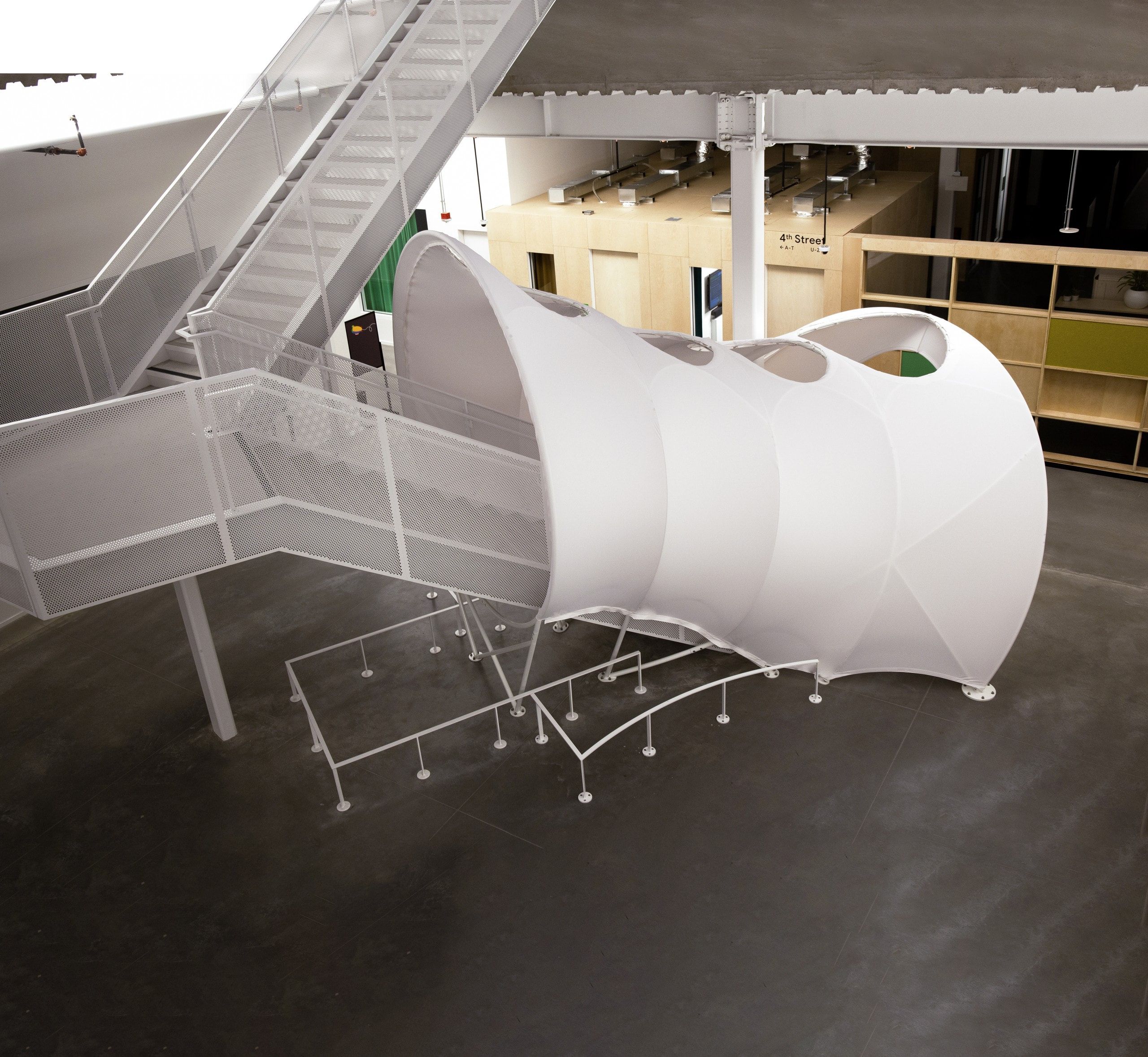
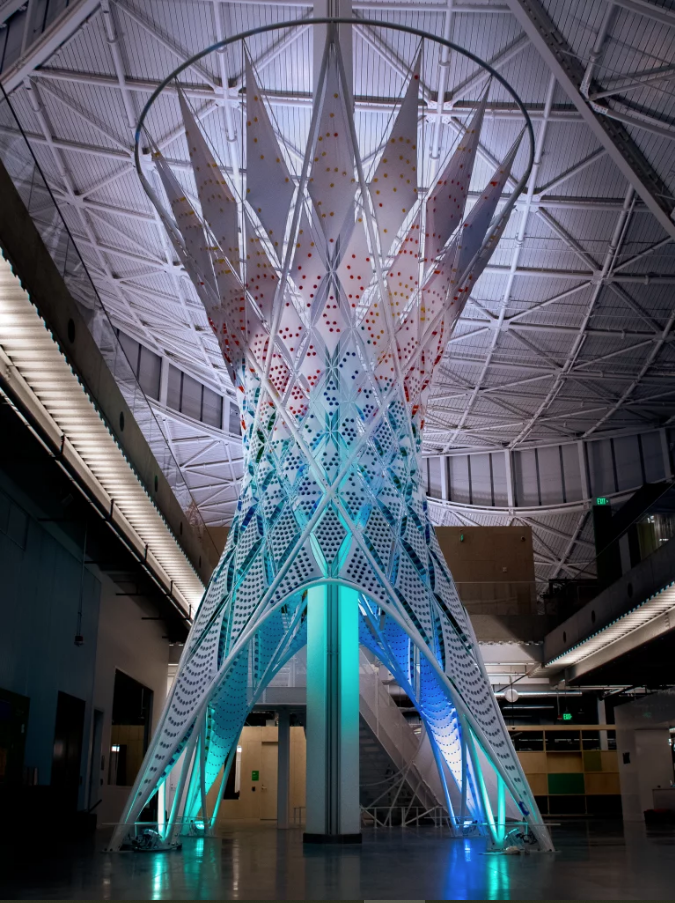
A pair of tensile installations at Google's Bay View campus — Eddy, a 42-foot web of reclaimed yarn spools driven by live wind data, and Shroud, a curved-steel threshold over a stair.
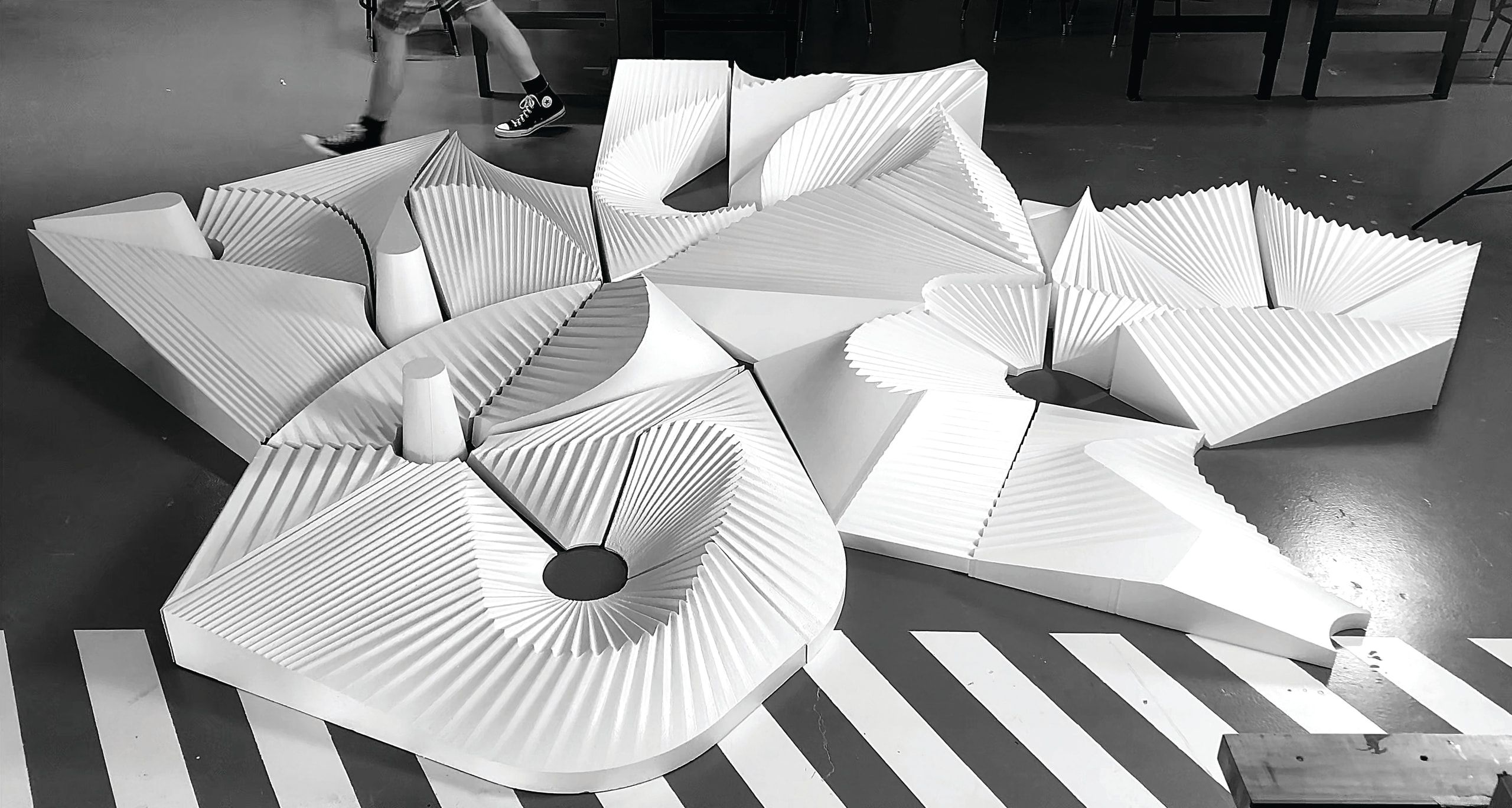
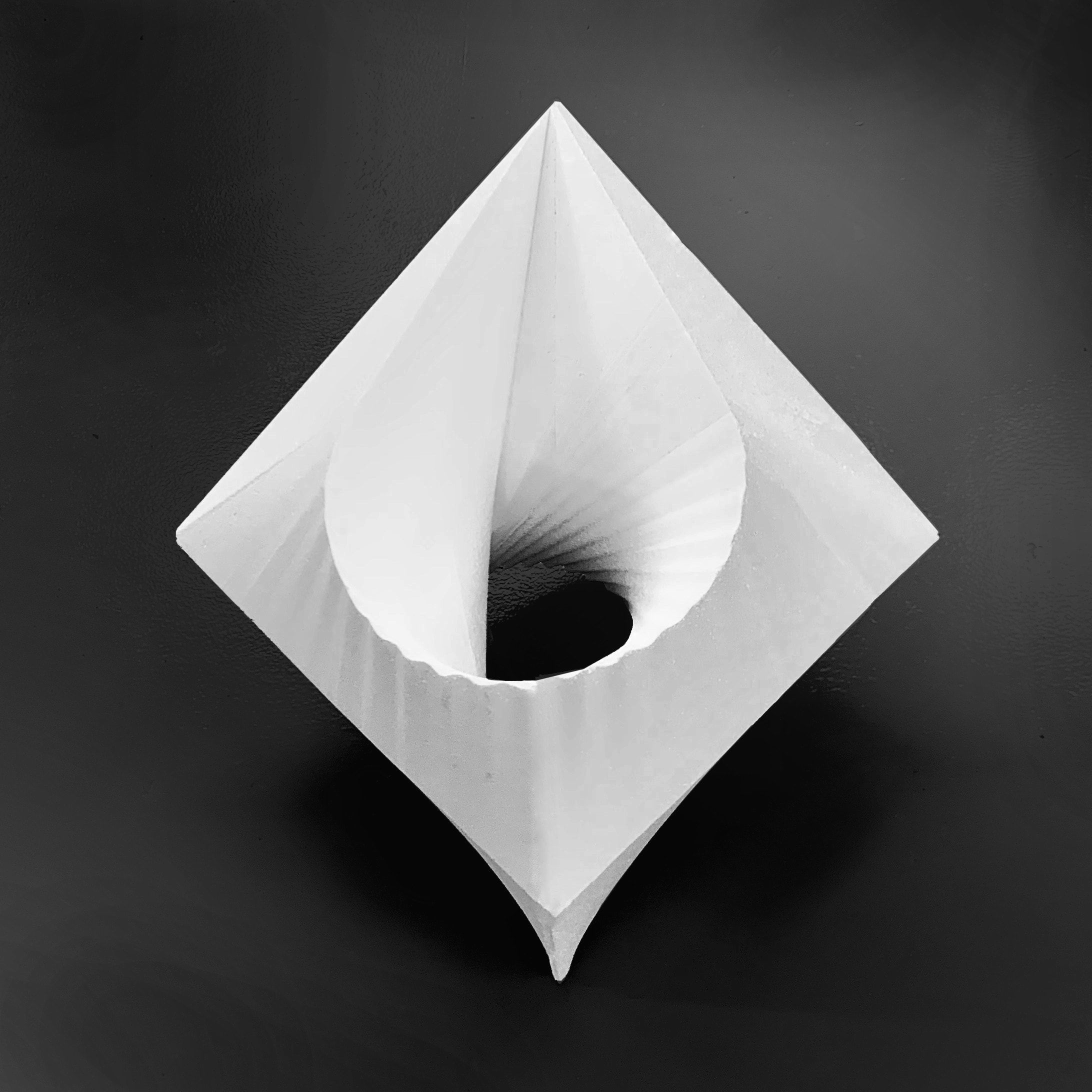
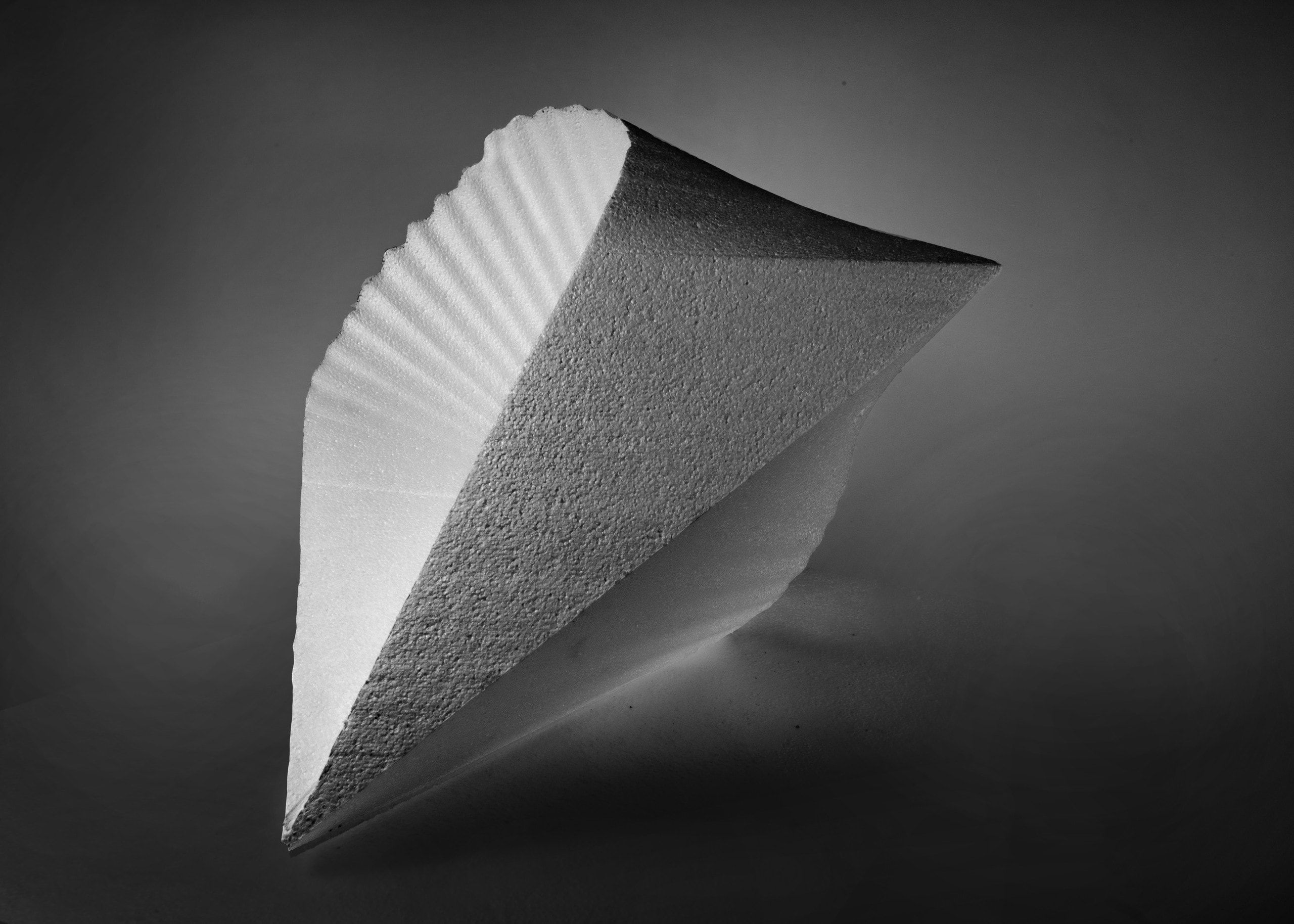
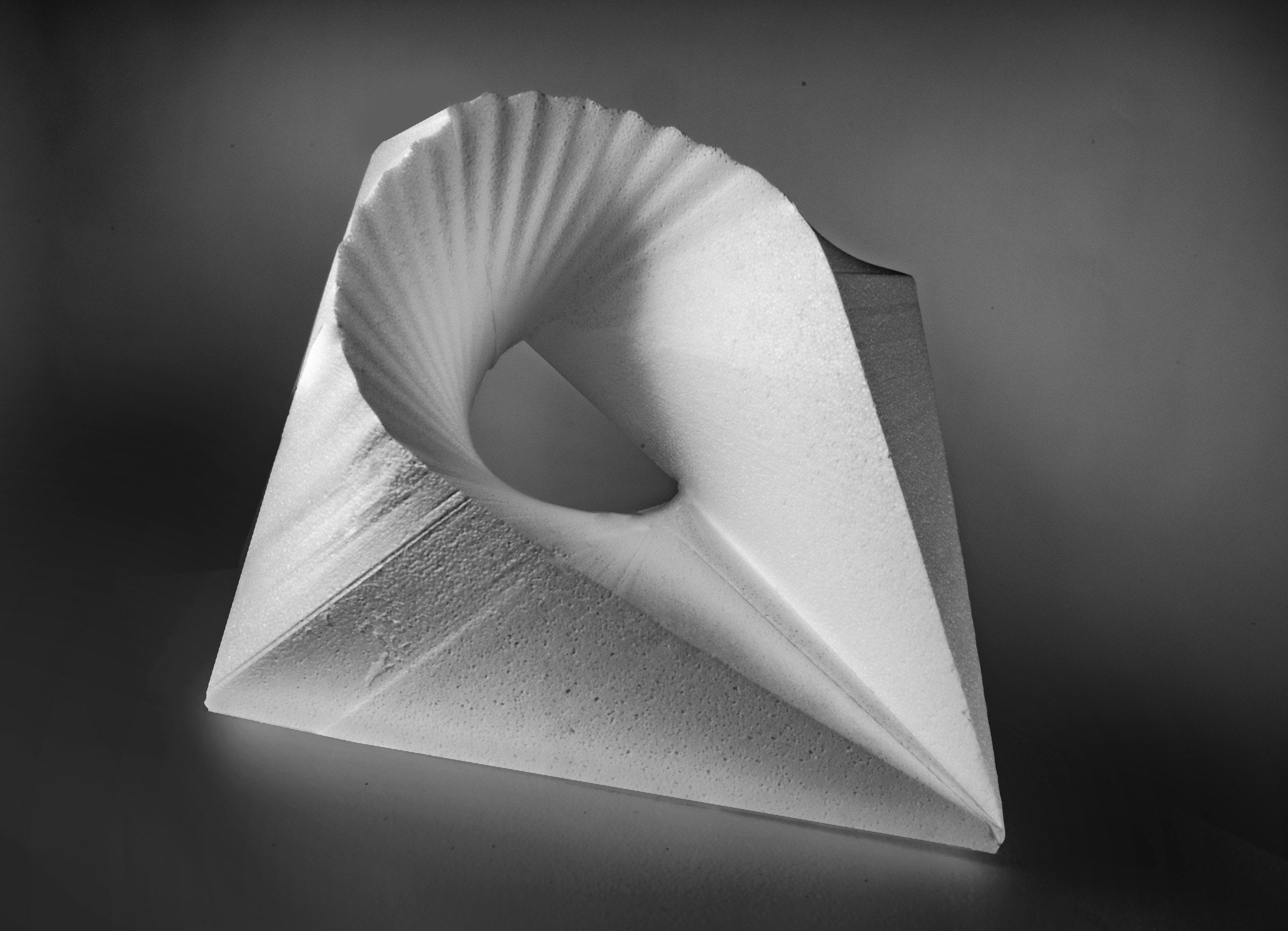
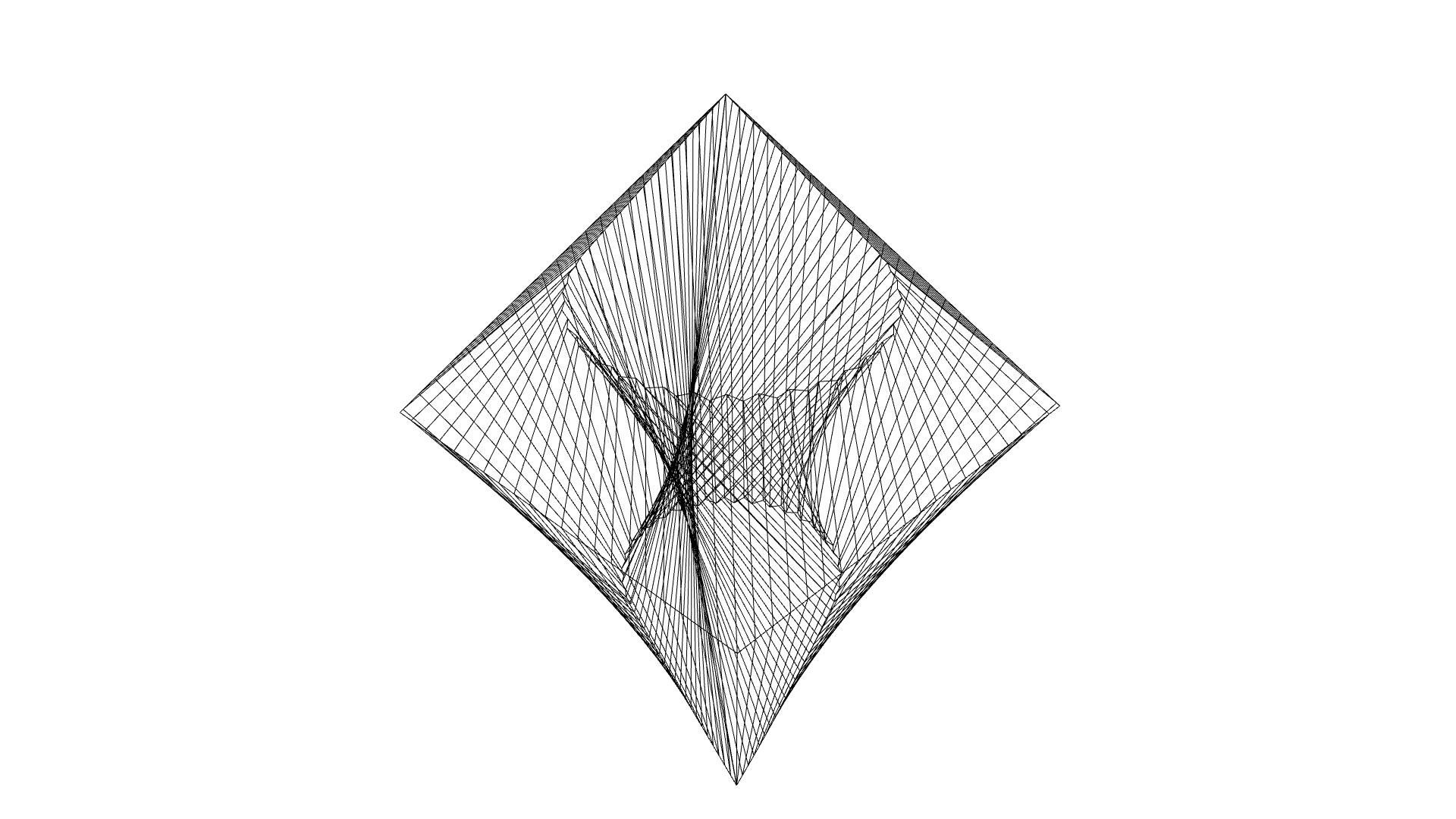
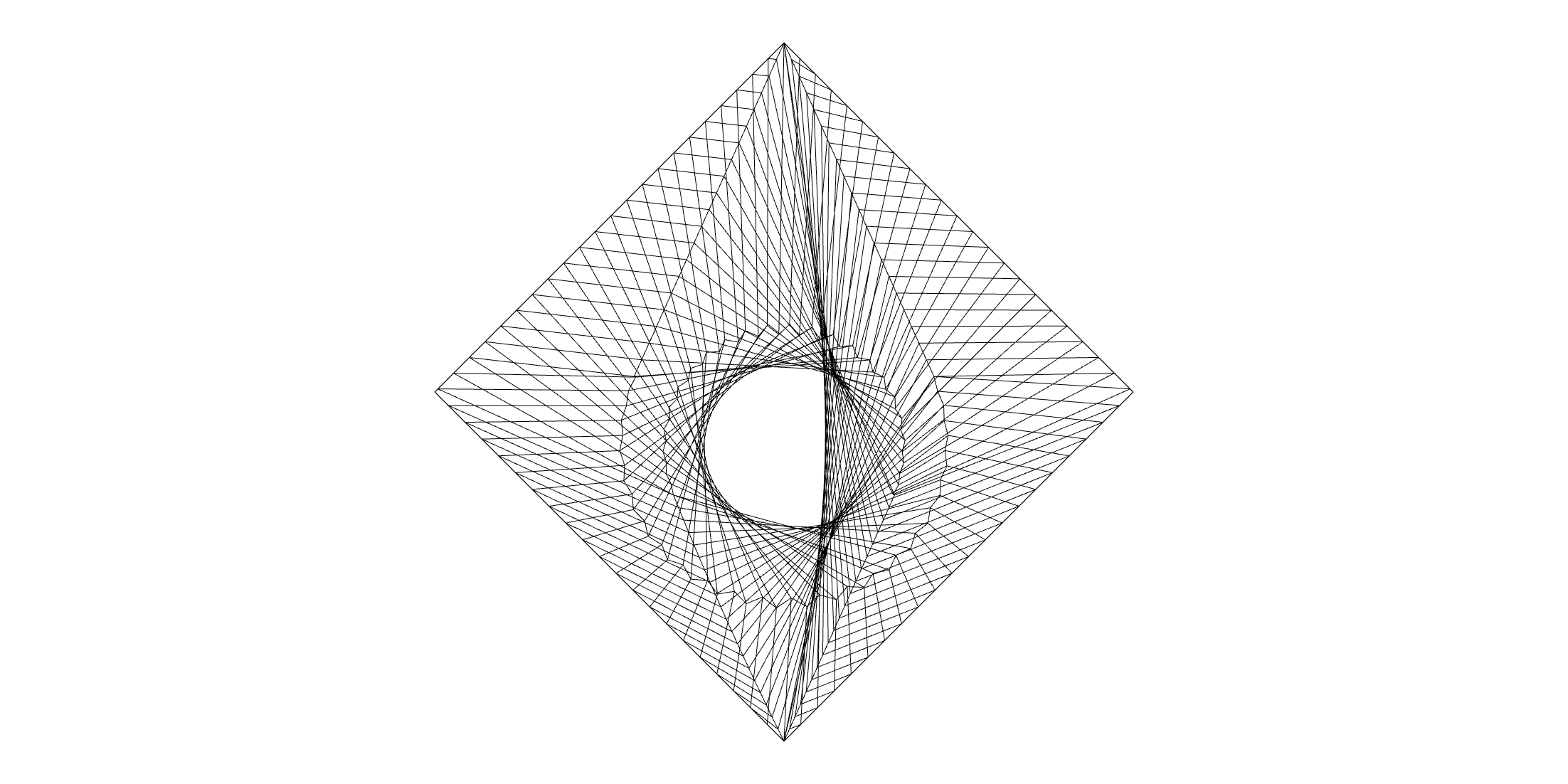
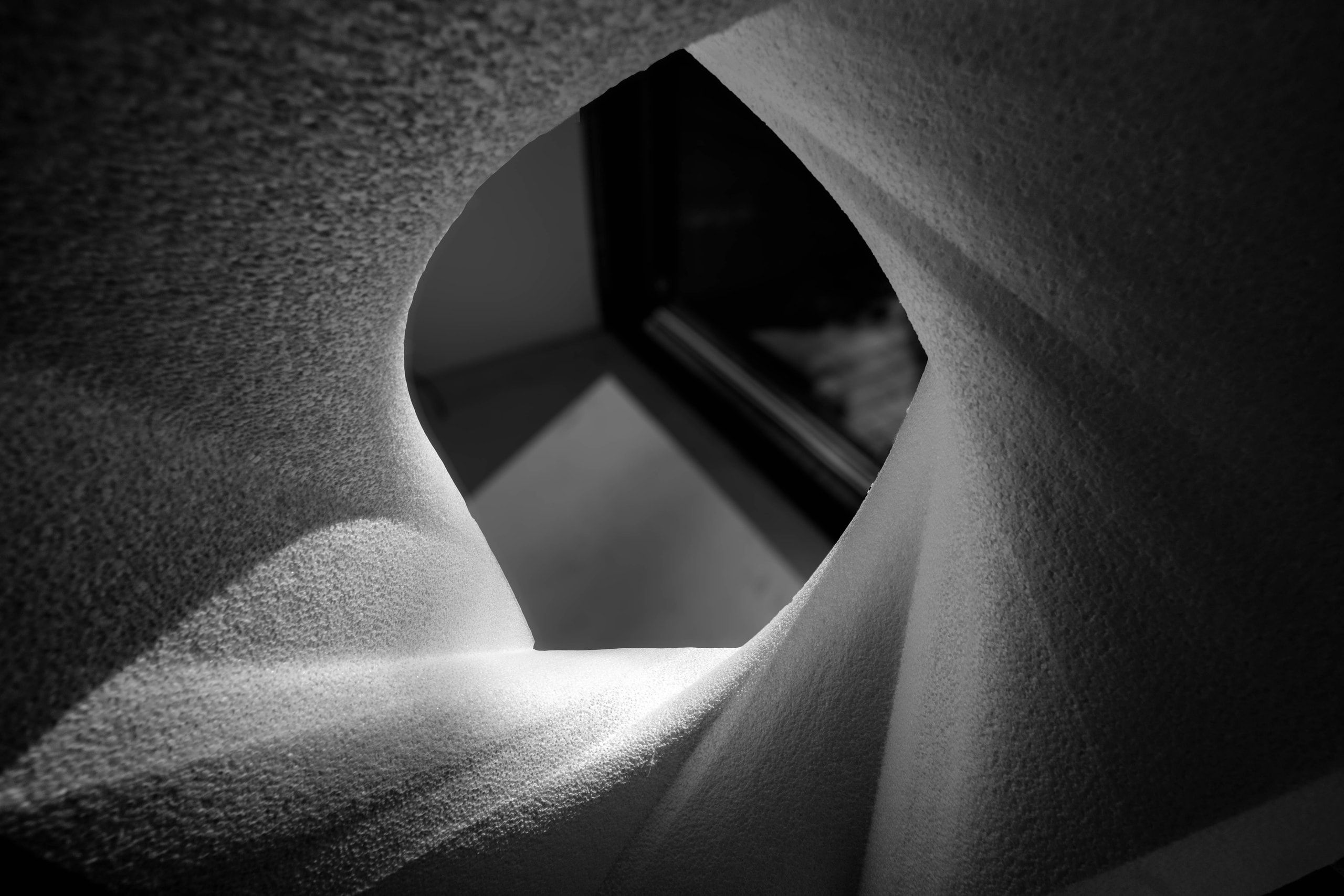
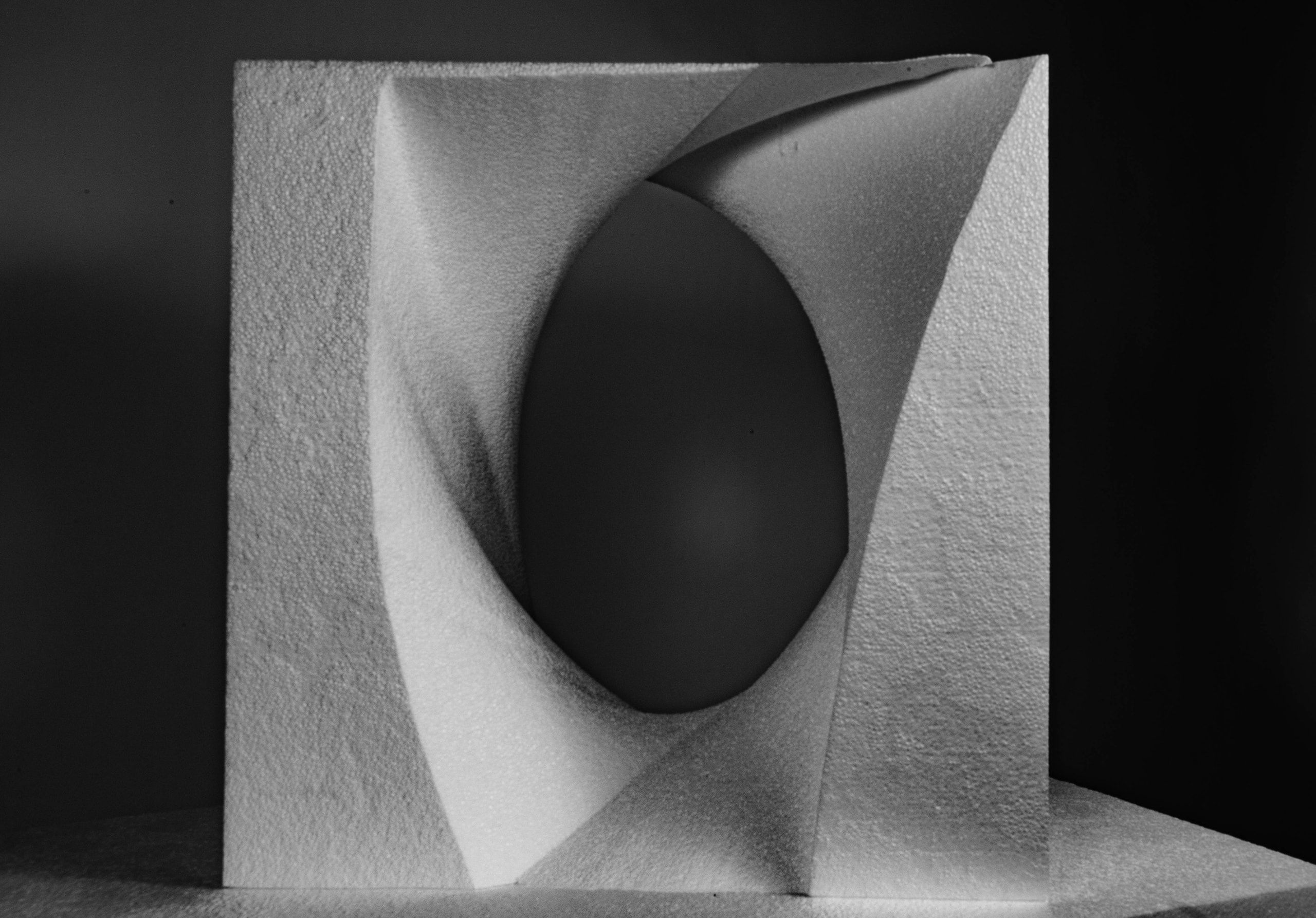
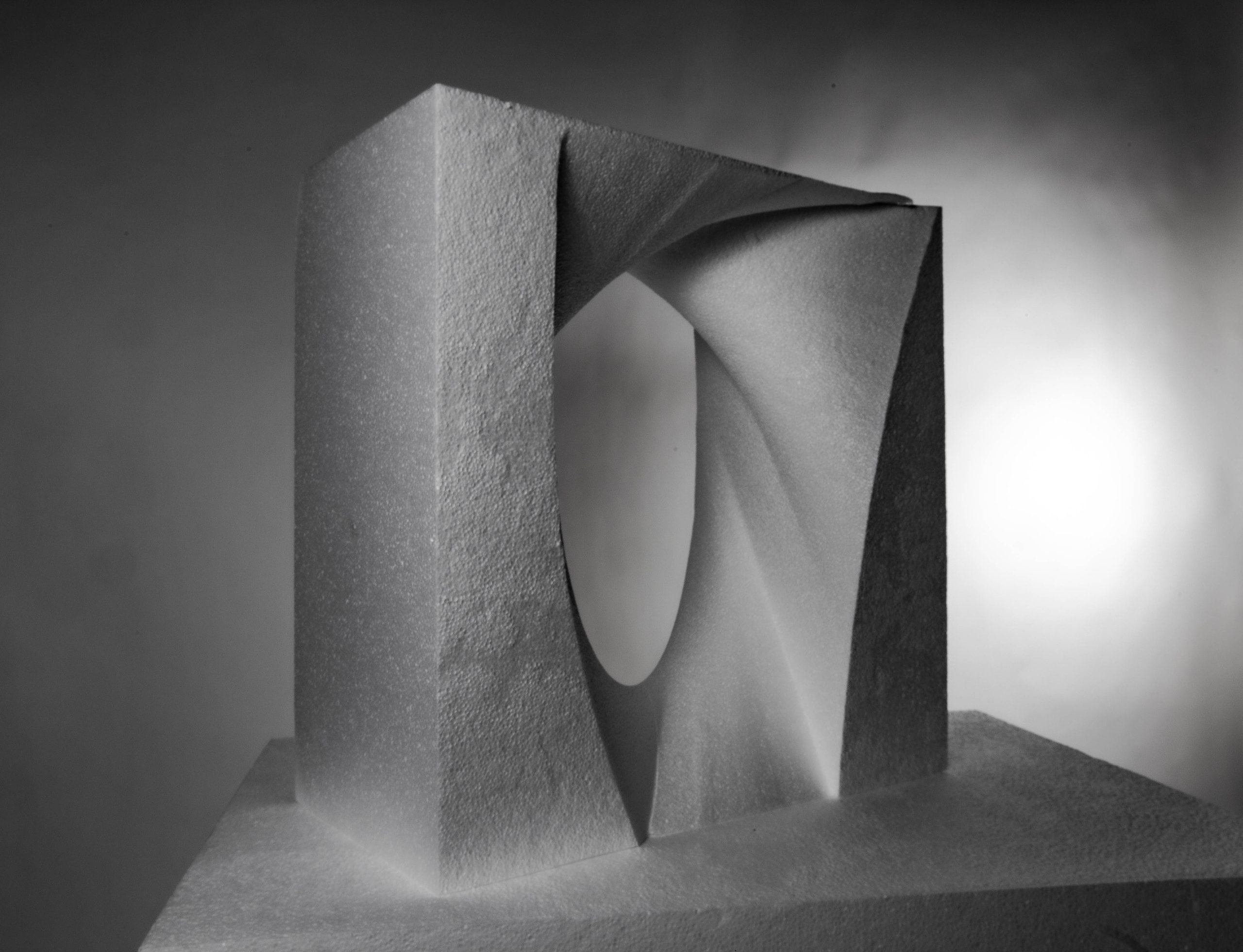
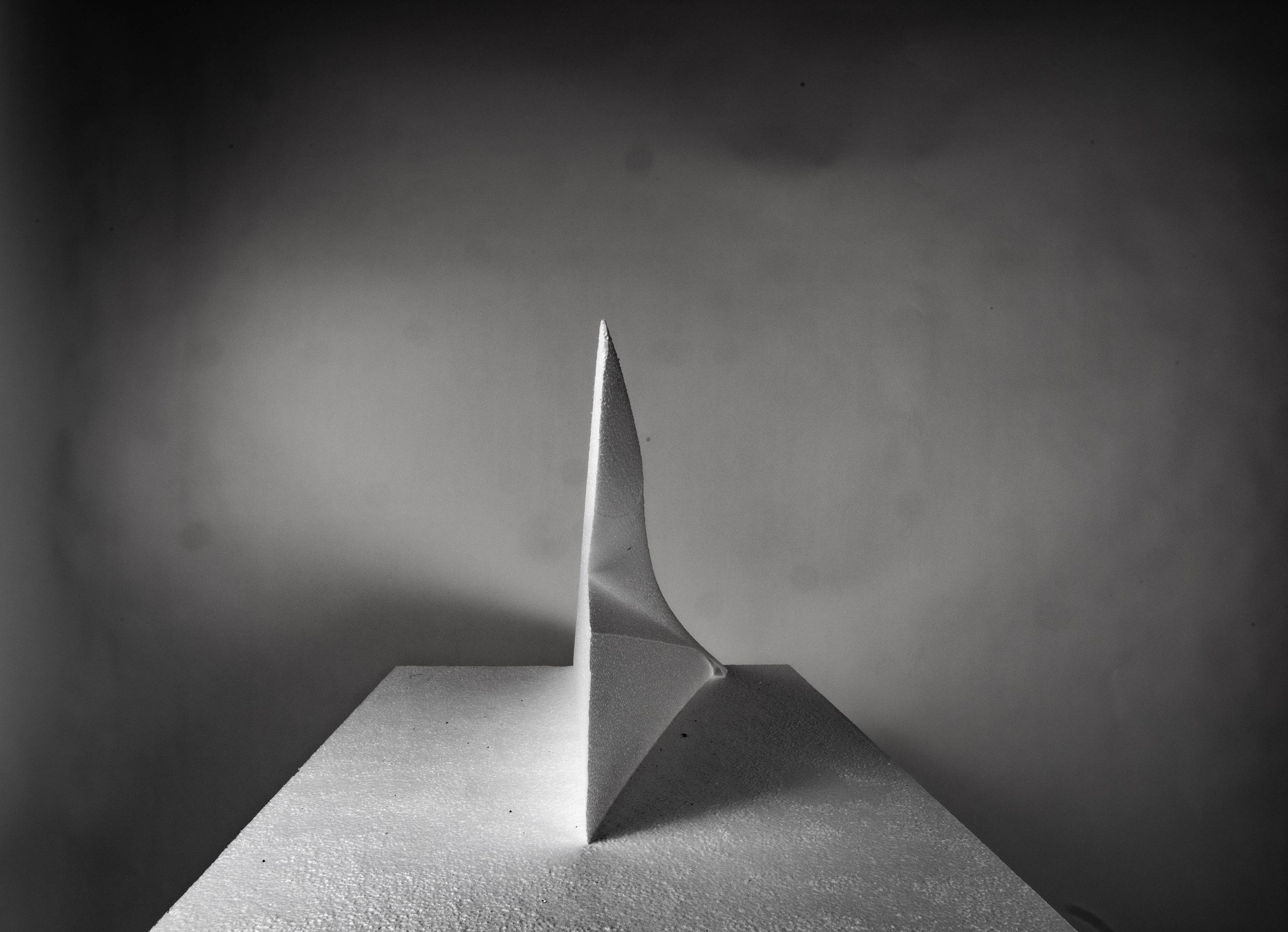
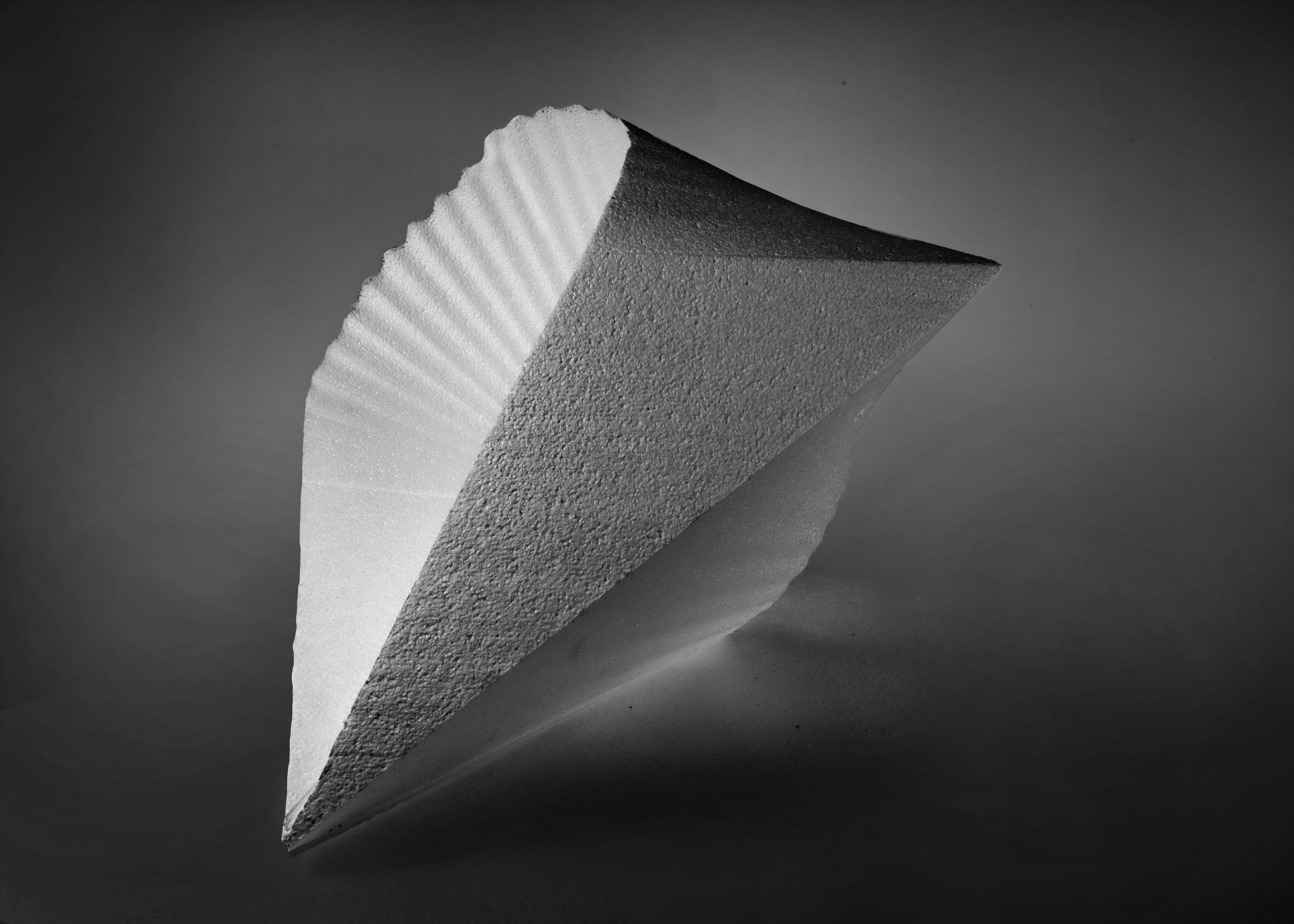
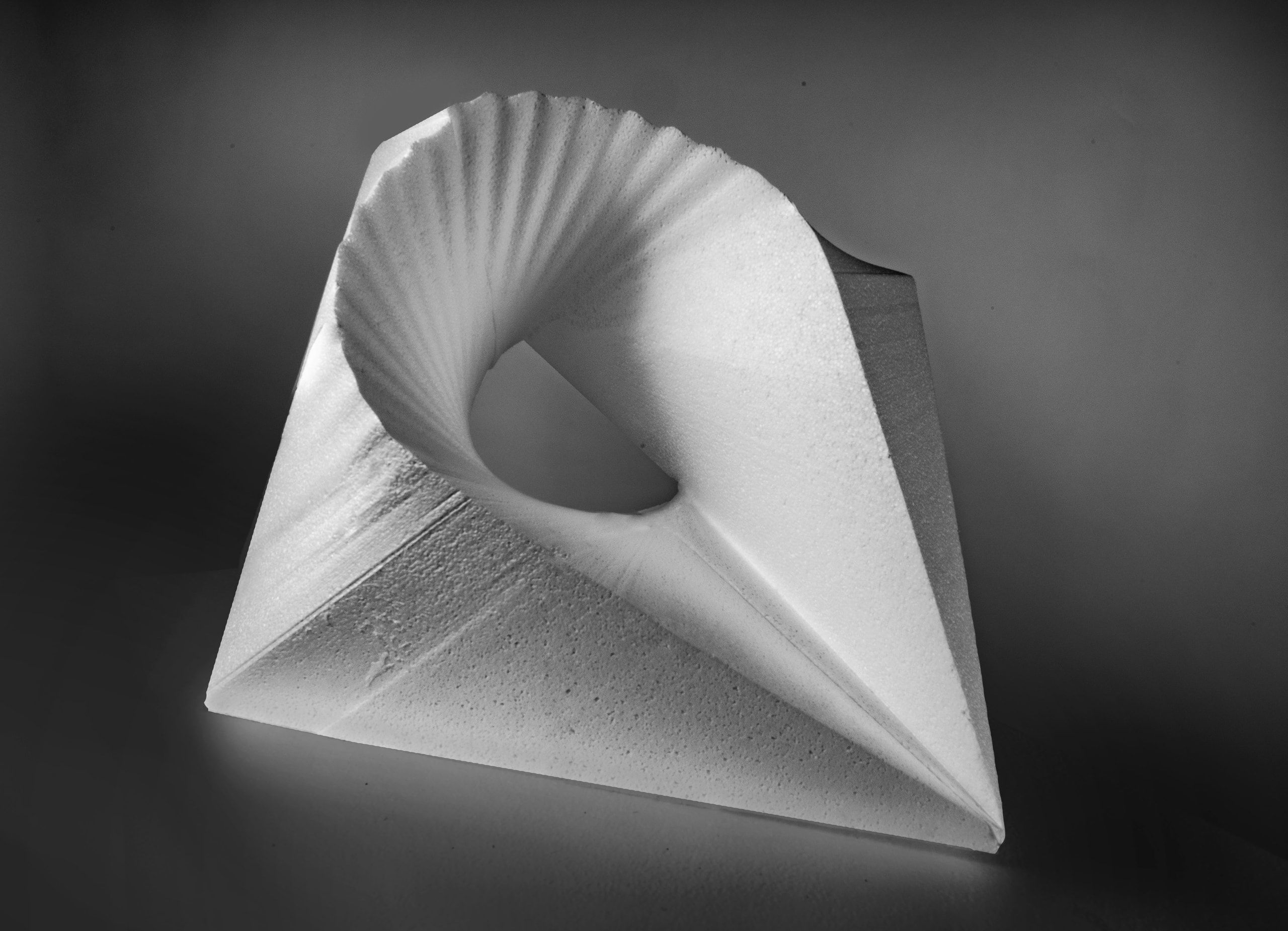
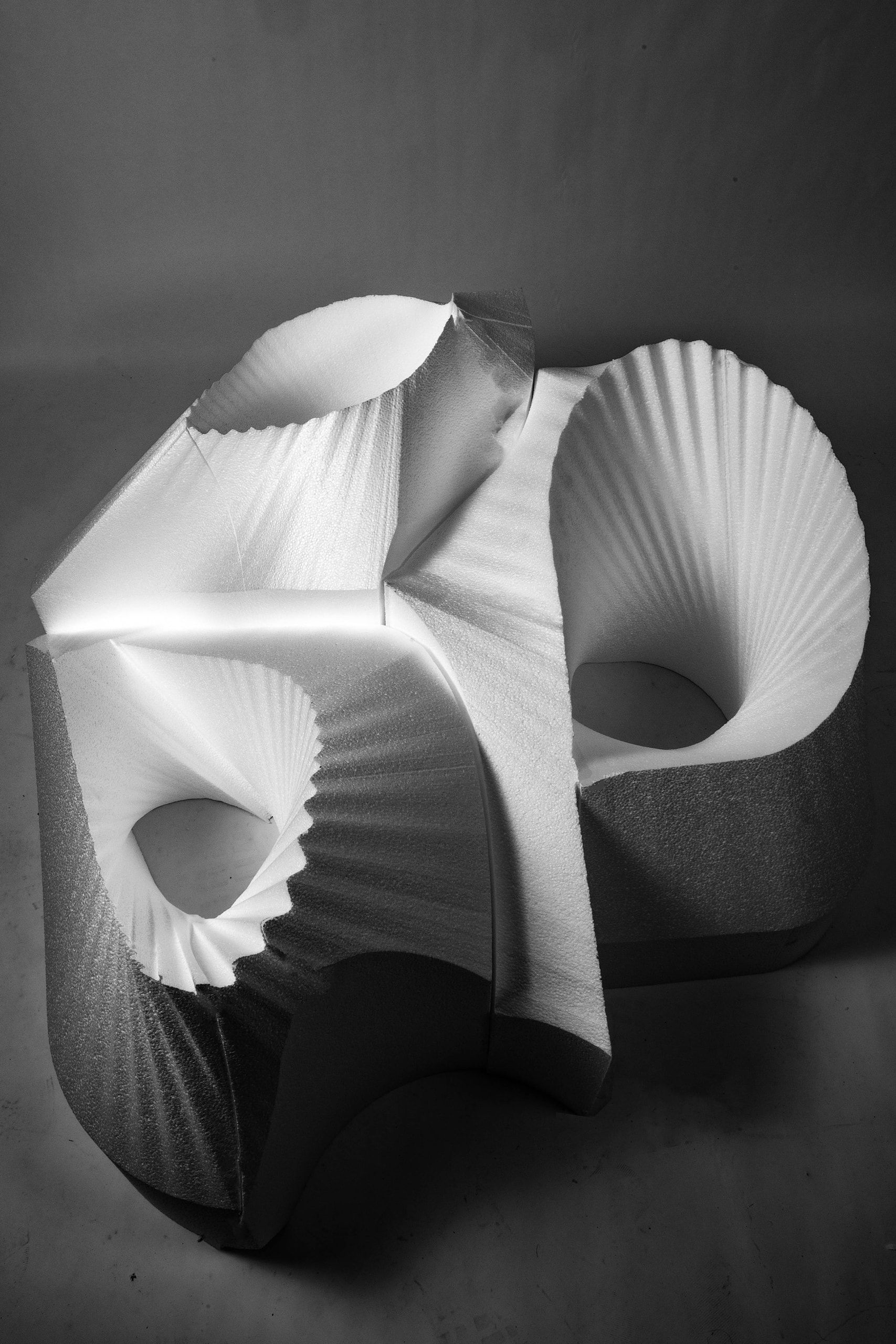
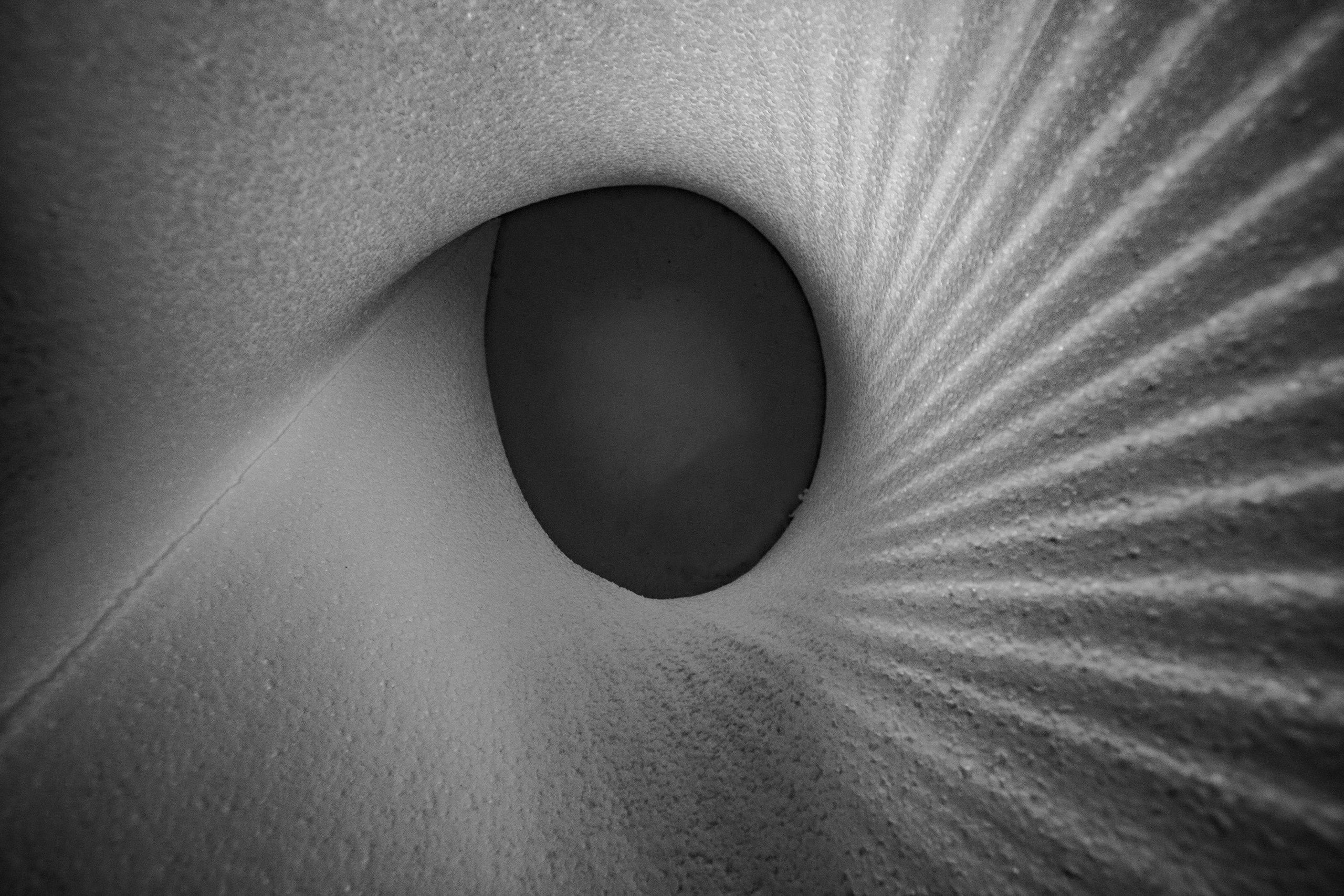
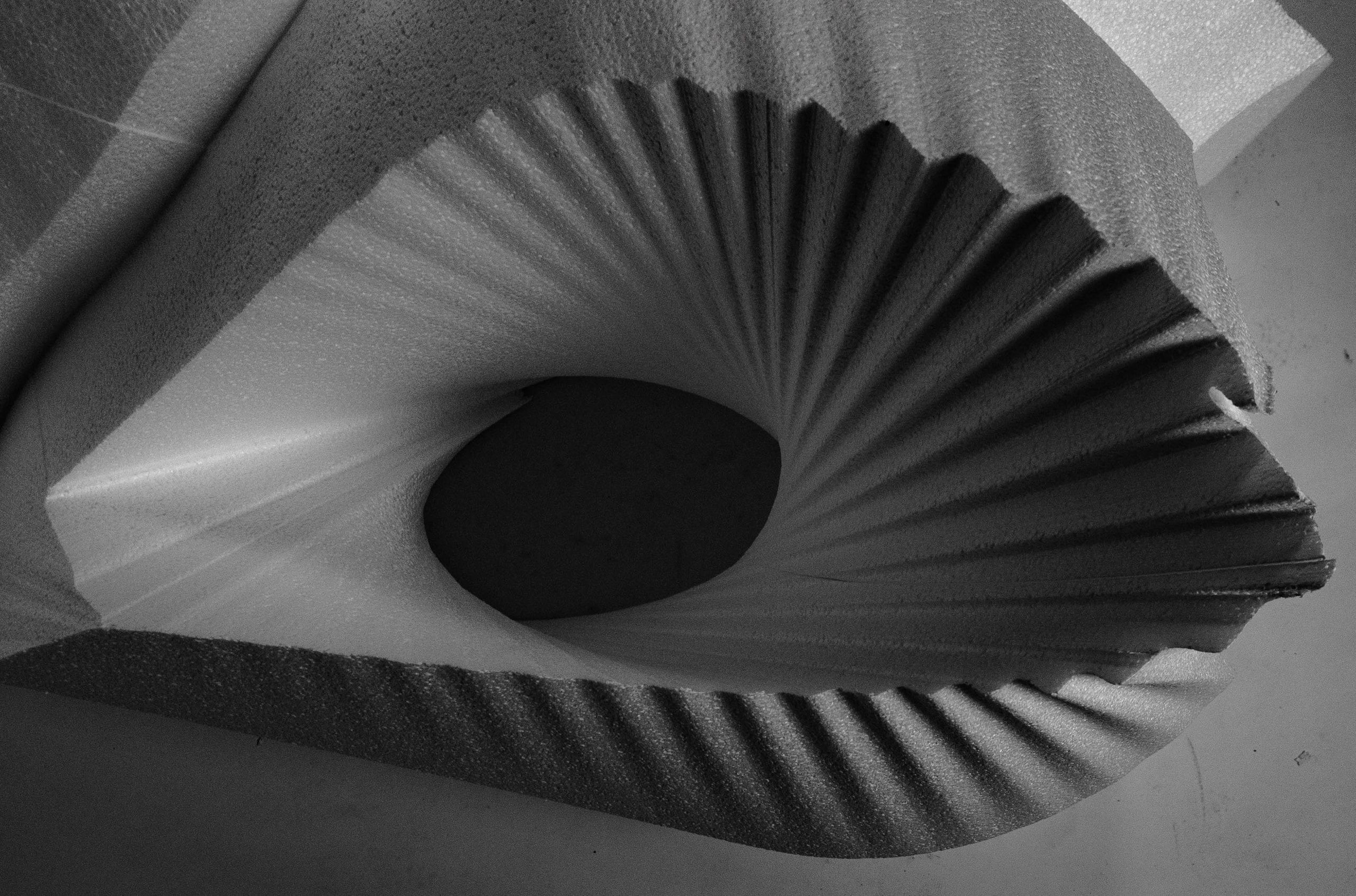
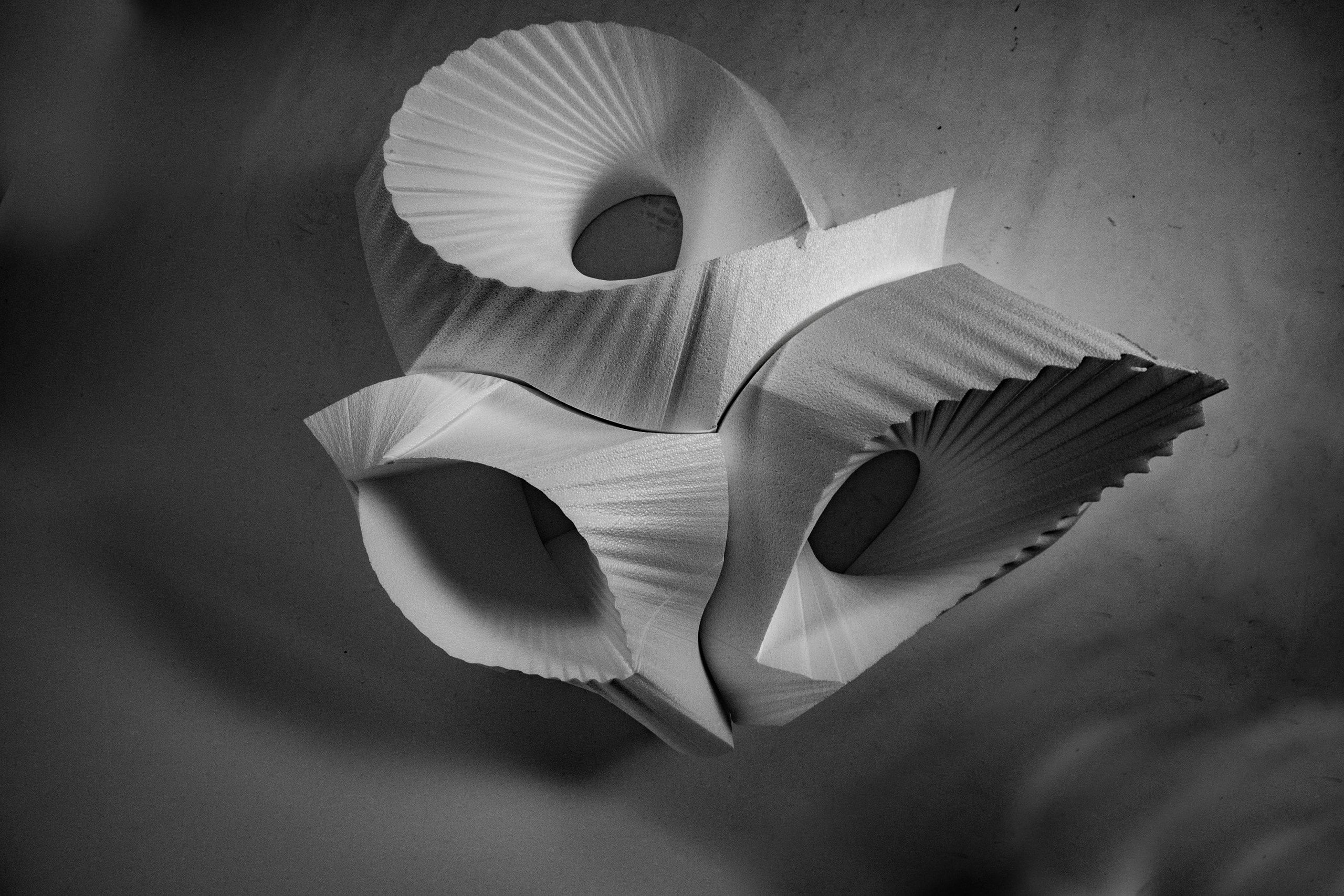
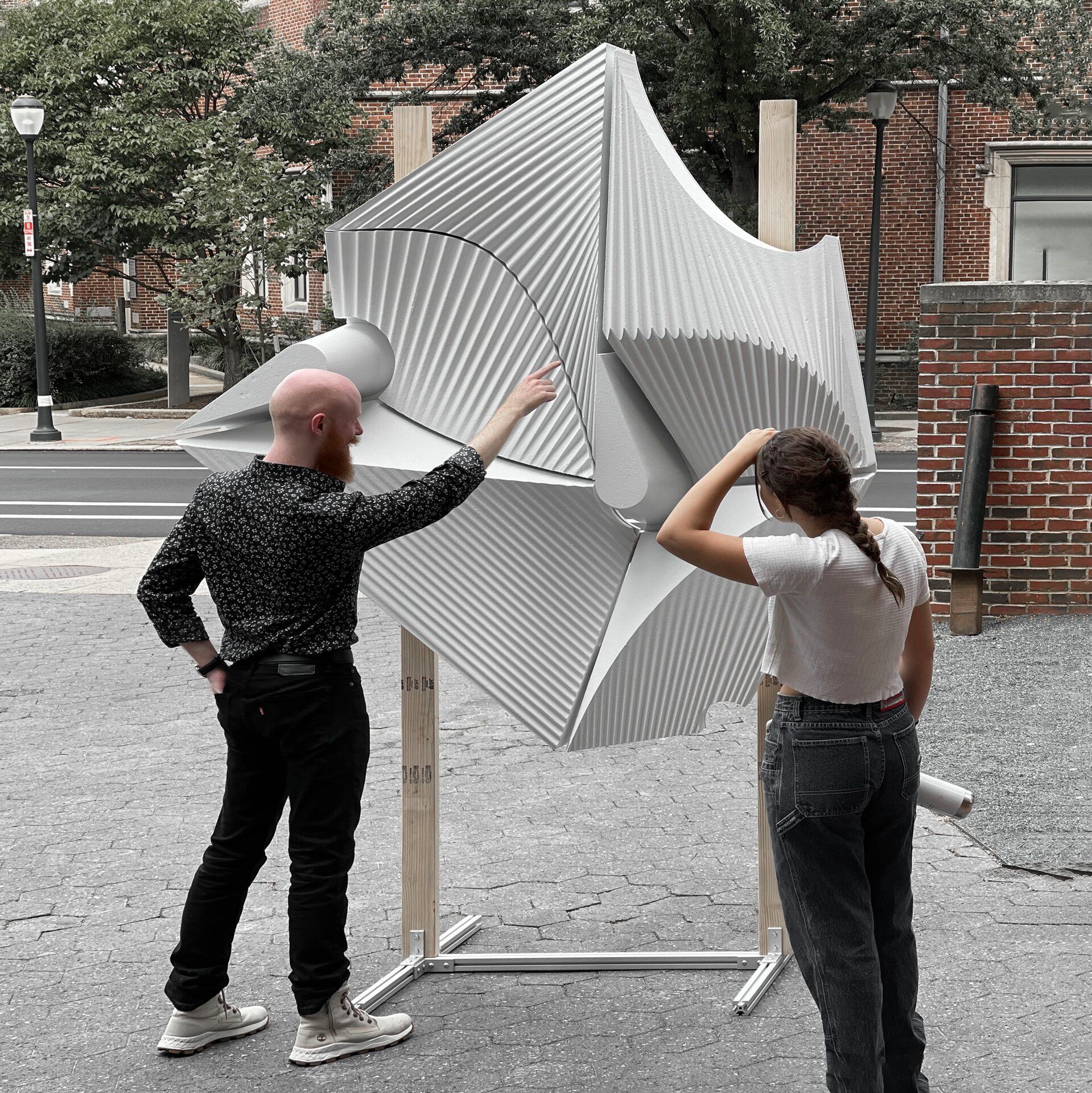
Robotically fabricated via hot wire cutting through EPS foam, exploring the relationship between toolpath geometry and surface quality.
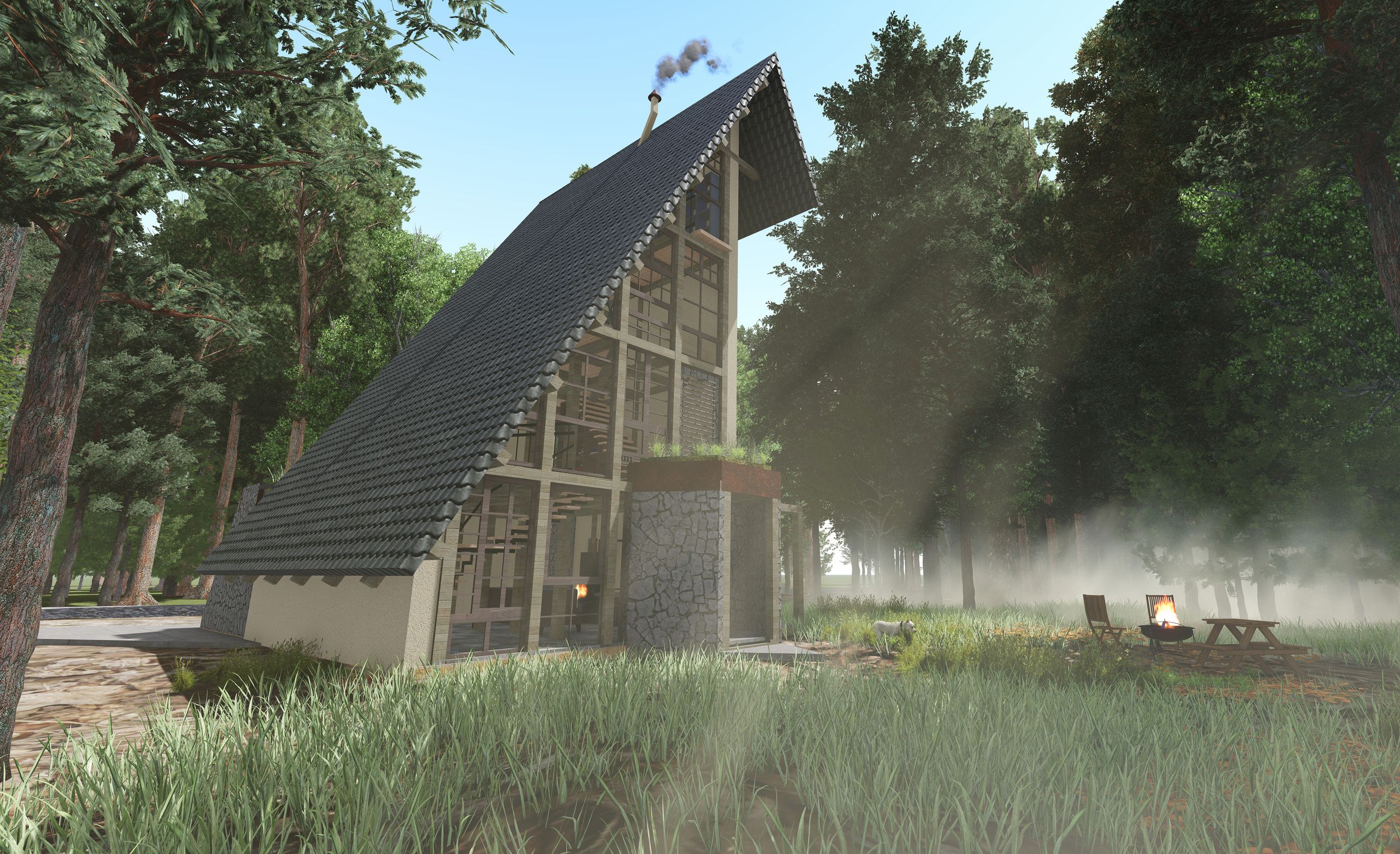
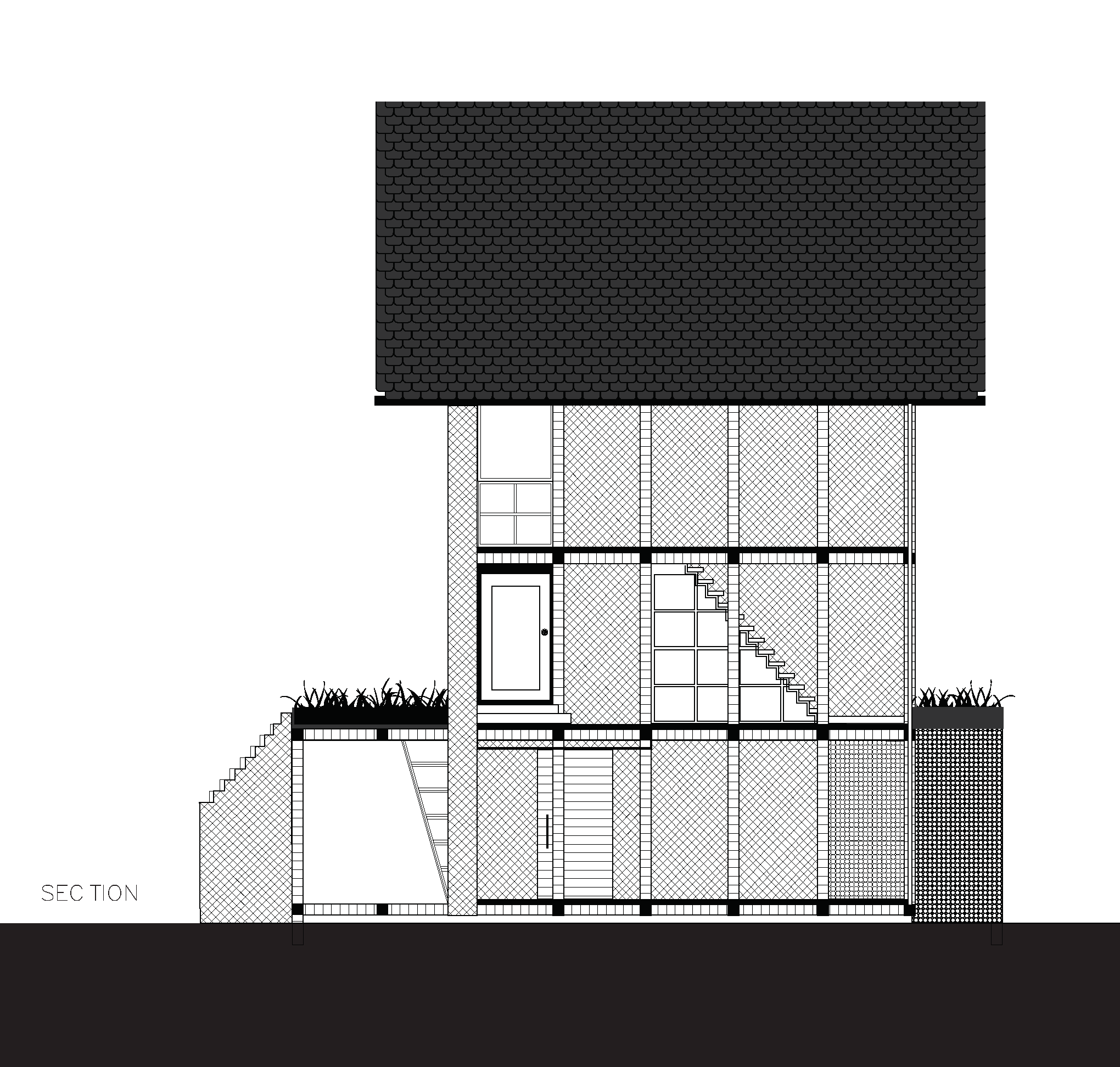
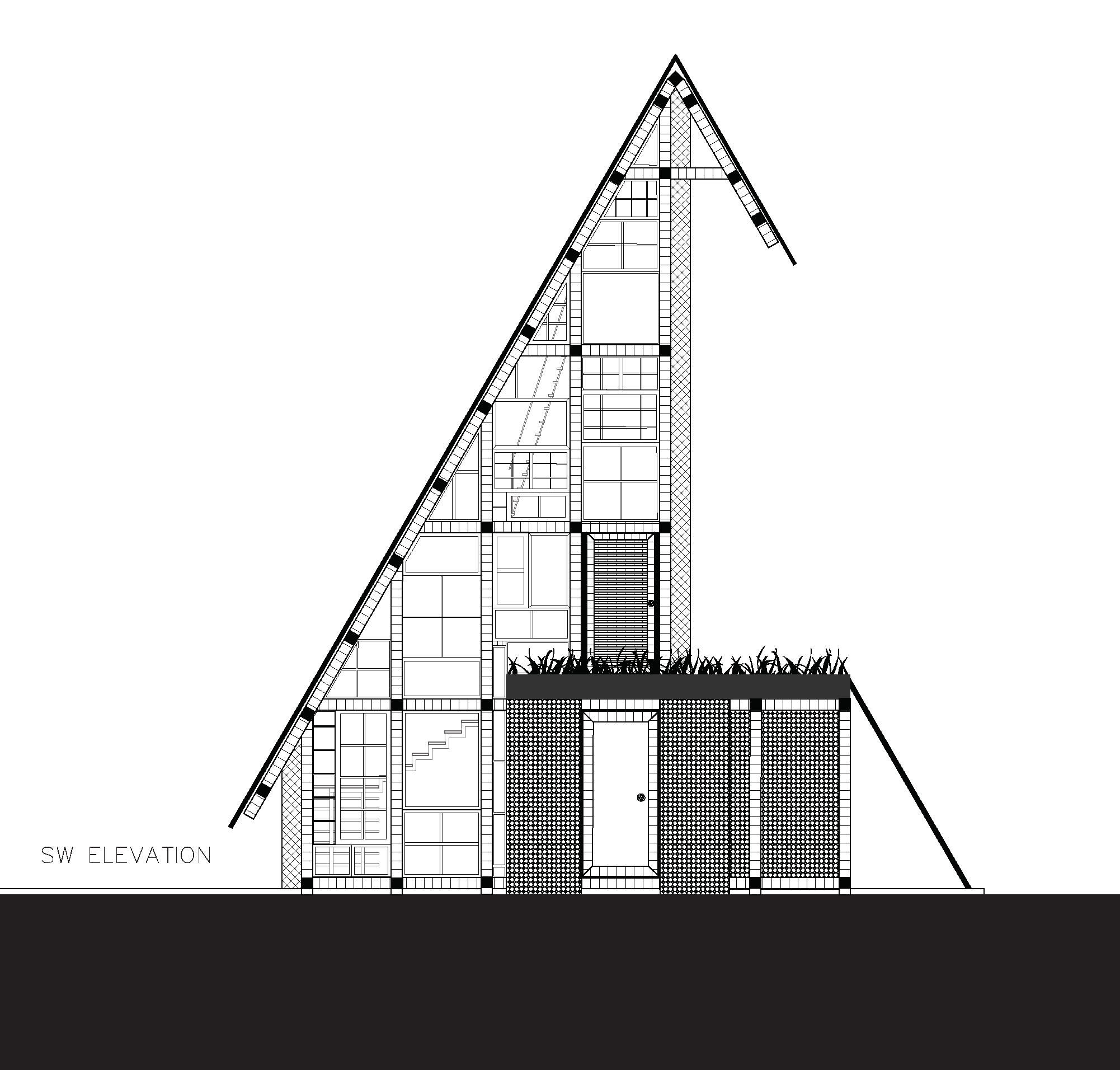
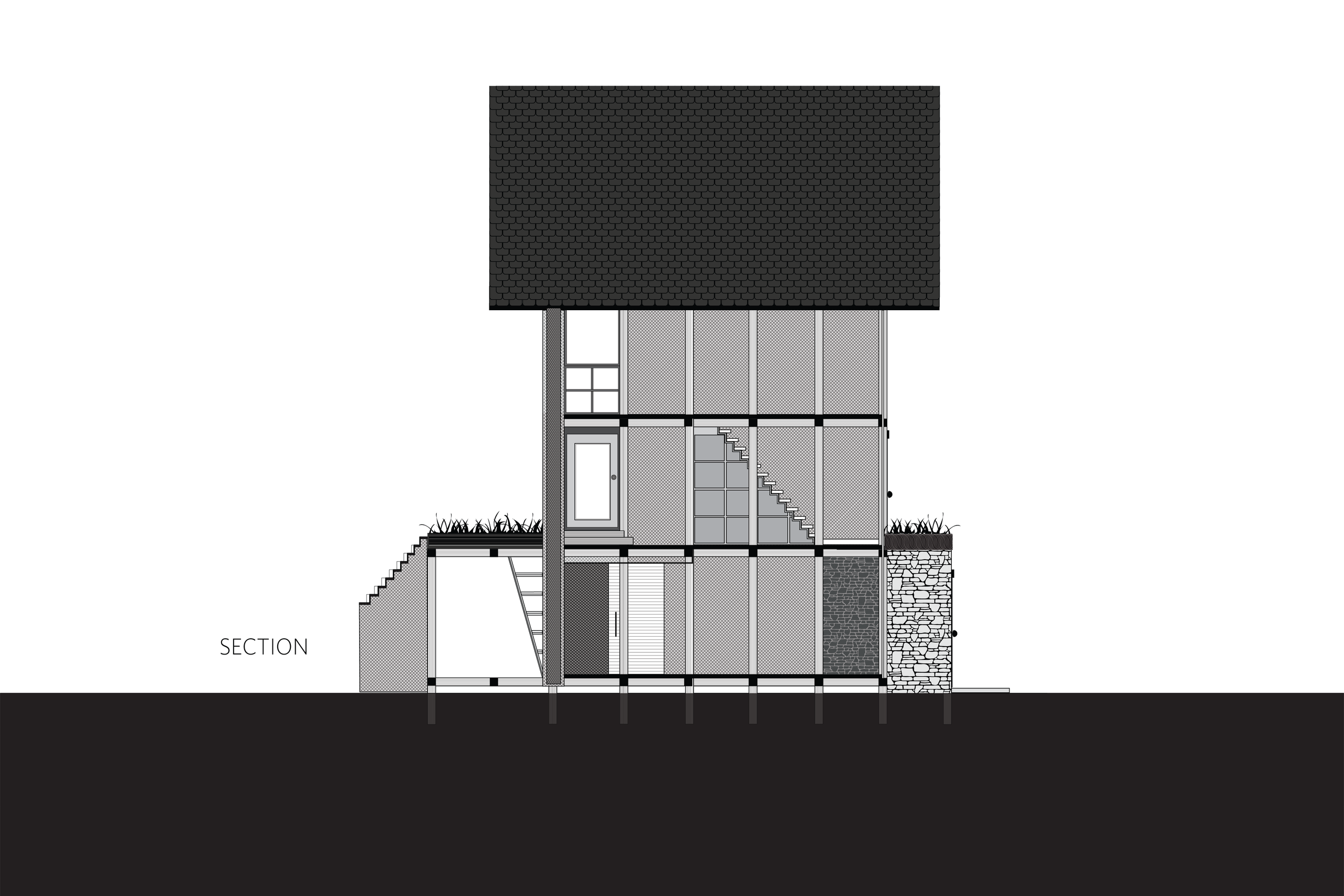
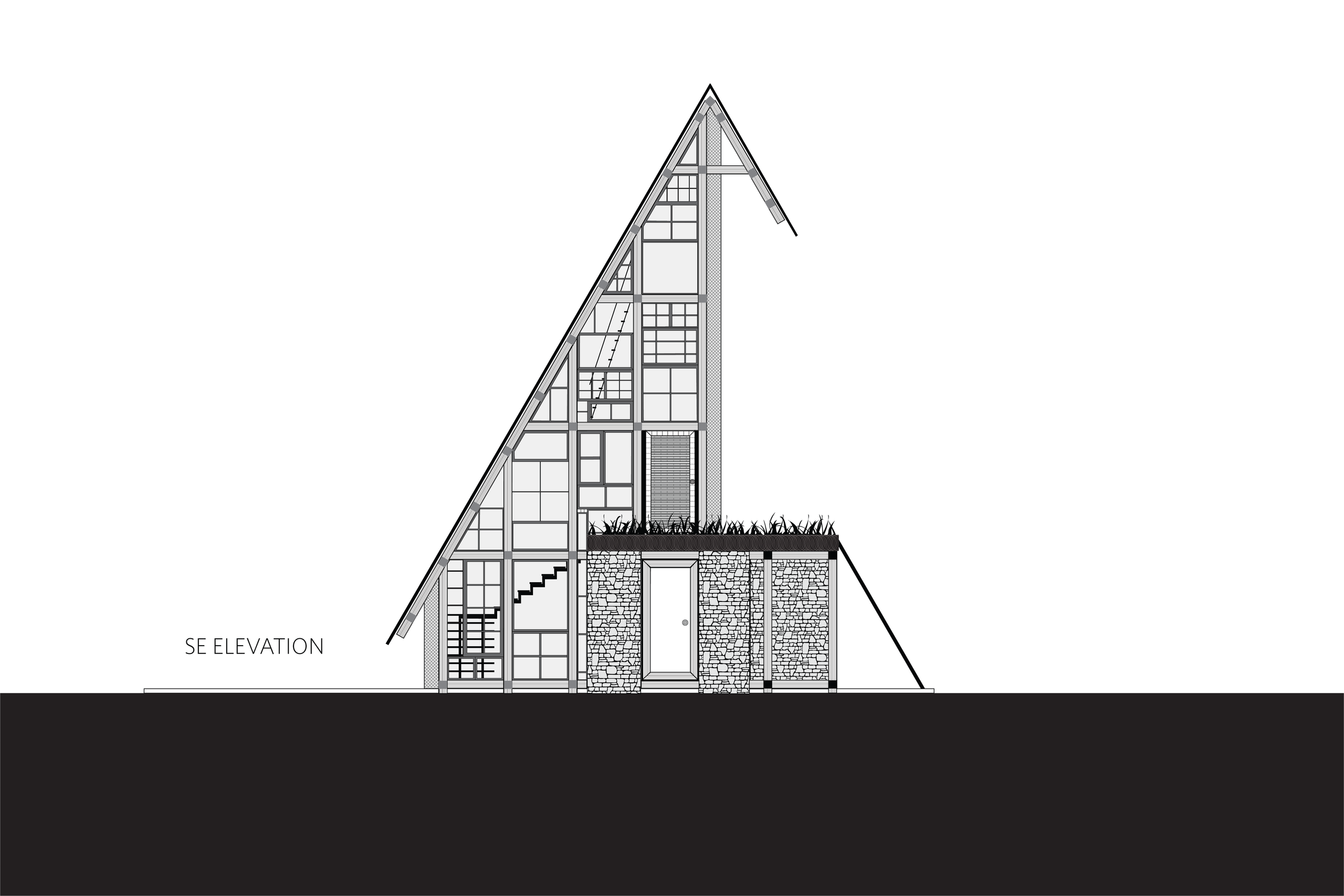
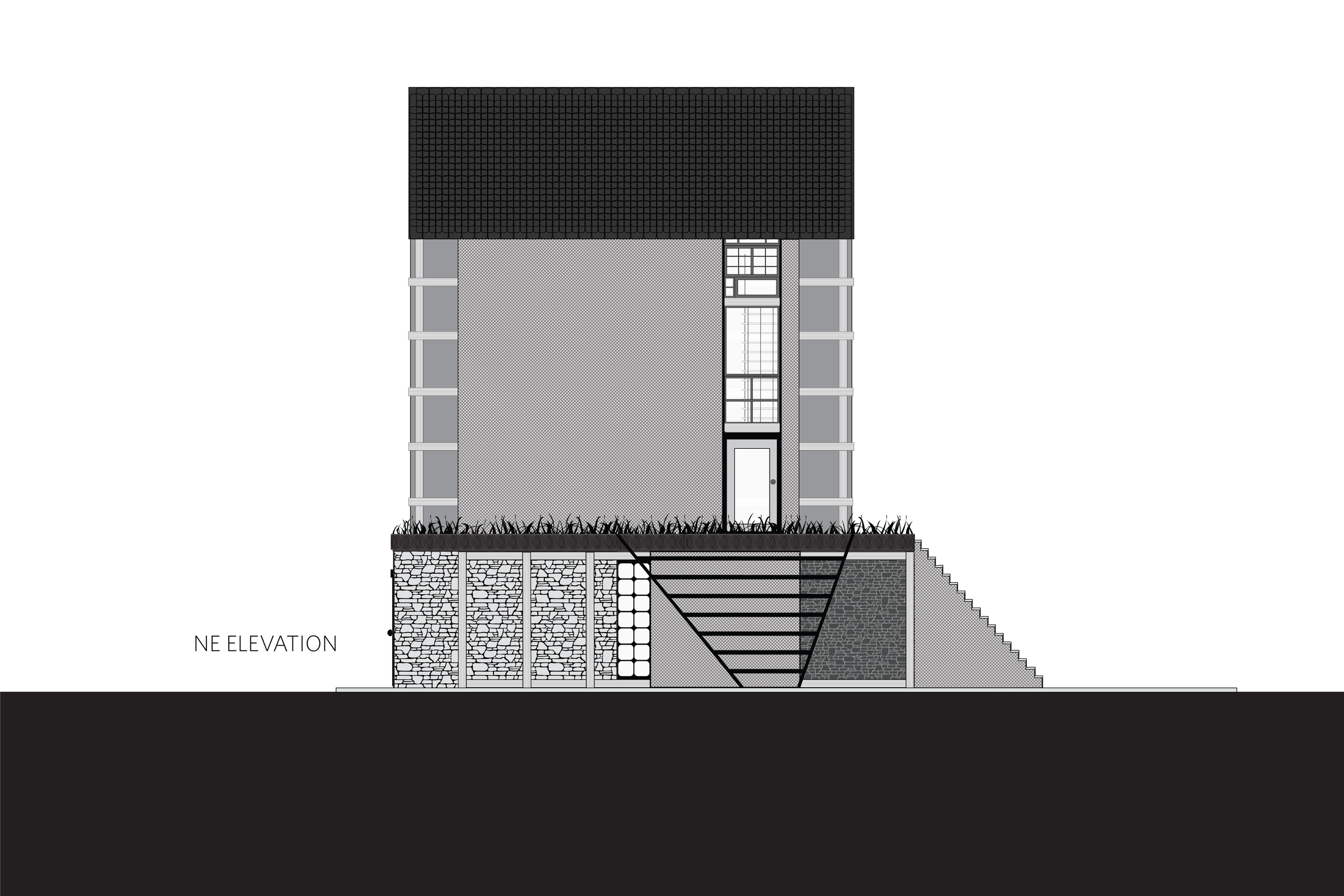
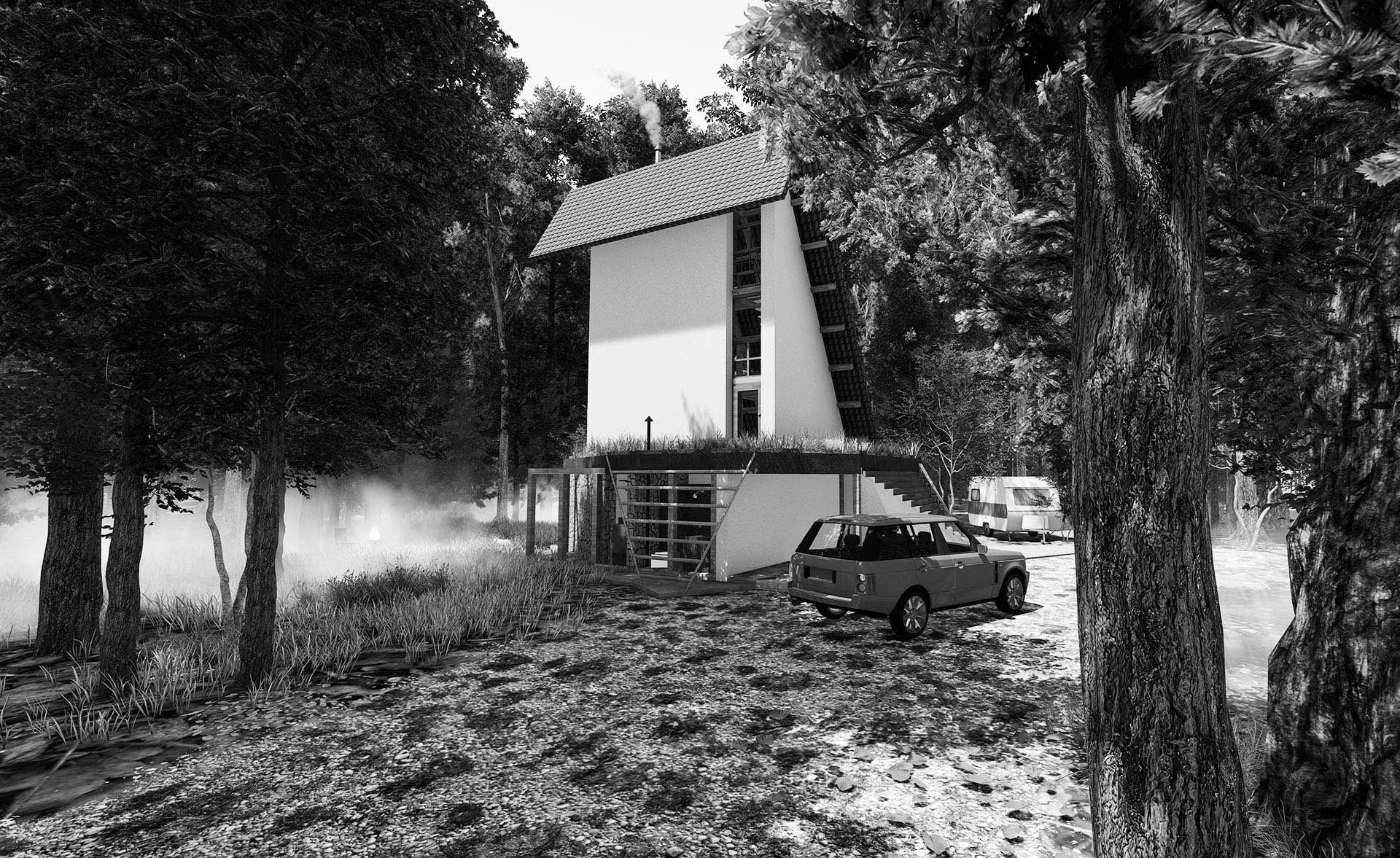
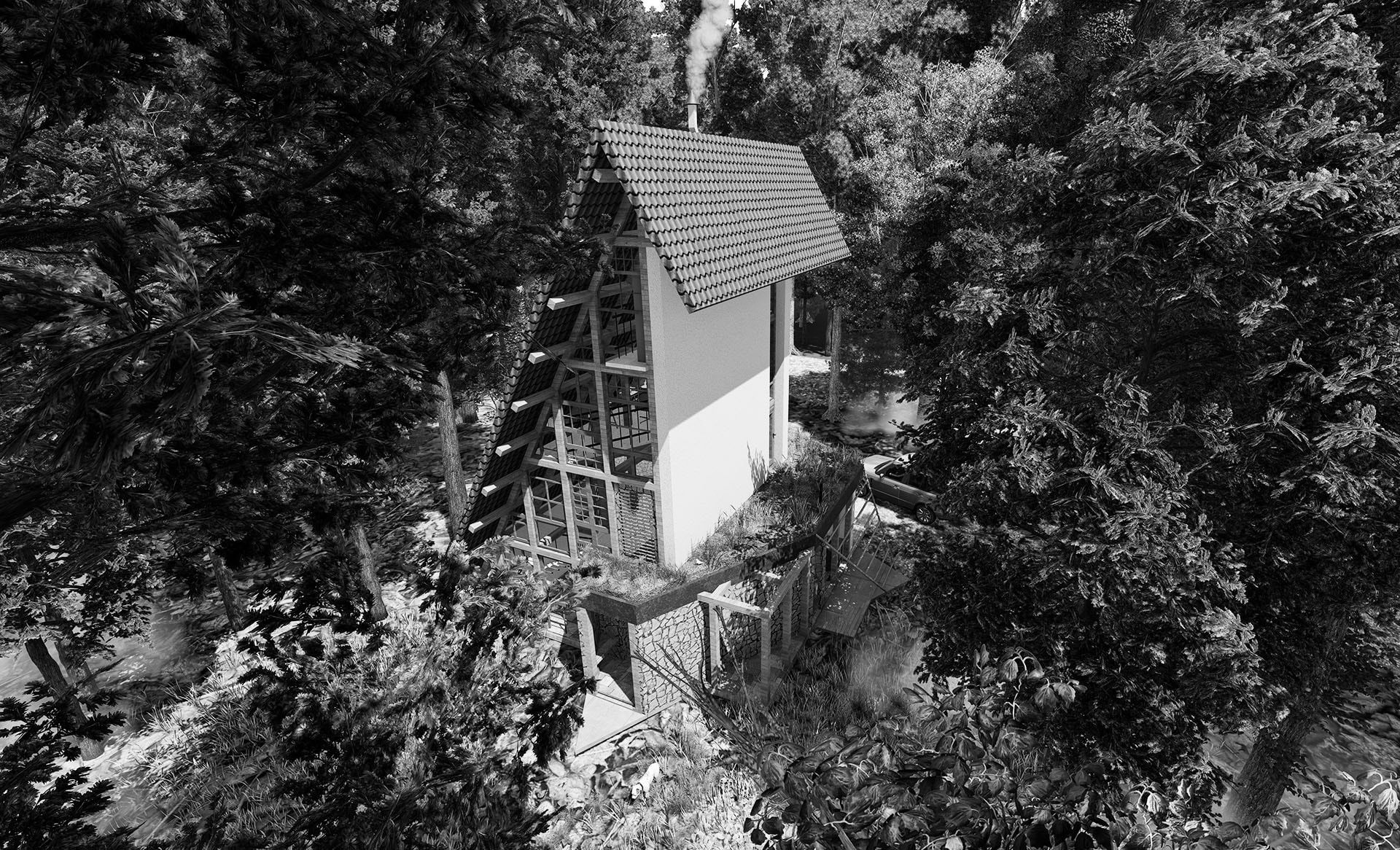
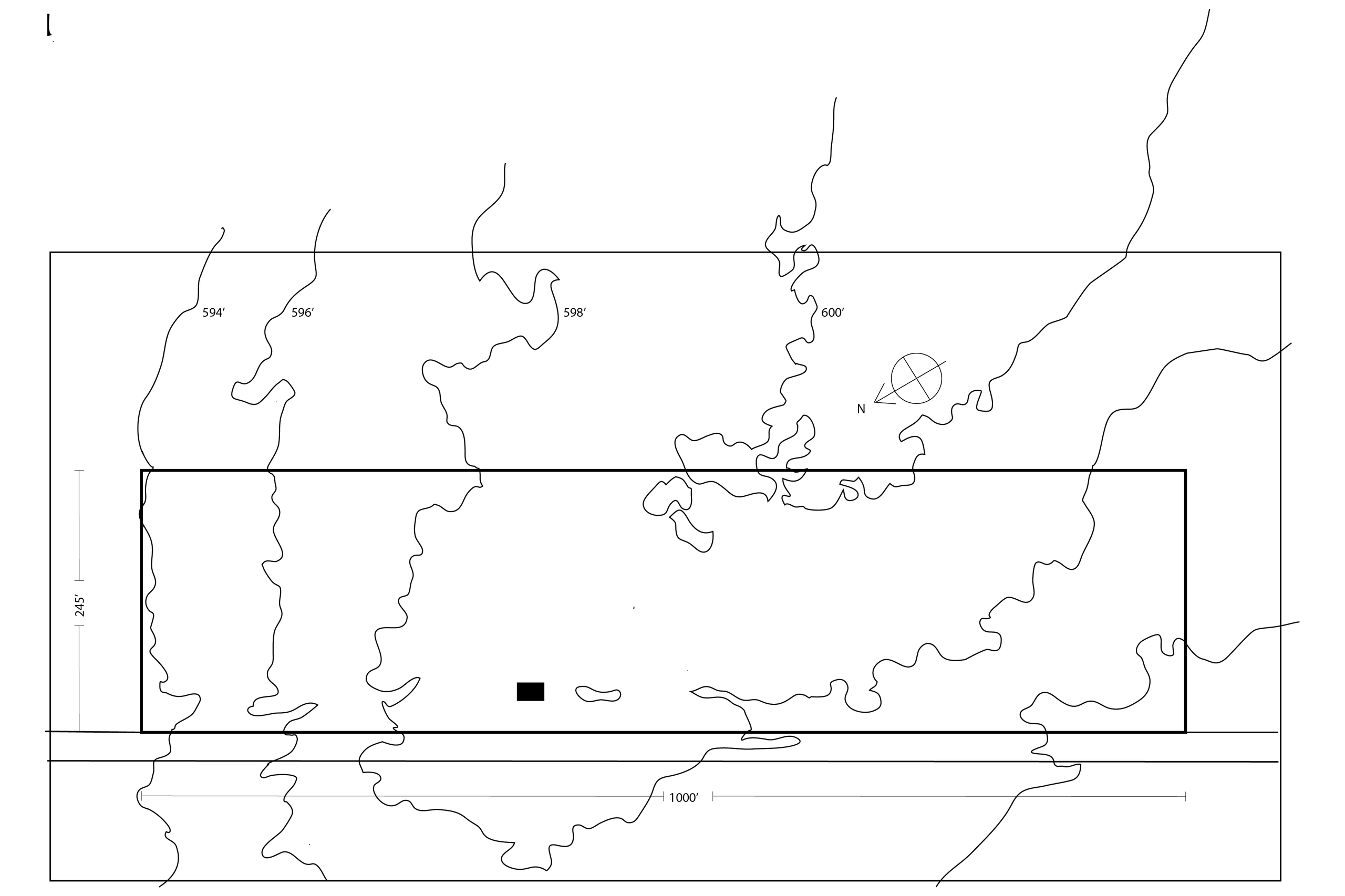
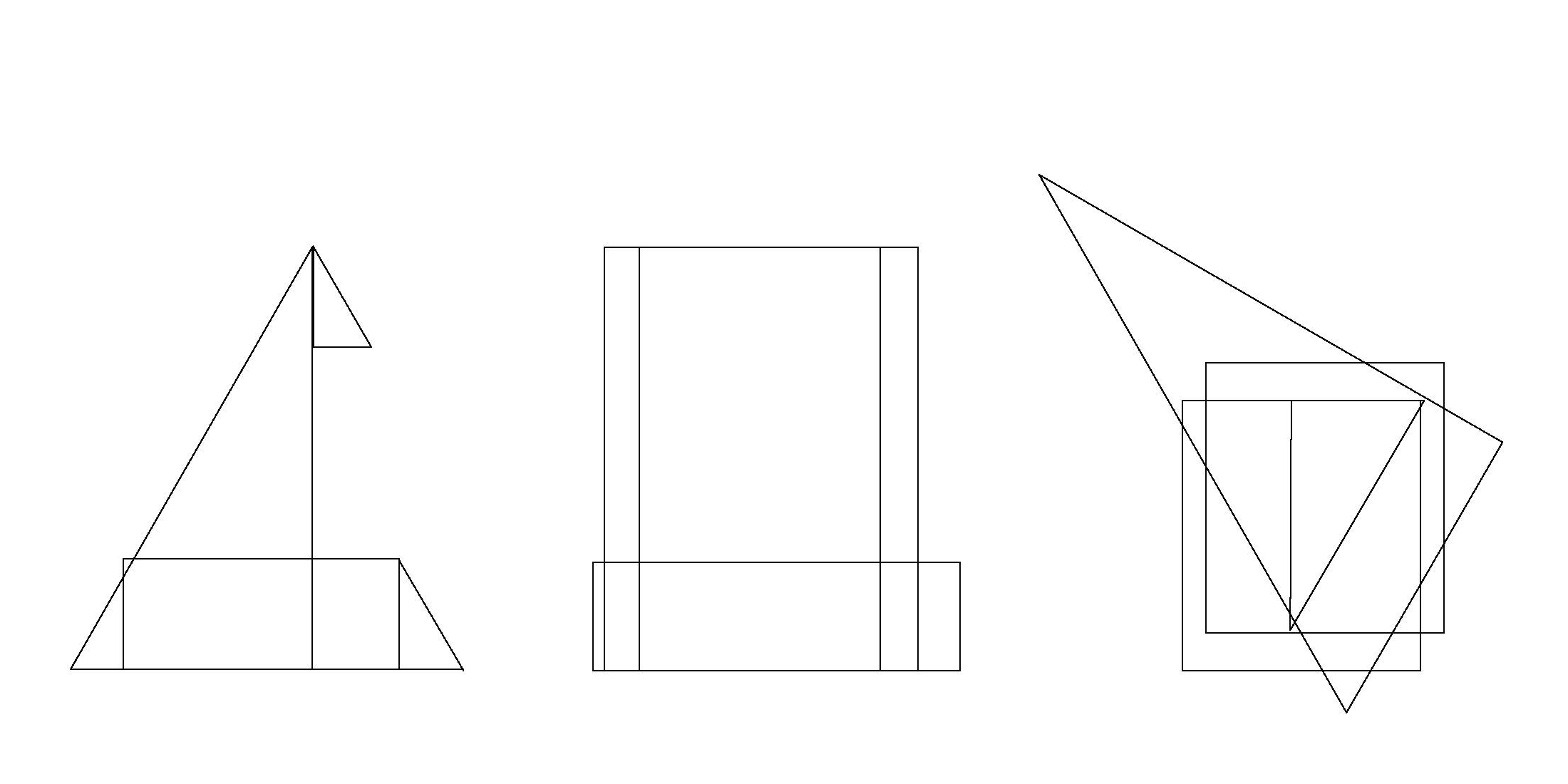
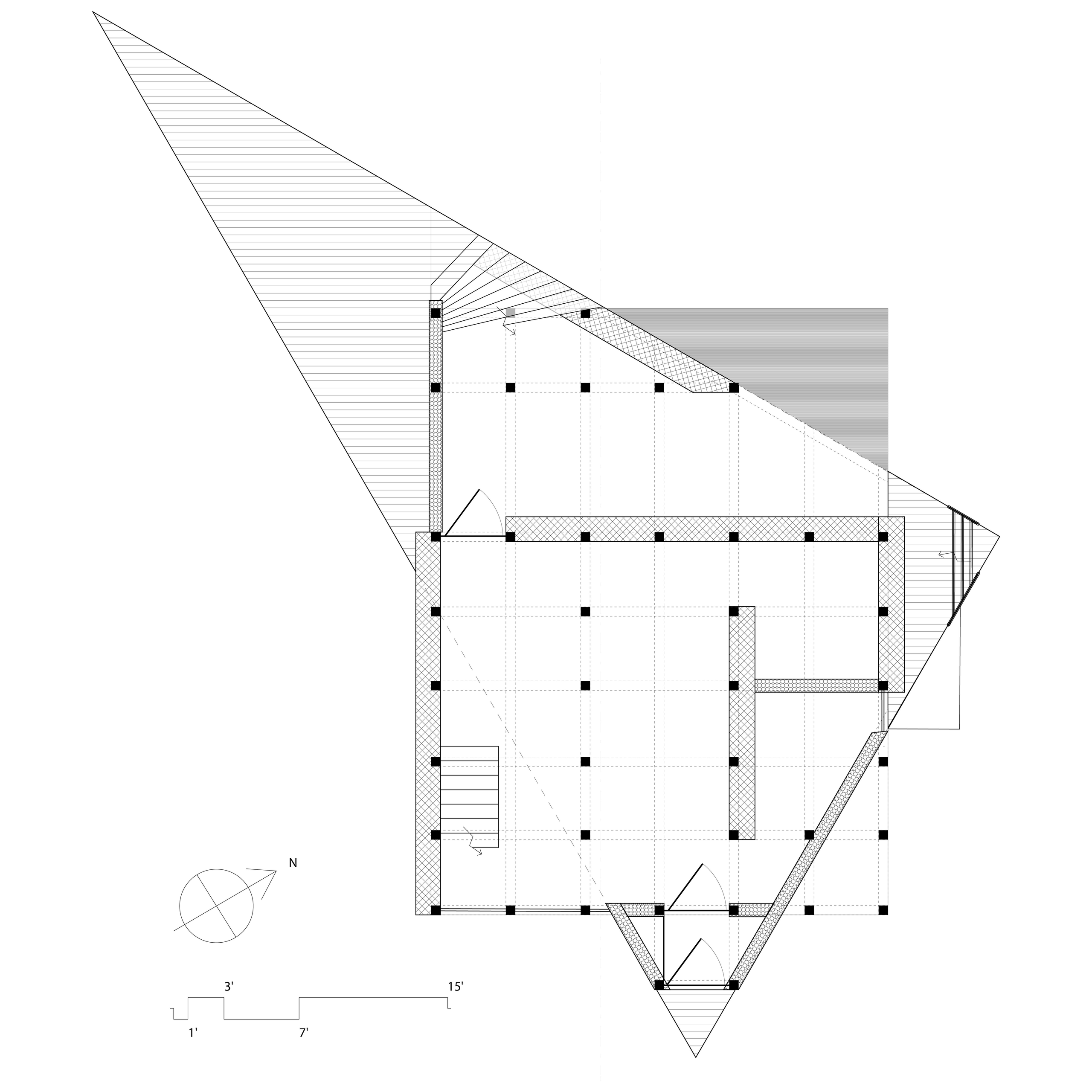
A residential design for a remote coastal site in Grand Isle, Maine, integrating topographic analysis with intimate domestic space.
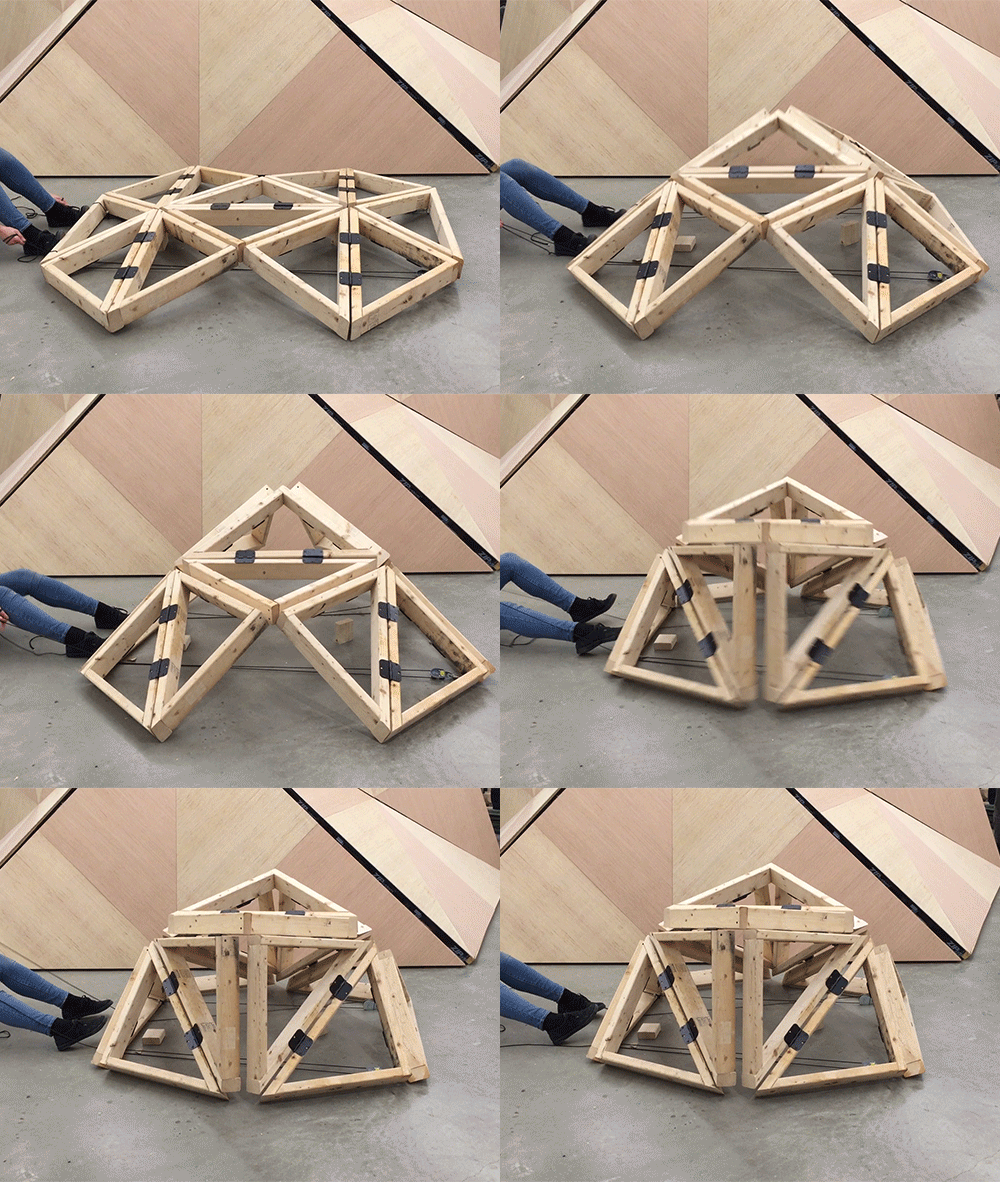
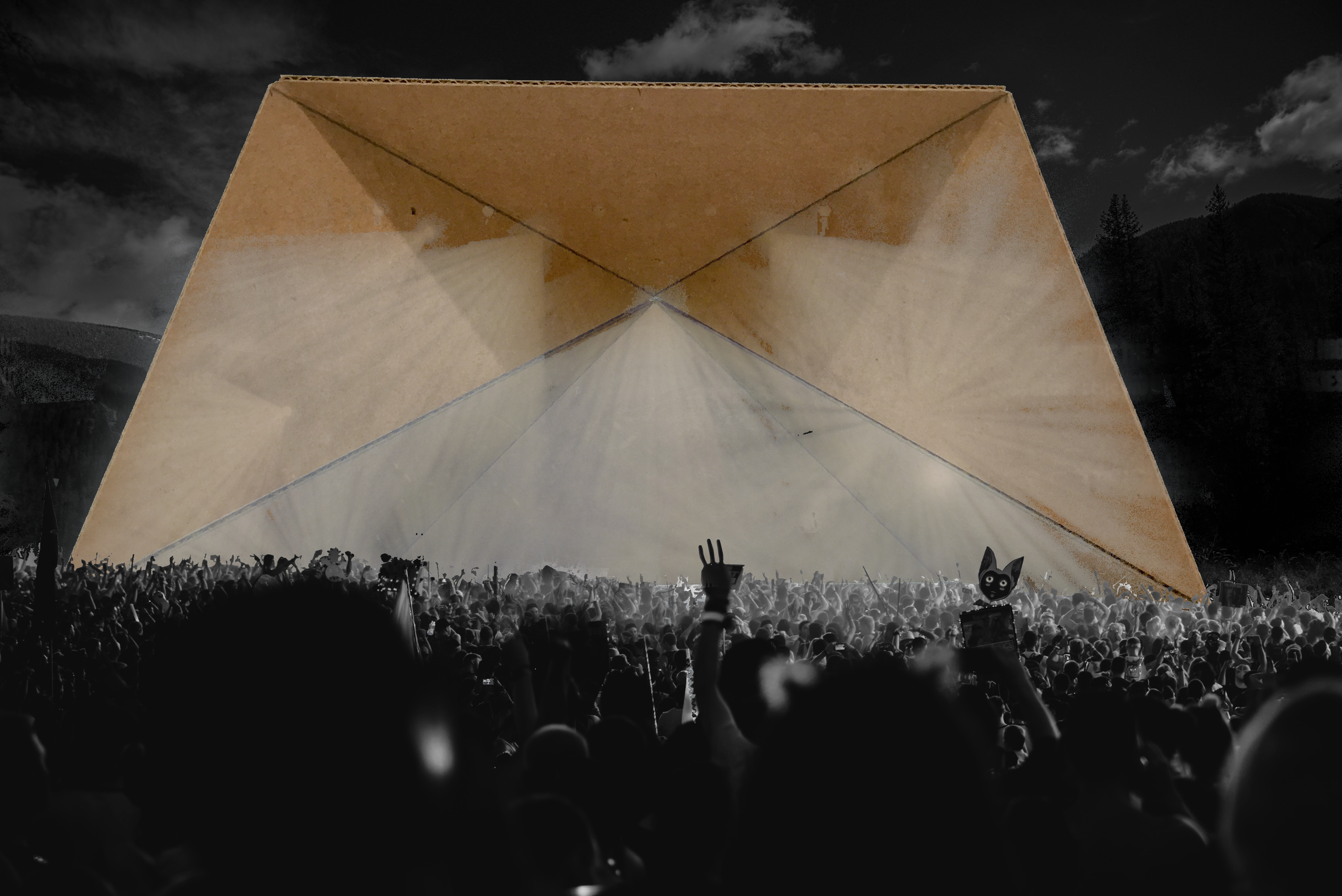
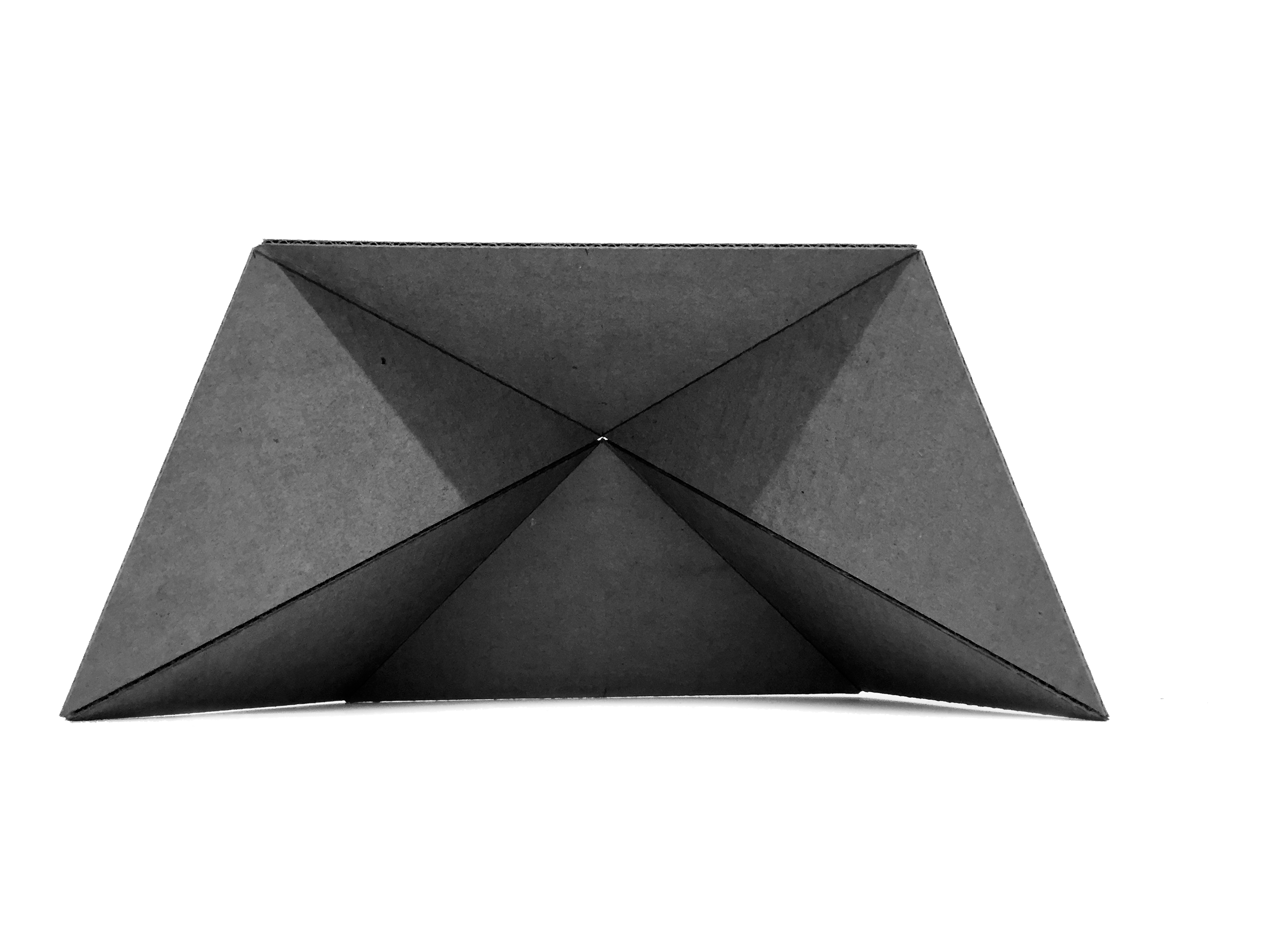
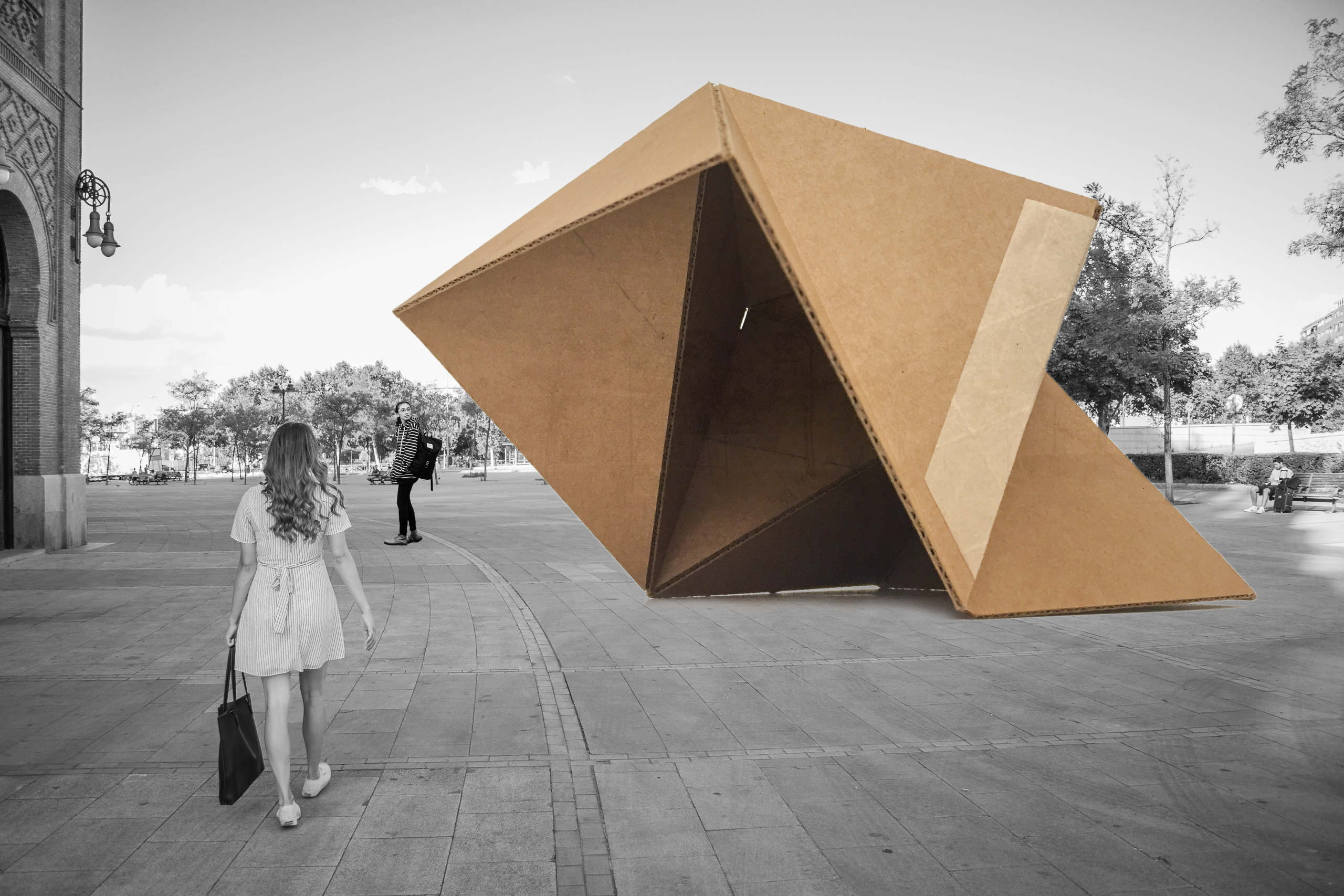
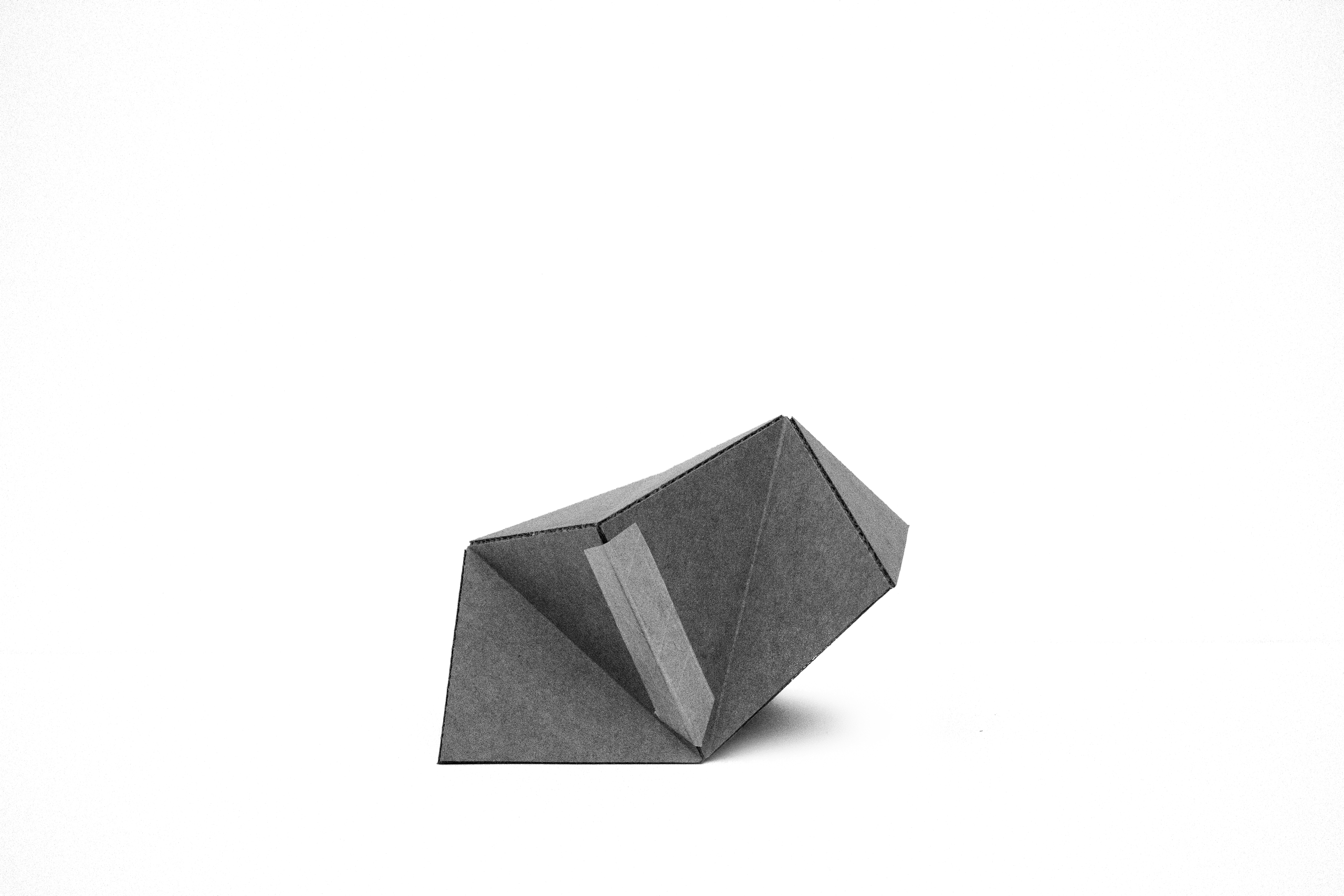
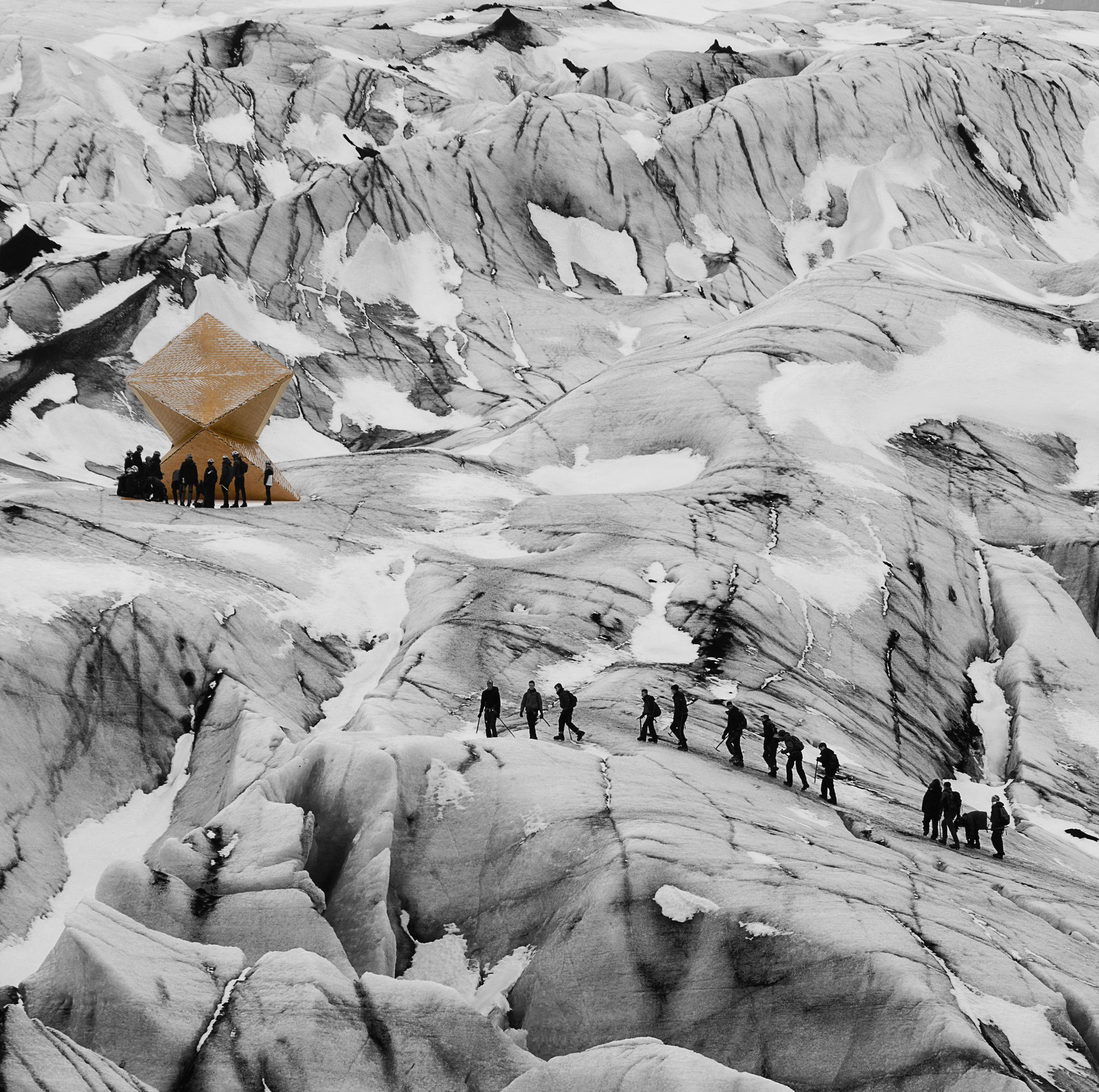
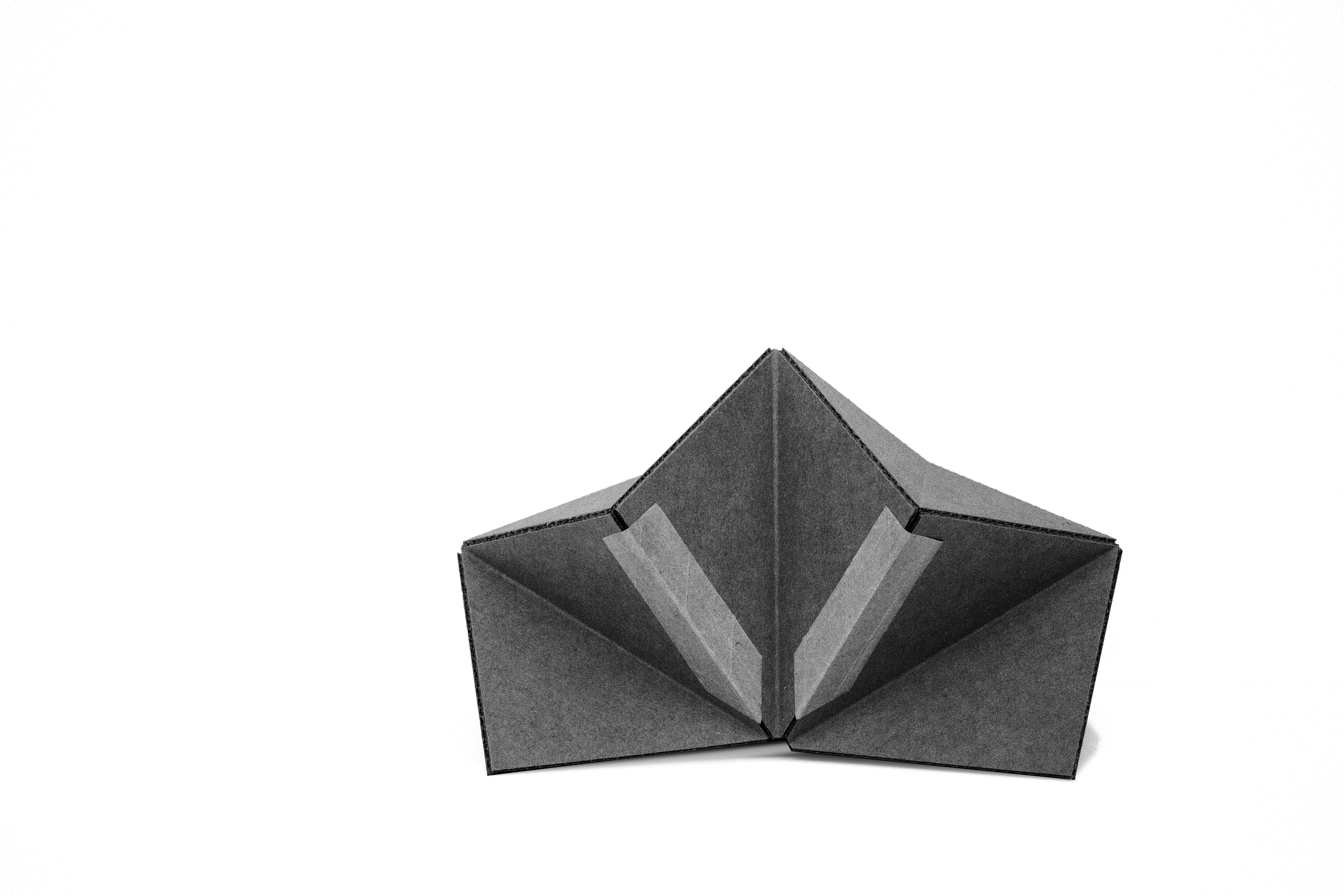
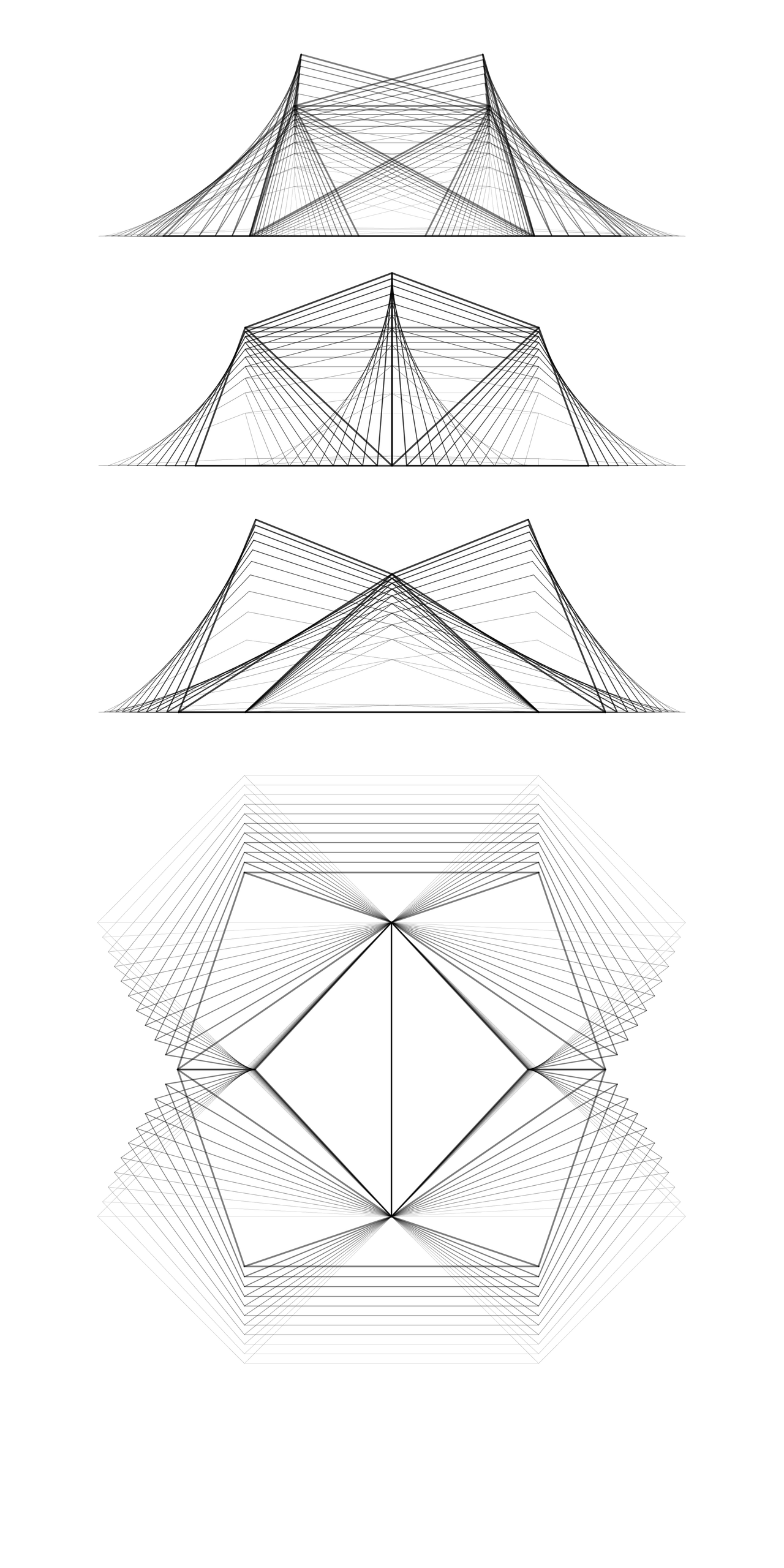
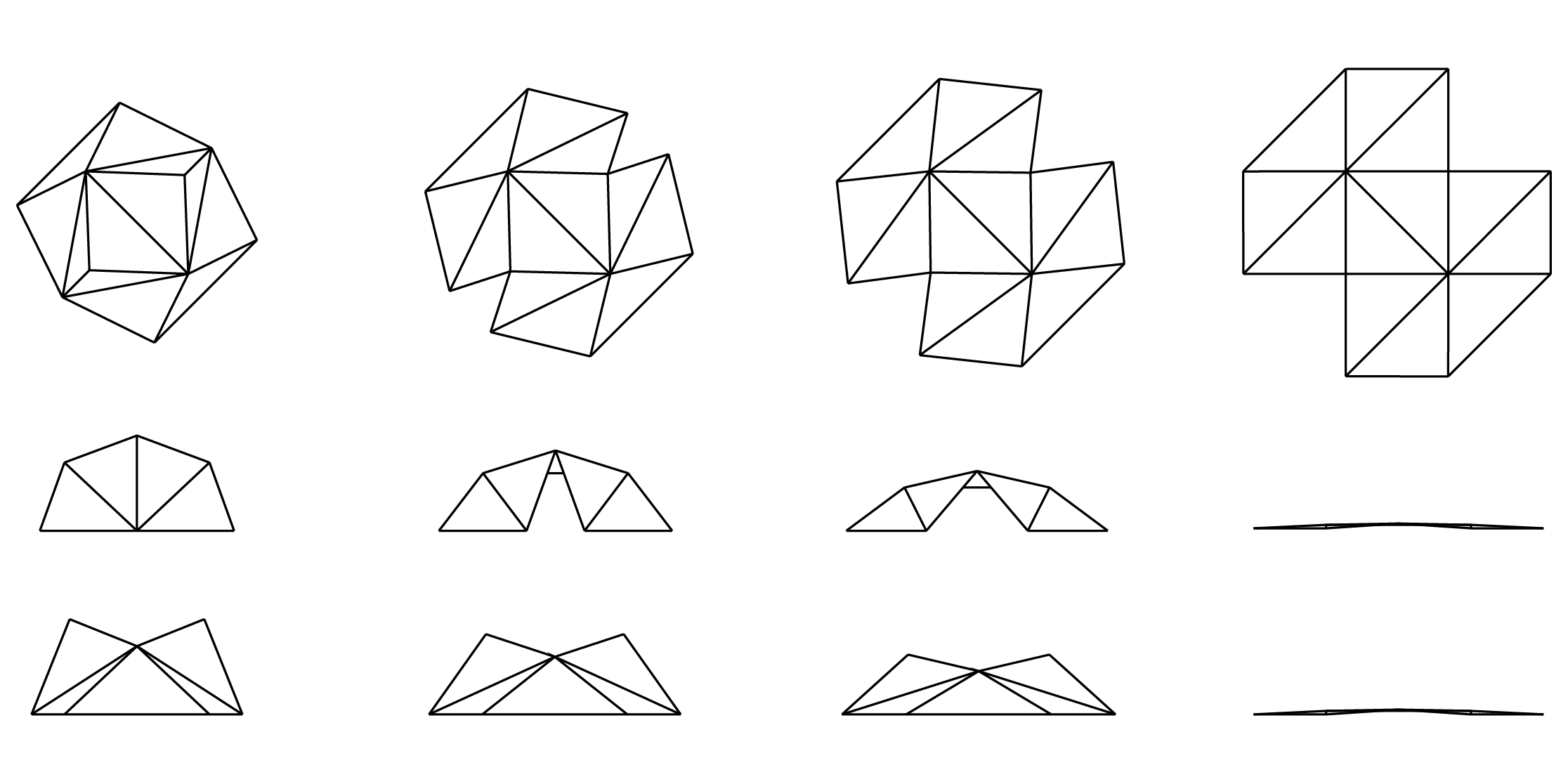
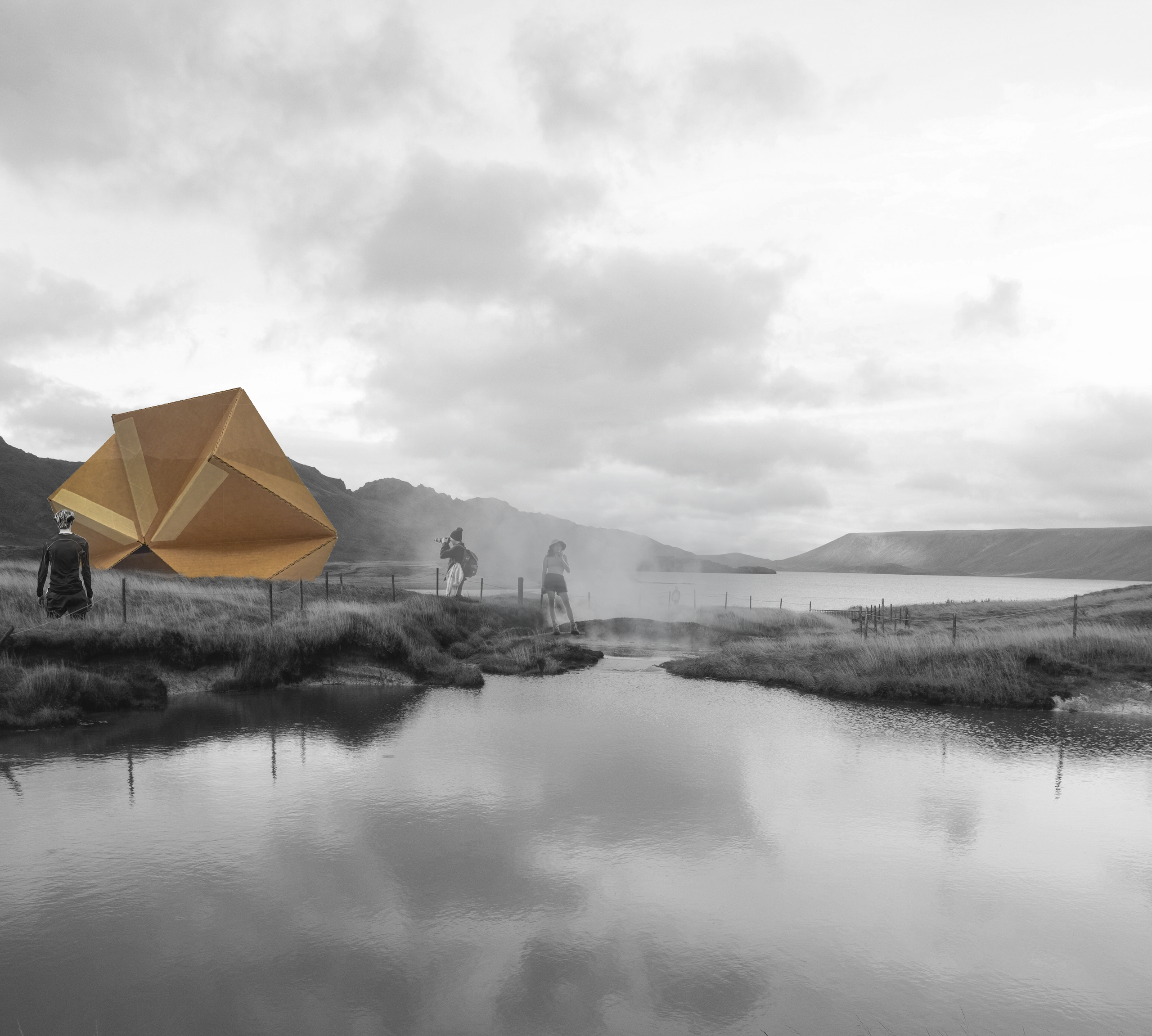
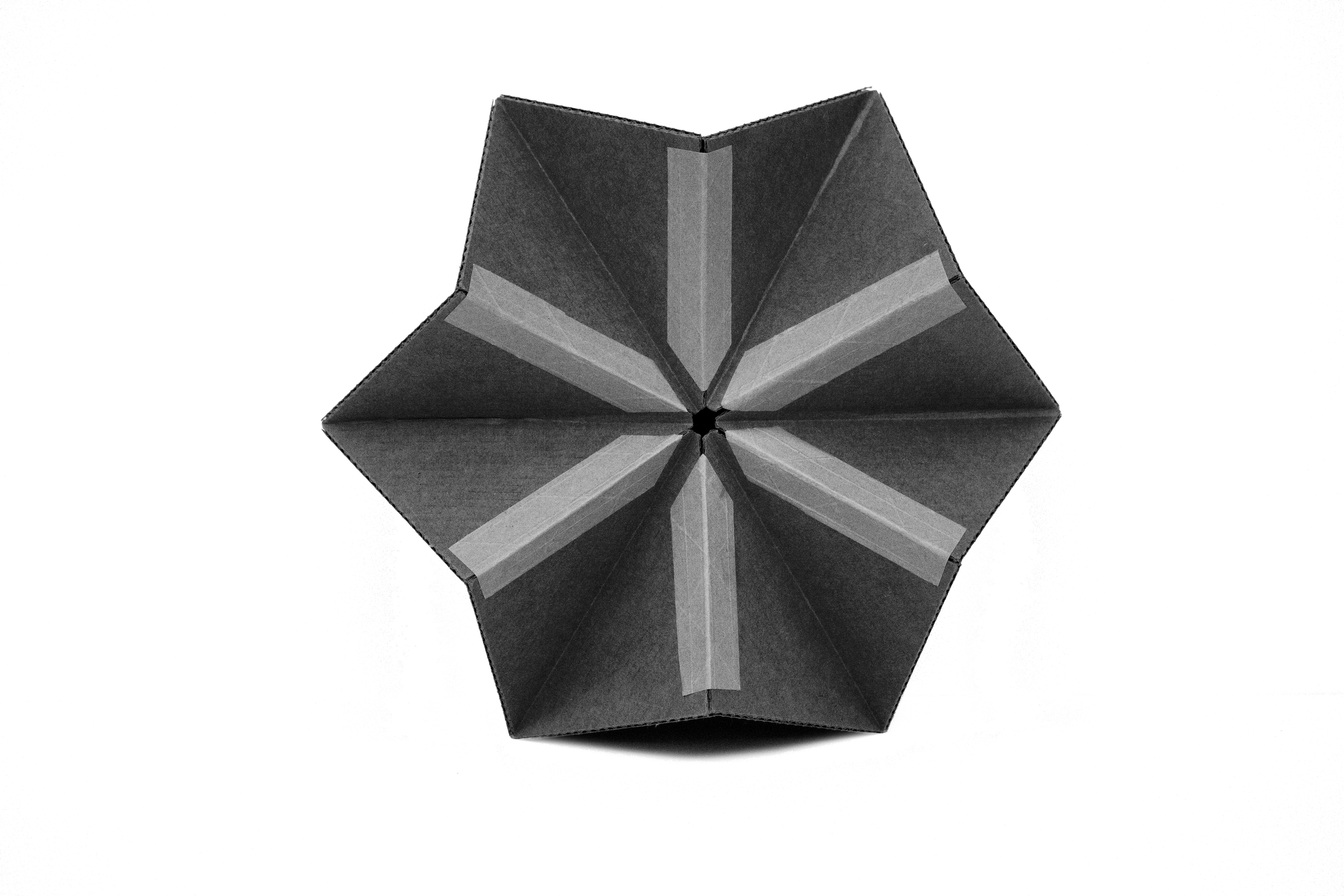
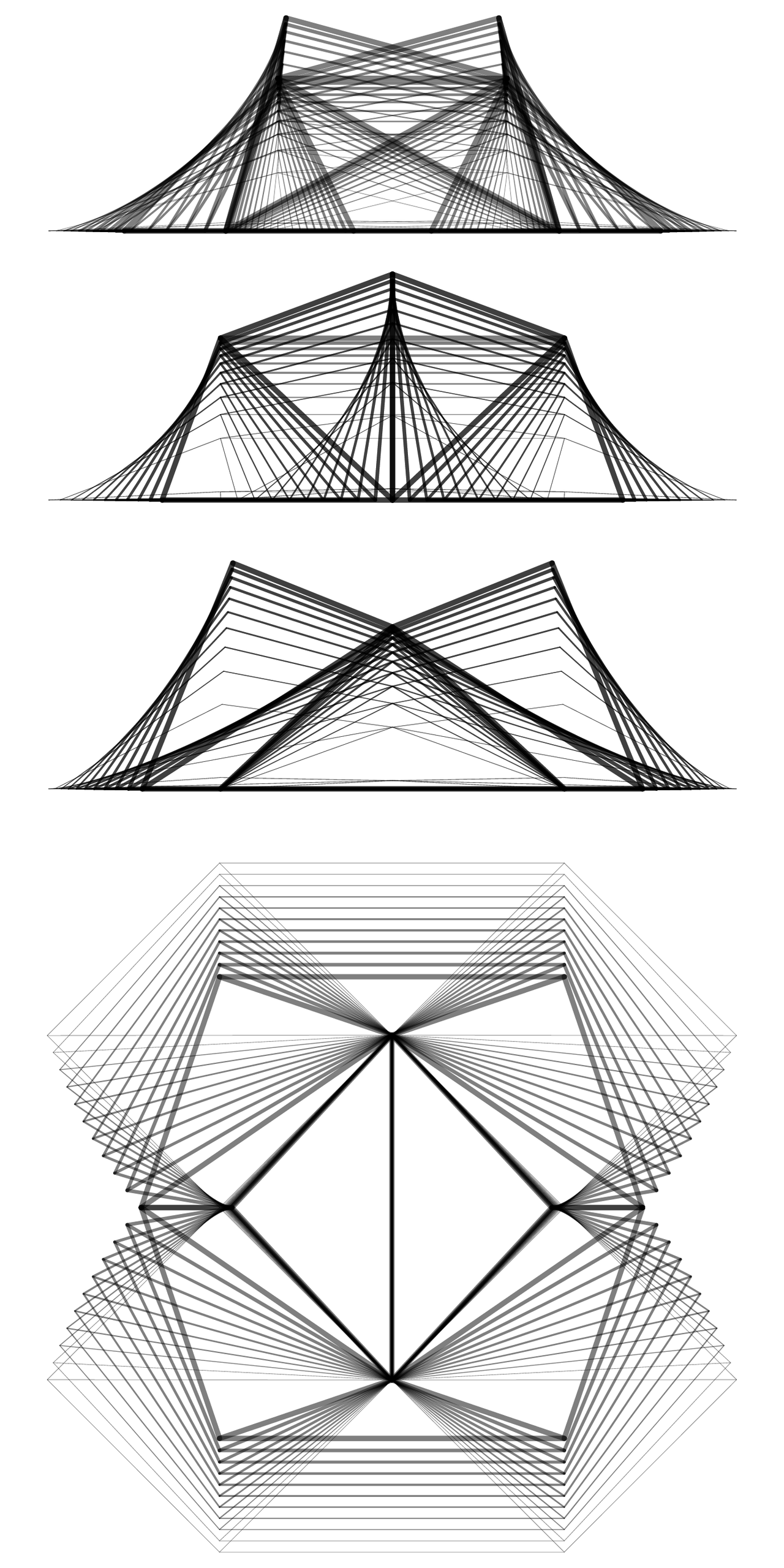
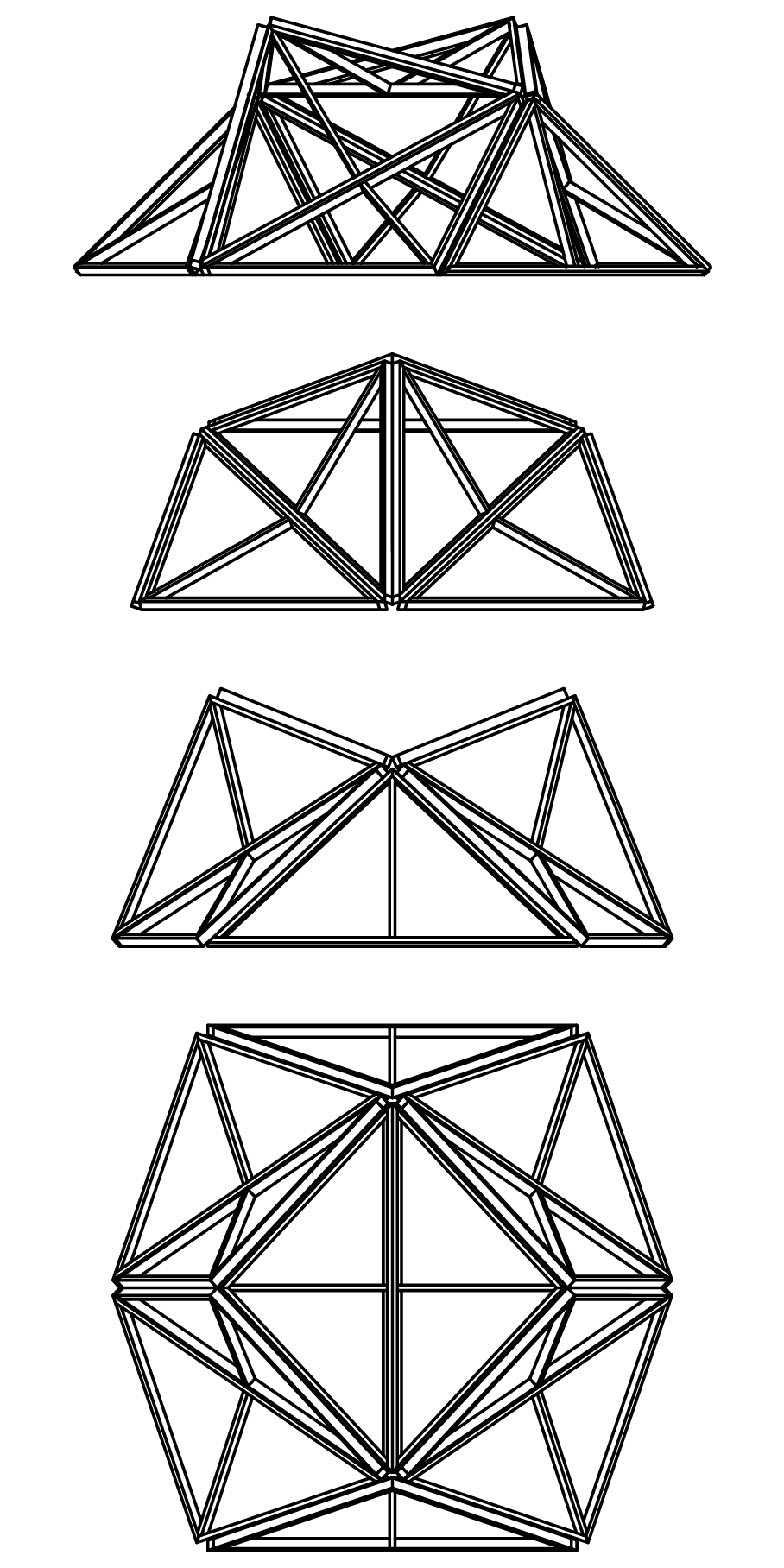
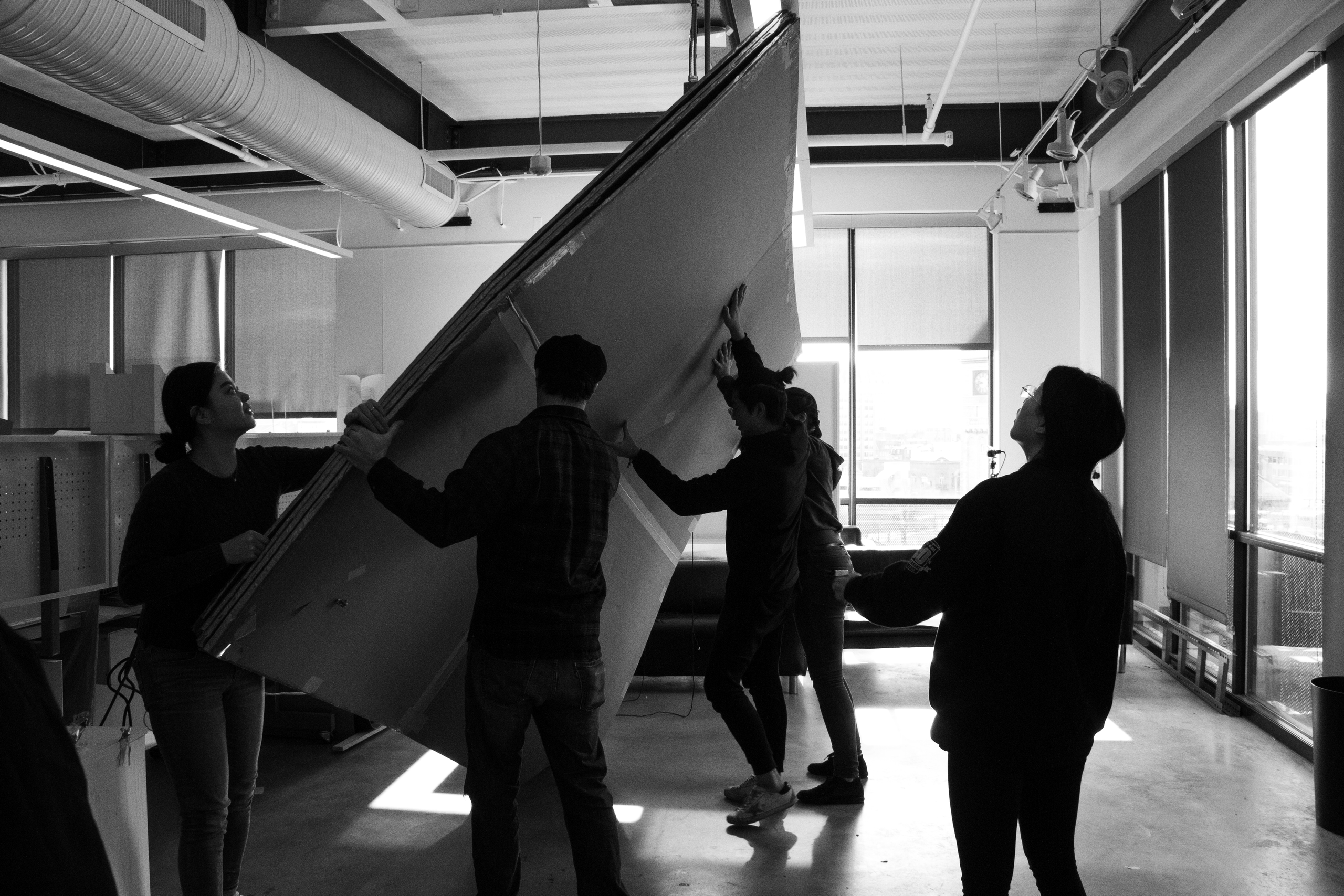
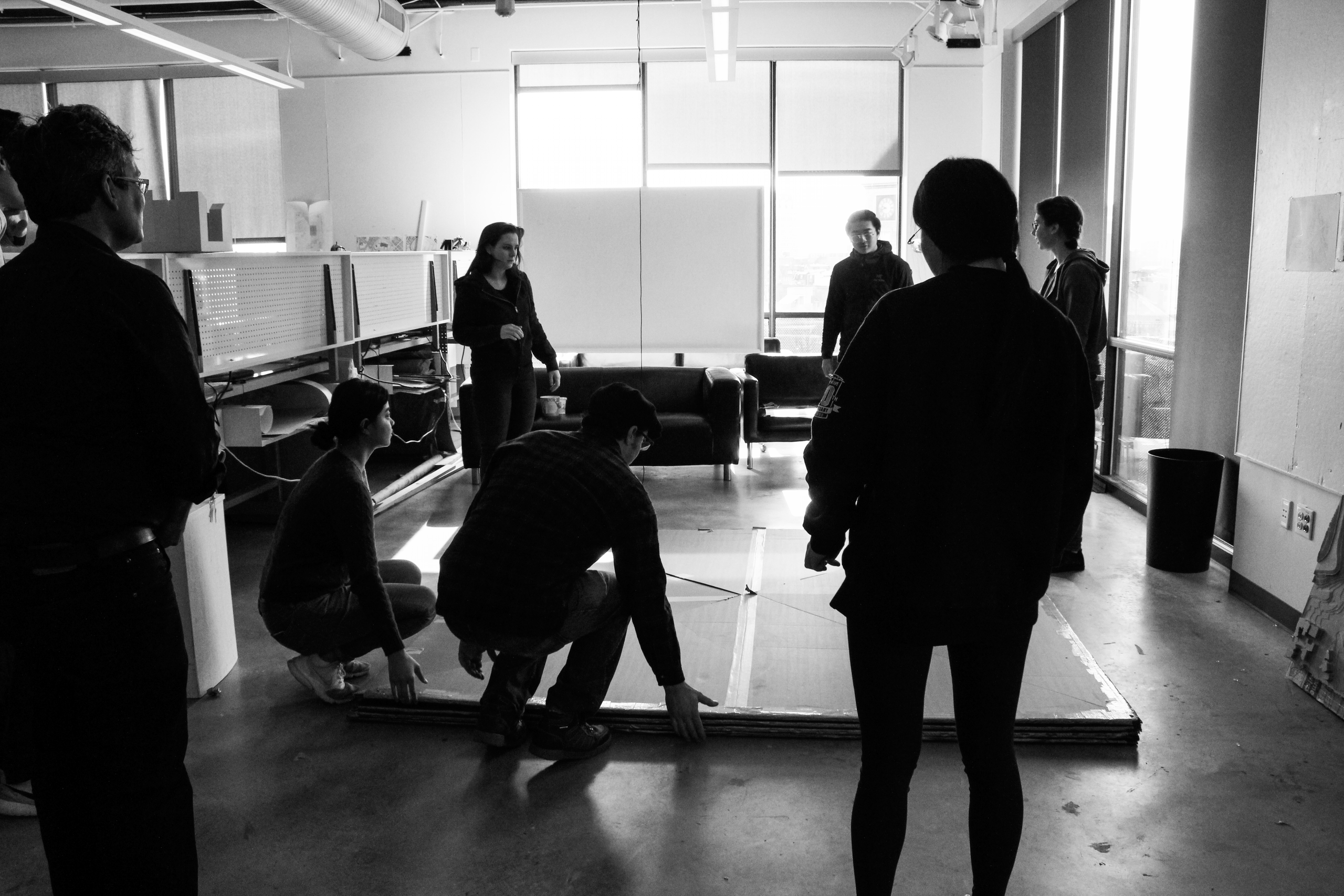
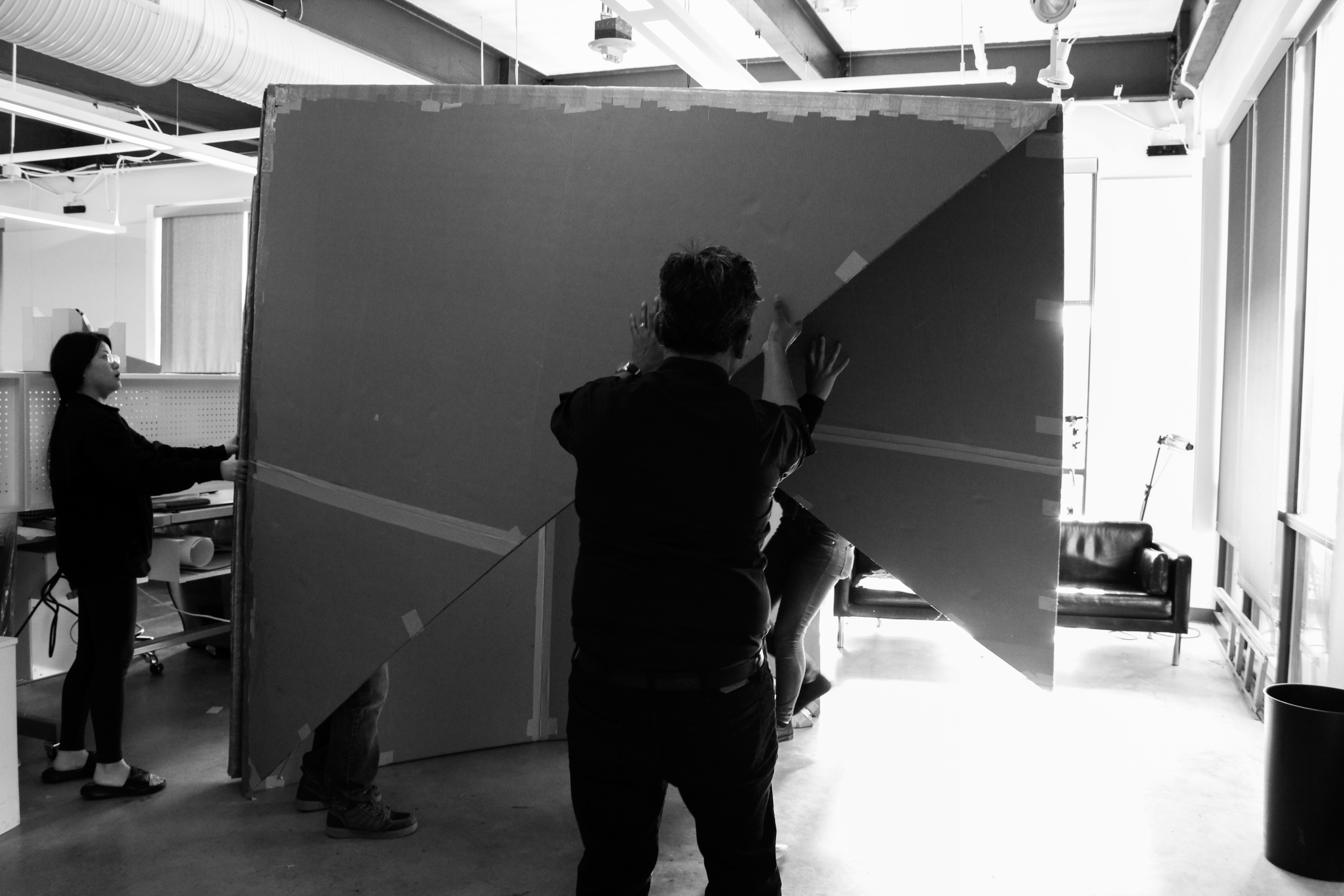
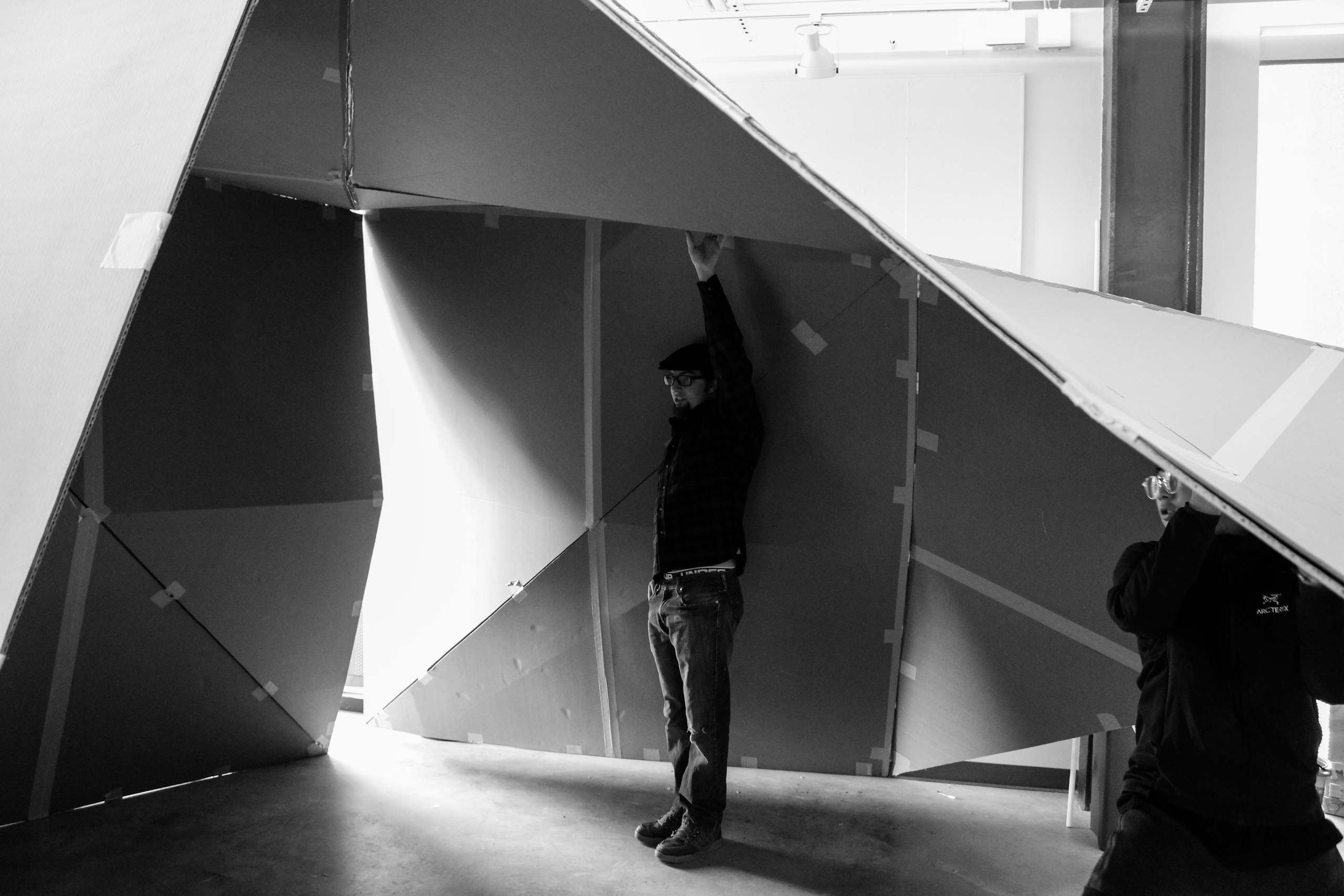
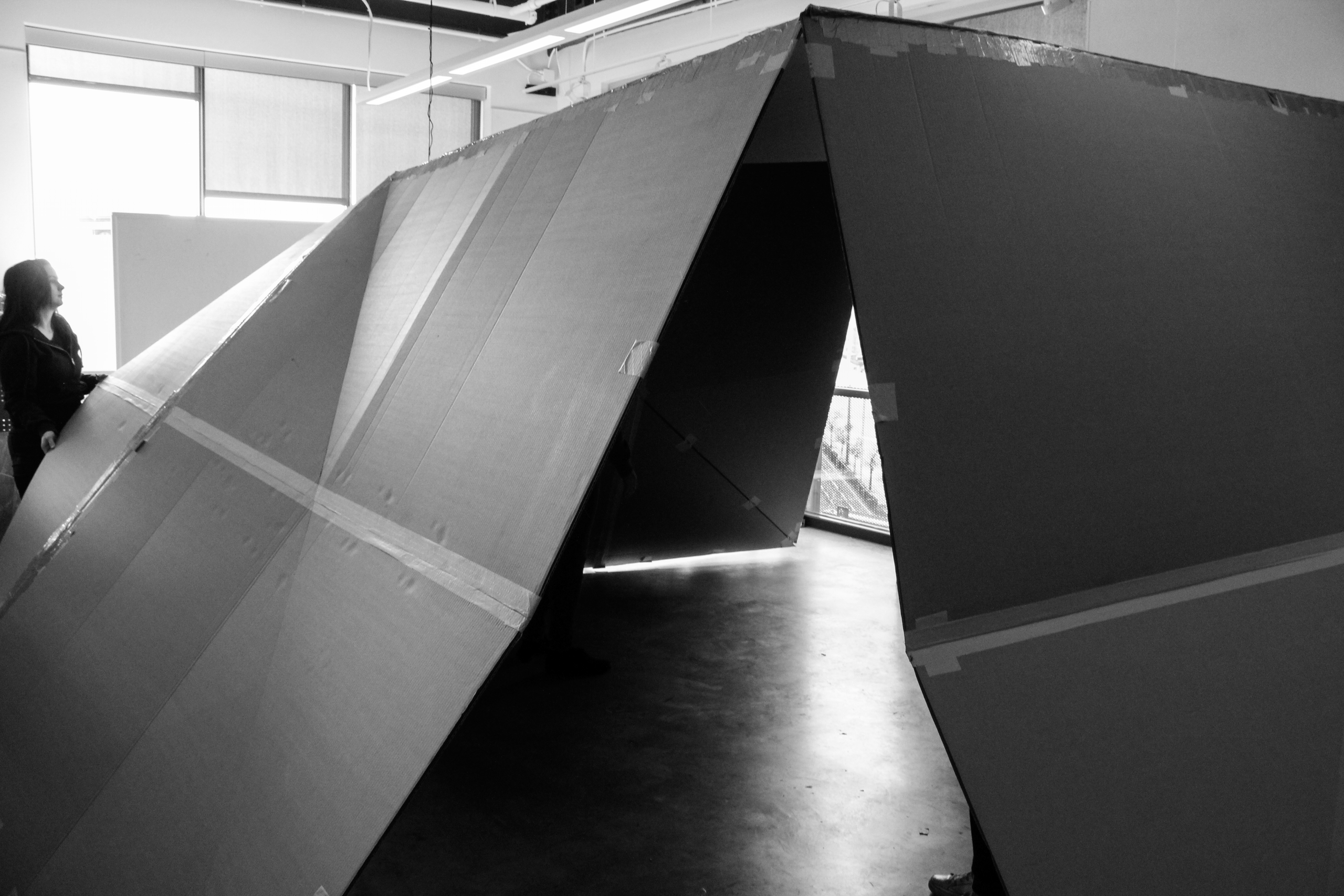
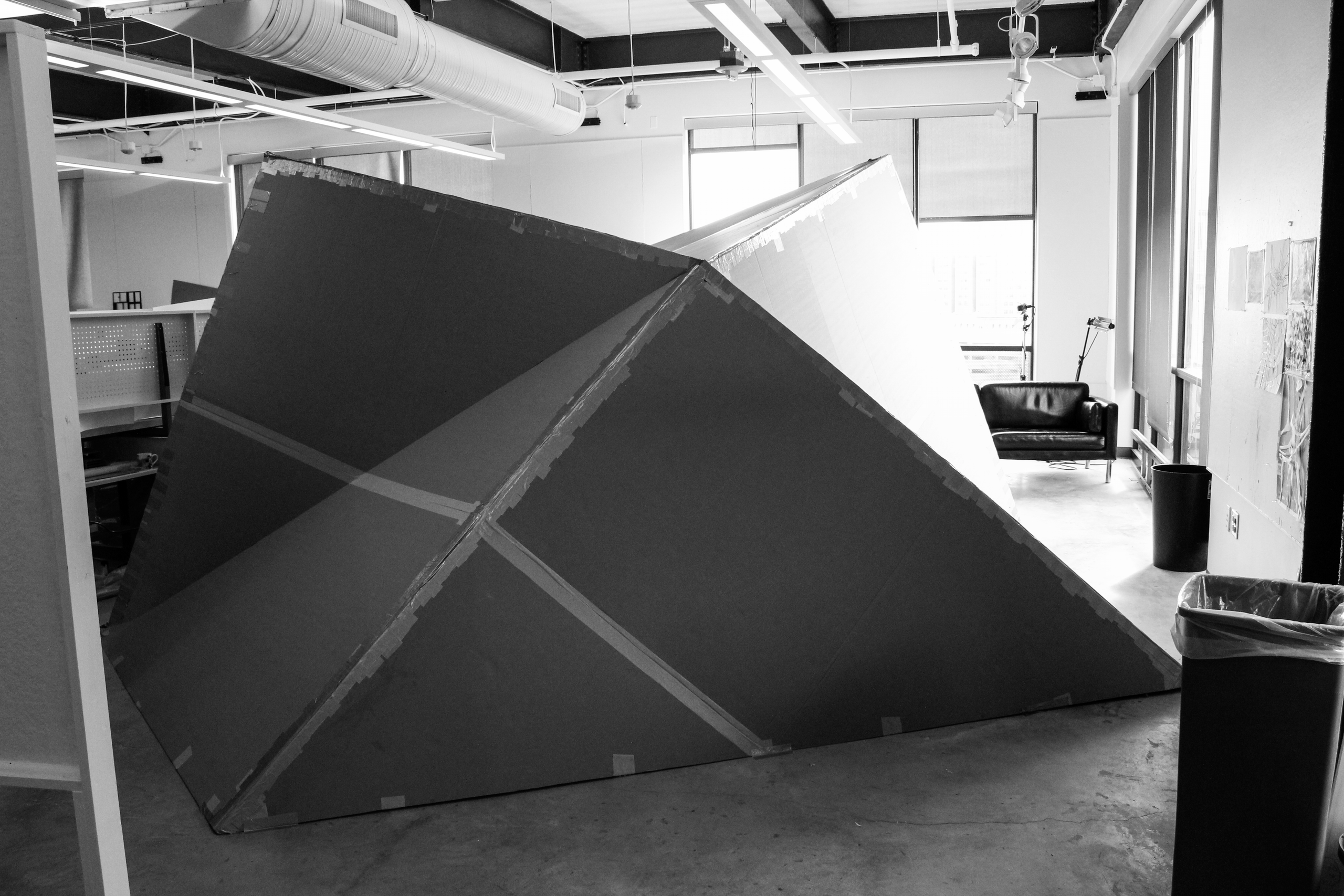
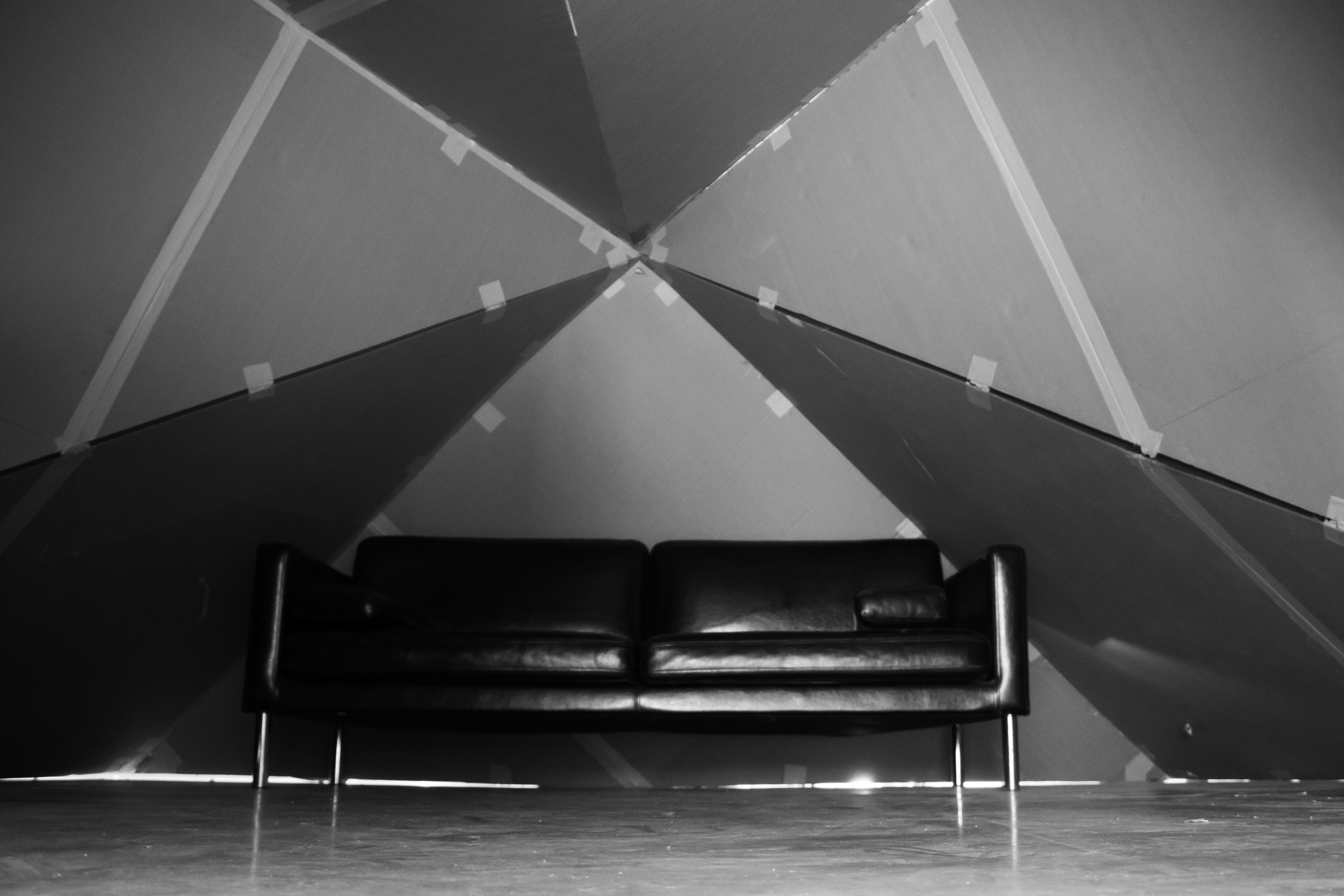
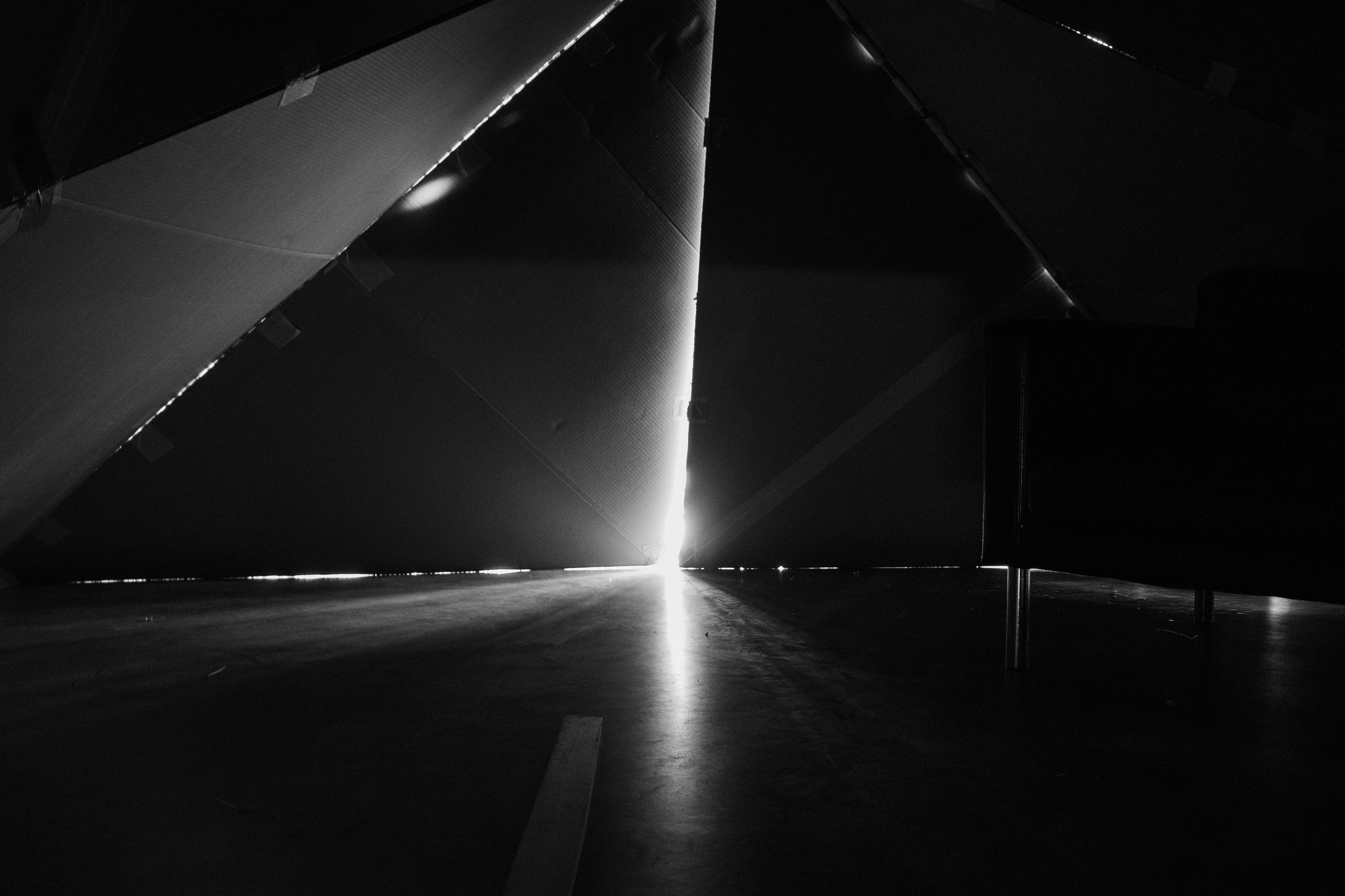
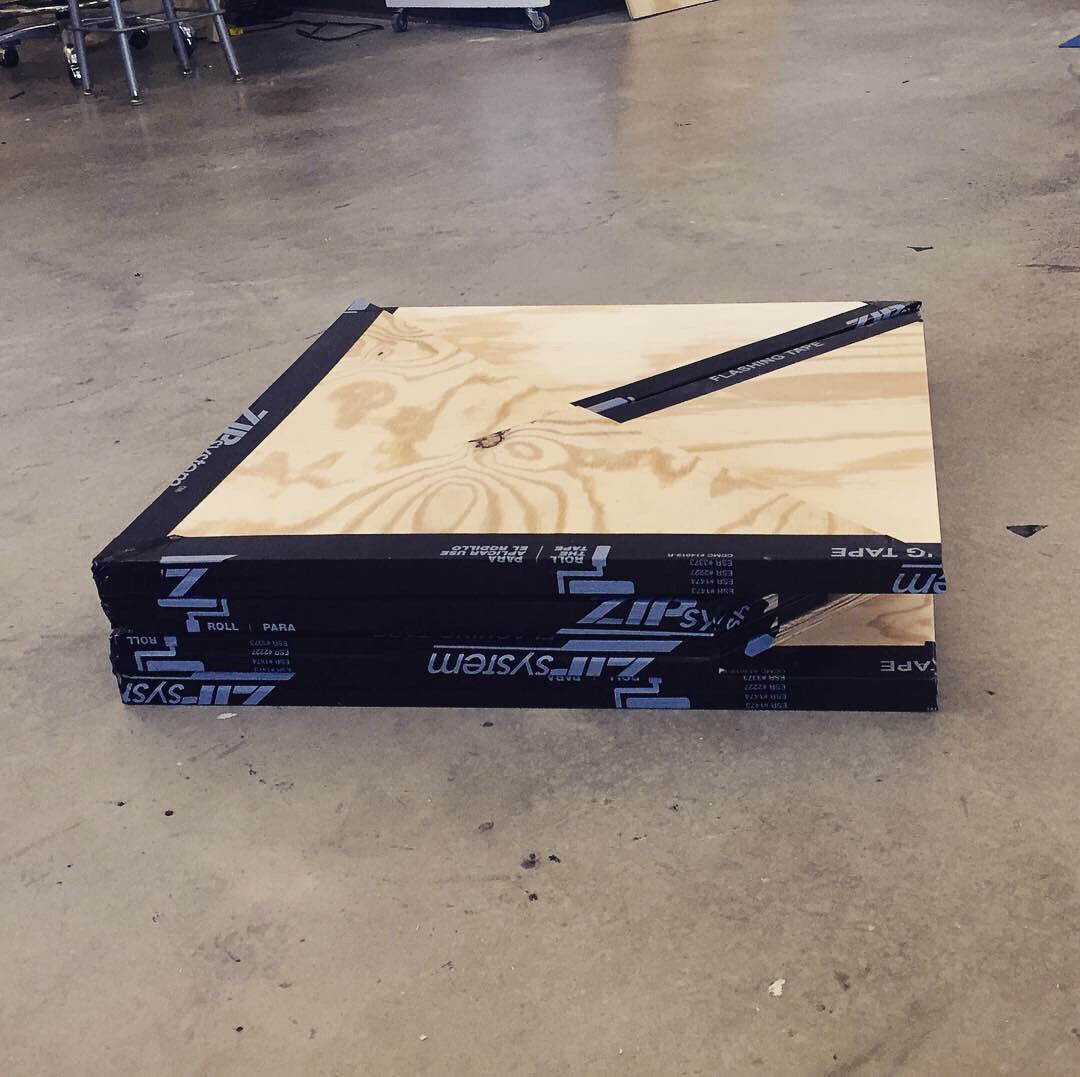
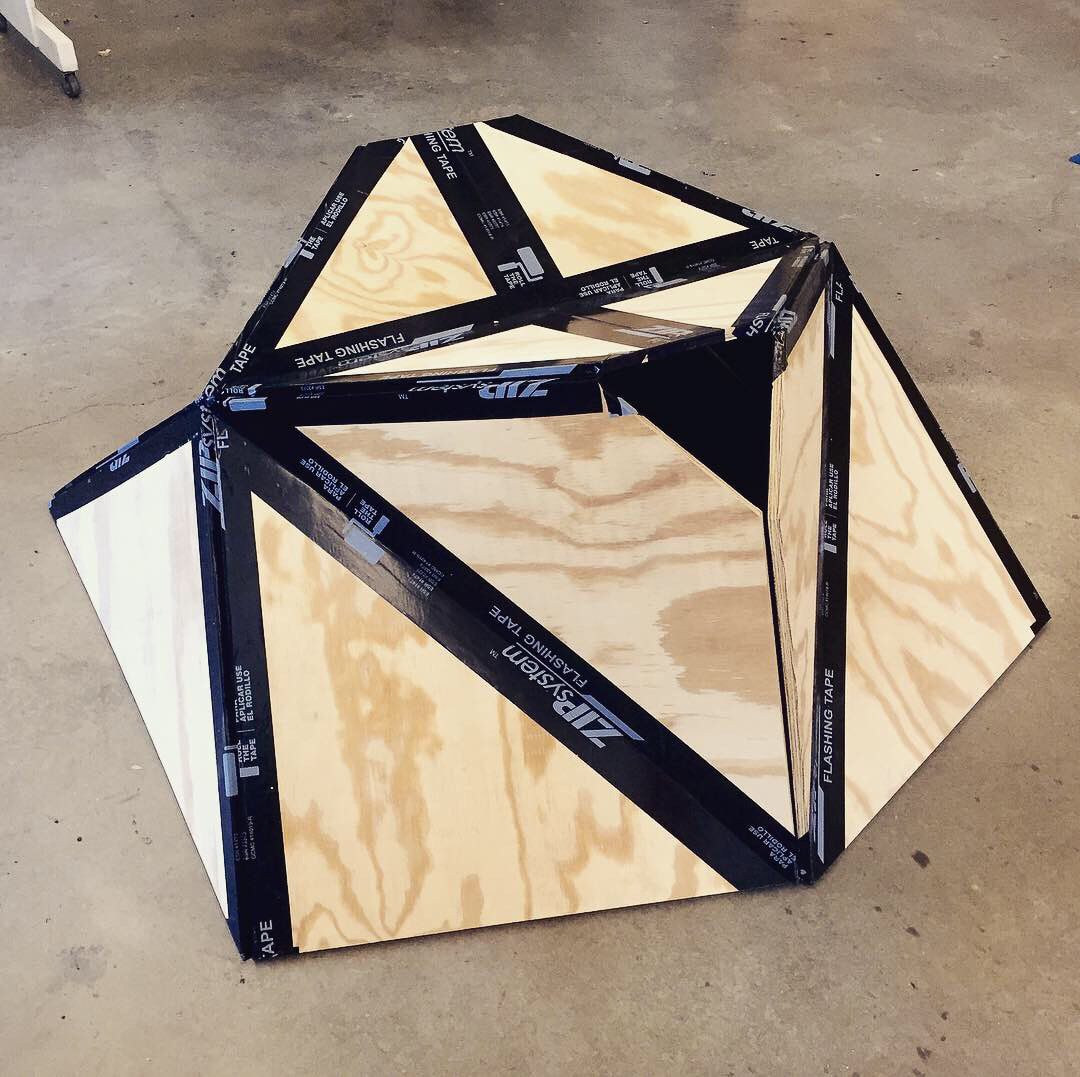
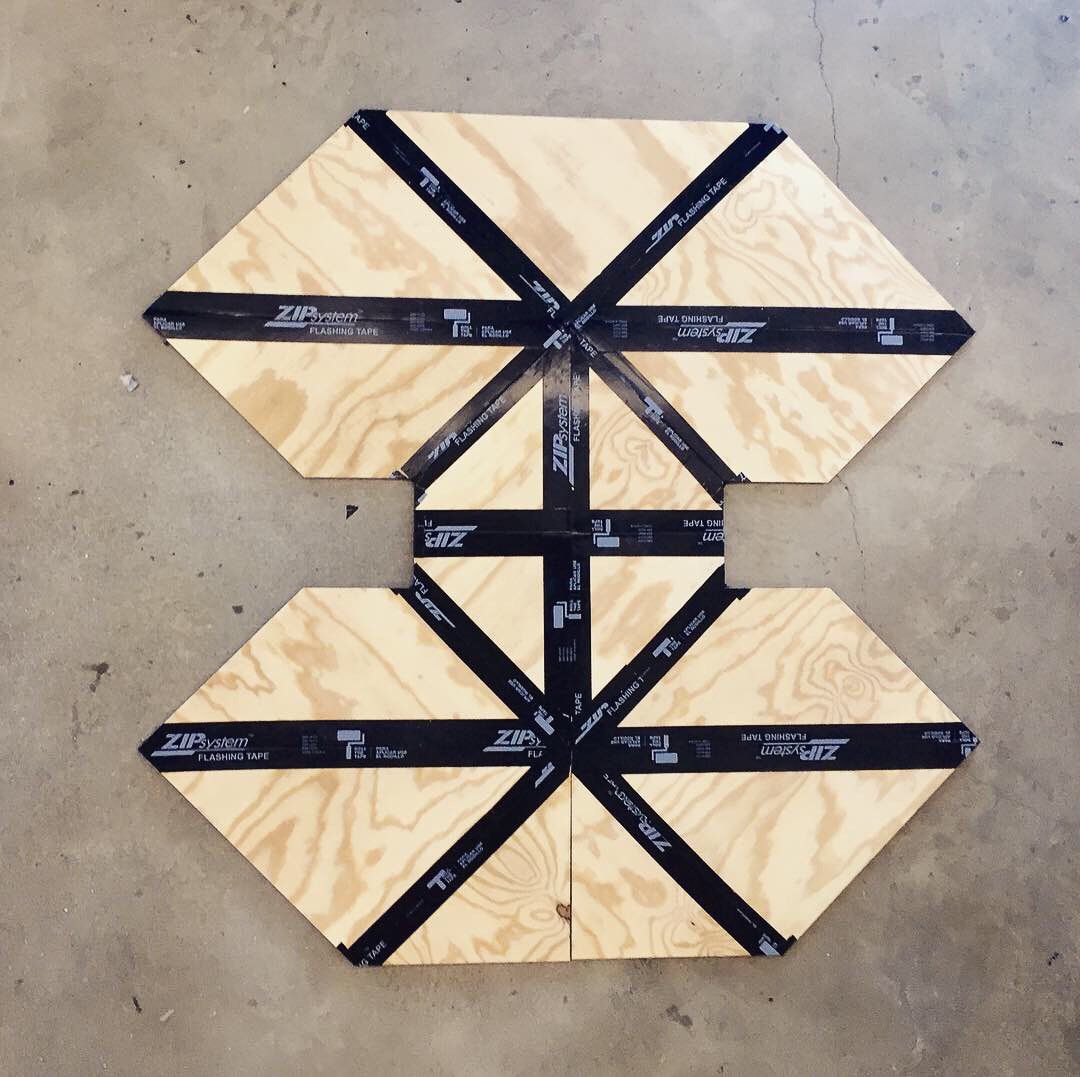
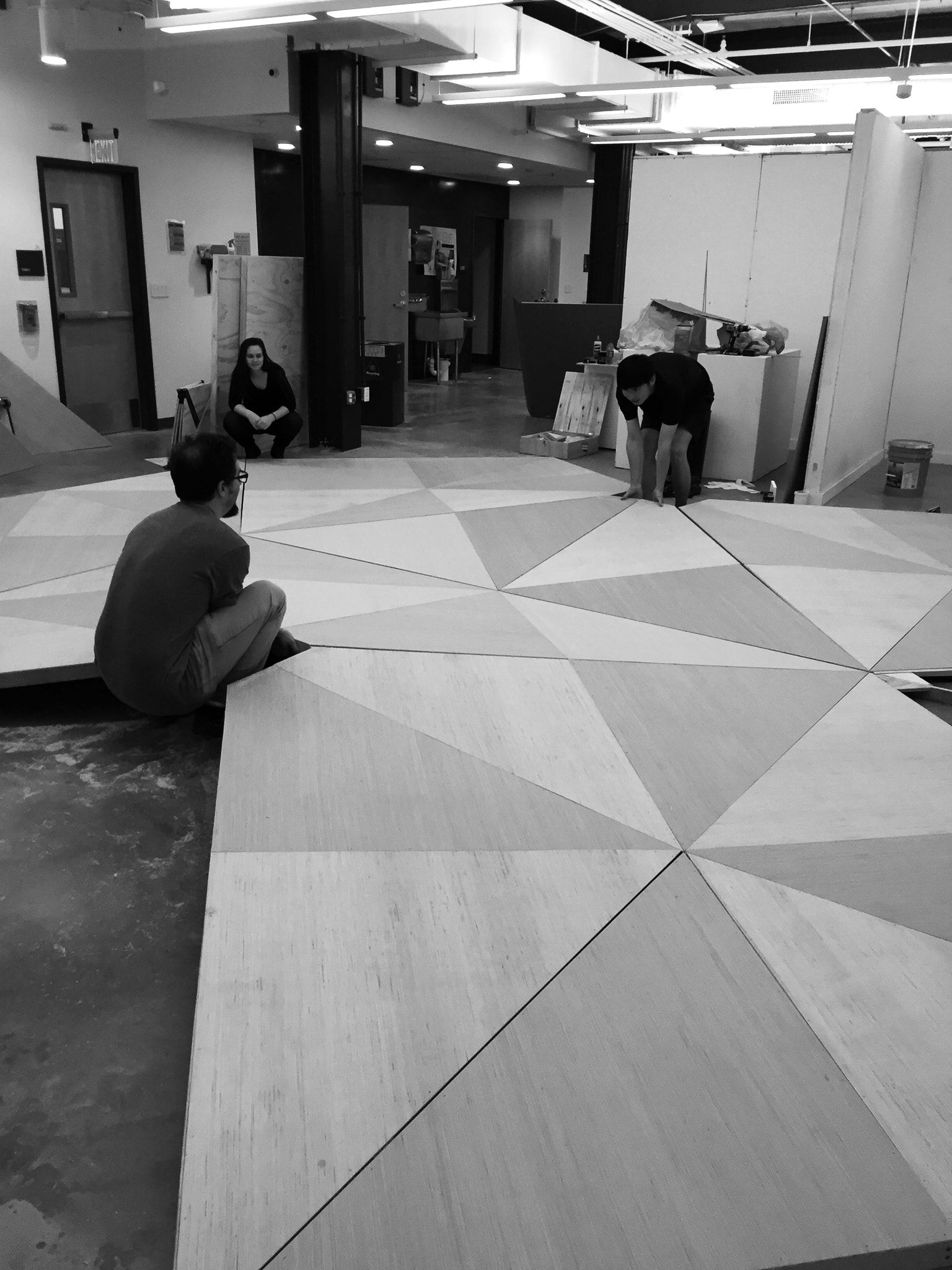
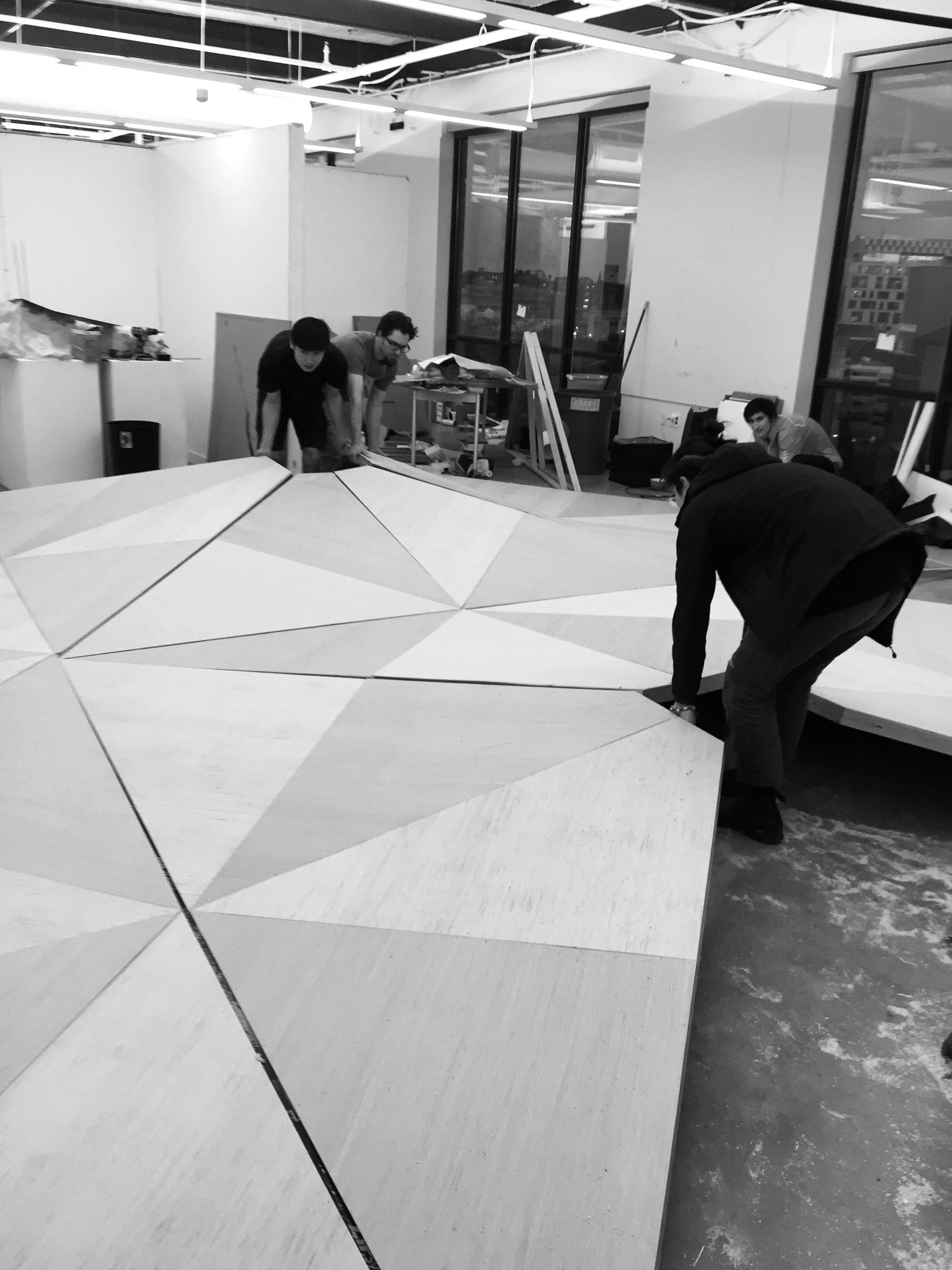
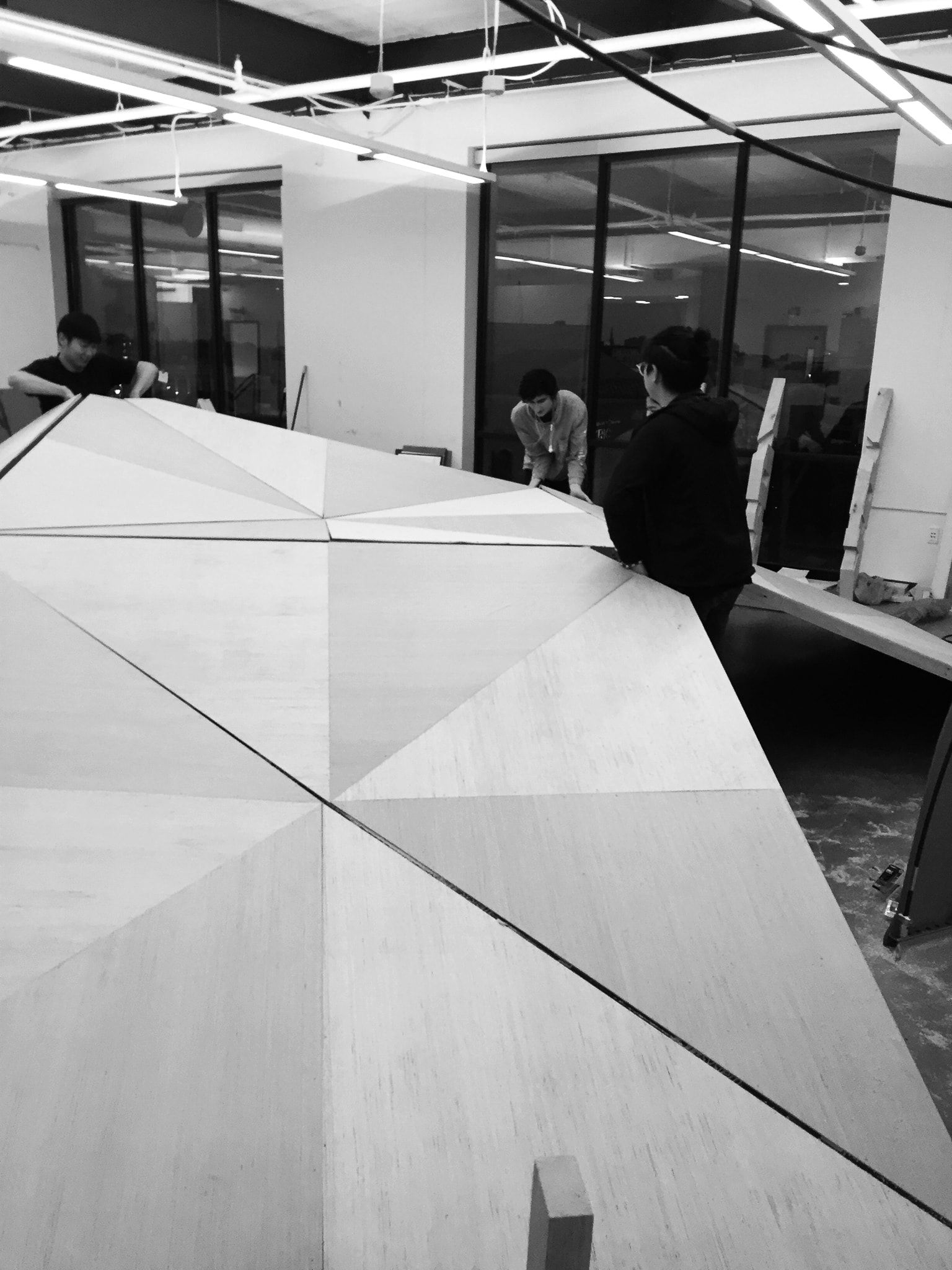
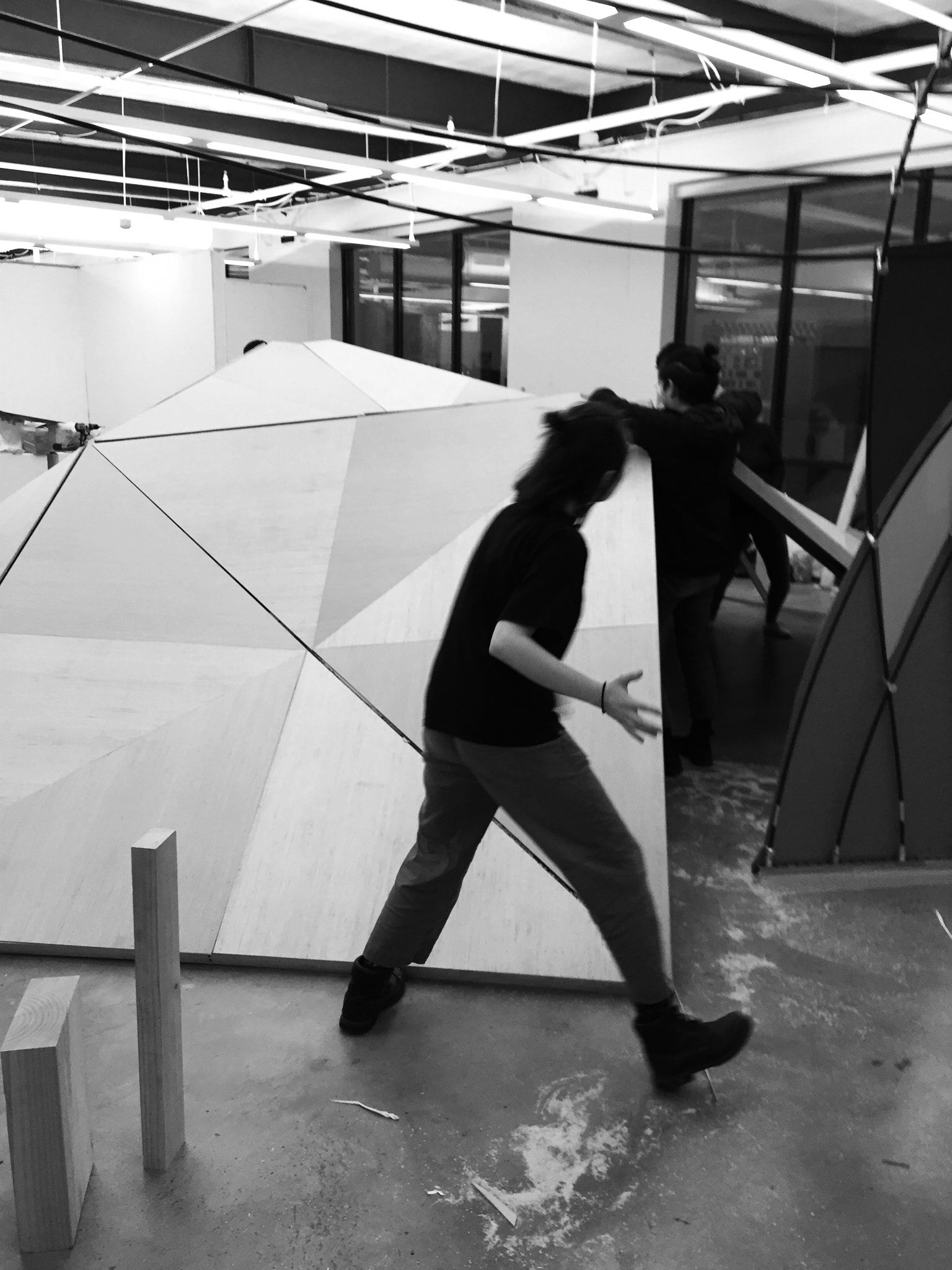
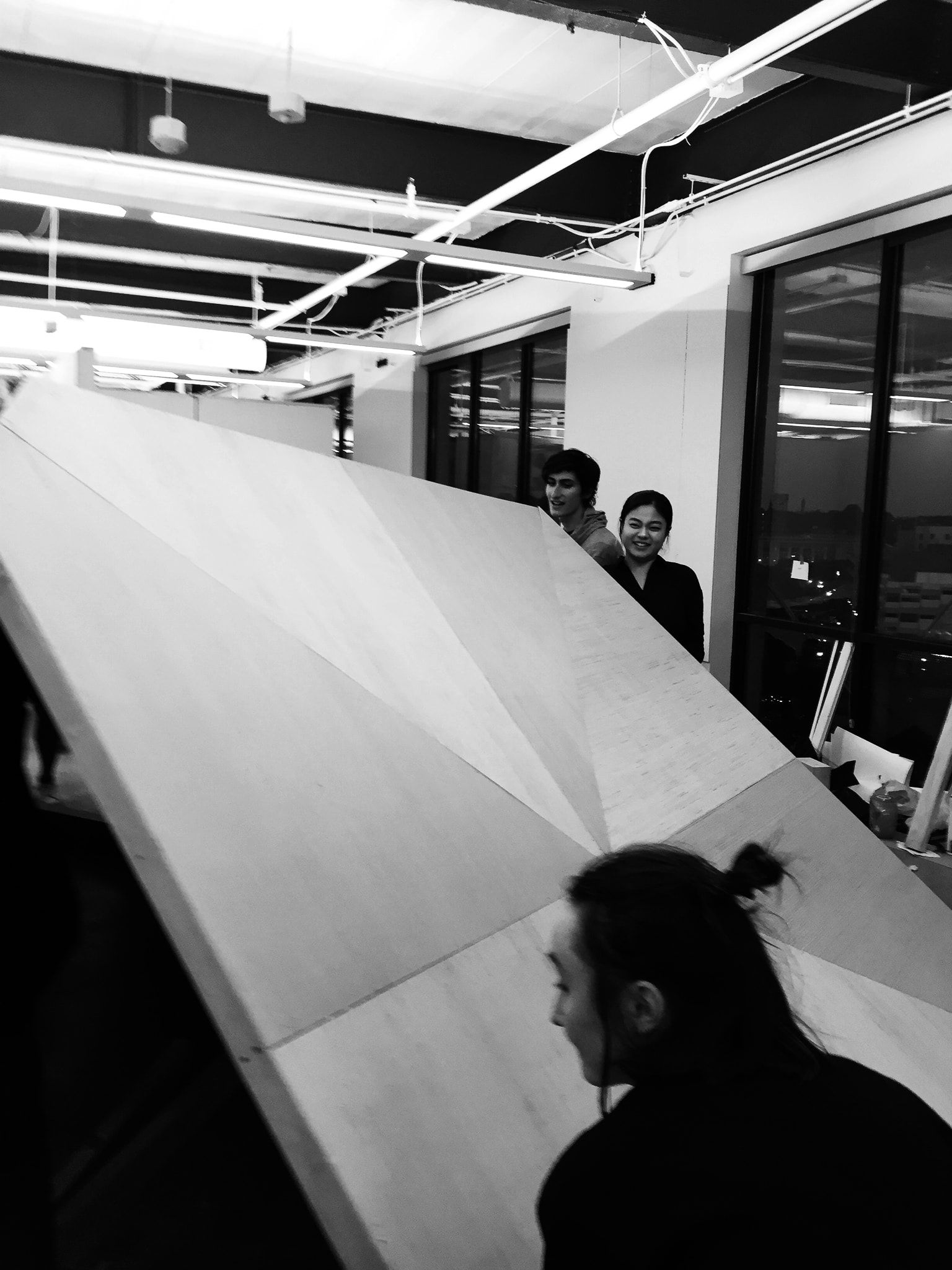
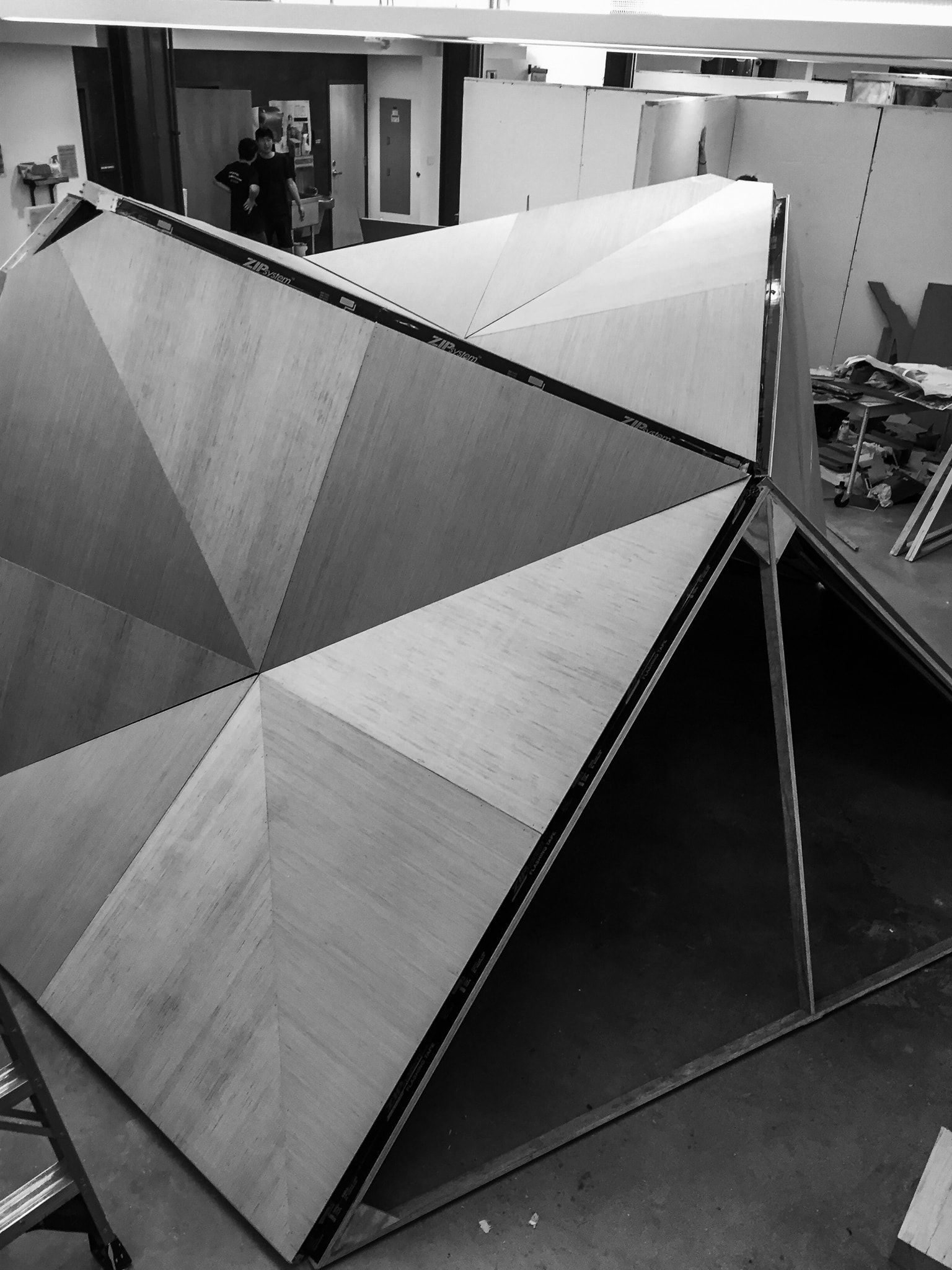
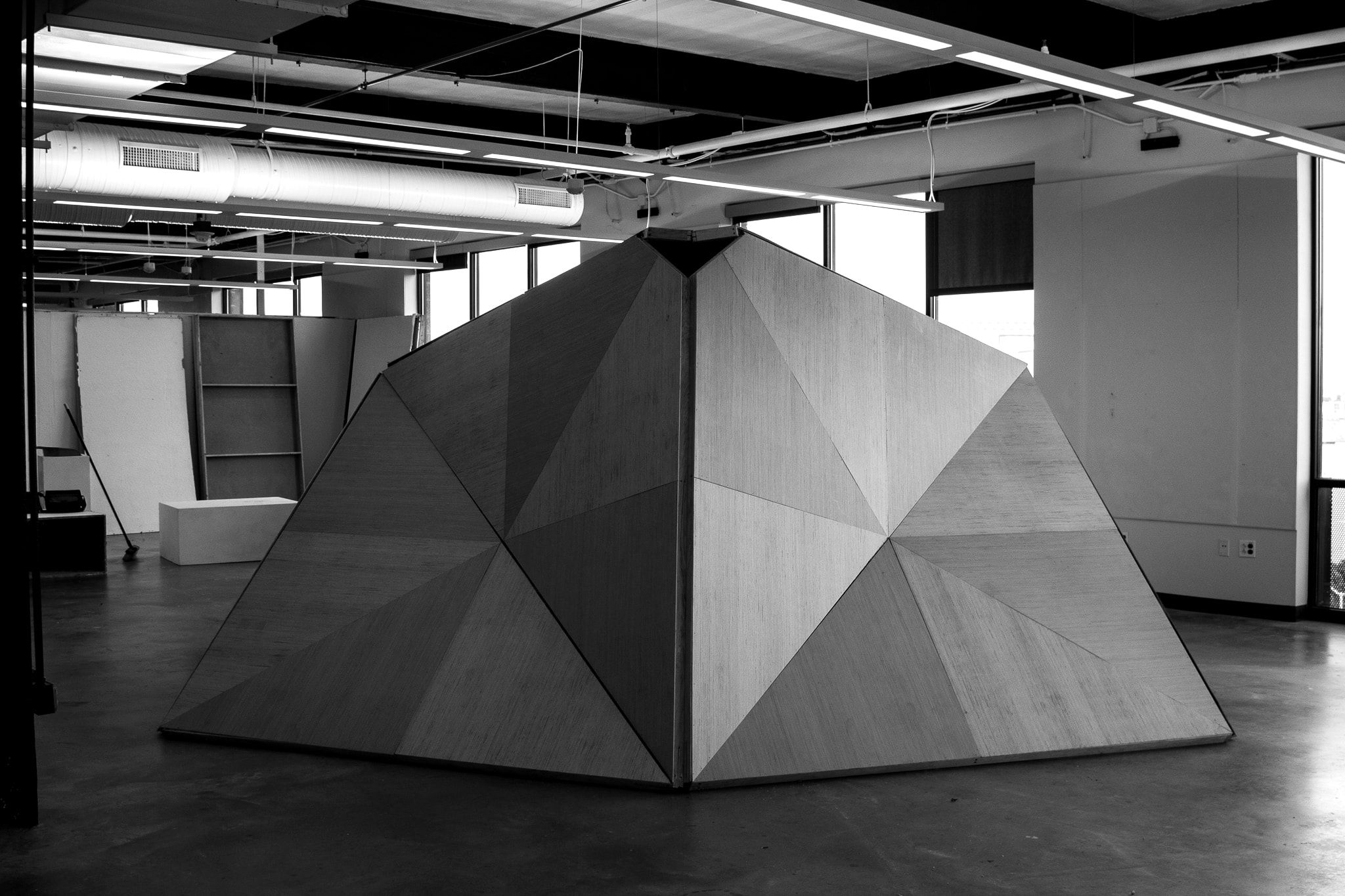
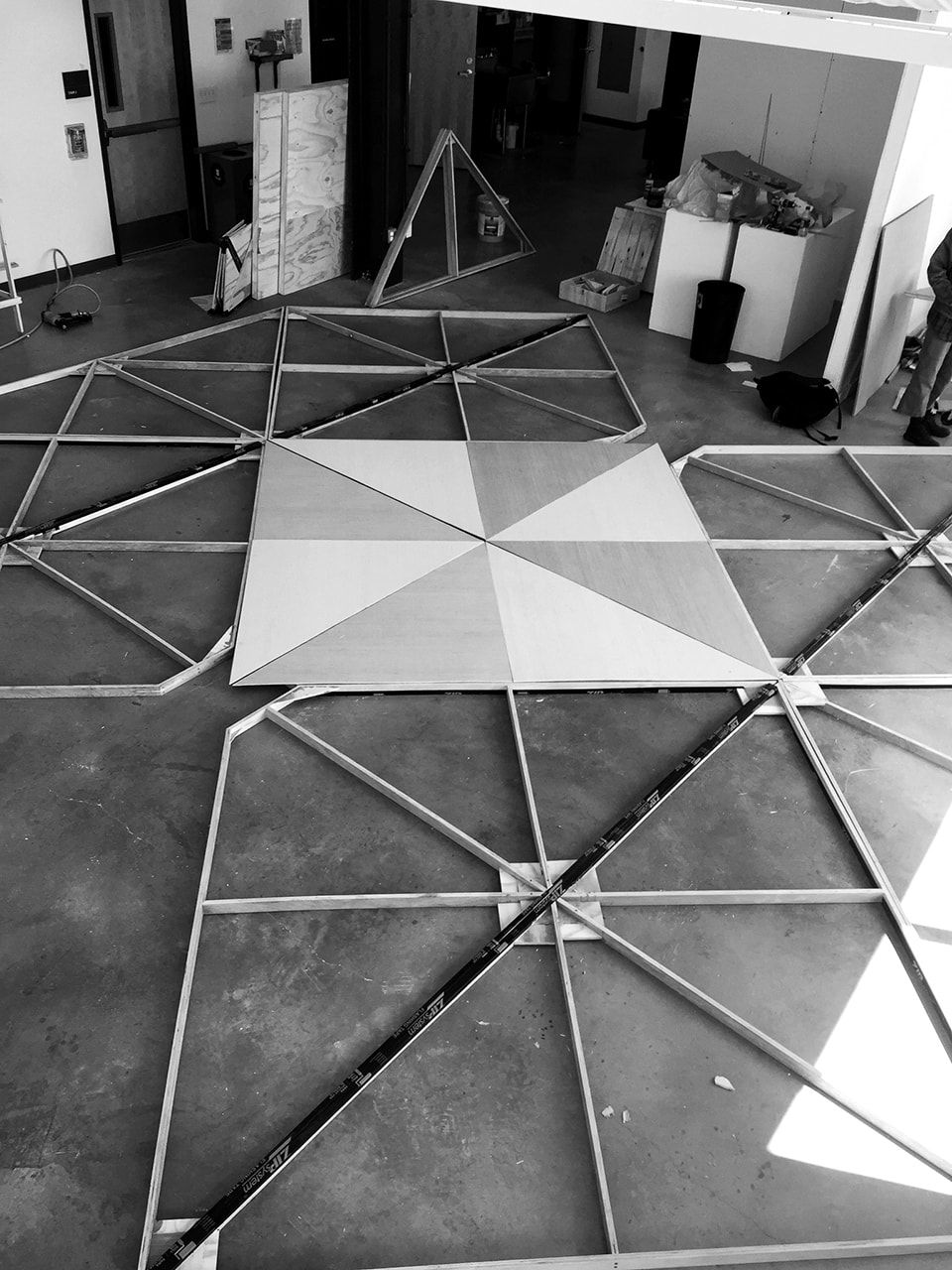
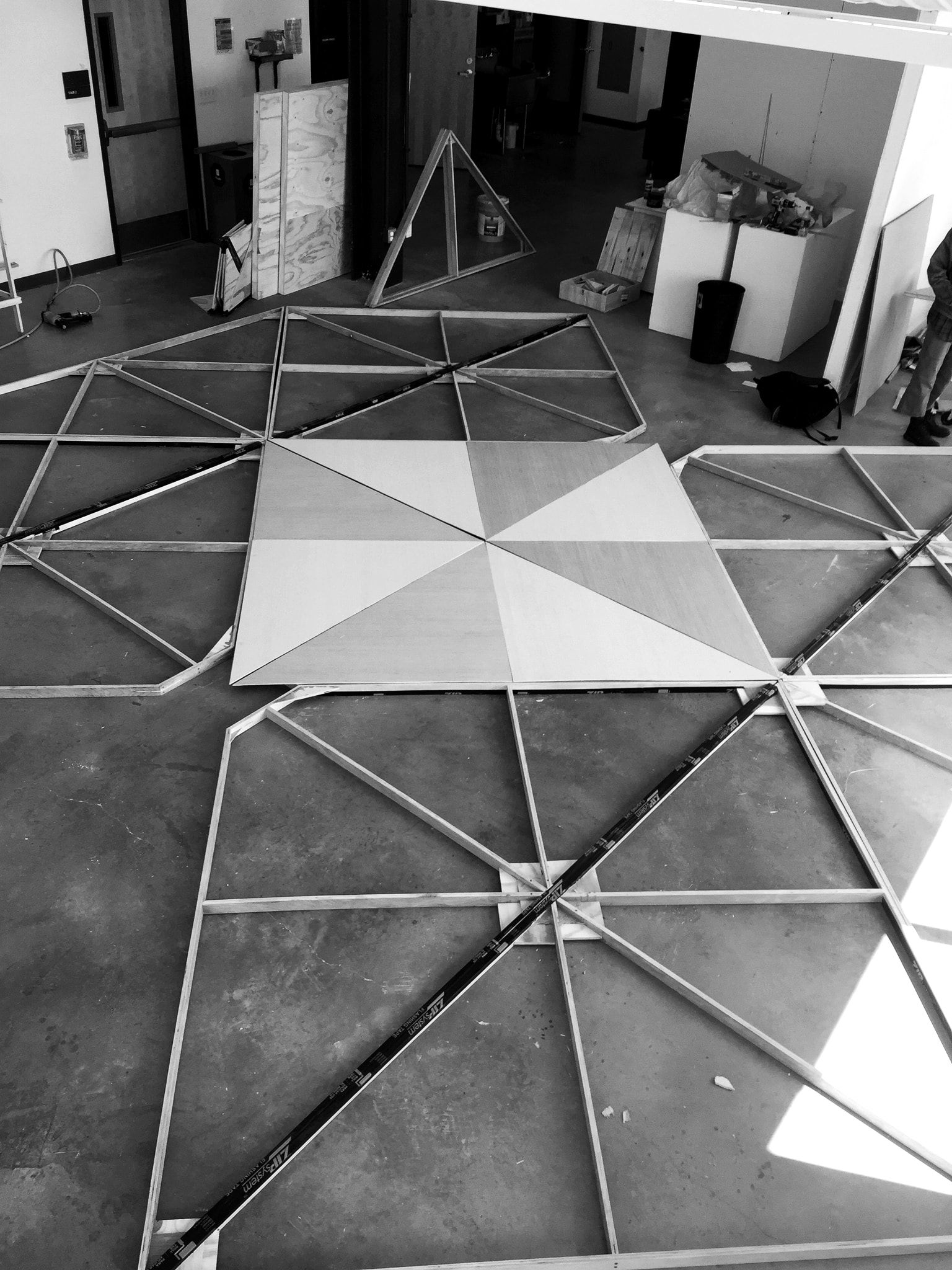
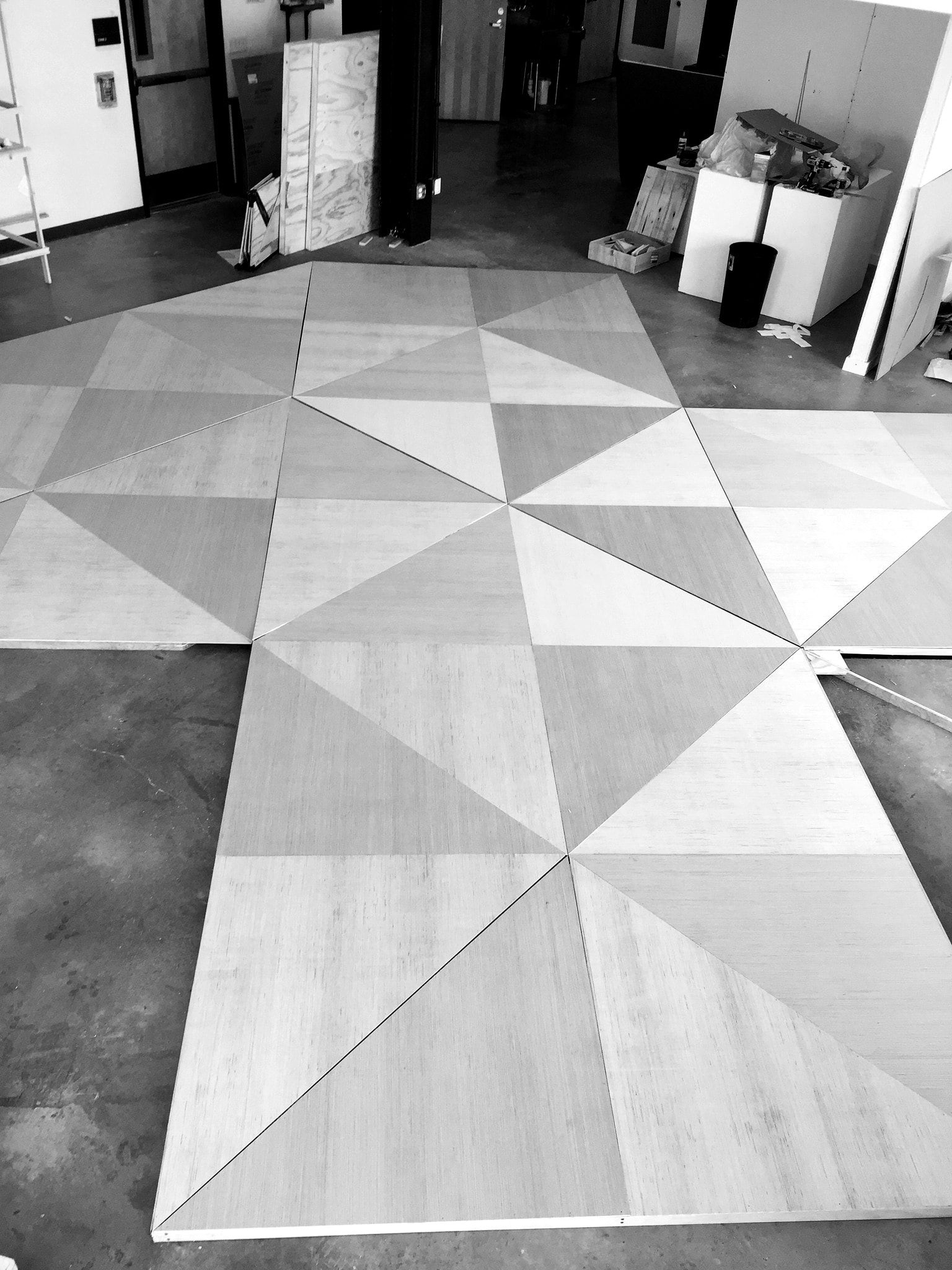
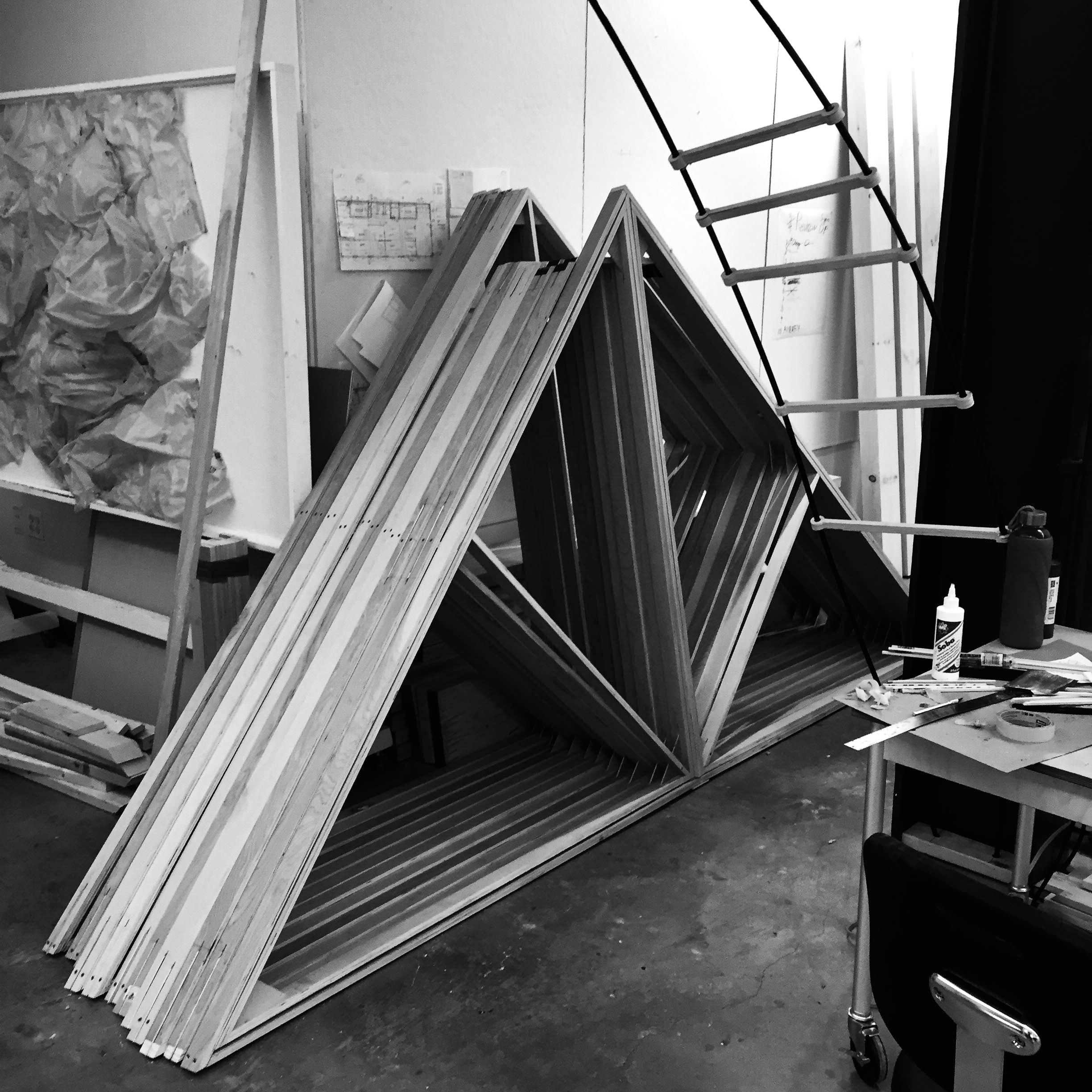
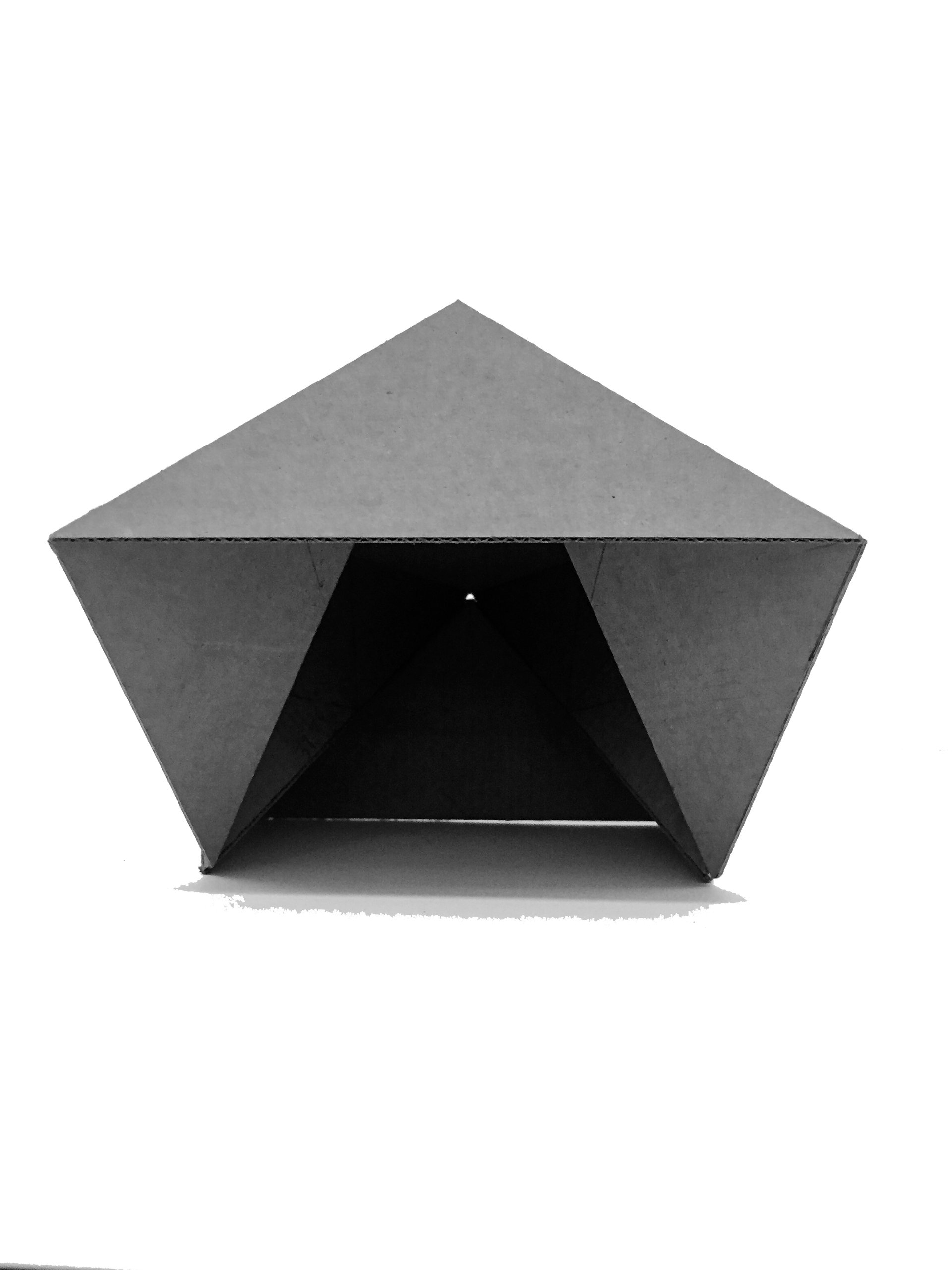
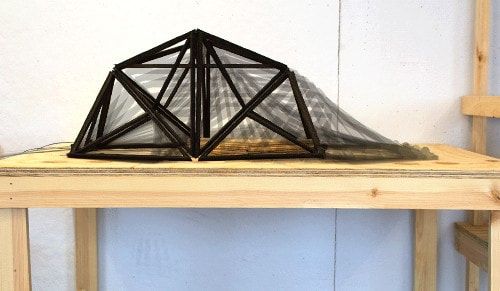
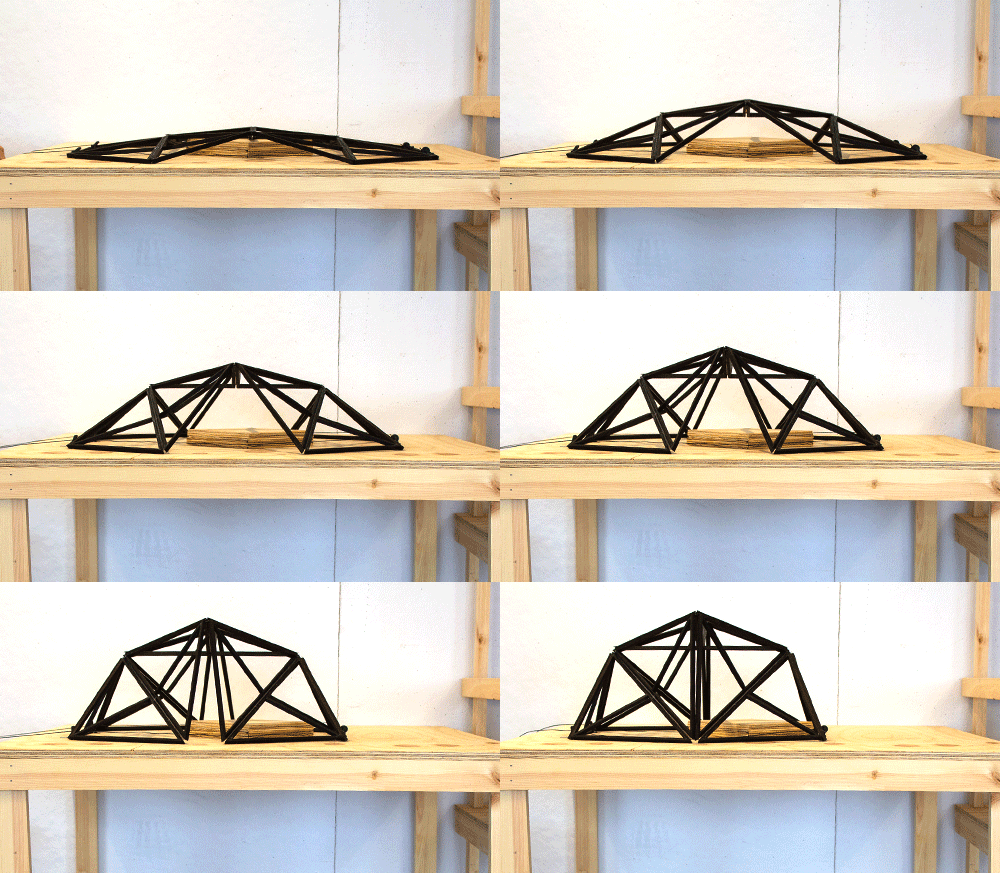
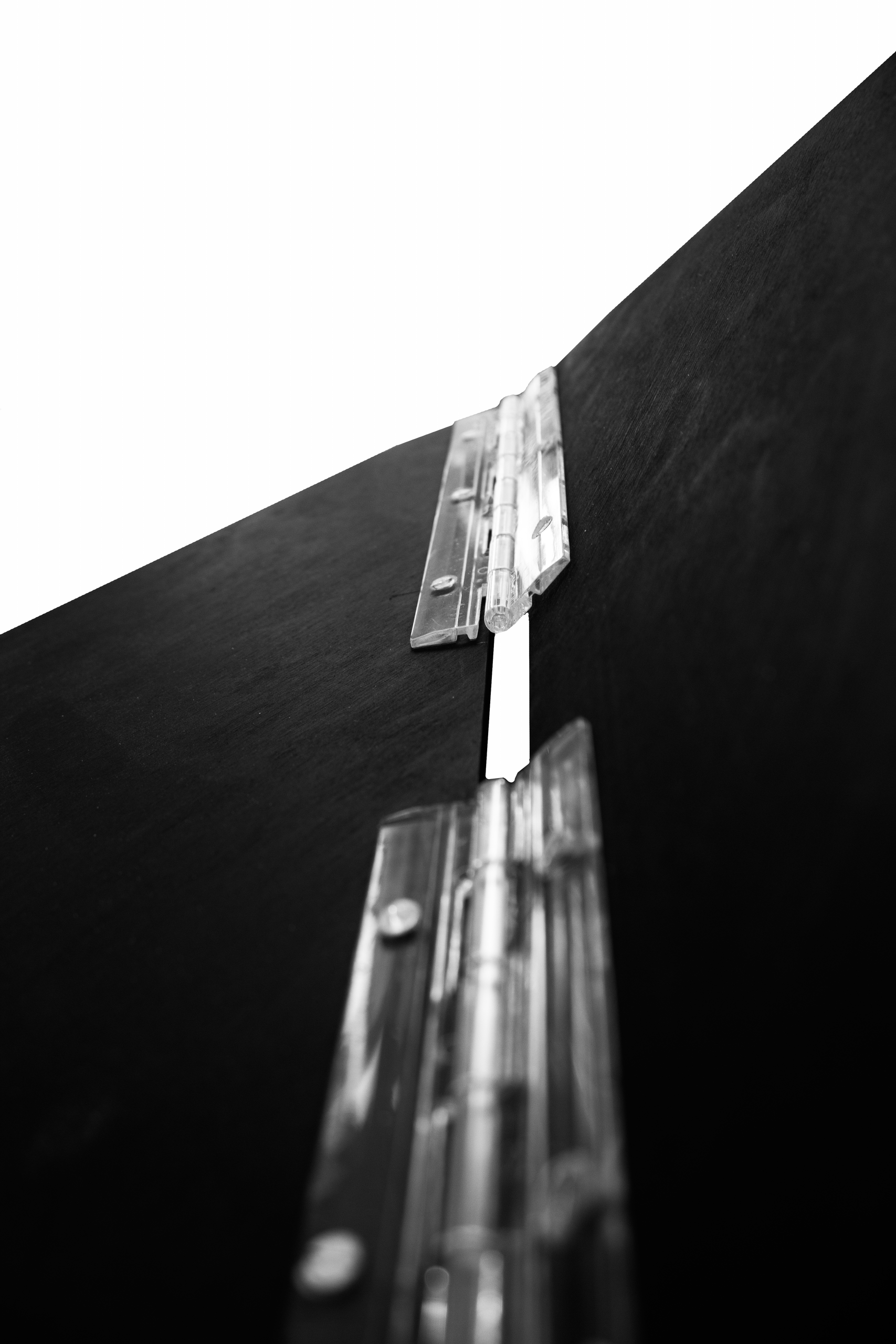
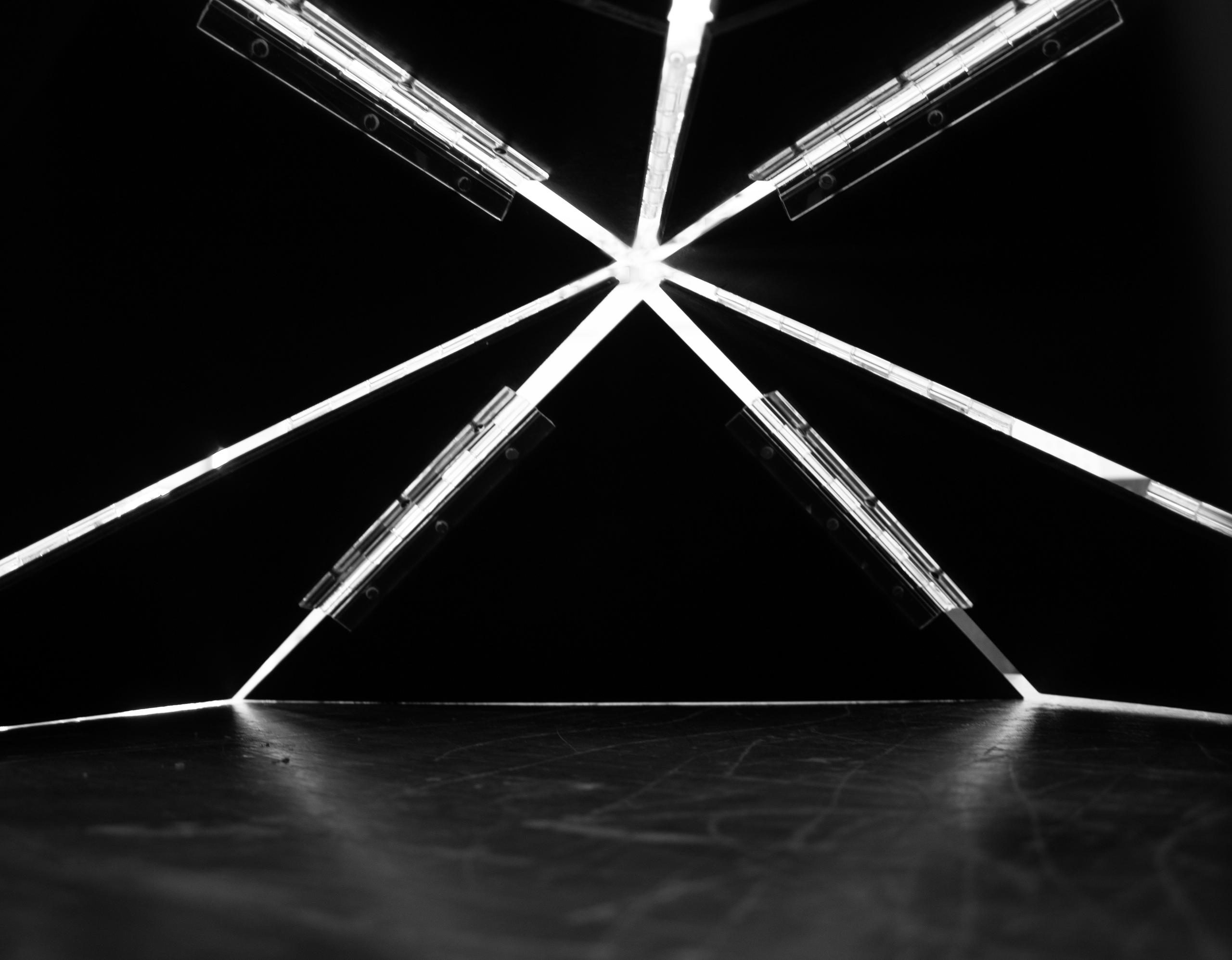
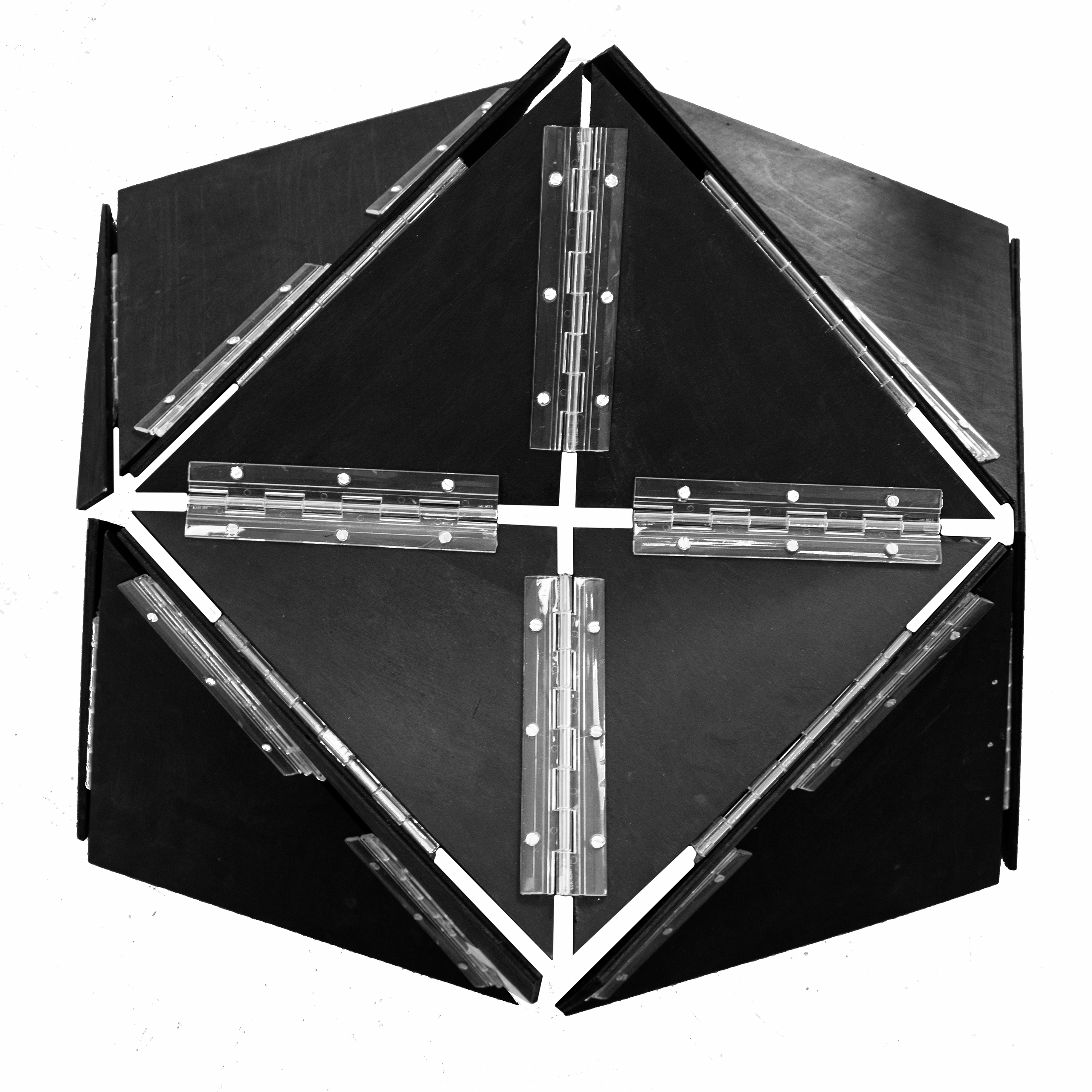
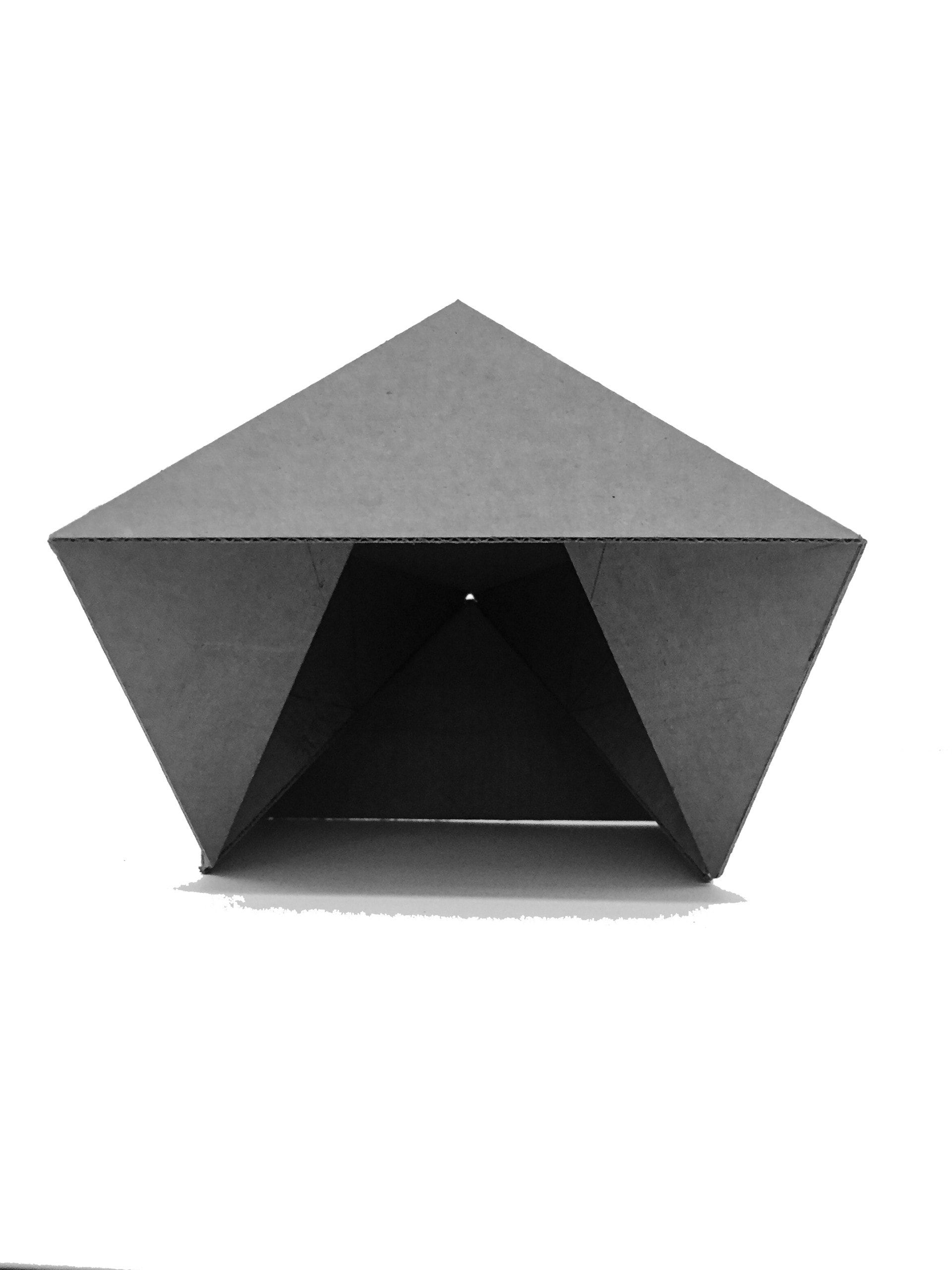
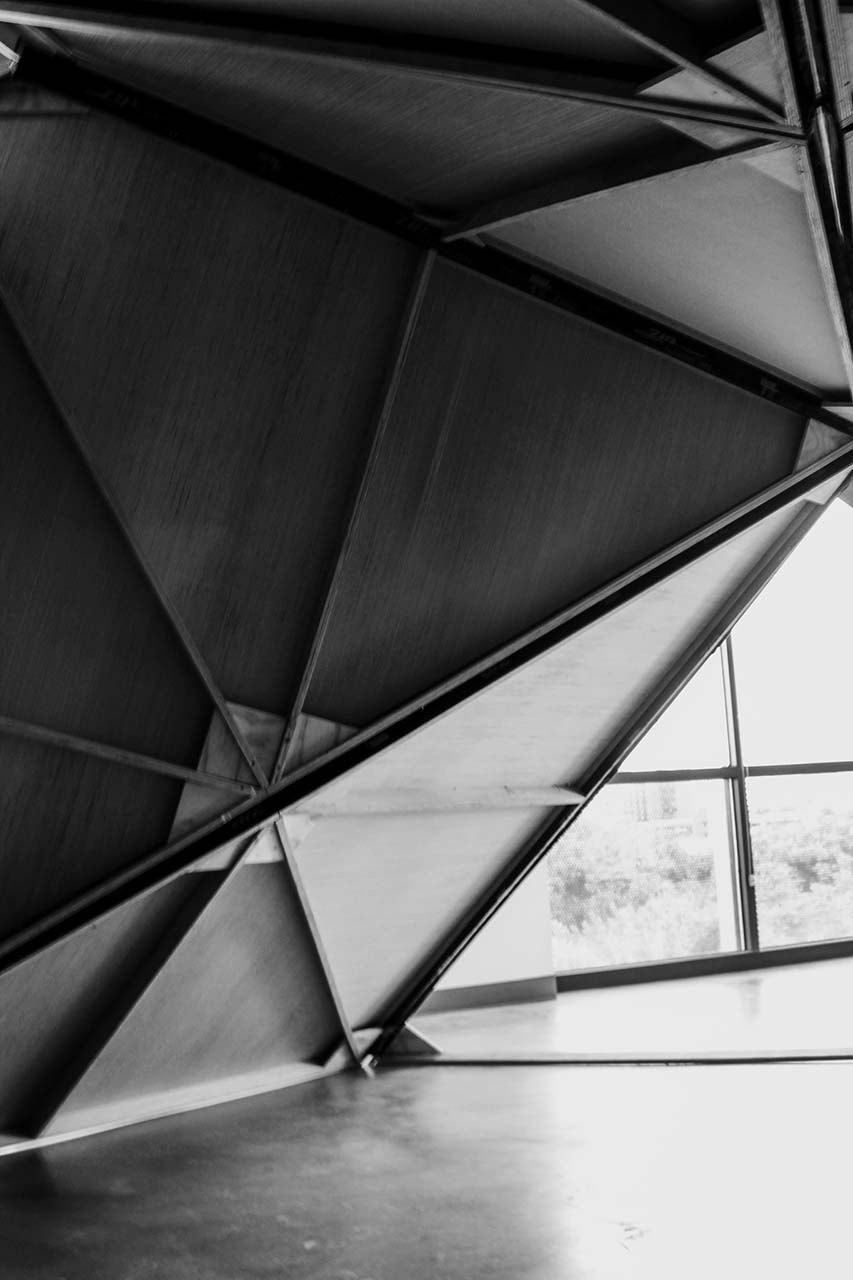
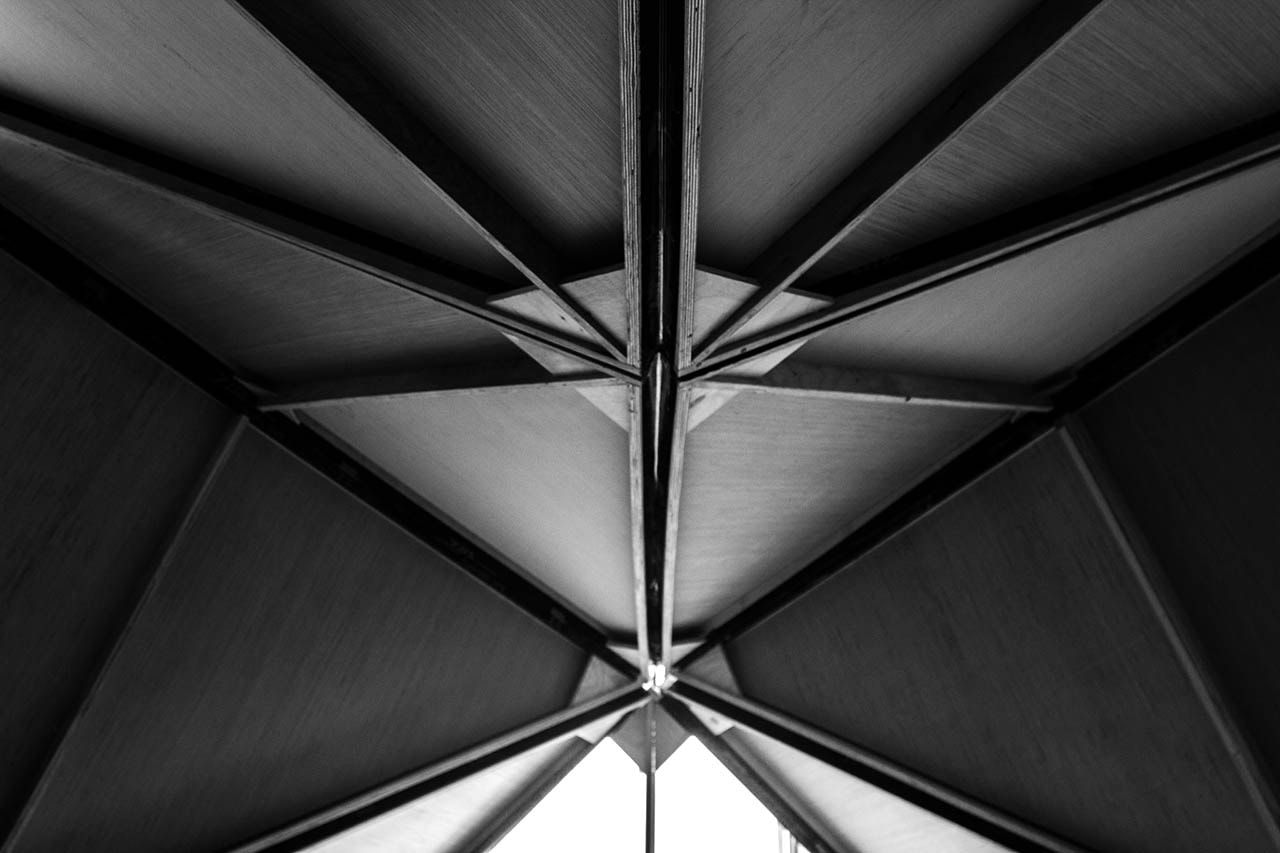
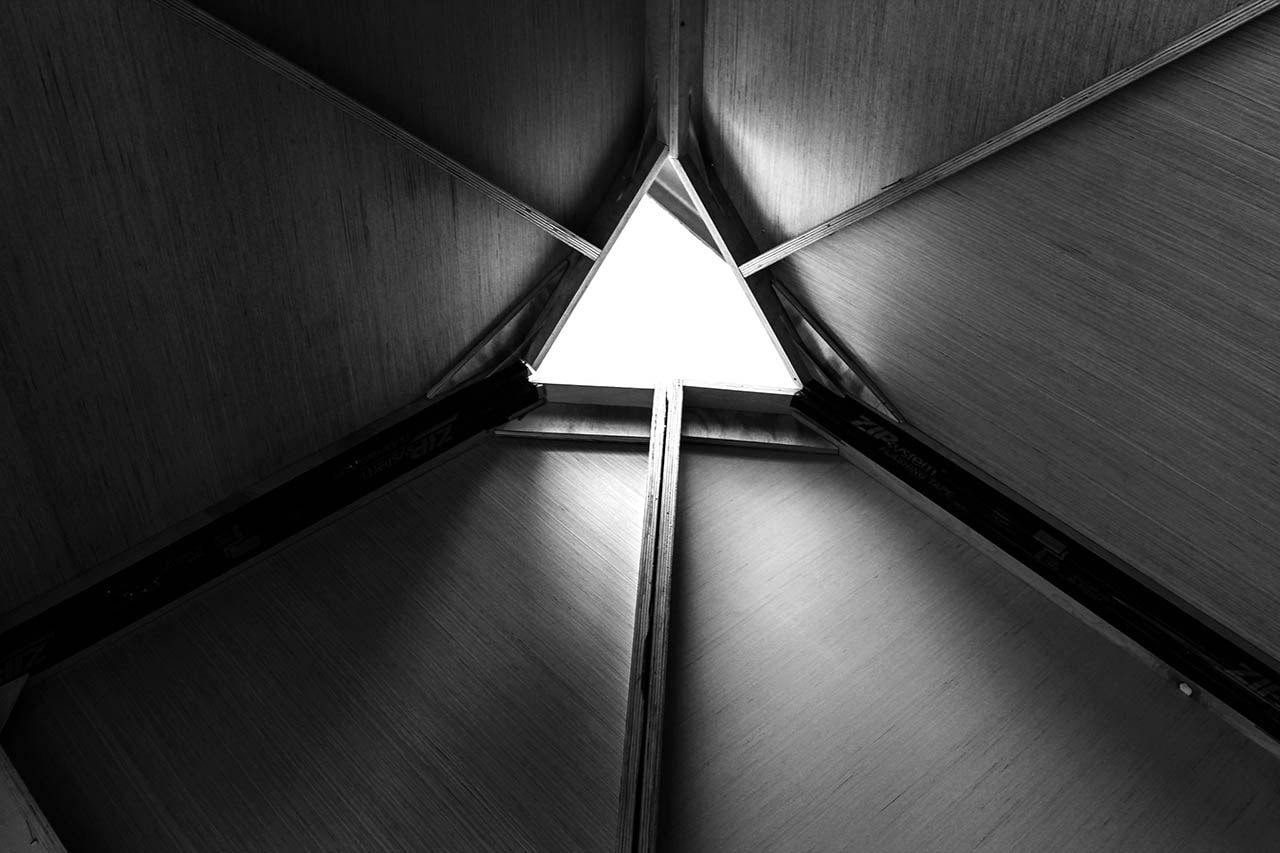
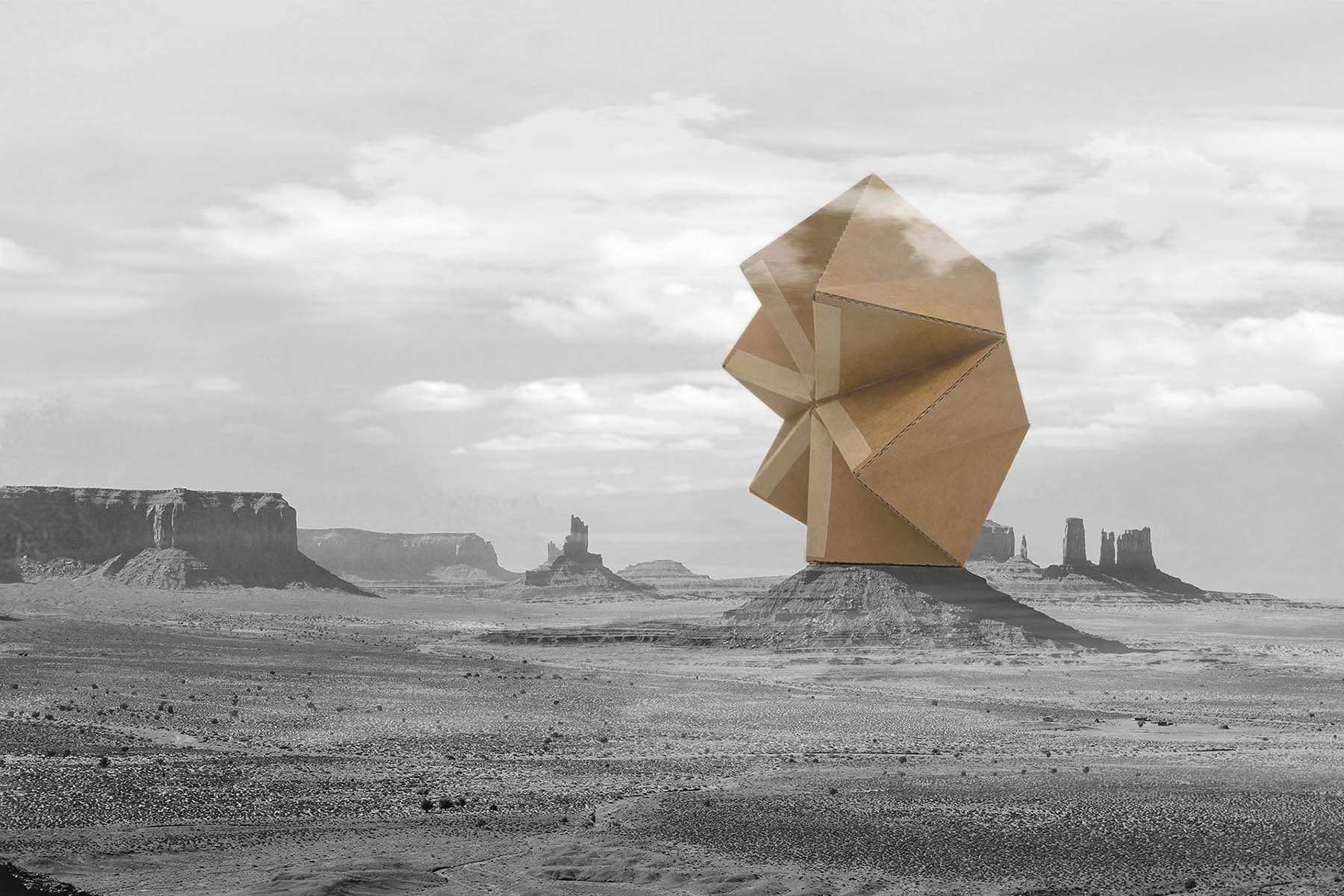
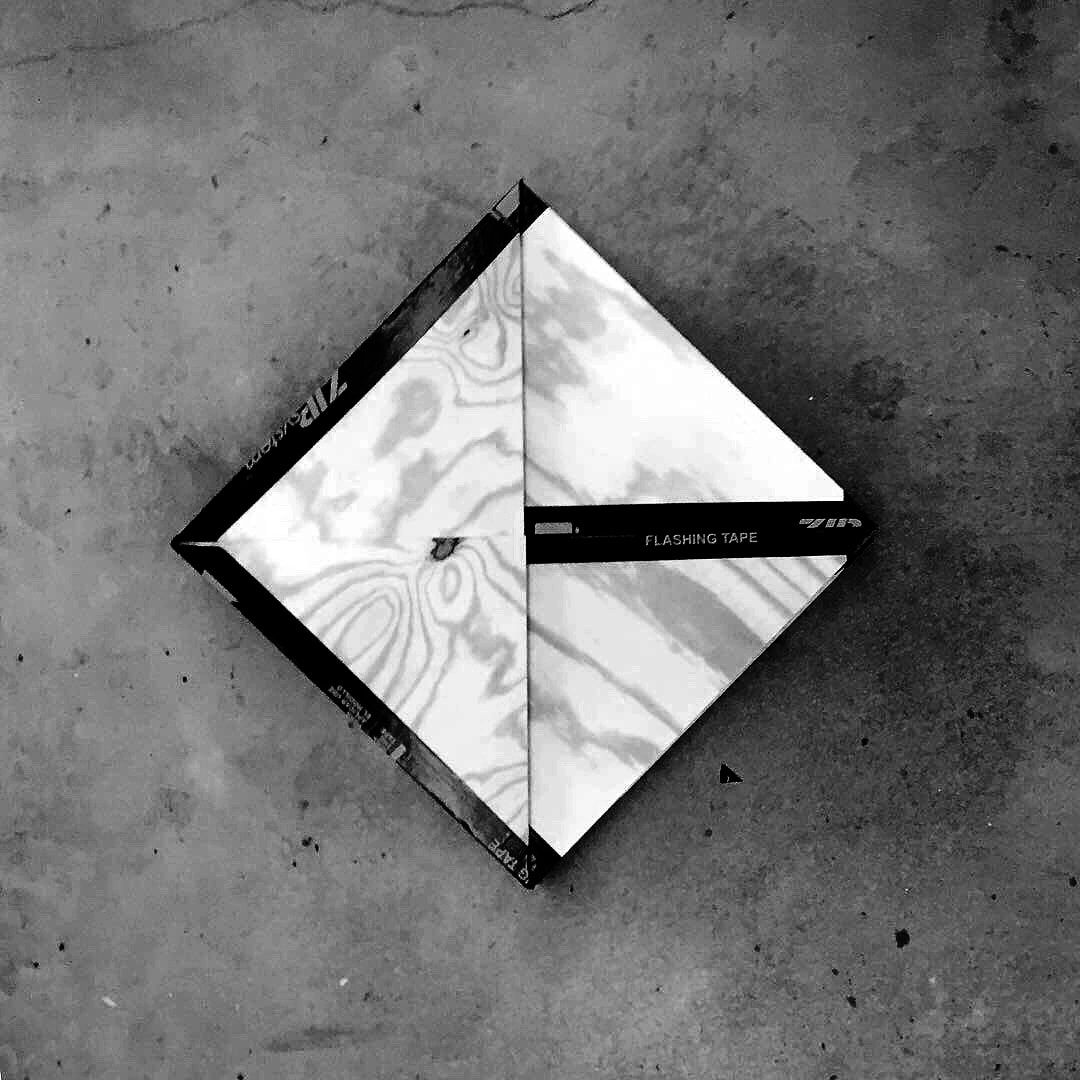
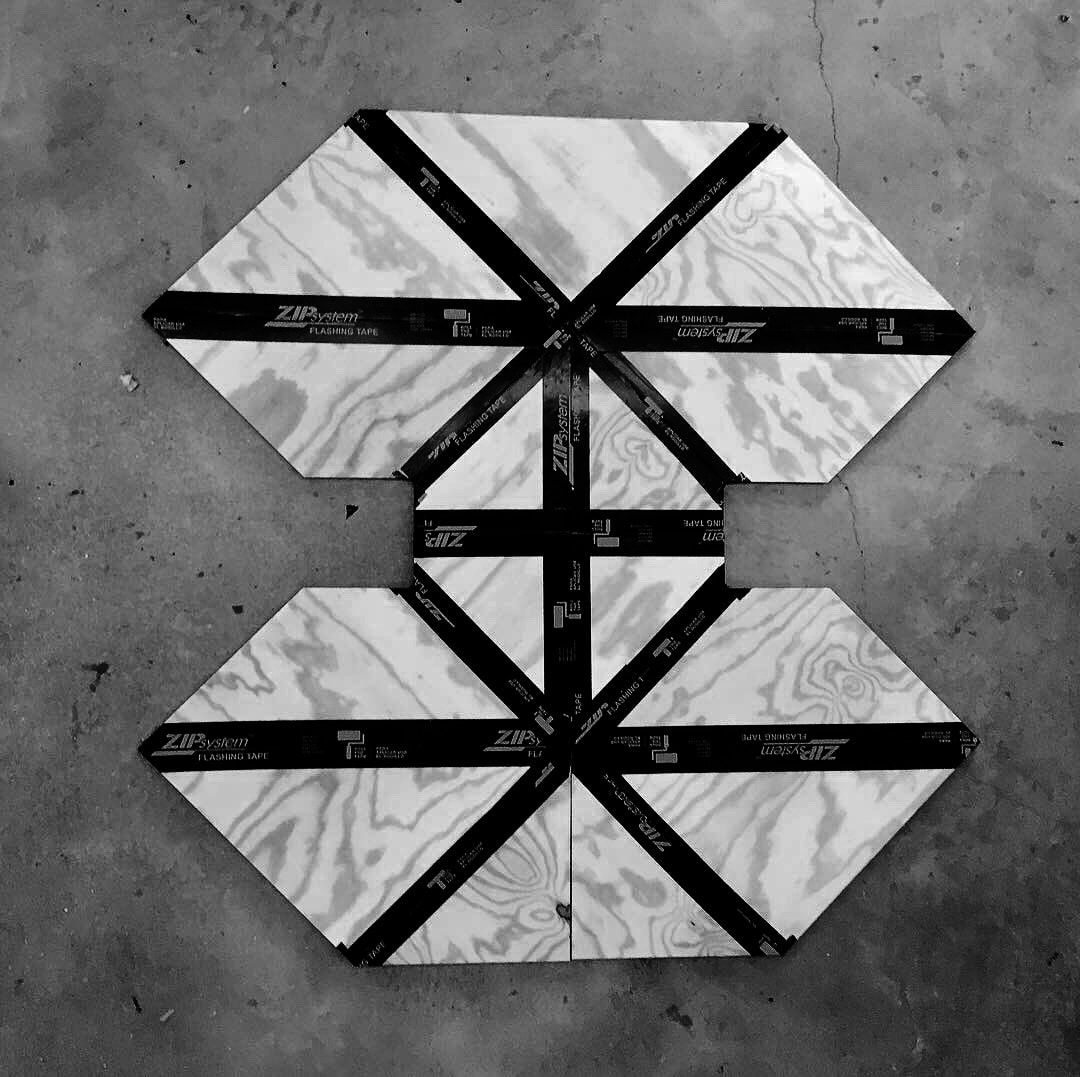
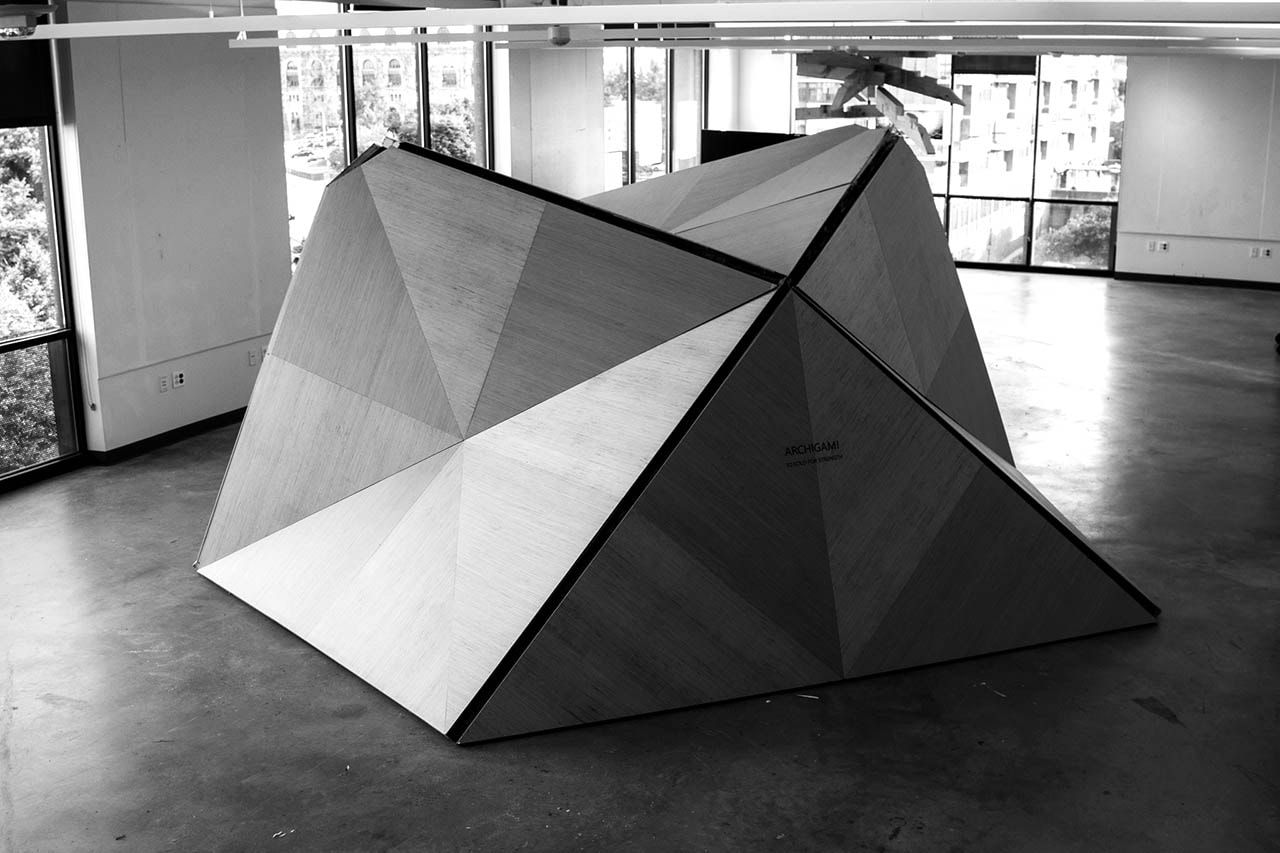
A folded-plate pavilion that deploys from flat-pack to a stable, permanent shell — 160 sq ft raised by four people in fifteen minutes.
Placeholder — description coming soon.

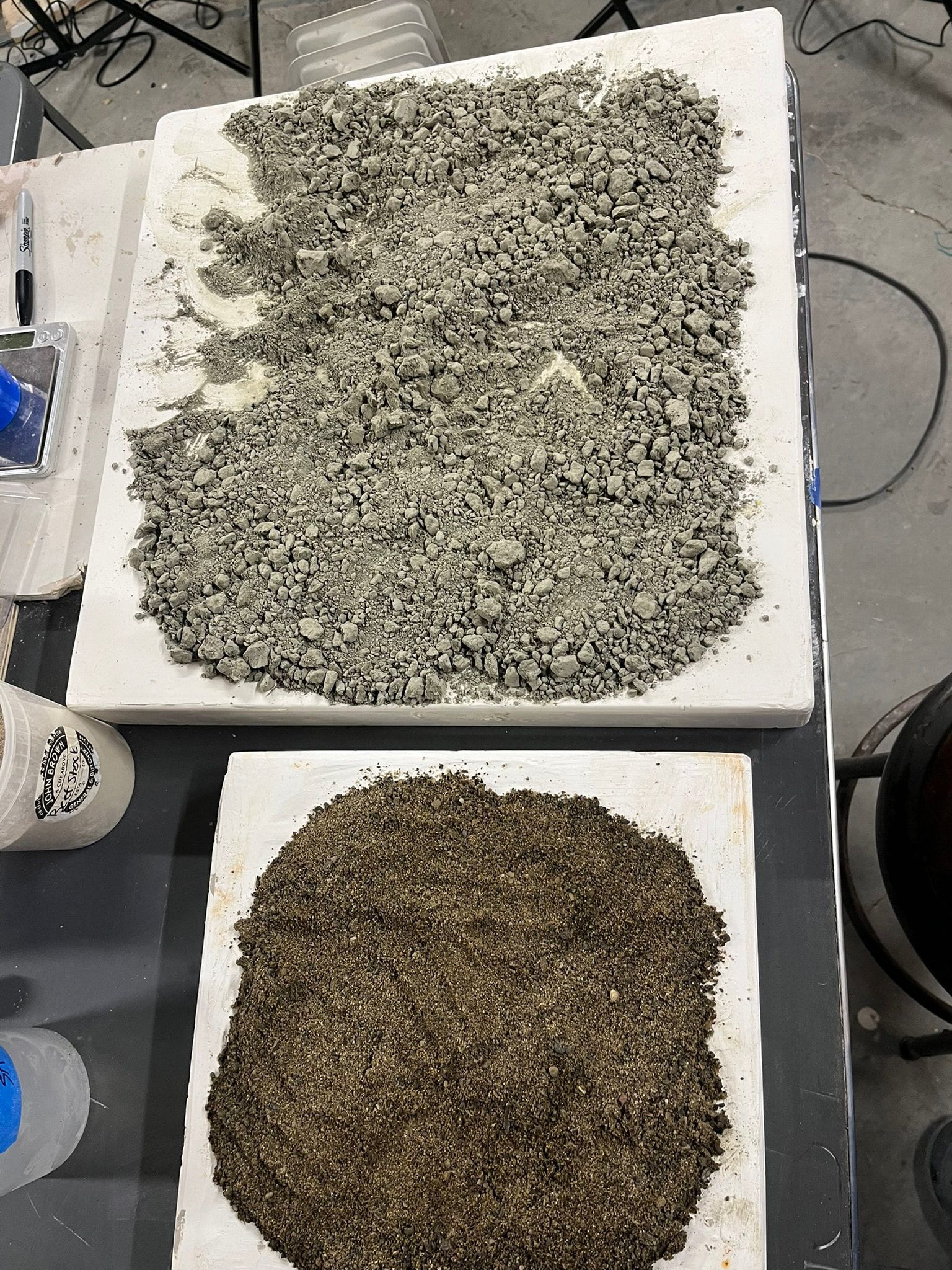
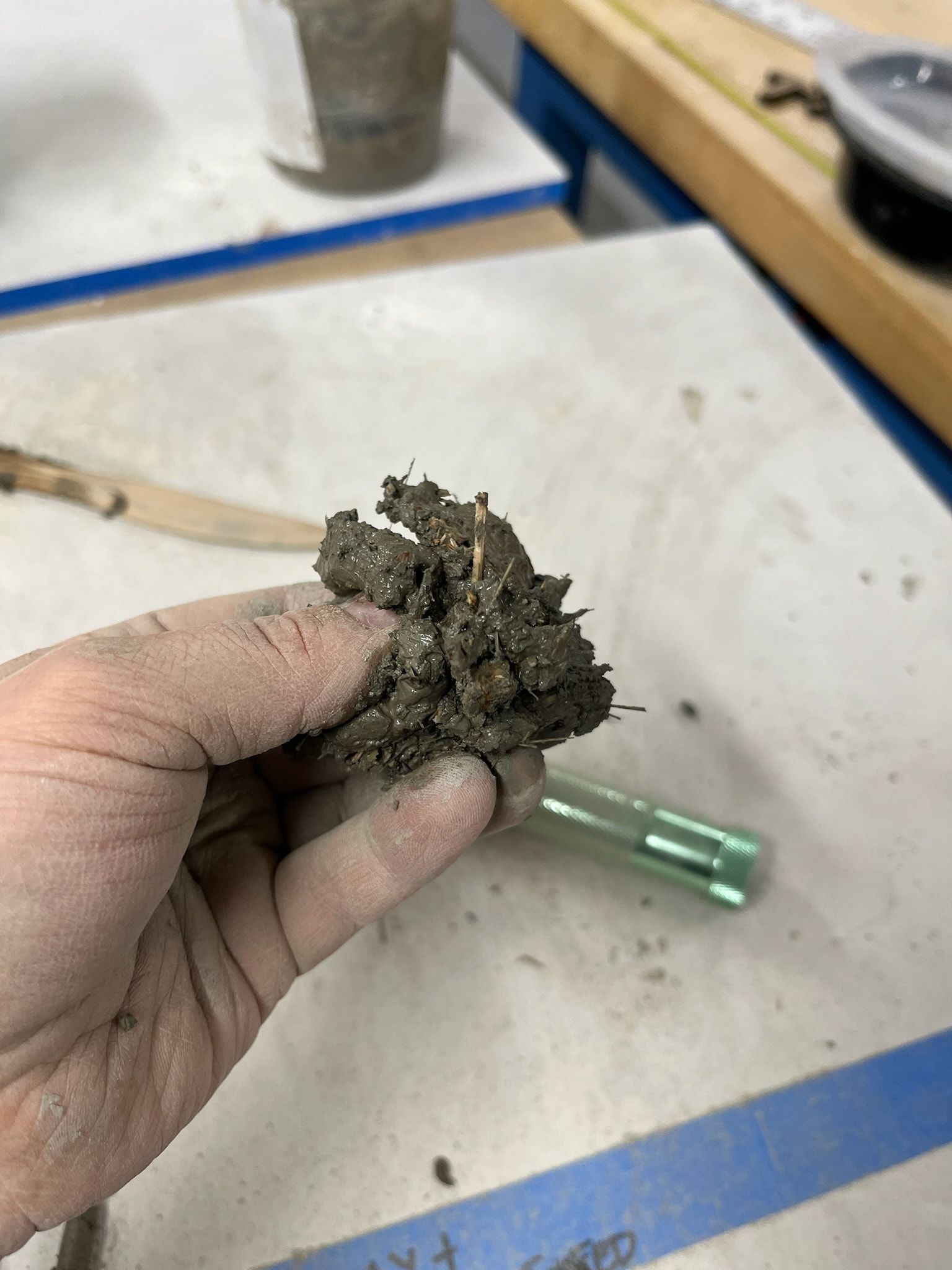
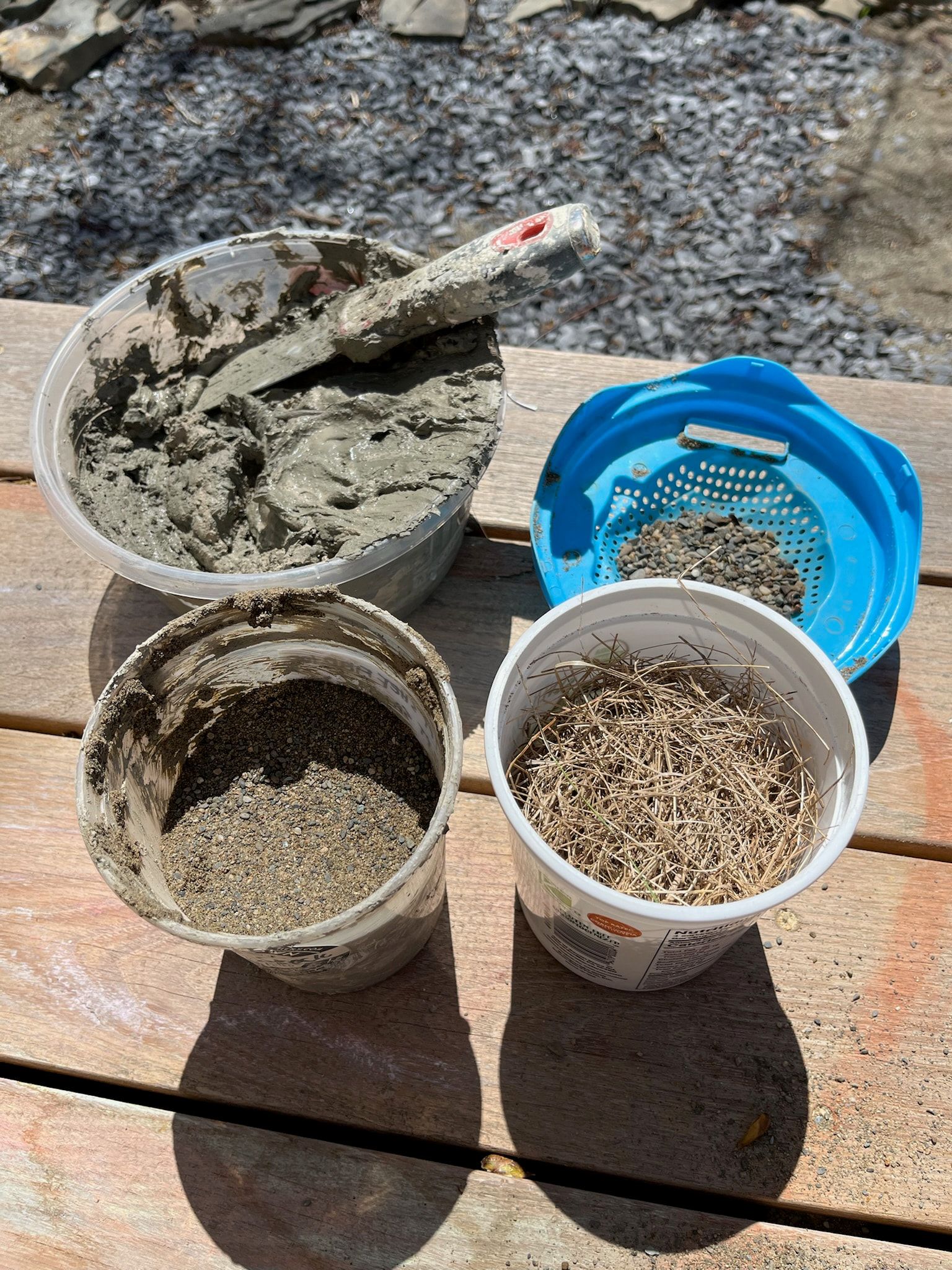
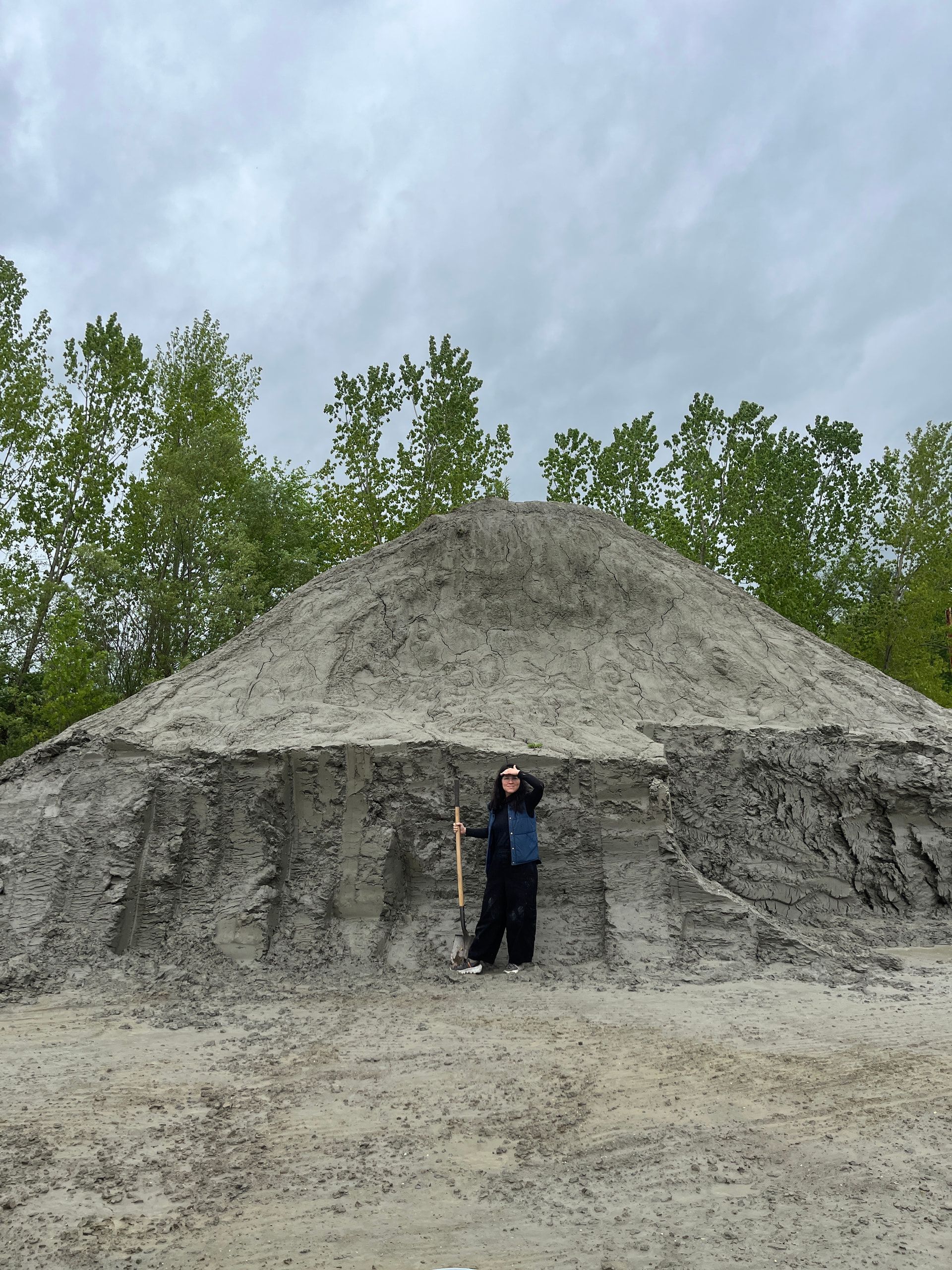
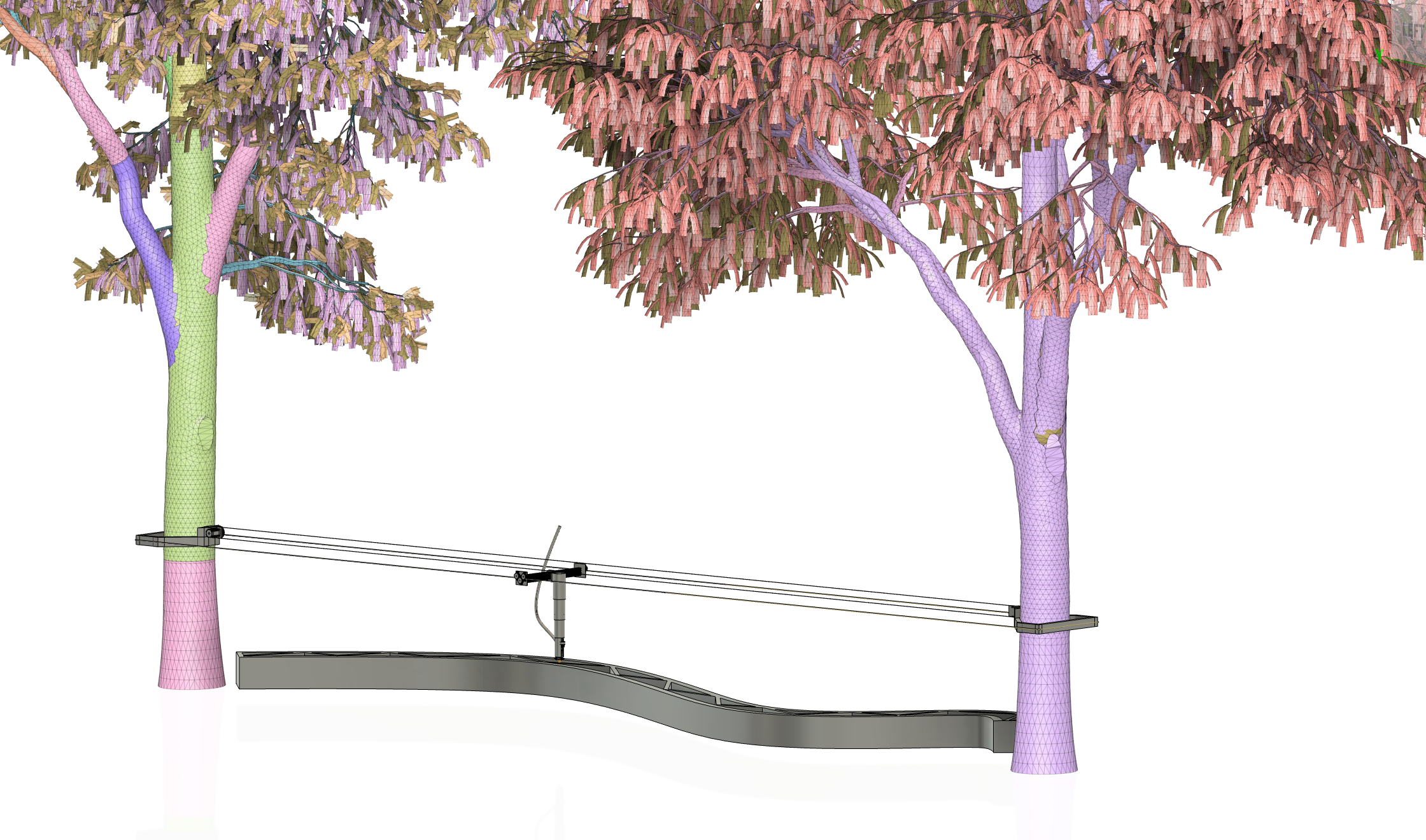
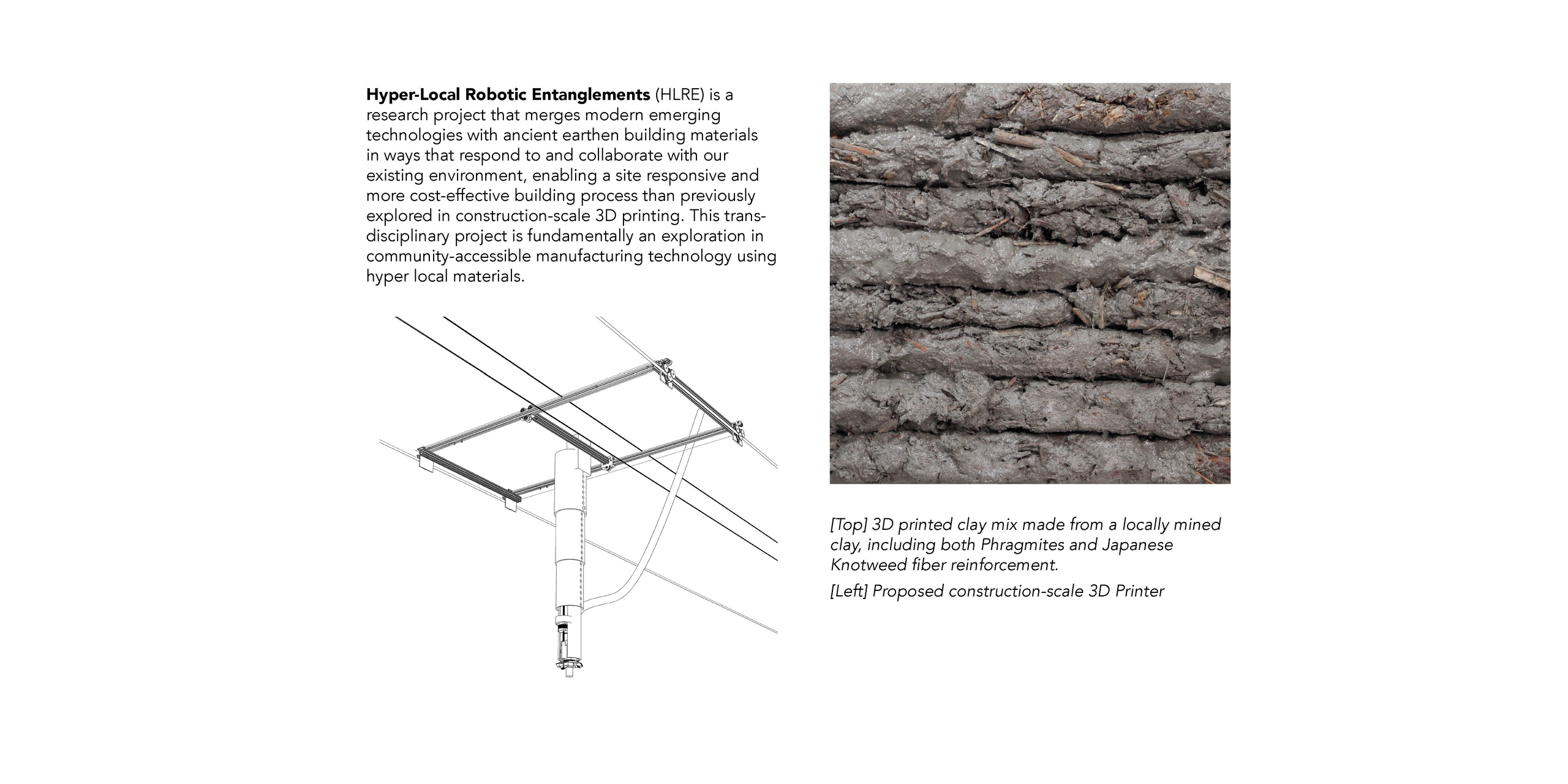
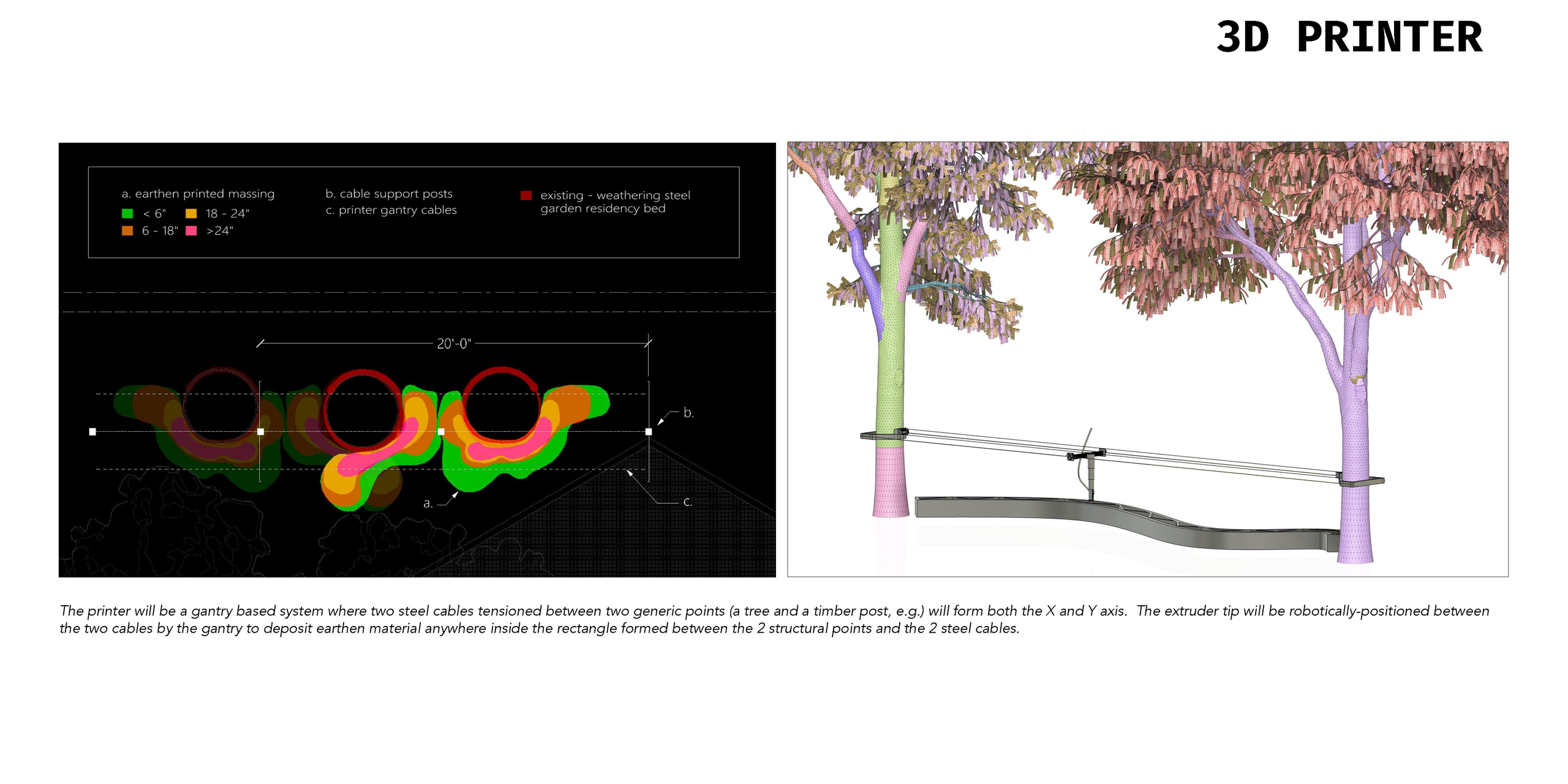
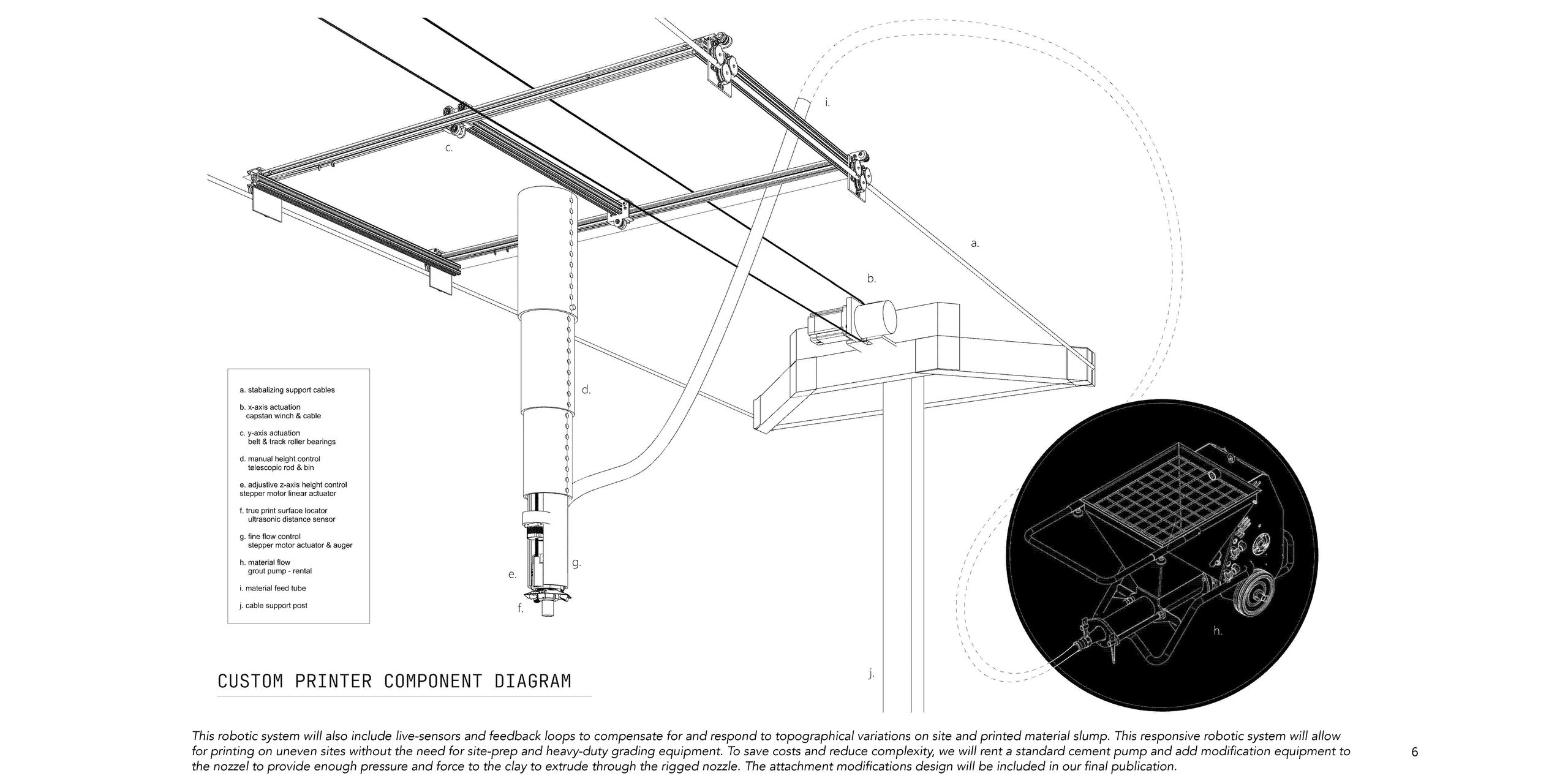
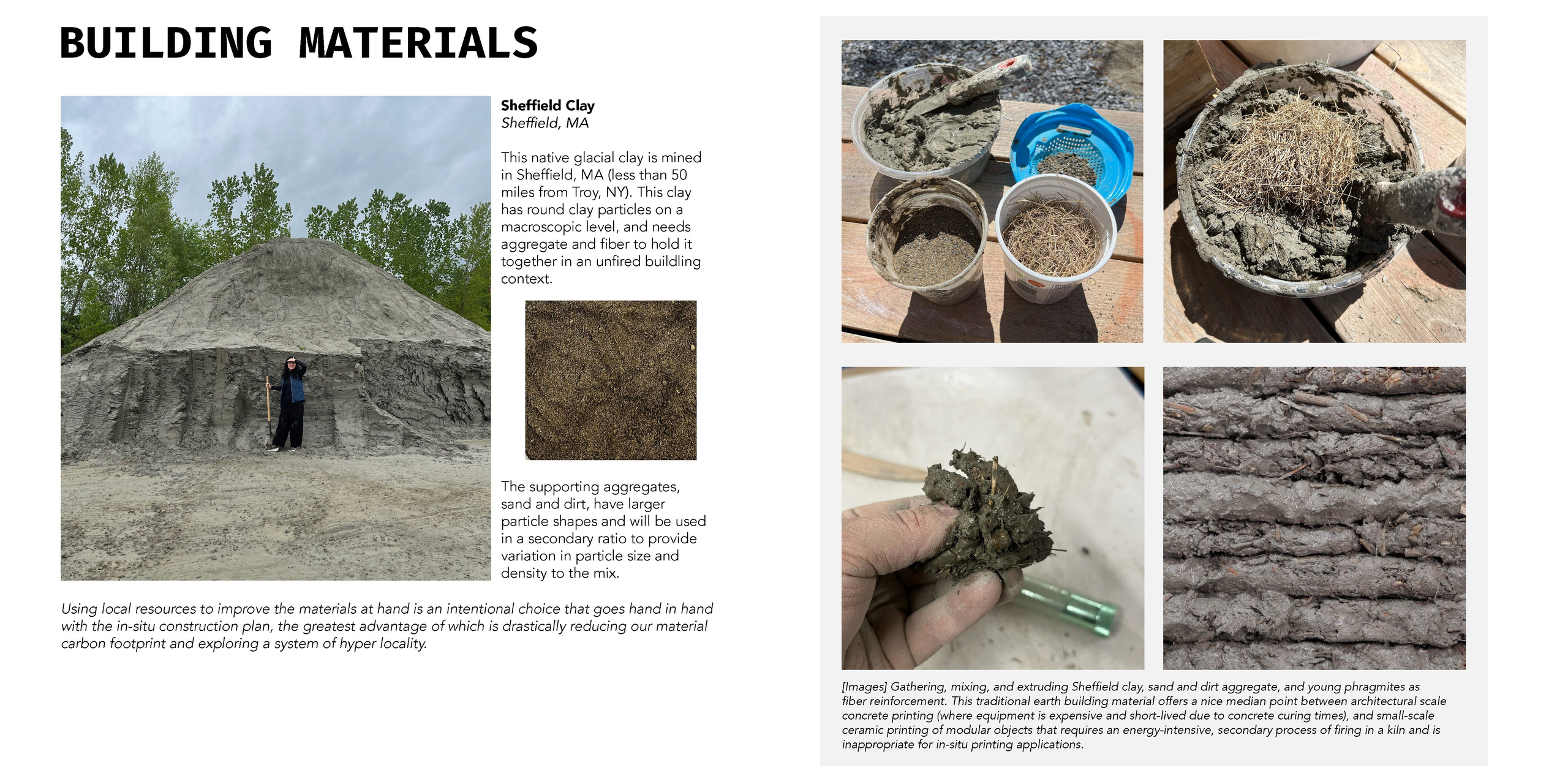
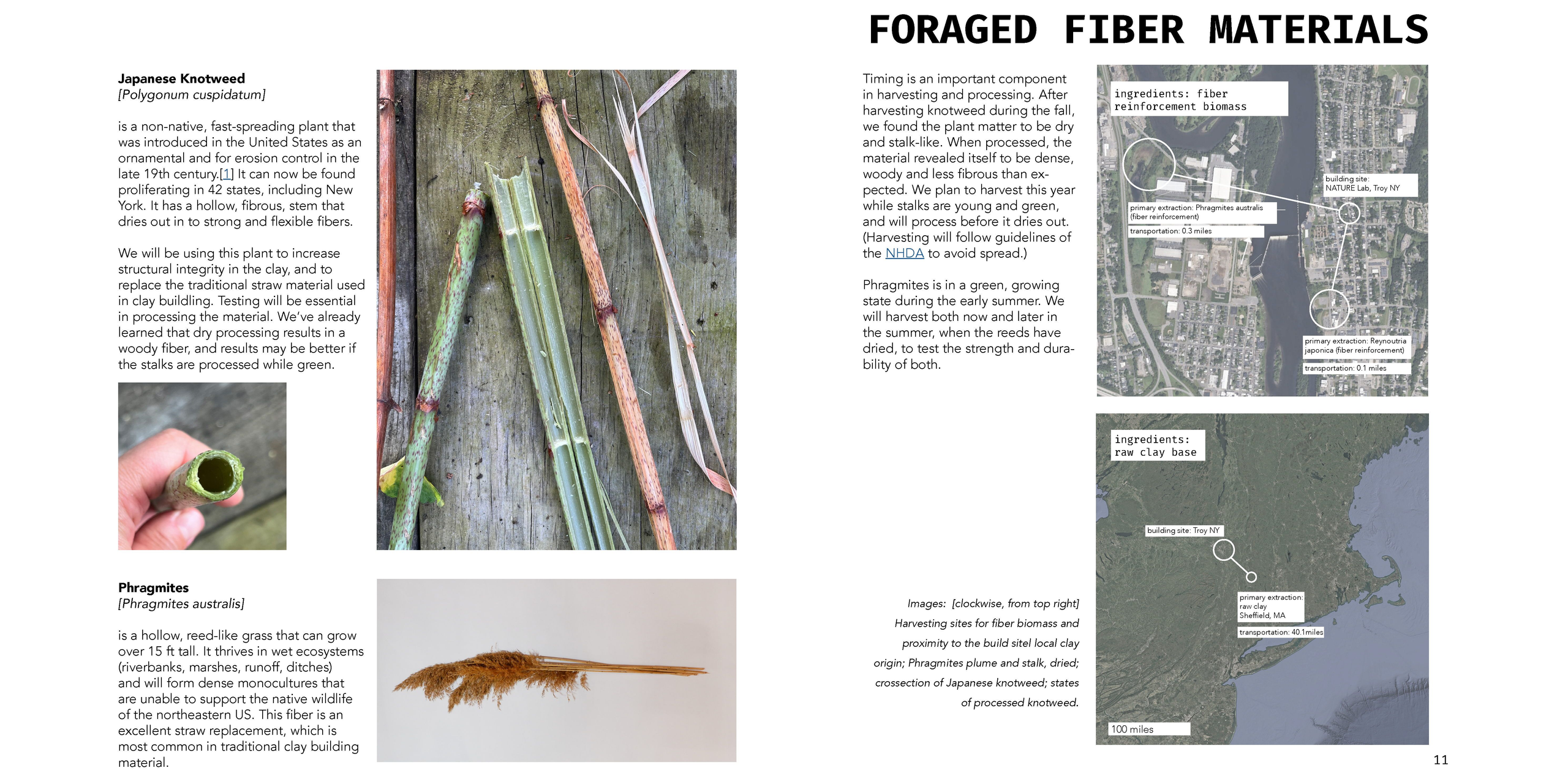
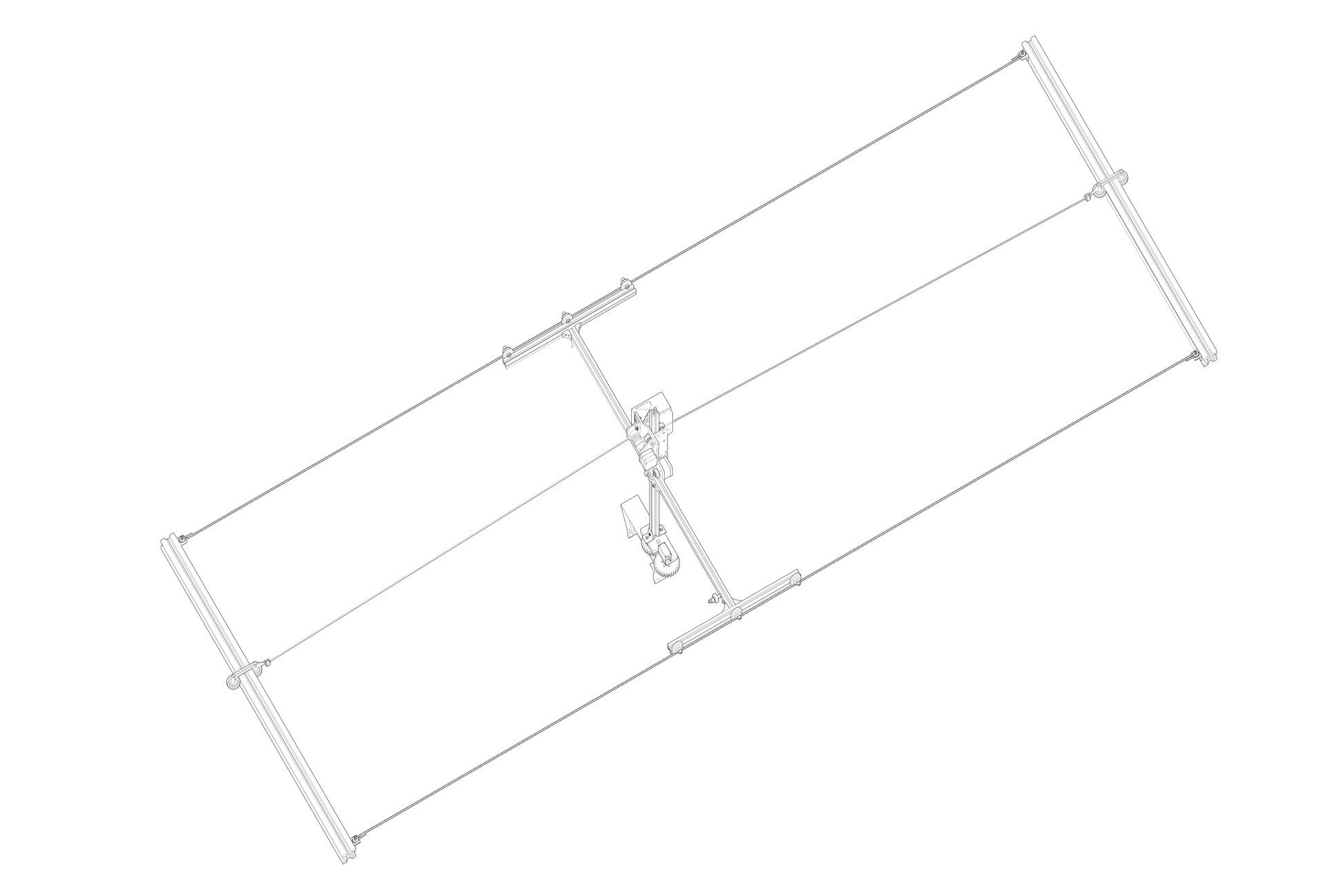
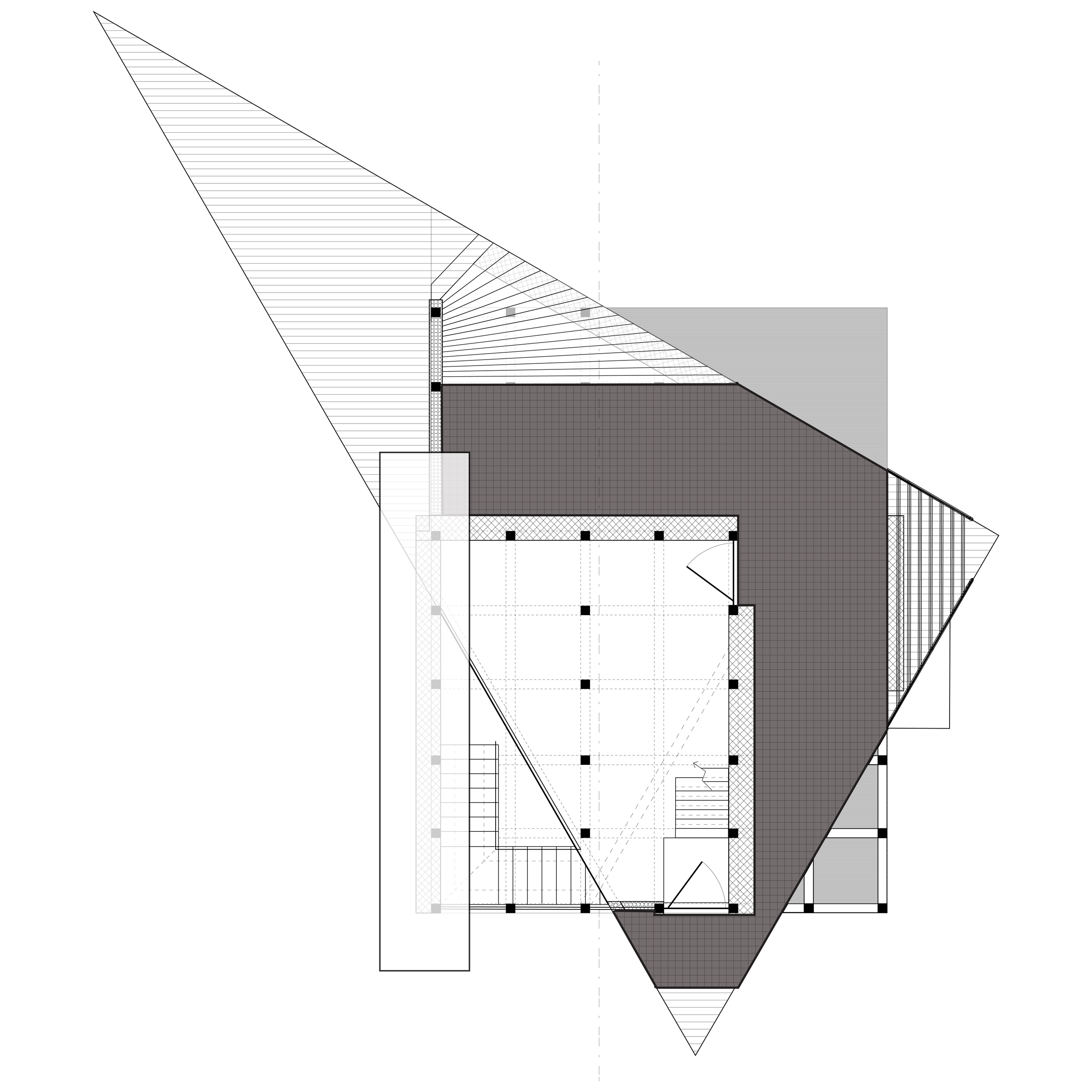
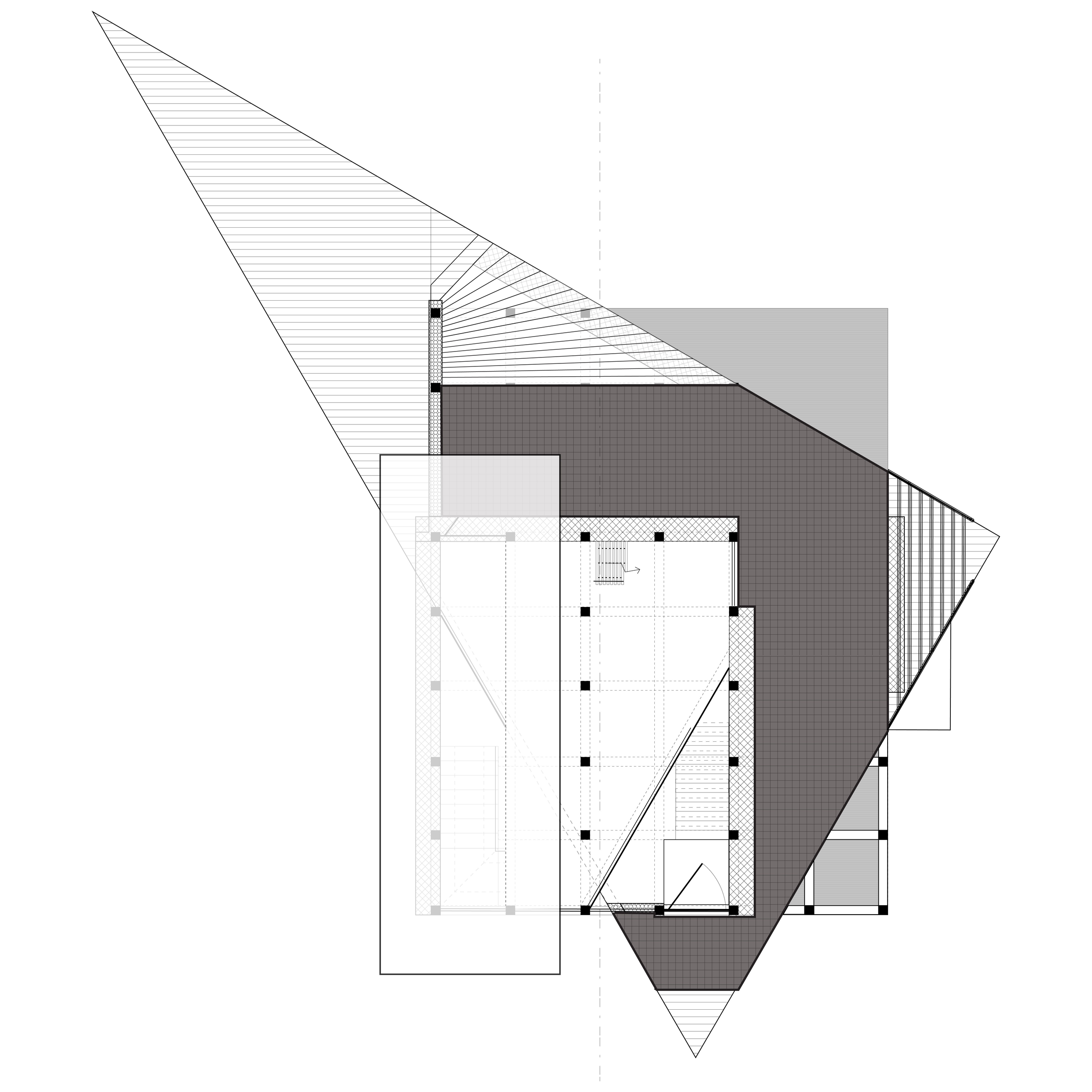
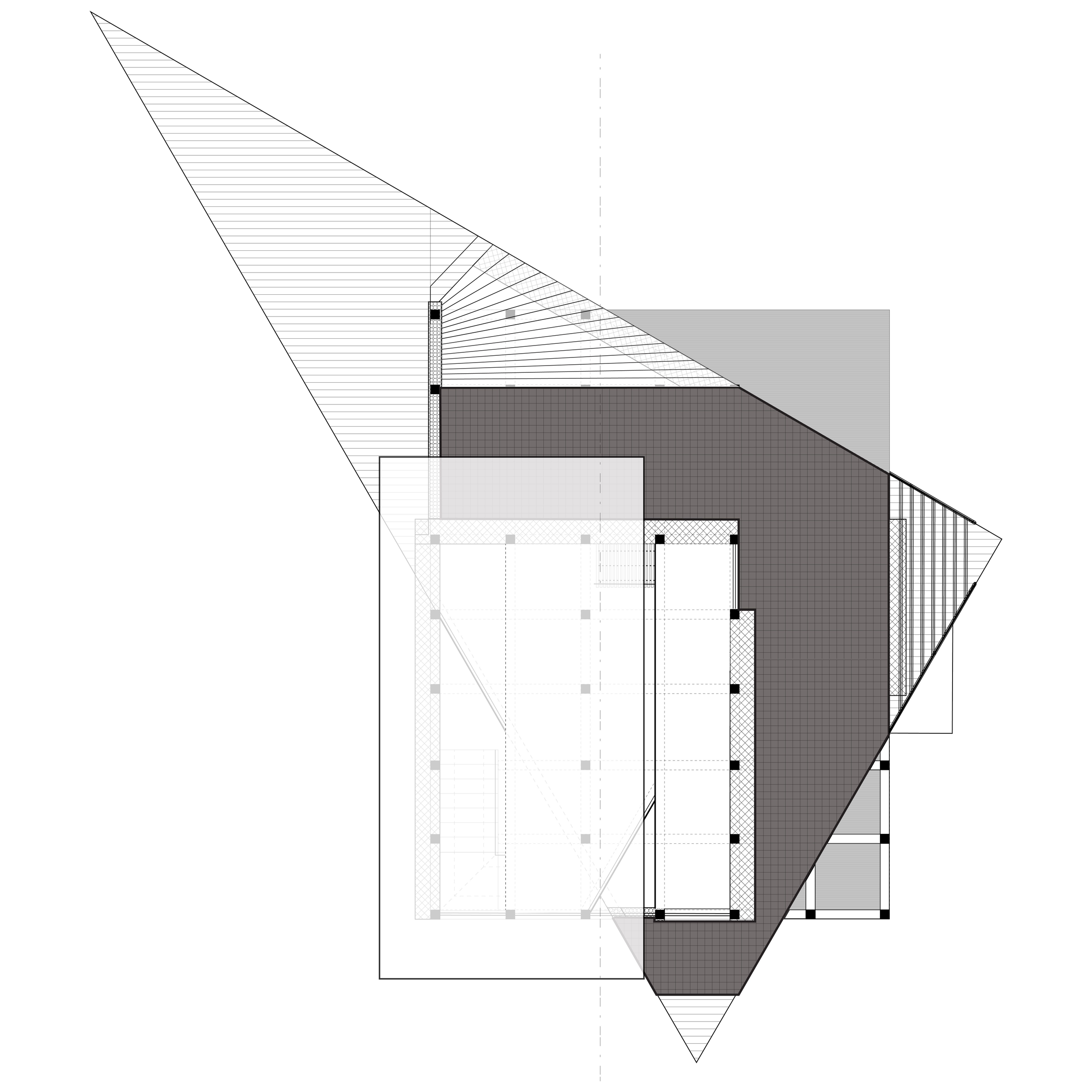
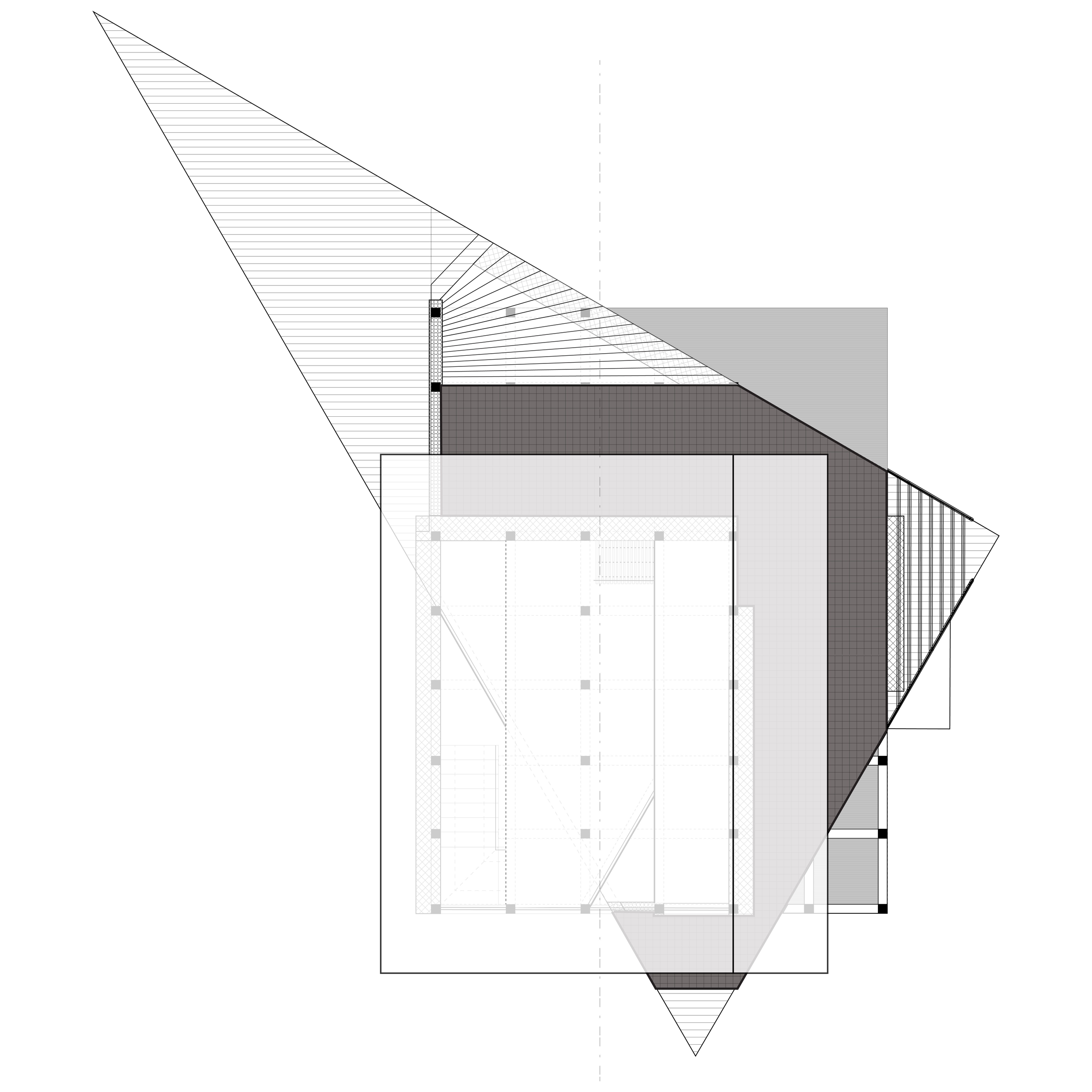
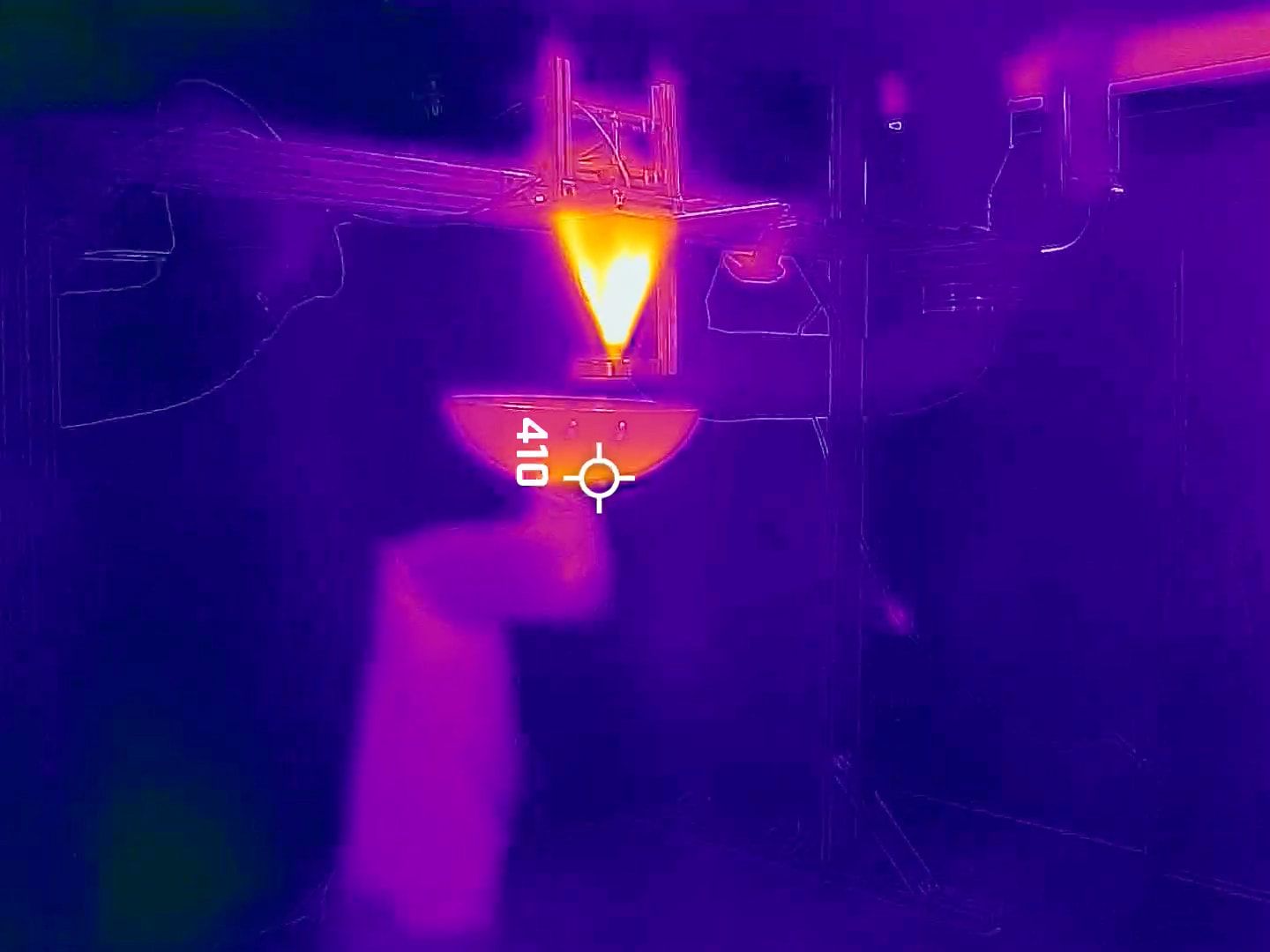
Earthen building — clay, lime, fiber — has always worked. What prevents it from being built isn’t the material; it’s labor, access, and the assumption that construction-scale fabrication requires industrial infrastructure. Backyard Bot proposes a different starting point: a cable-tensioned gantry printer that deploys between any two structural anchors on a site, extrudes a bioregional earthen mix of local clays, hydraulic lime, and fiber harvested from the invasive riparian species Phragmites australis — and fits in a car trunk.
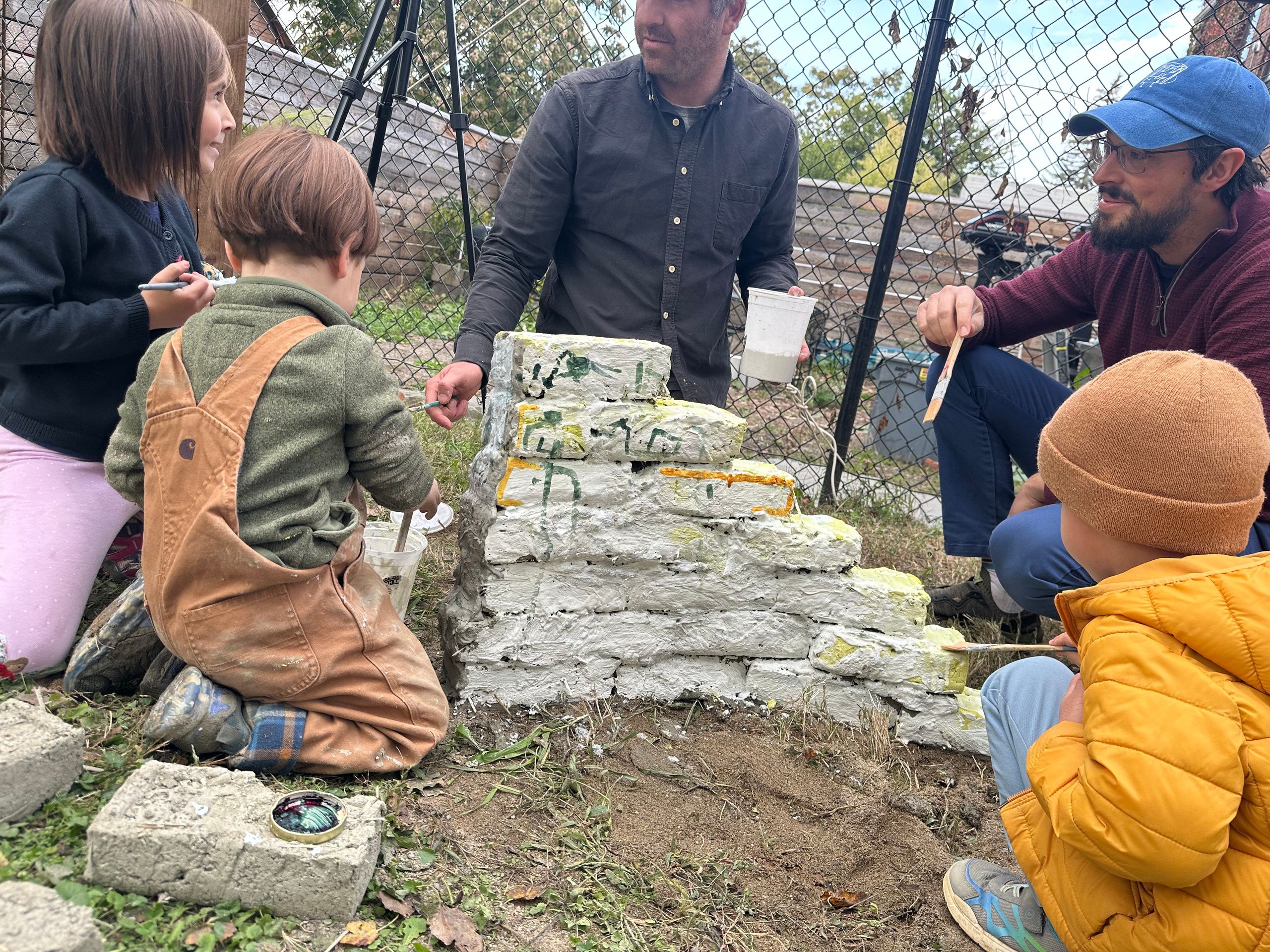
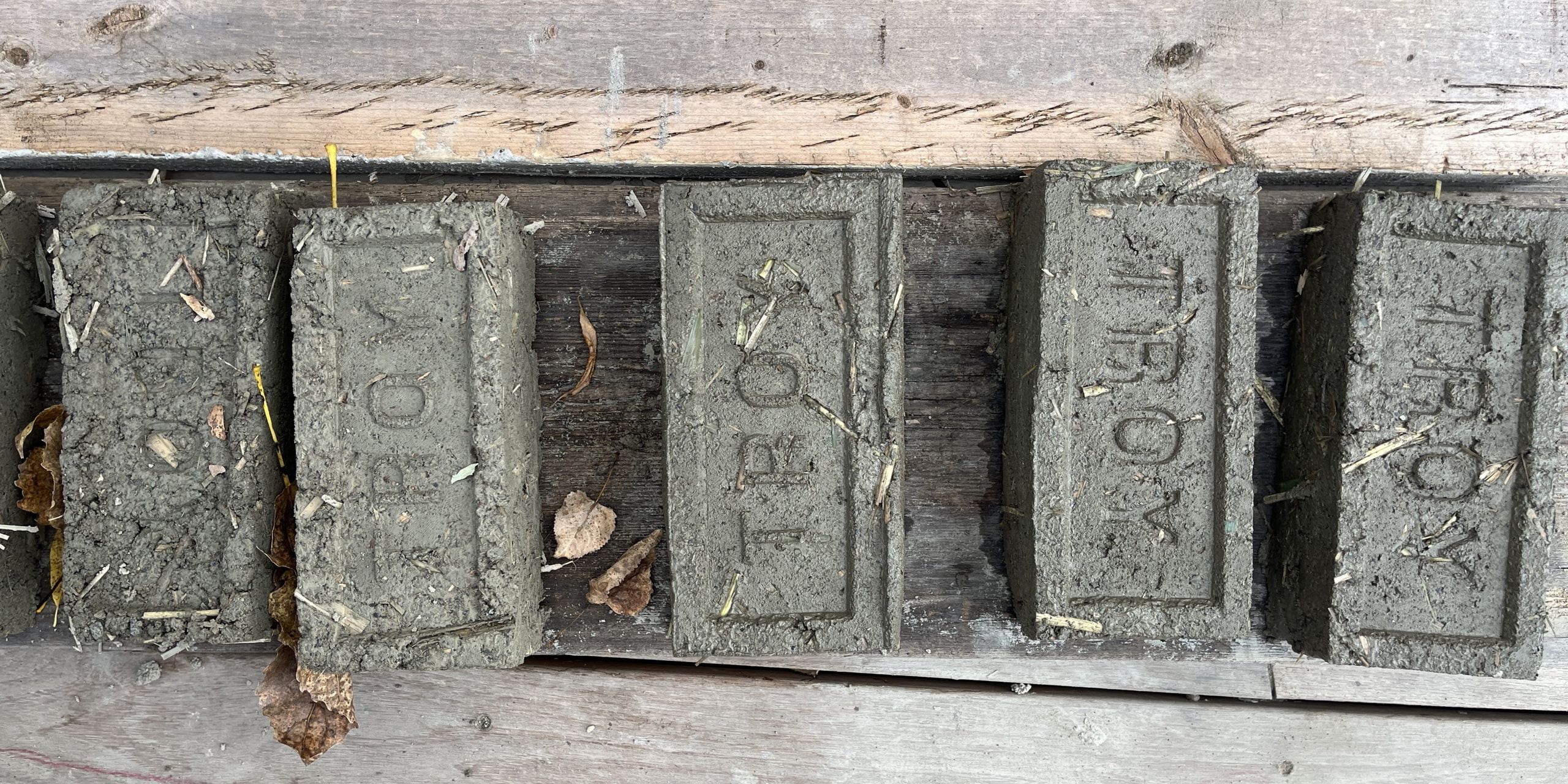
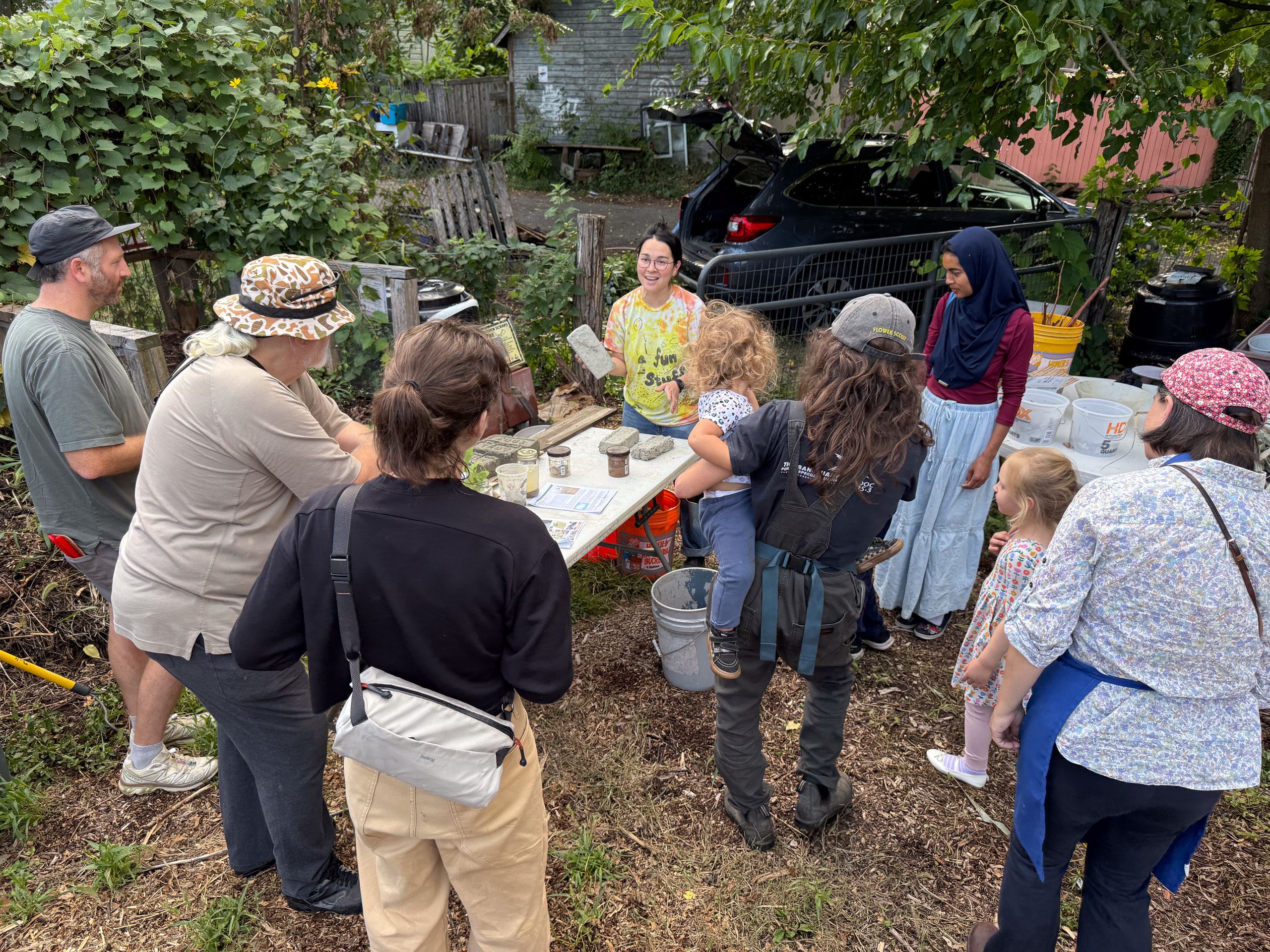
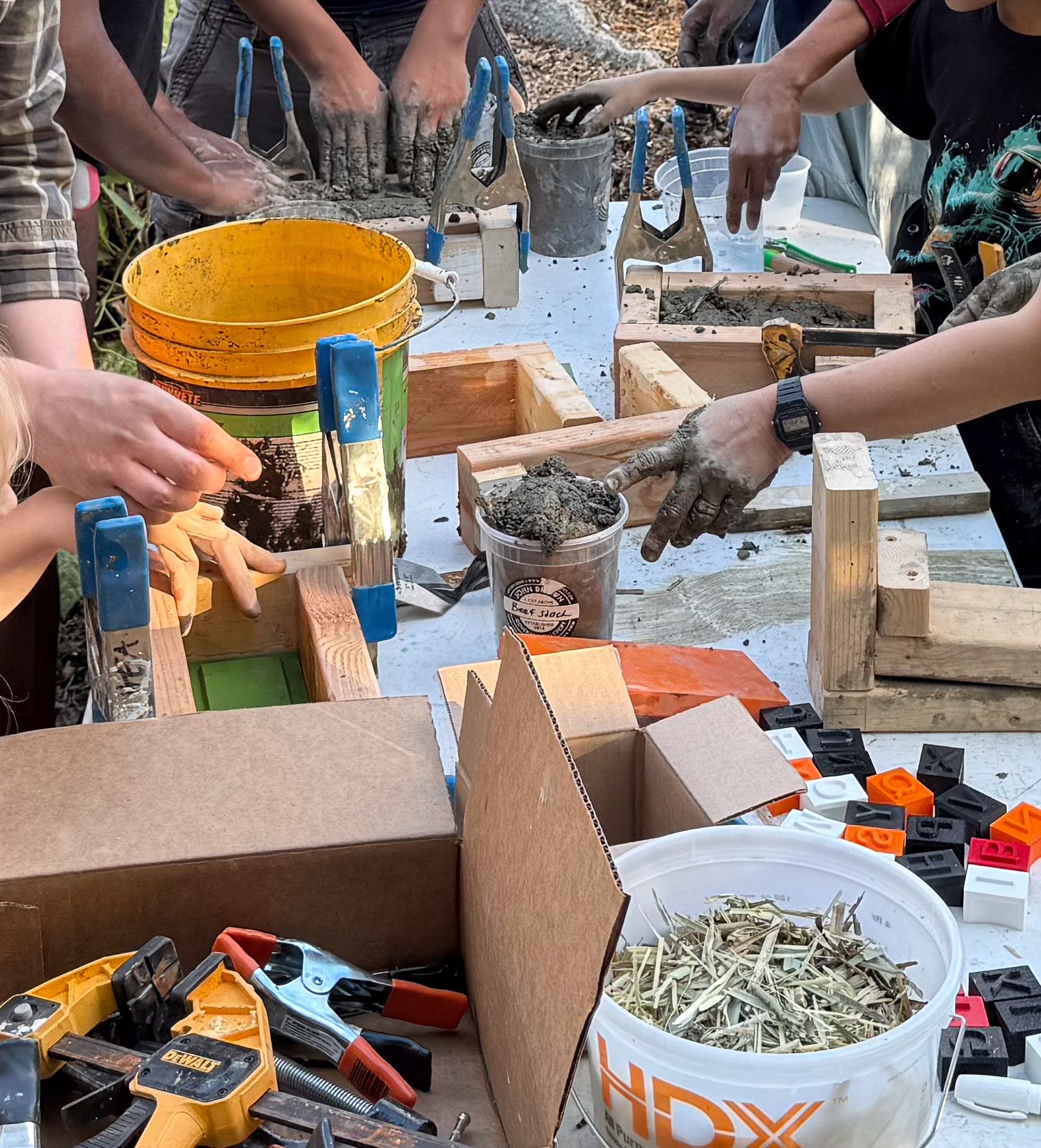
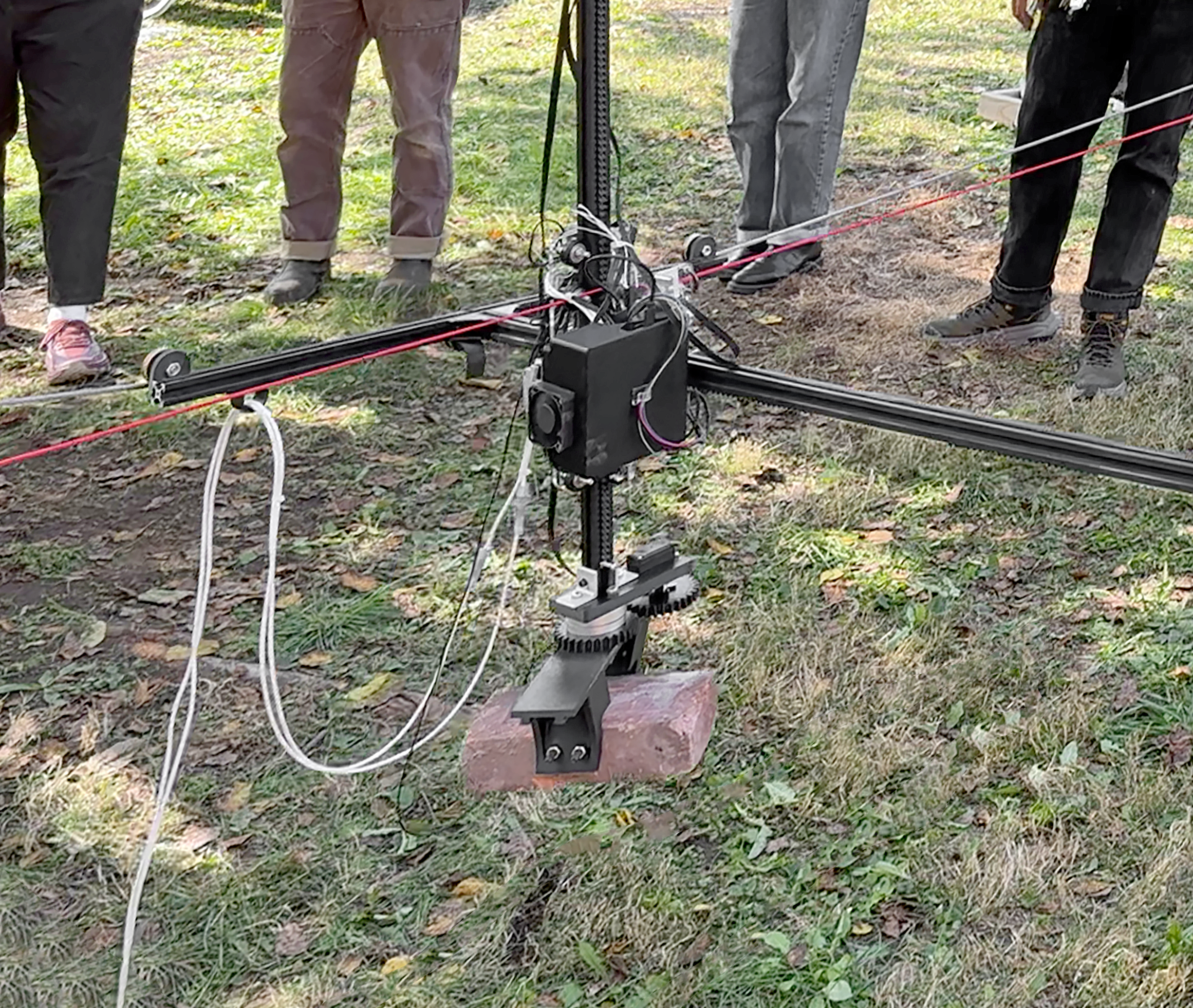
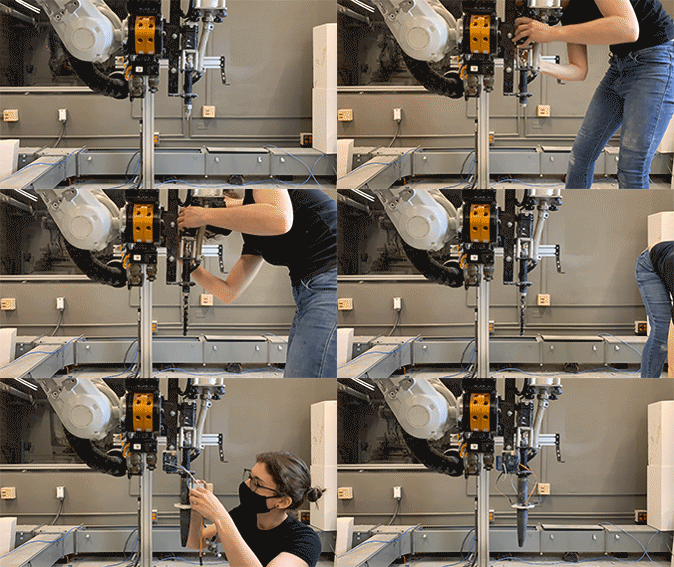
Phase One demonstrated the robot as a pick-and-place system in a public workshop using hand-formed earthen bricks.
Developed in collaboration with the NATURE Lab community in Troy, NY.
(in progress)
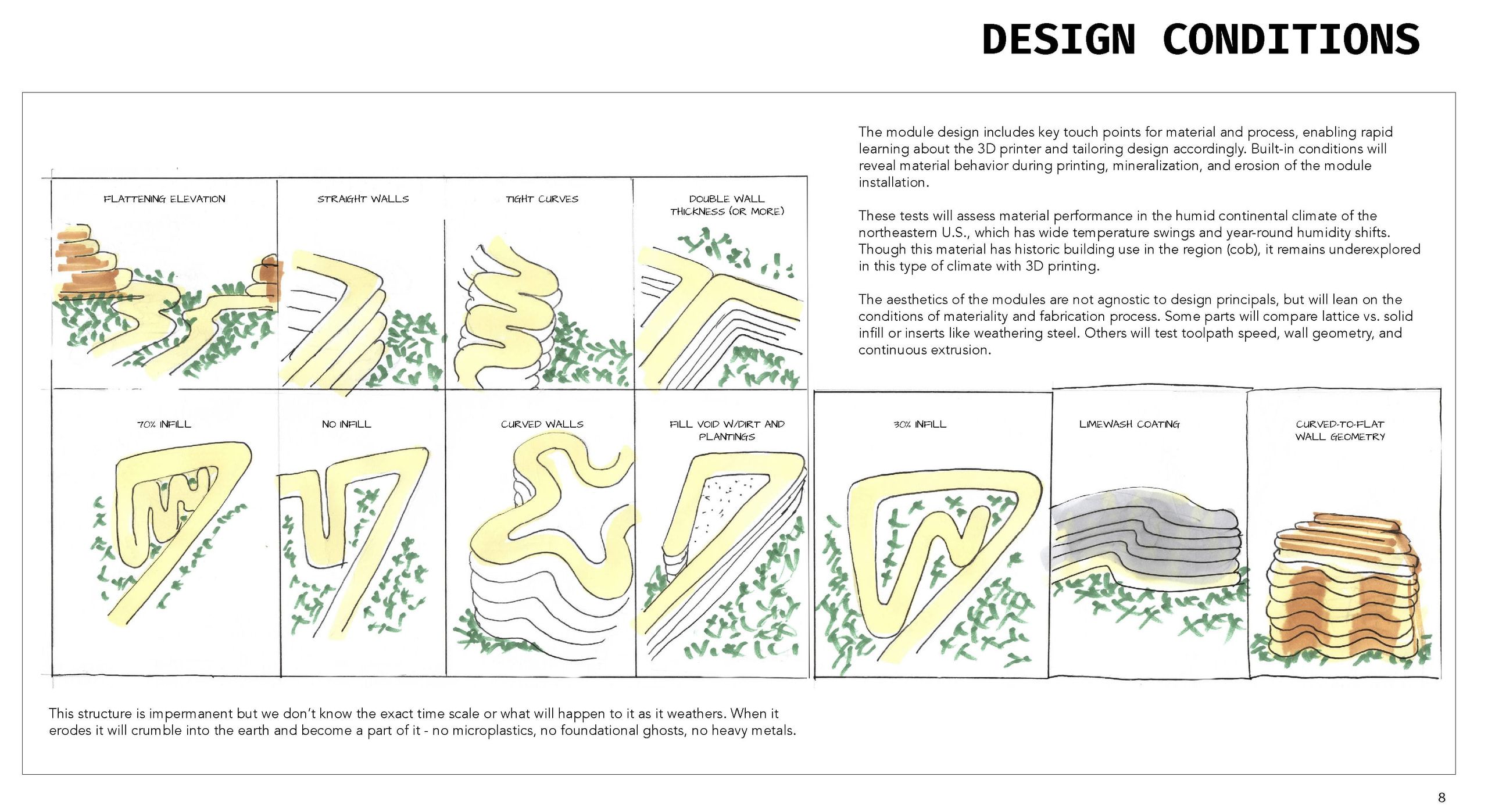
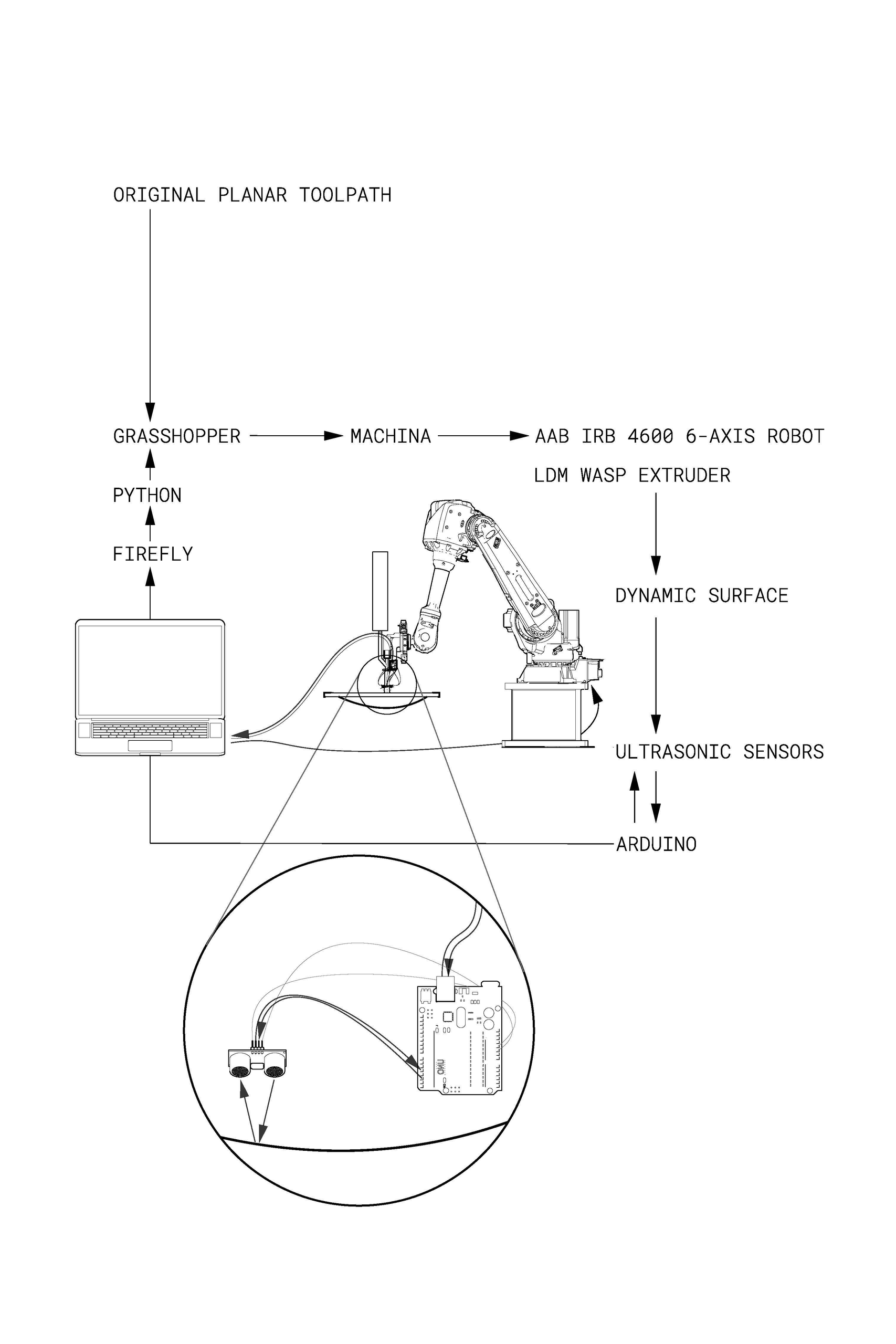
We are currently developing structural upgrades, a hopper-fed auger extrusion system with IR layer-sensing and LiDAR terrain compensation, and an iterative, locally-sourced earthen mix for construction-scale printing.
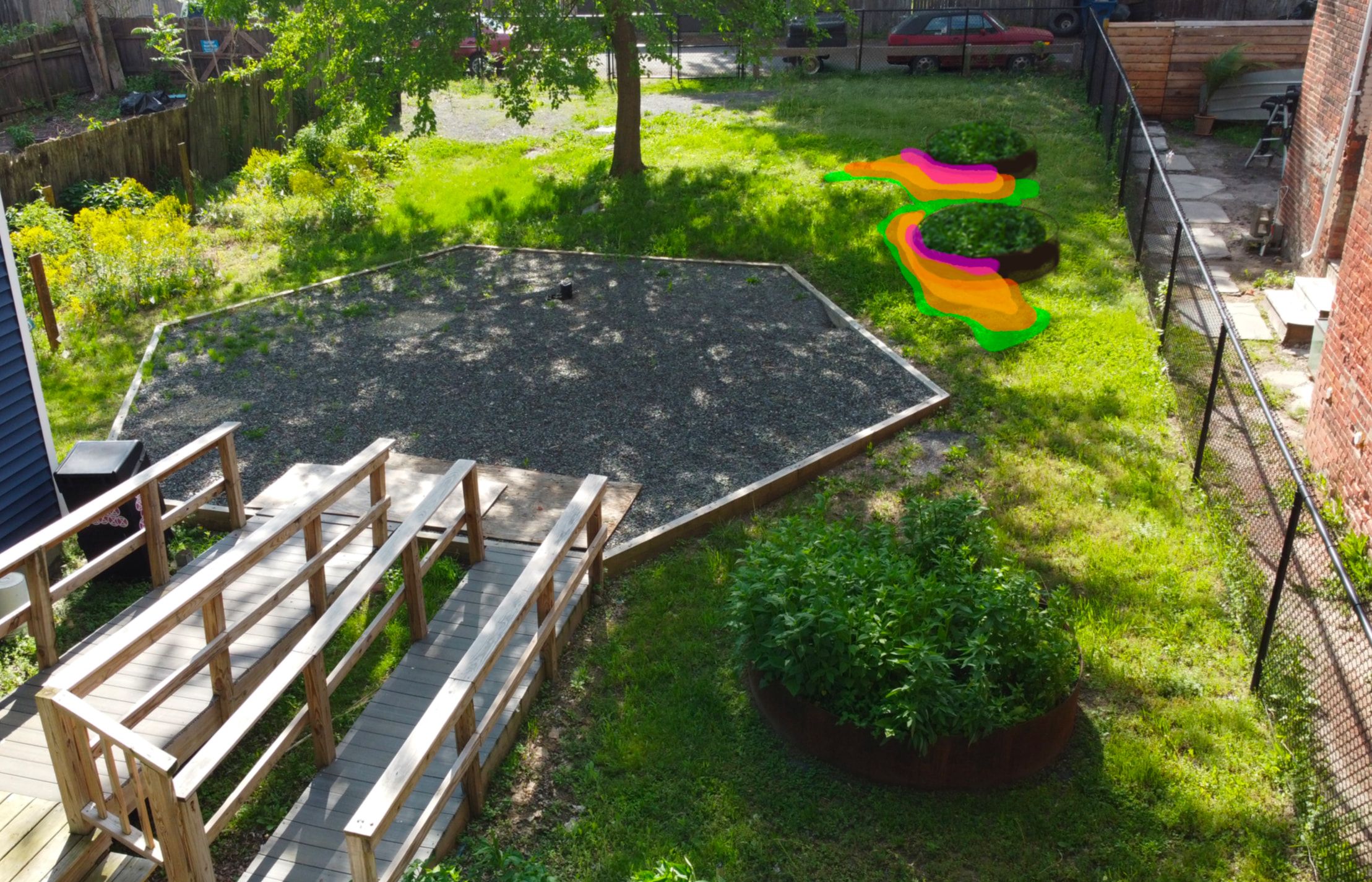
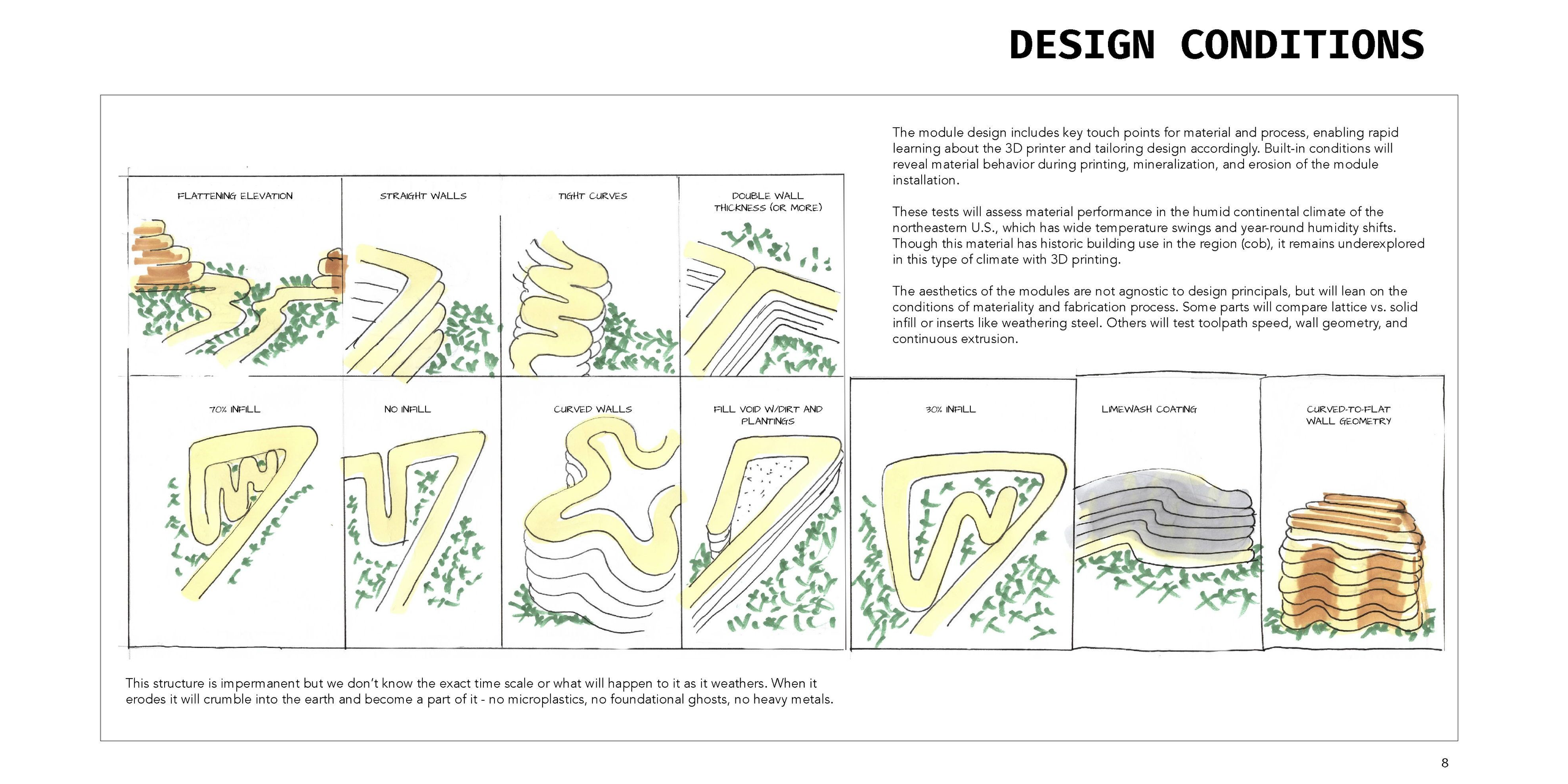
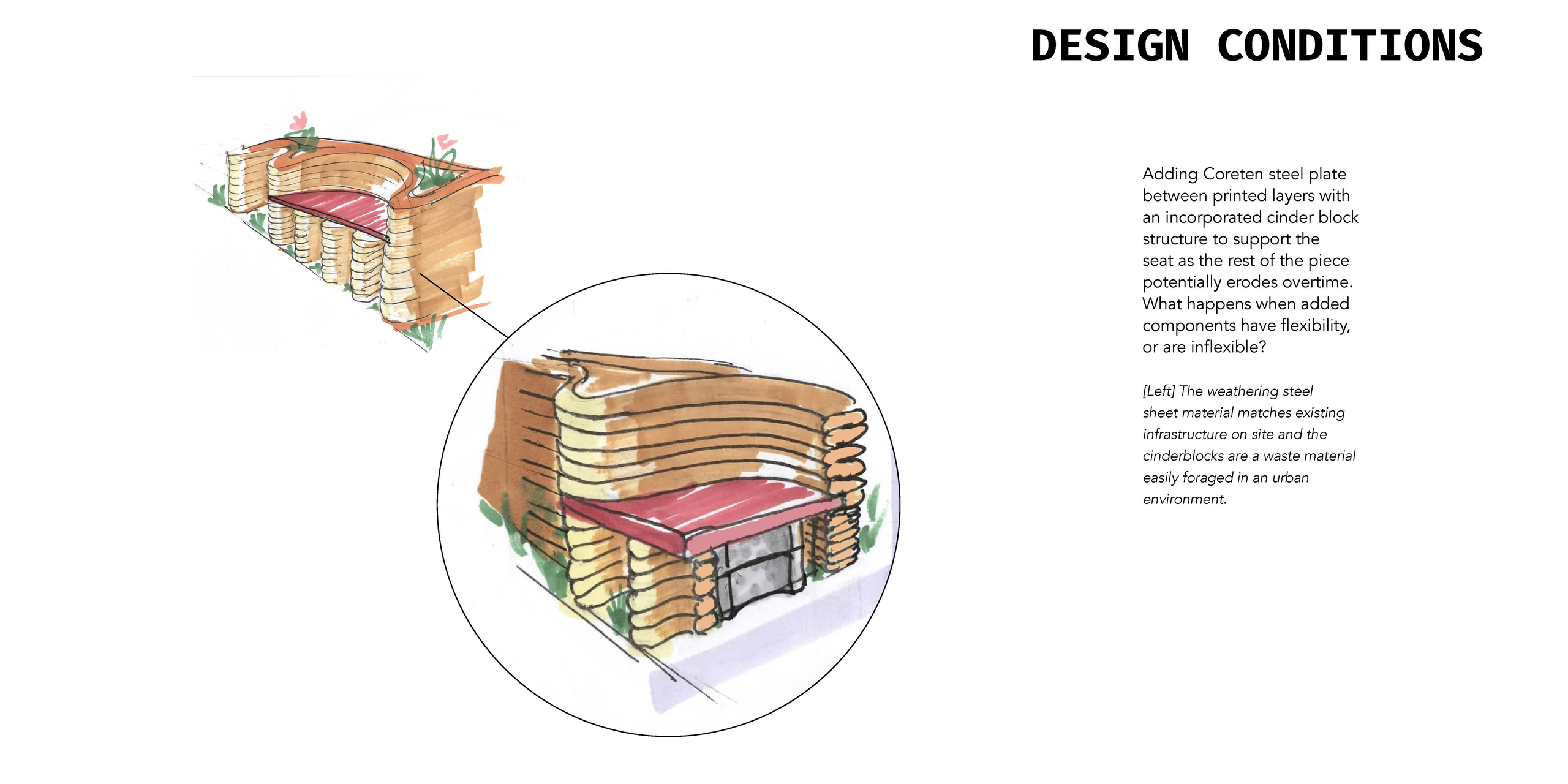
The outcome is a set of 1:1 architectural elements at Troy’s NATURE Lab — designed with deliberate variation in wall geometry, thickness, and surface treatment to produce comparative weathering data across a full northeastern seasonal cycle.
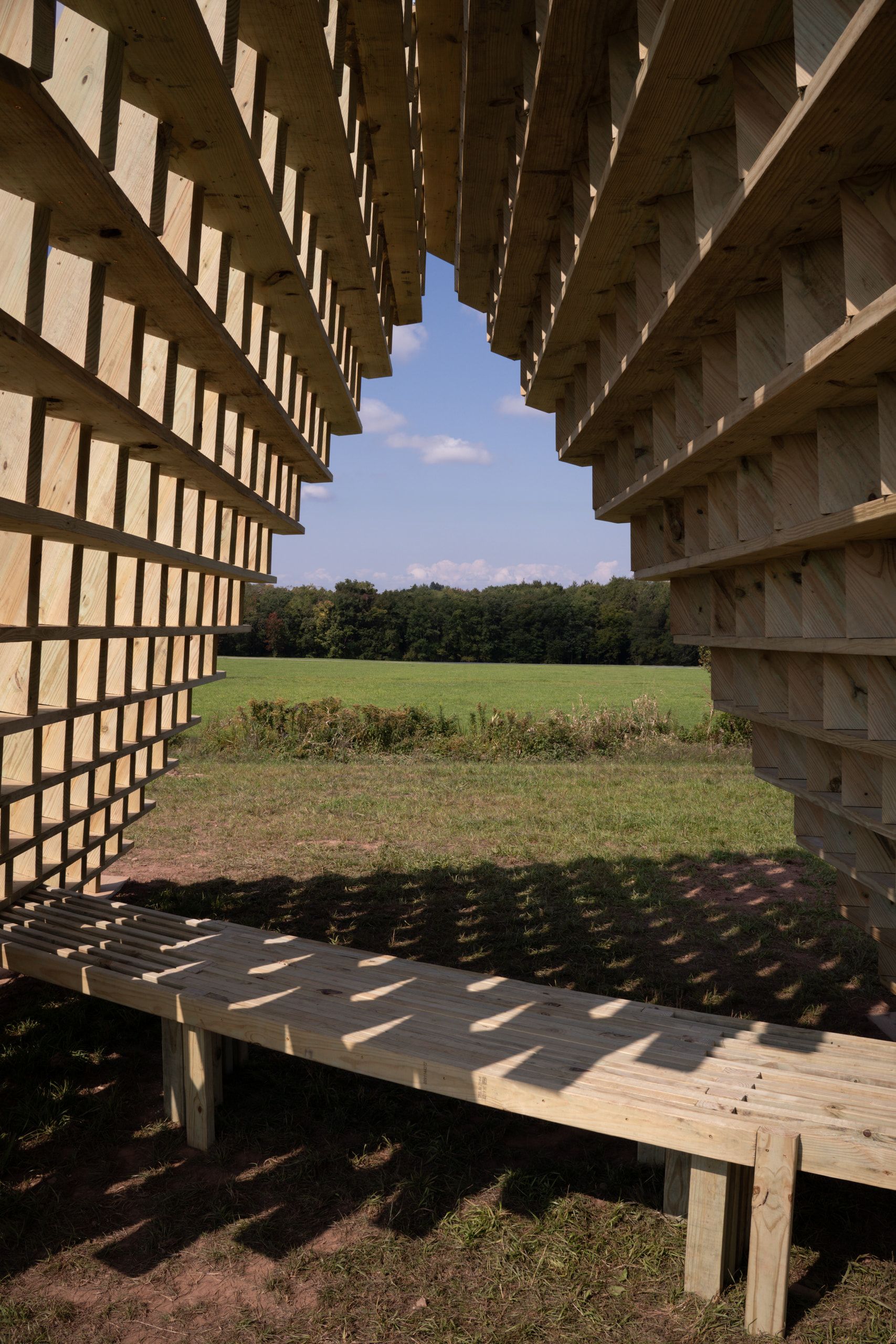
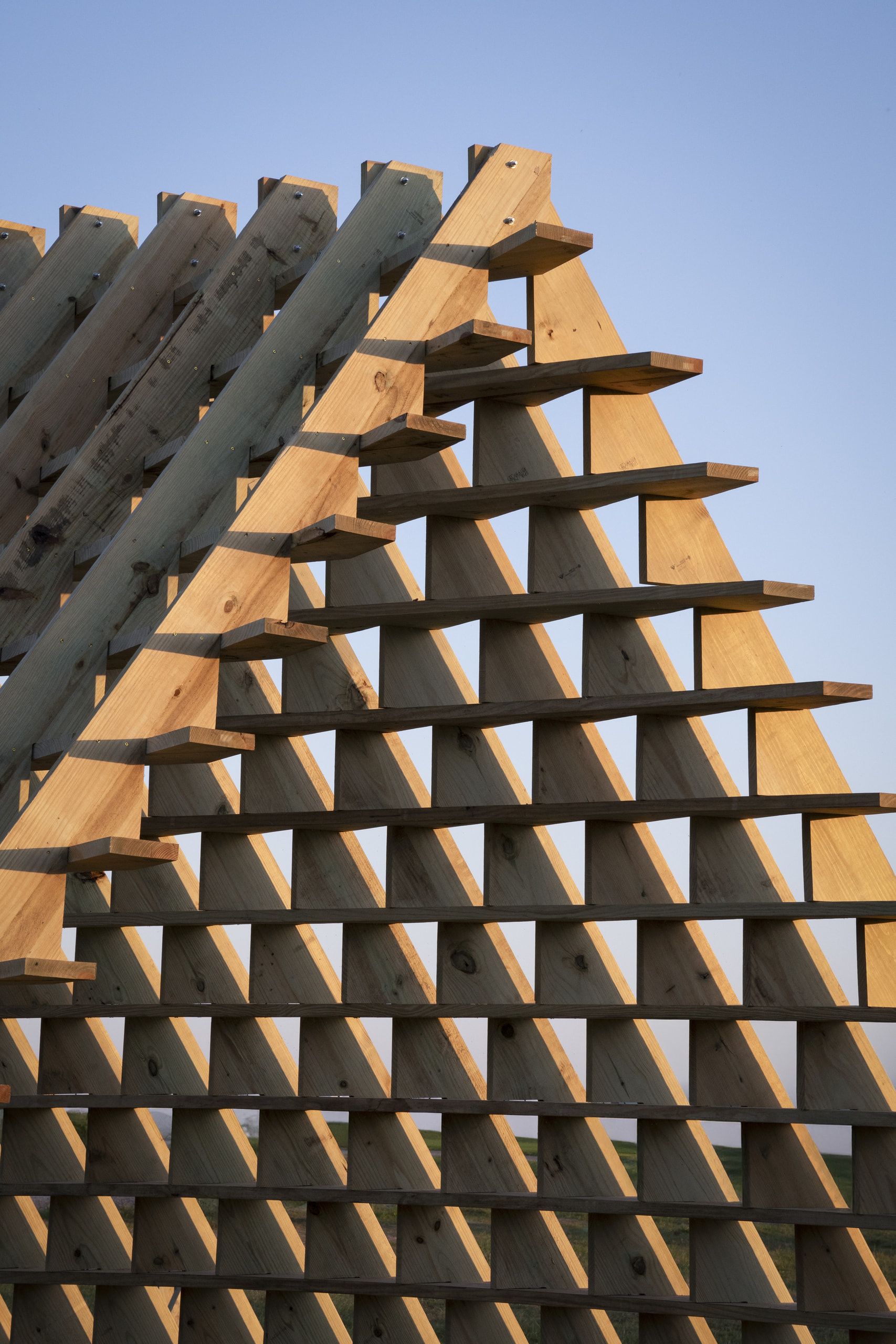
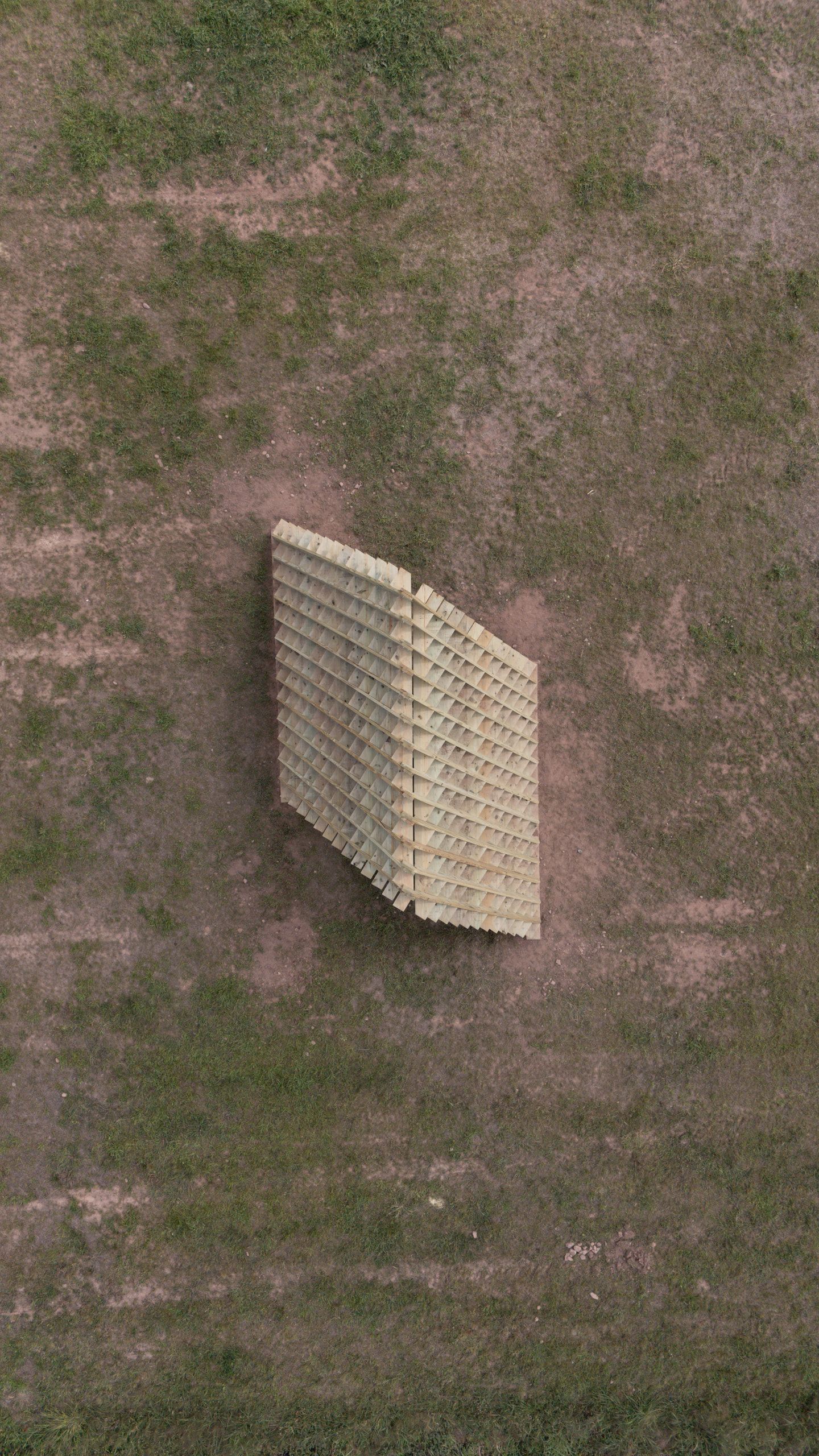
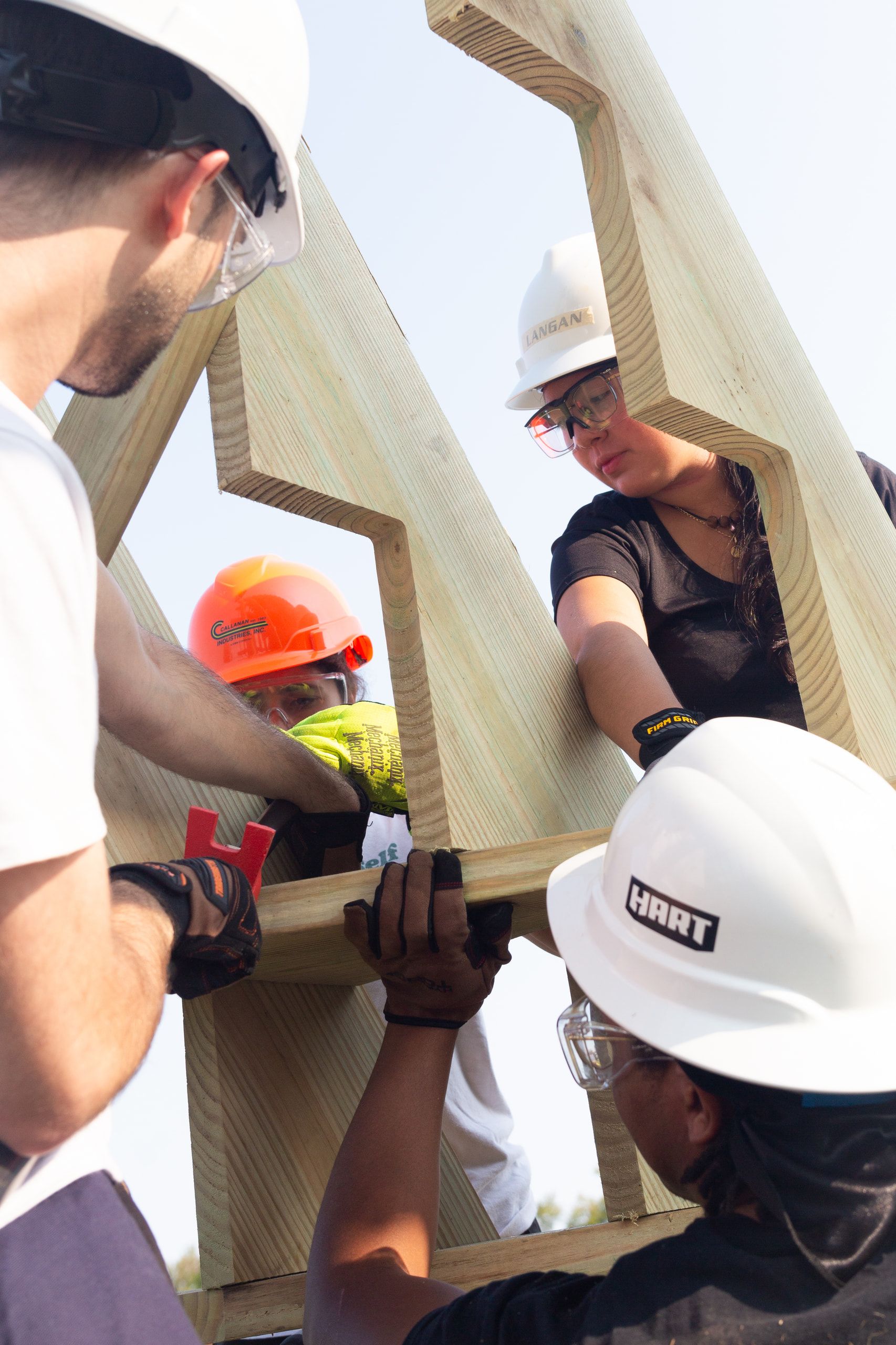
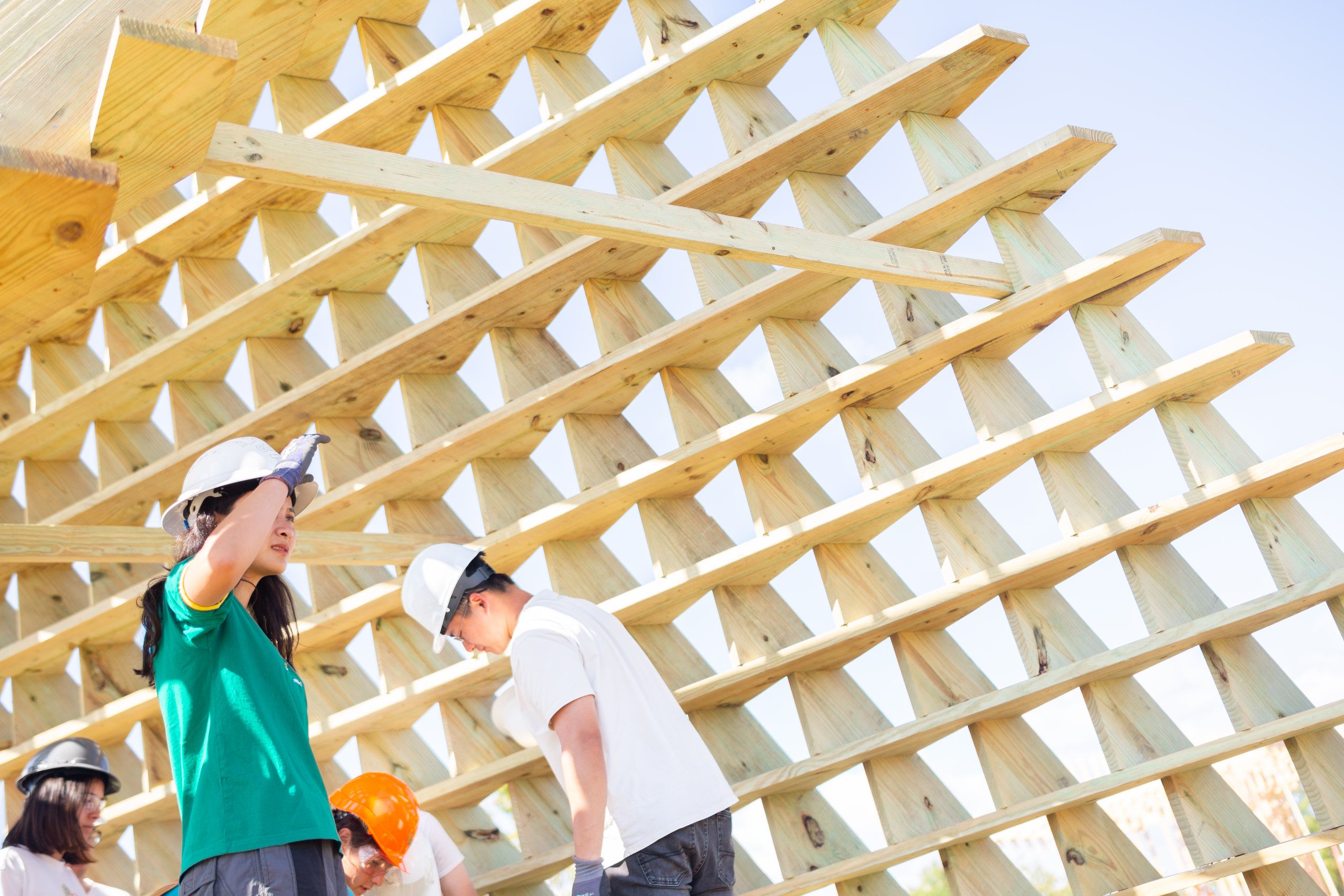
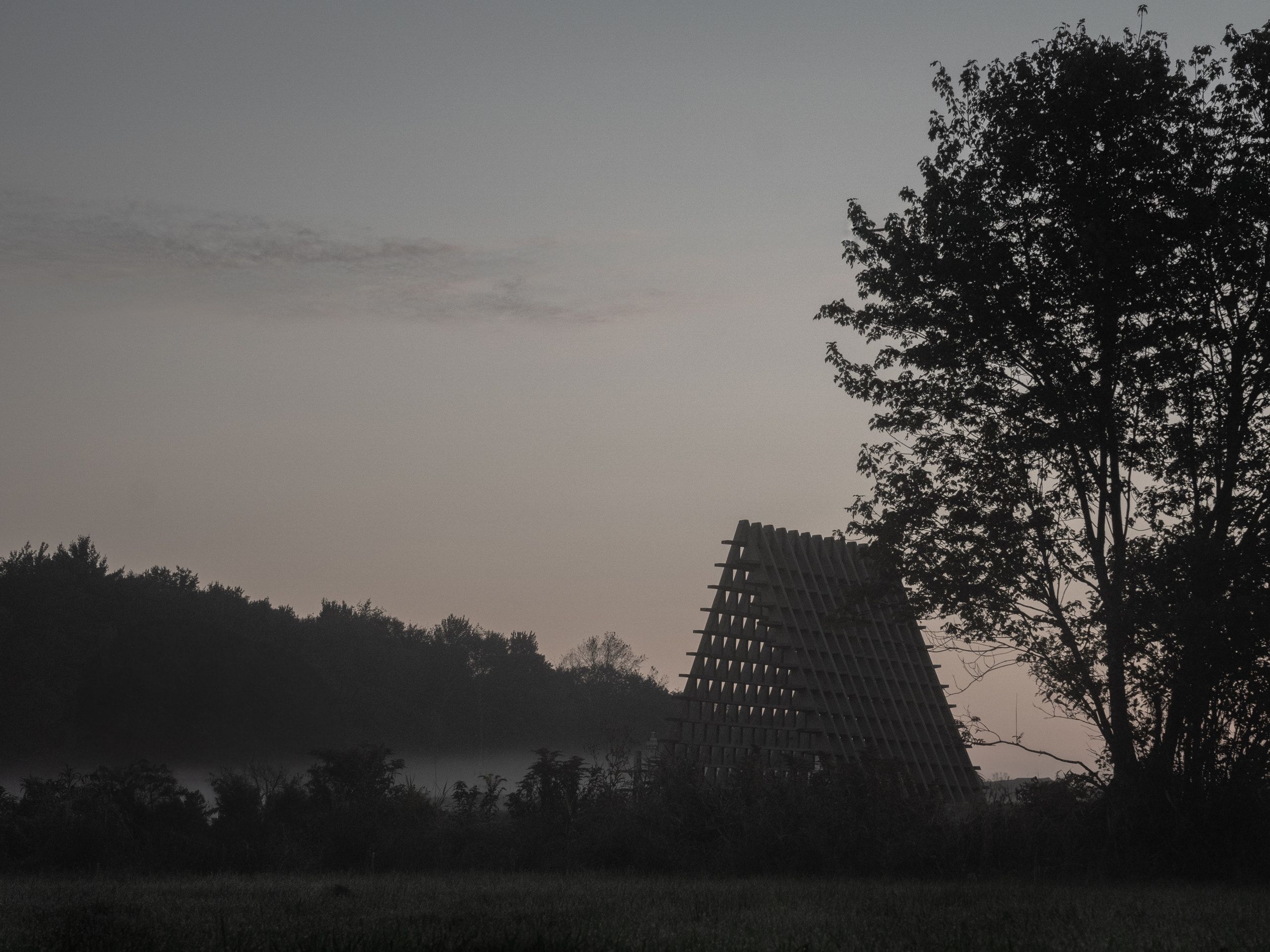
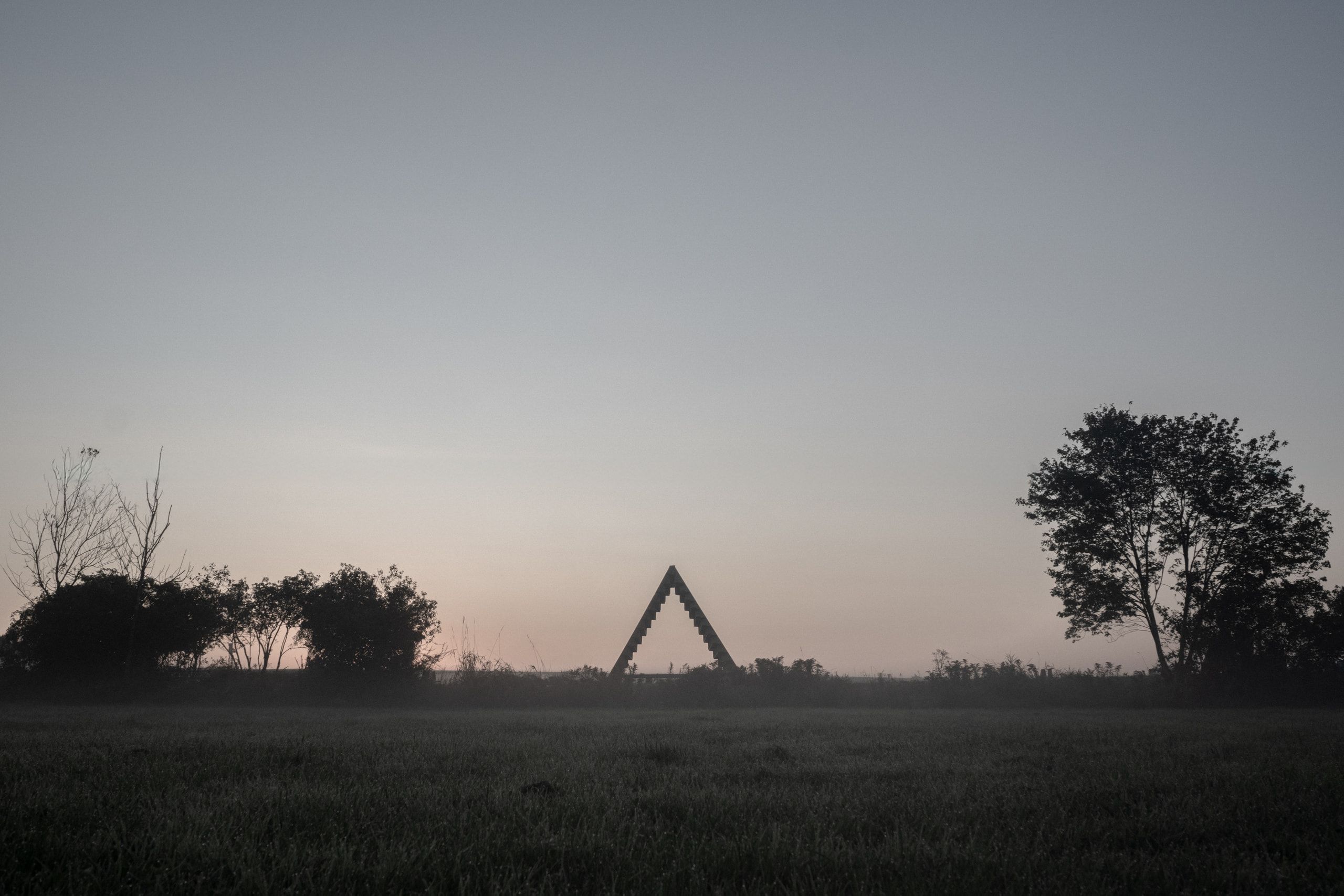
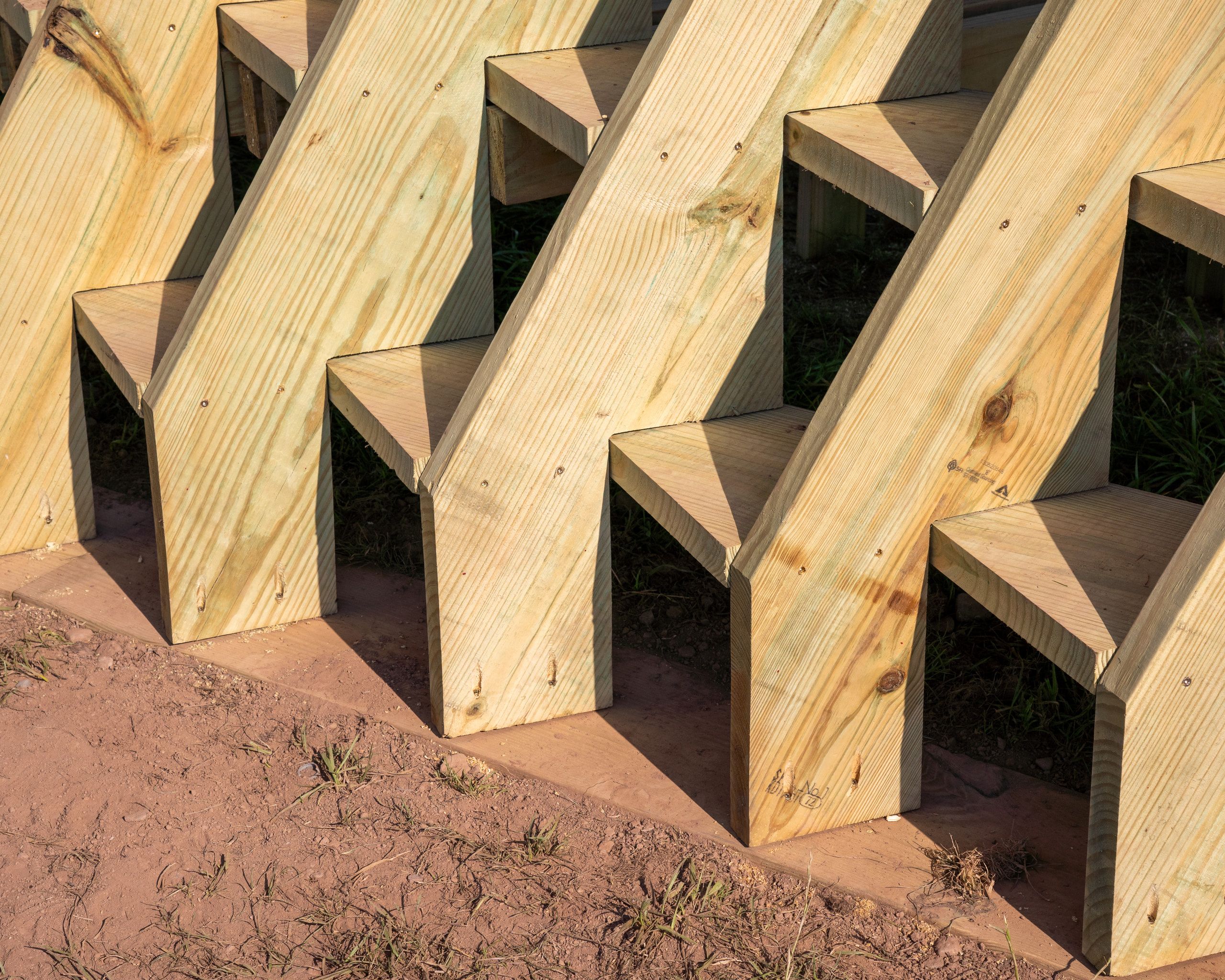
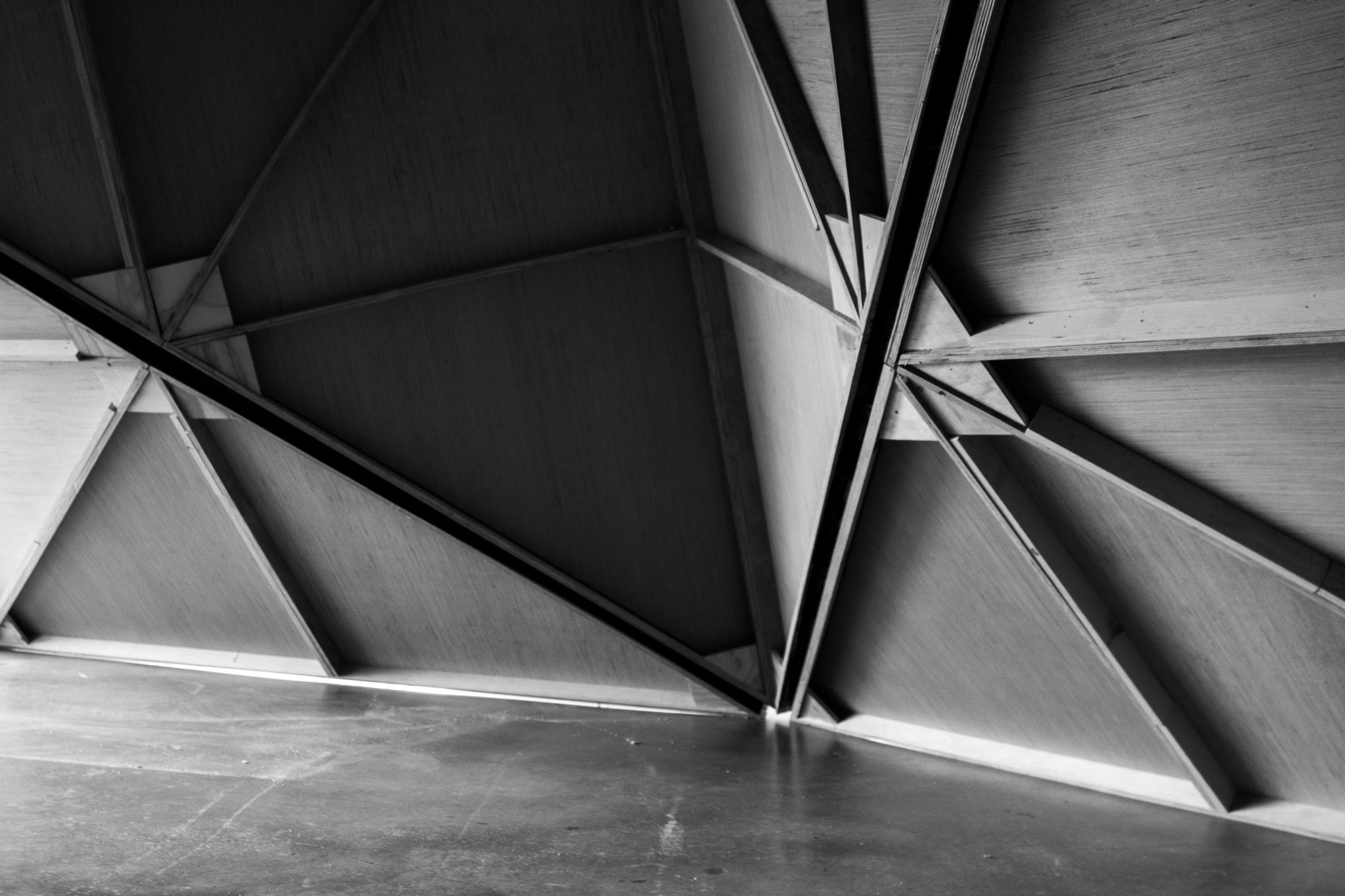
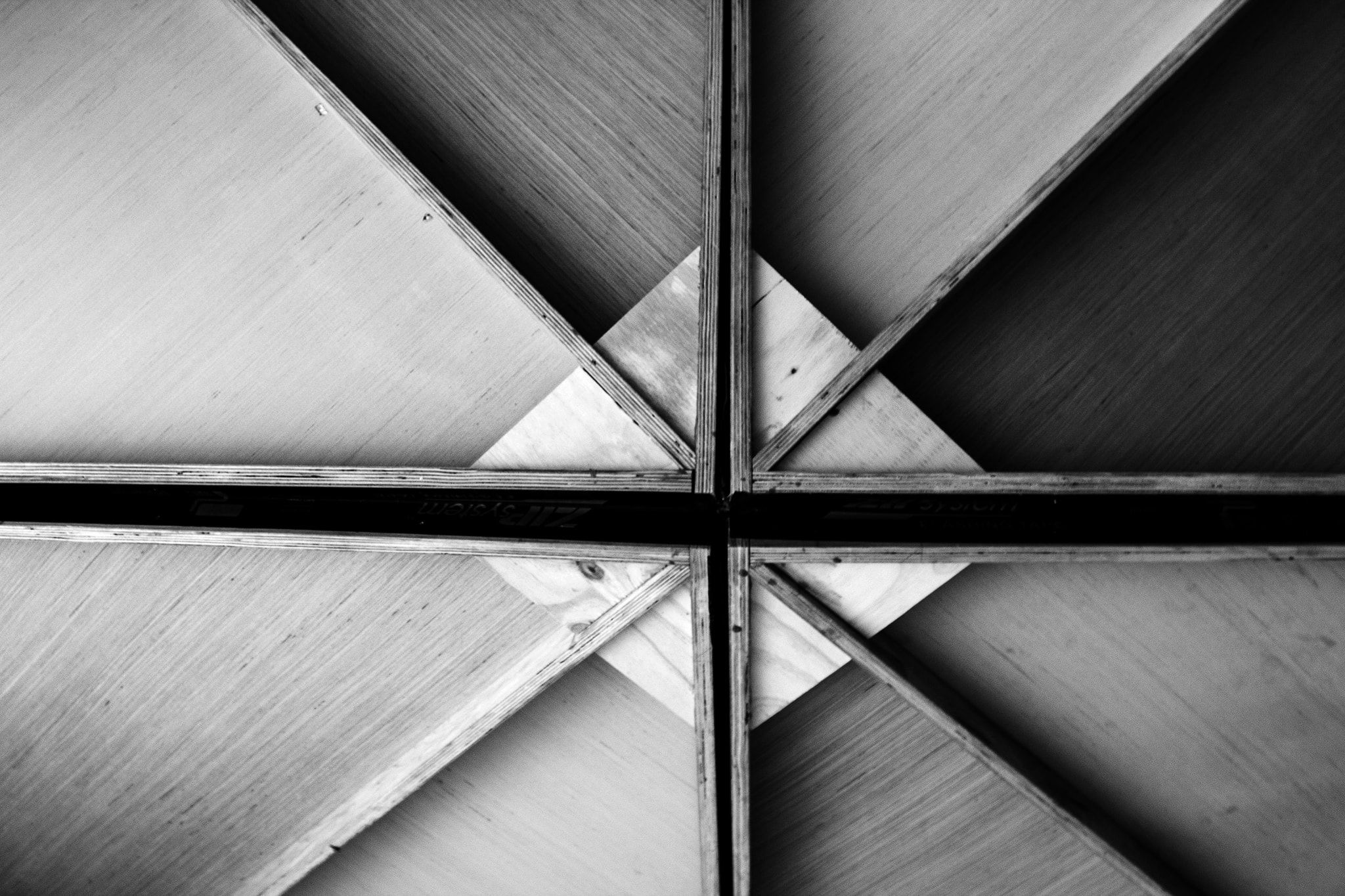
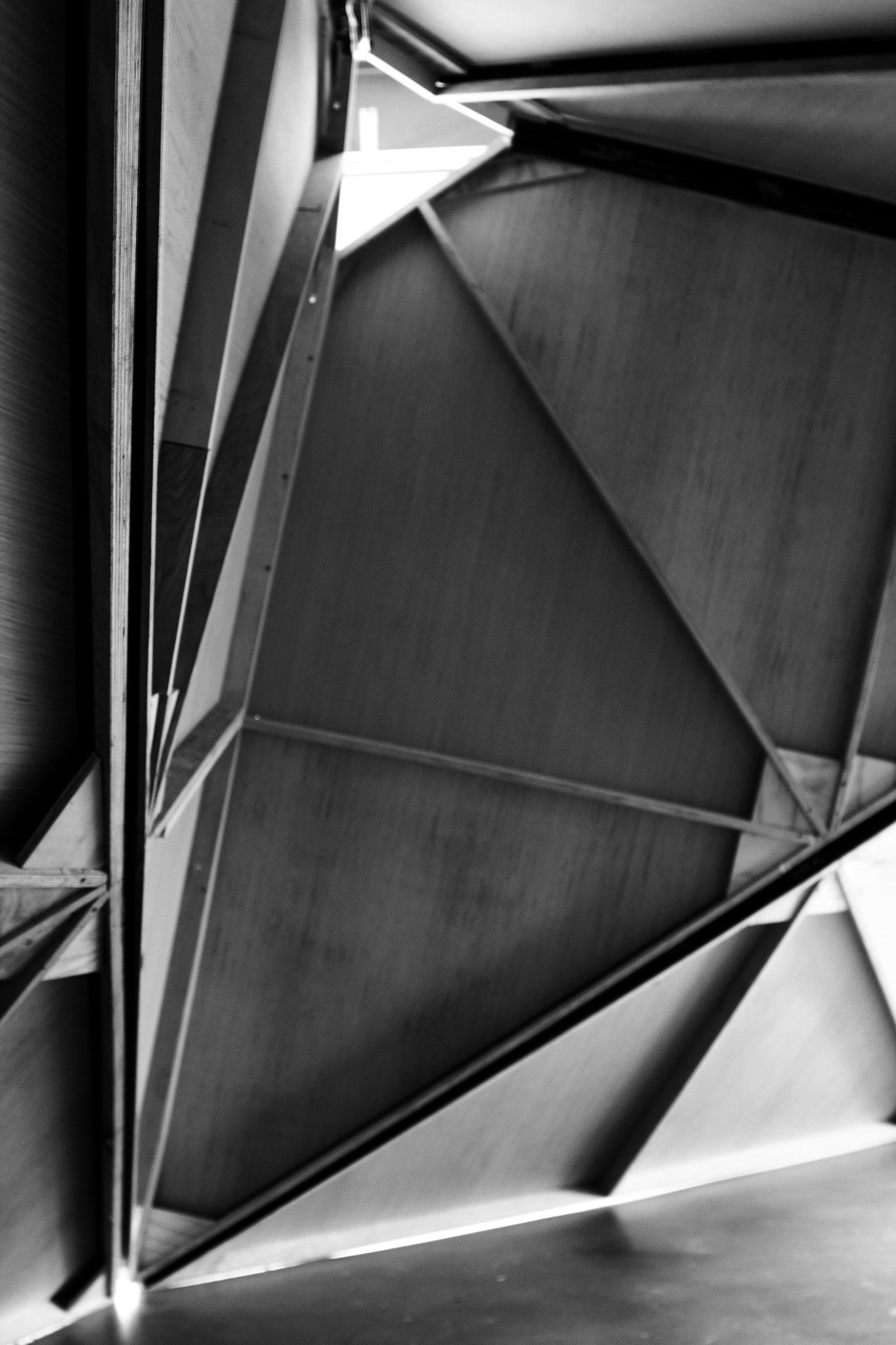
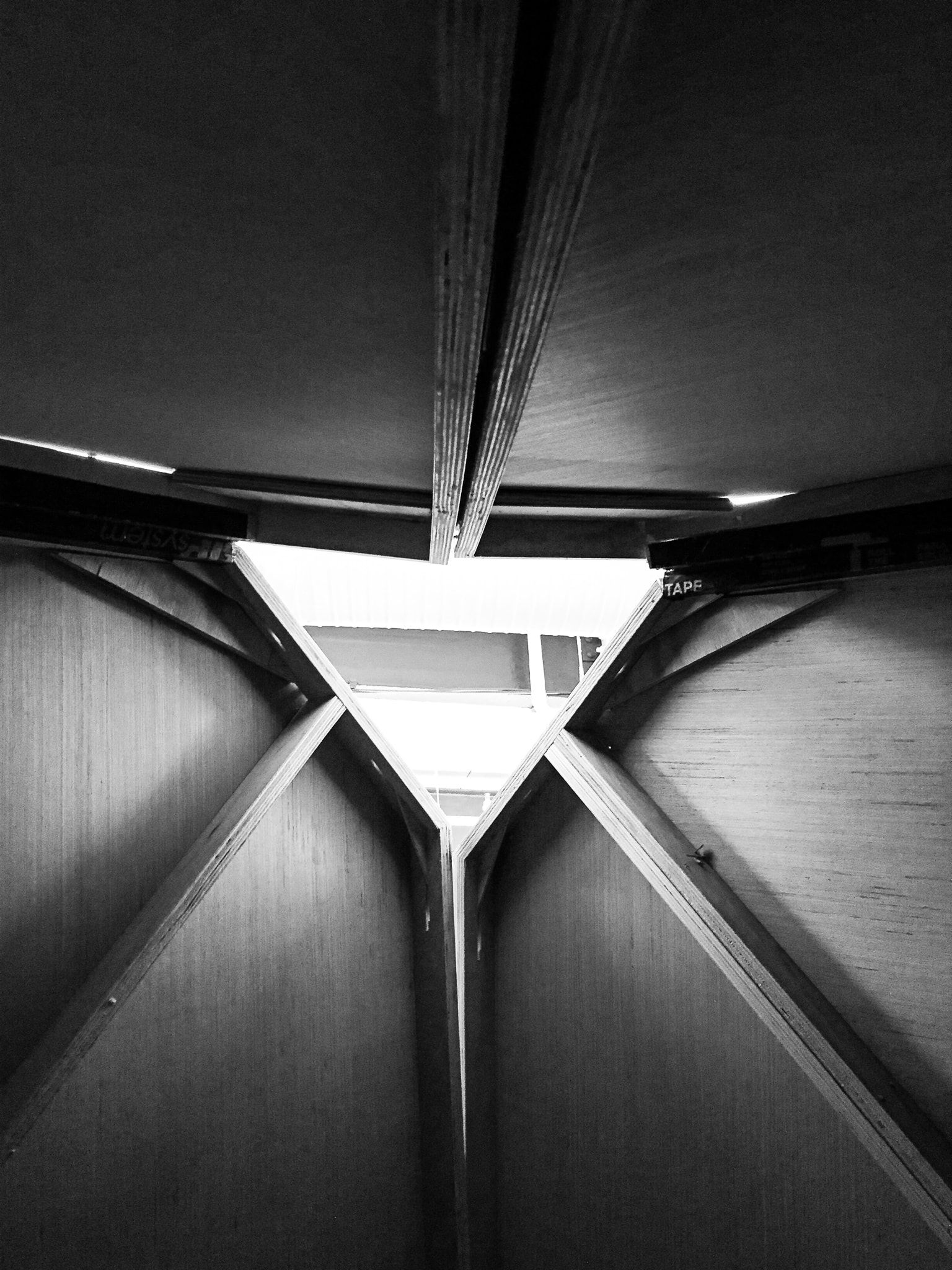
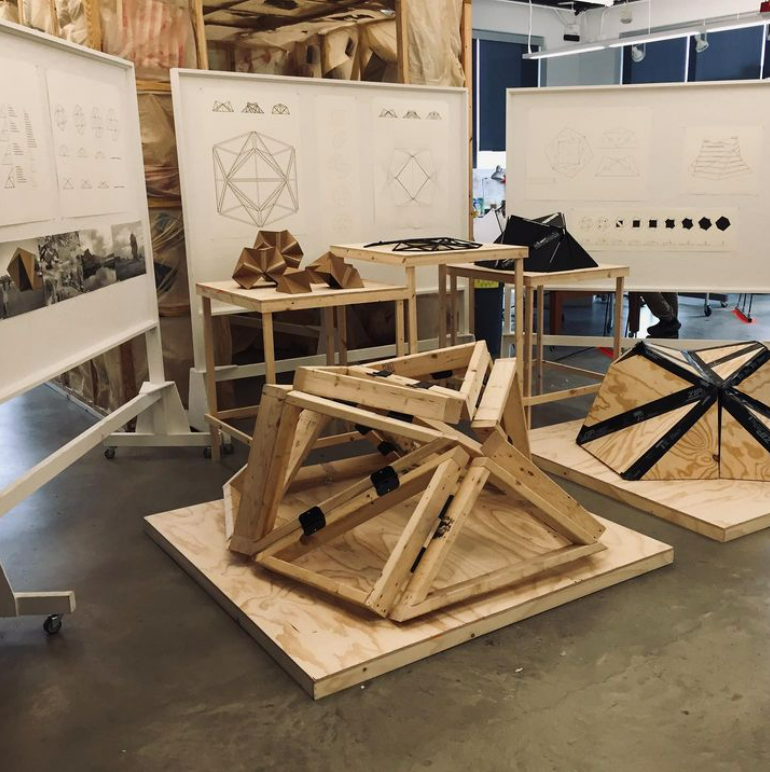
On the historic site of the 1969 Woodstock festival, RISE, REPEAT is a permanent wood pavilion built at BuildFest 2024 at the Bethel Woods Center for the Arts — assembled entirely from a kit of standard, off-the-shelf building parts.
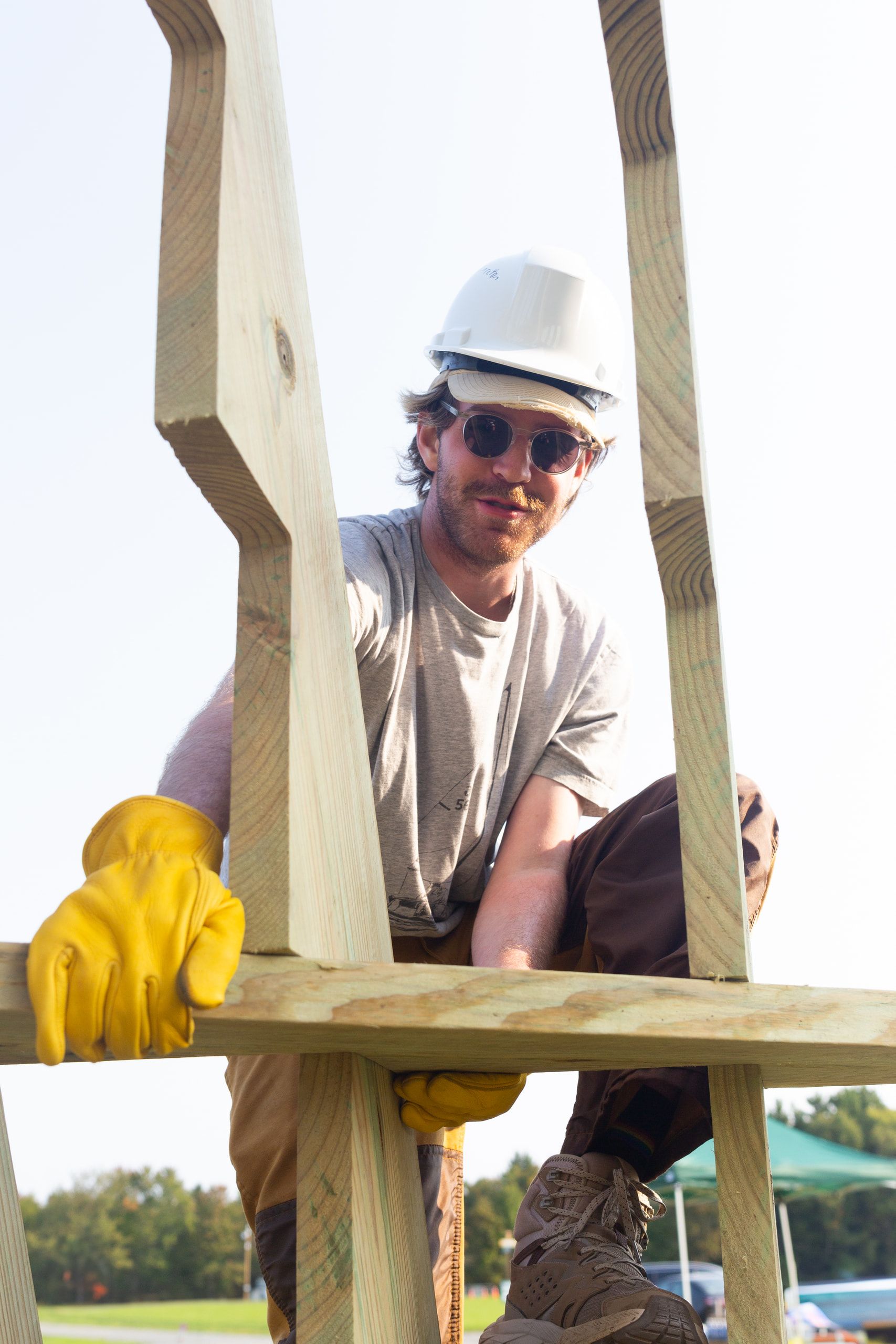
The pavilion uses three off-the-shelf elements commonplace in American domestic construction: pressure-treated pine stair stringers, precast concrete deck footings, and stainless-steel star-drive deck screws. The repetition of uniform, pre-fabricated elements keeps the budget economical and assembly fast in the field. Stringers are joined mechanically with screws — no cutting or modifying the elements, and no adhesives or coatings.
This light-touch construction is built for disassembly and re-use — a circular approach, where materials are kept in use rather than thrown away. After its three-year installation at Bethel Woods, the pavilion can be dismantled and relocated to another site, or donated to community build
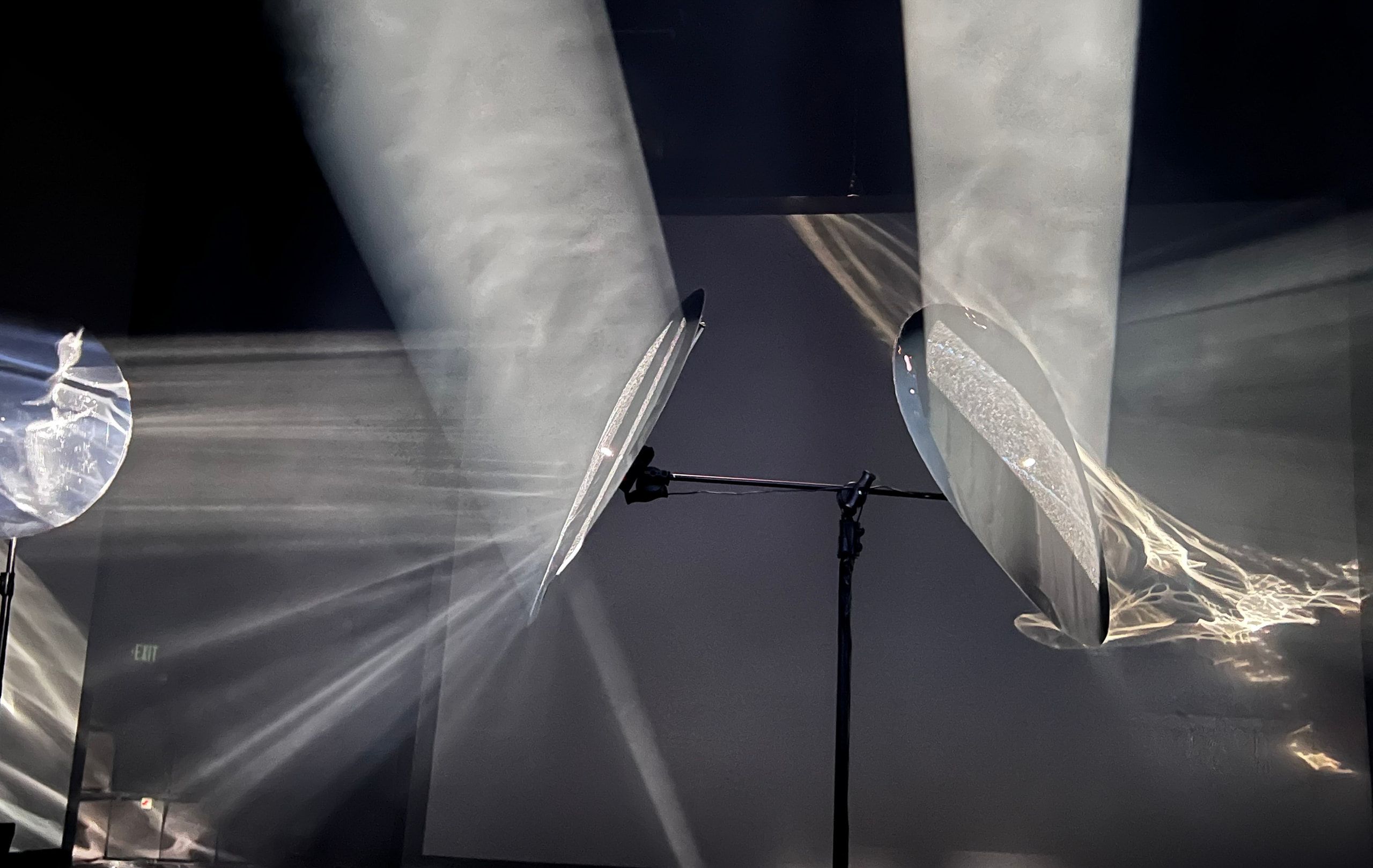
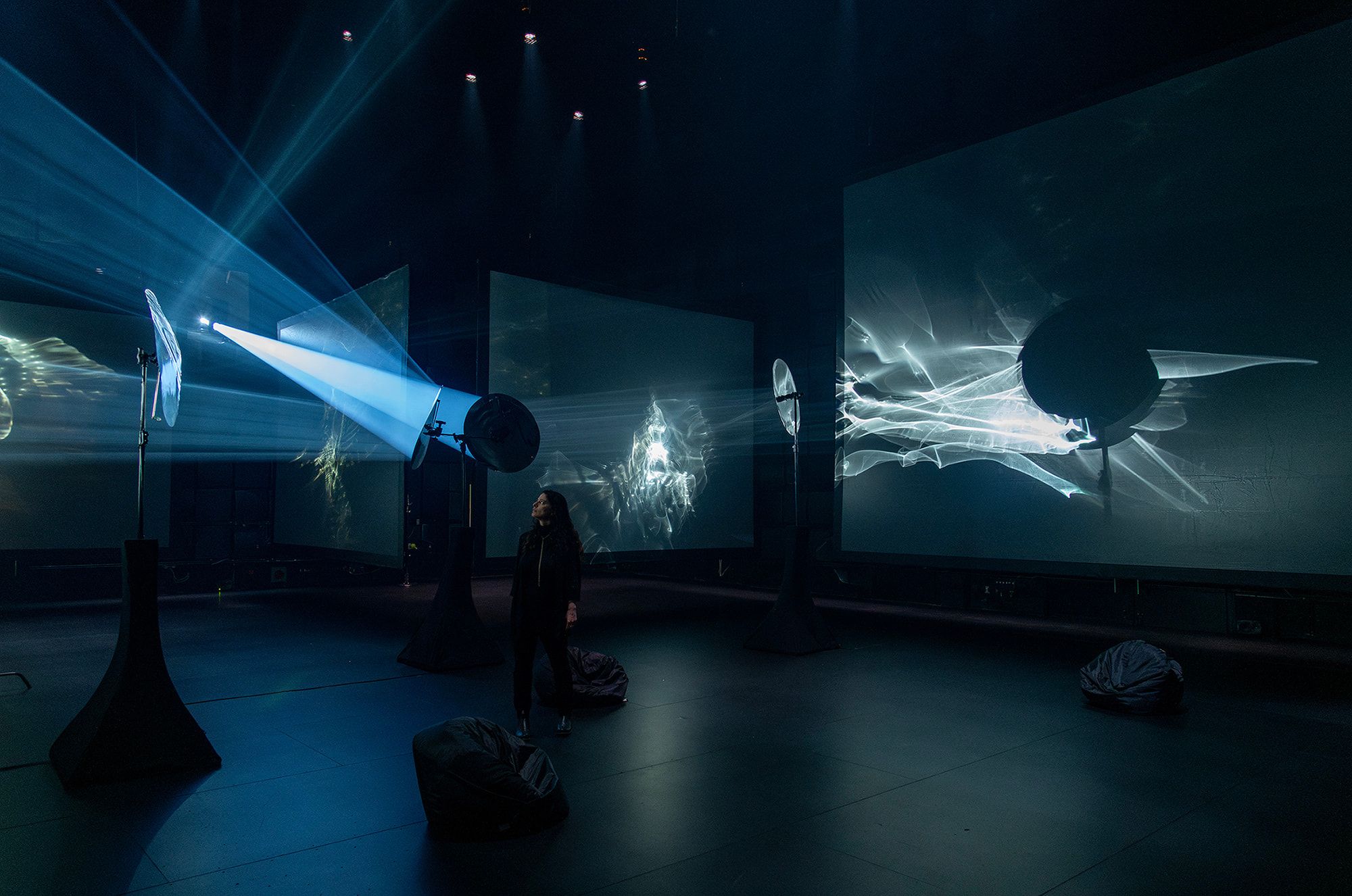
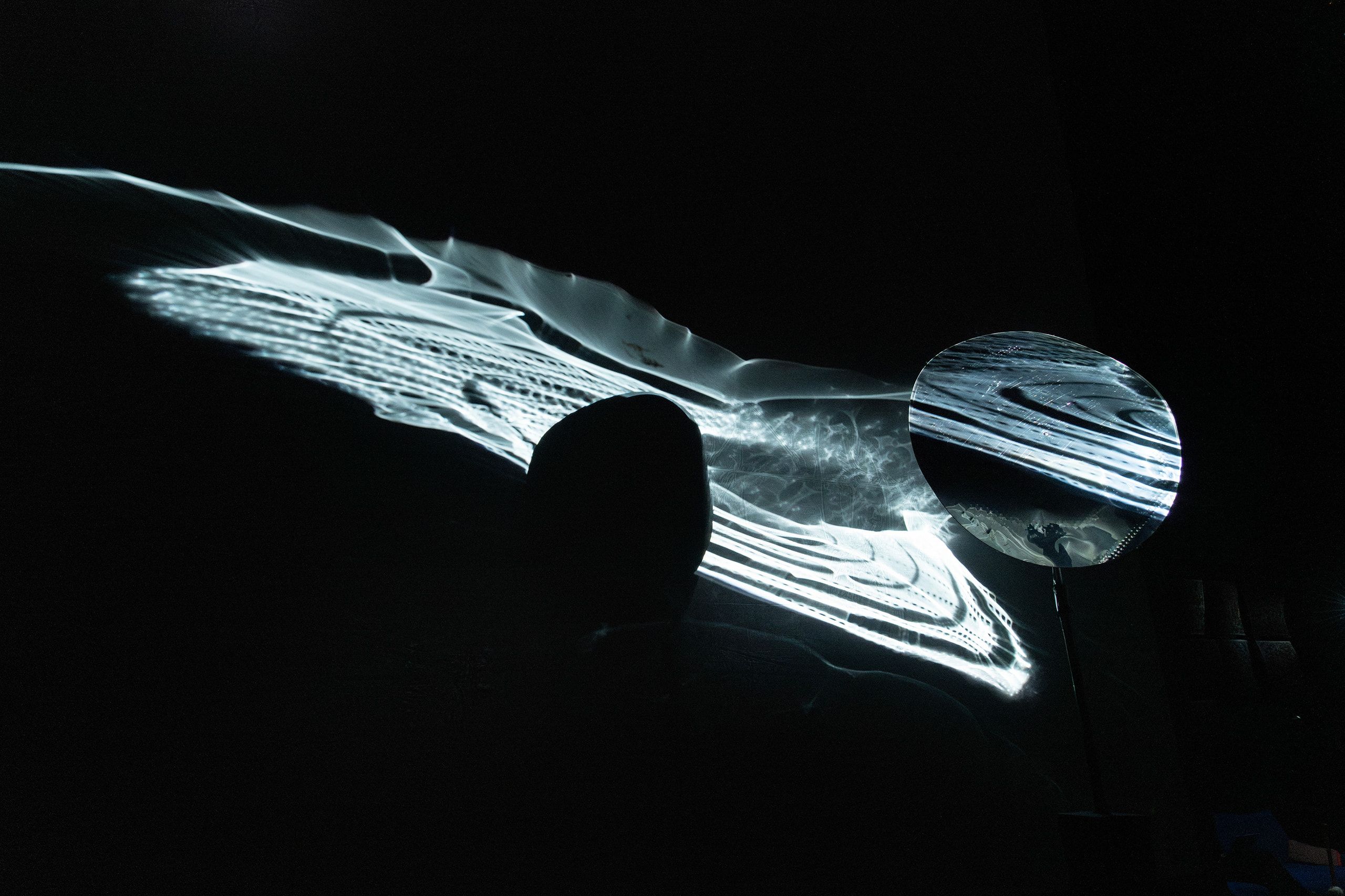
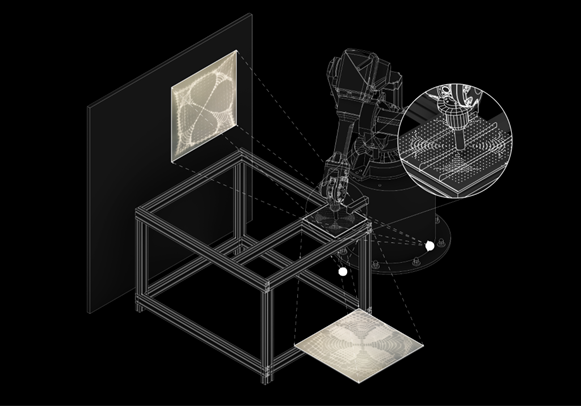
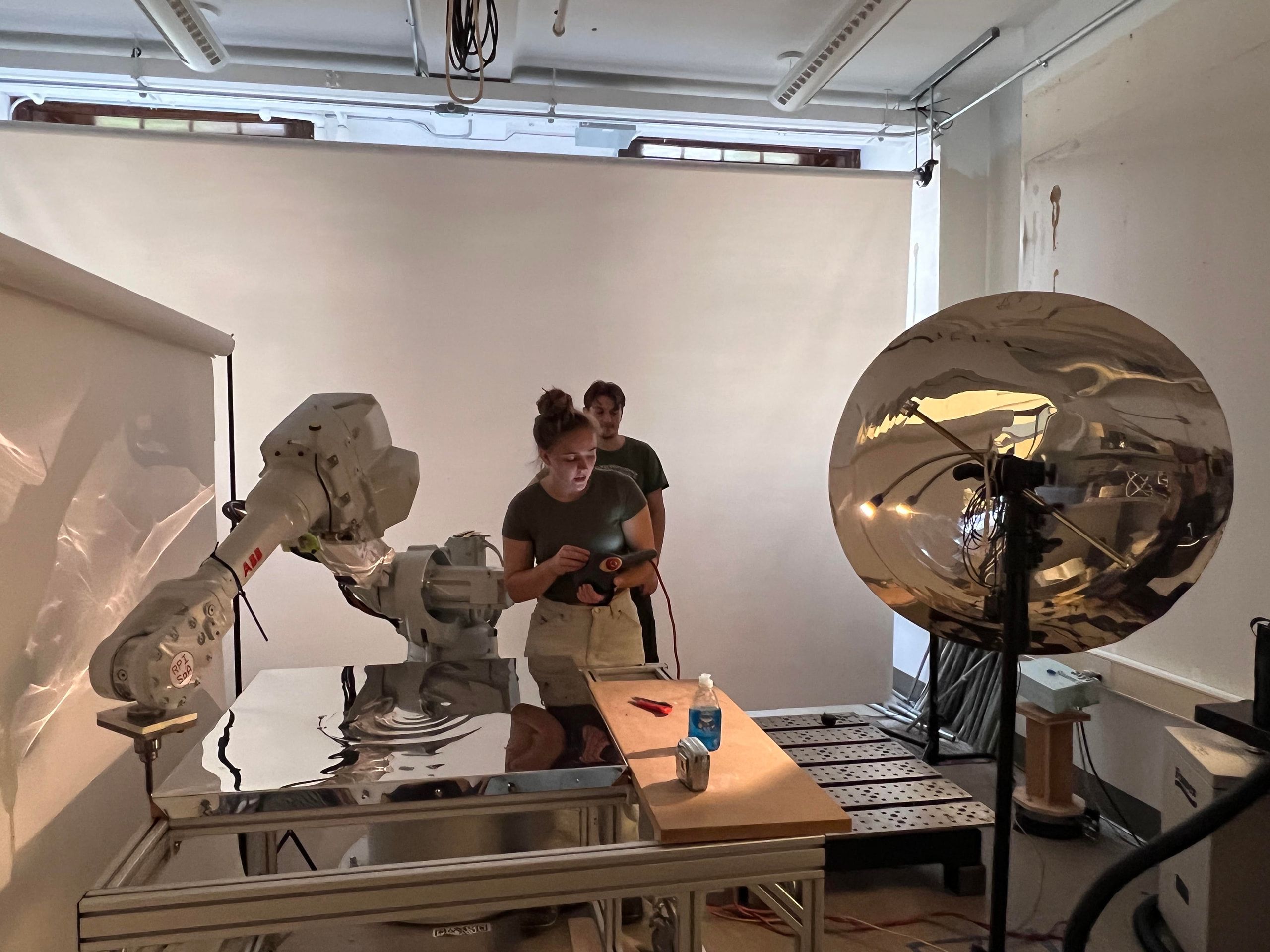
Light shines onto spinning stainless-steel discs and scatters across the room as drawings made of light that answer to sound — so that light and sound both seem alive. The pattern engraved on each reflector by a robotic arm is drawn from the Dan Harpole Cistern: its physical footprint and the way sound reverberates inside it. Illuminated, that data is thrown back into the room, and many reflections from a single source build a sense of reverberation echoed in both light and sound.
Entering the space, viewers are immersed within a field of light and sound. Echoing the intent of Pauline Oliveros’s Deep Listening practice, the work aspires to support immersion and focus in a meditative space by treating the soundscape as a multi-sensory experience.
The work reflects light caustics — the rippling bands of focused light you see on the bottom of a pool — off augmented mirrored sheets. It layers several moves: augmenting the metal surface, projecting sound-responsive light, and mounting the discs so they revolve and can be spatially re-tuned. An ABB IRB 1600 six-axis robot does the surface augmentation, combining digital fabrication with material behavior to reveal what the naked eye can’t easily catch.
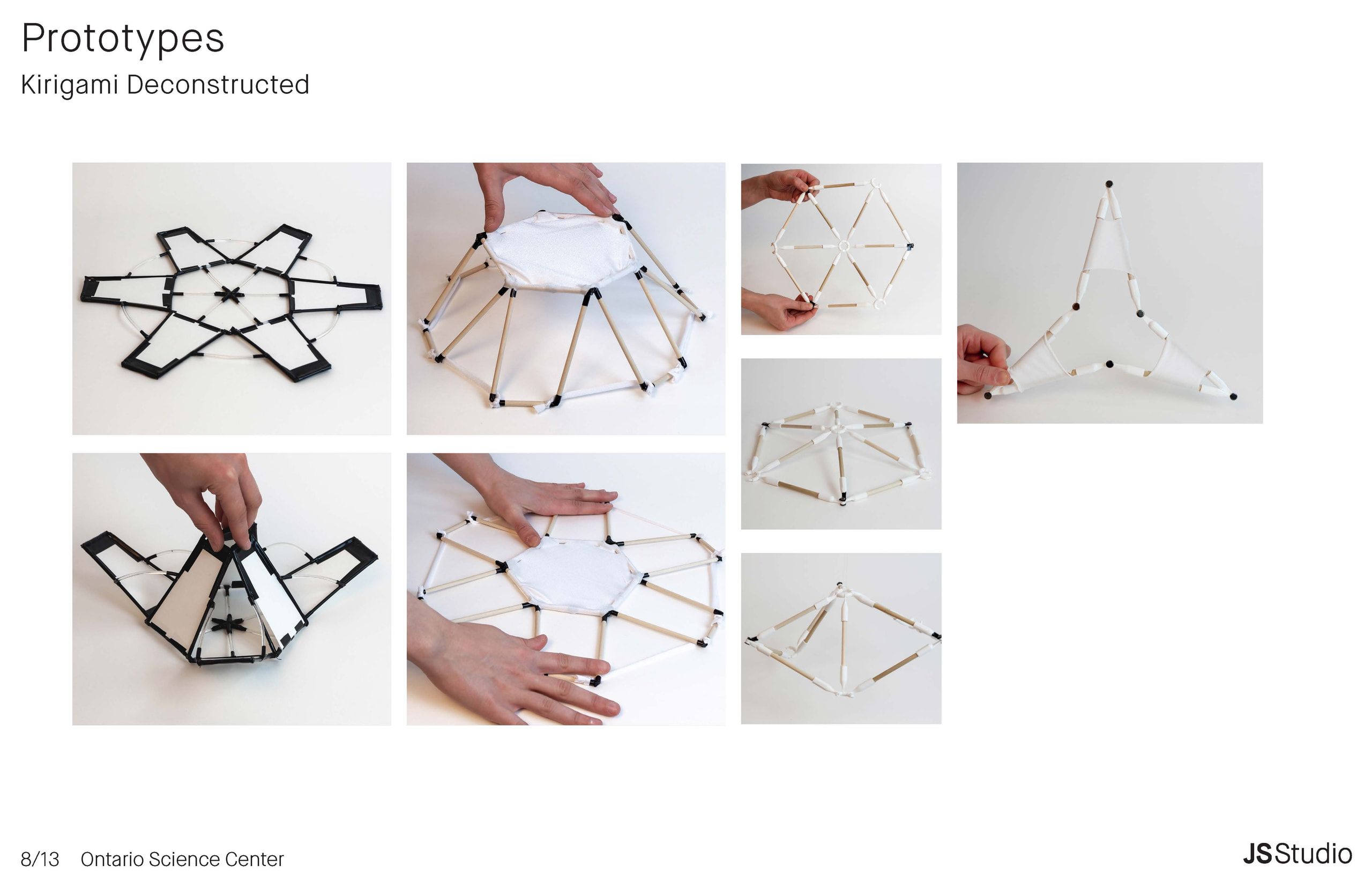
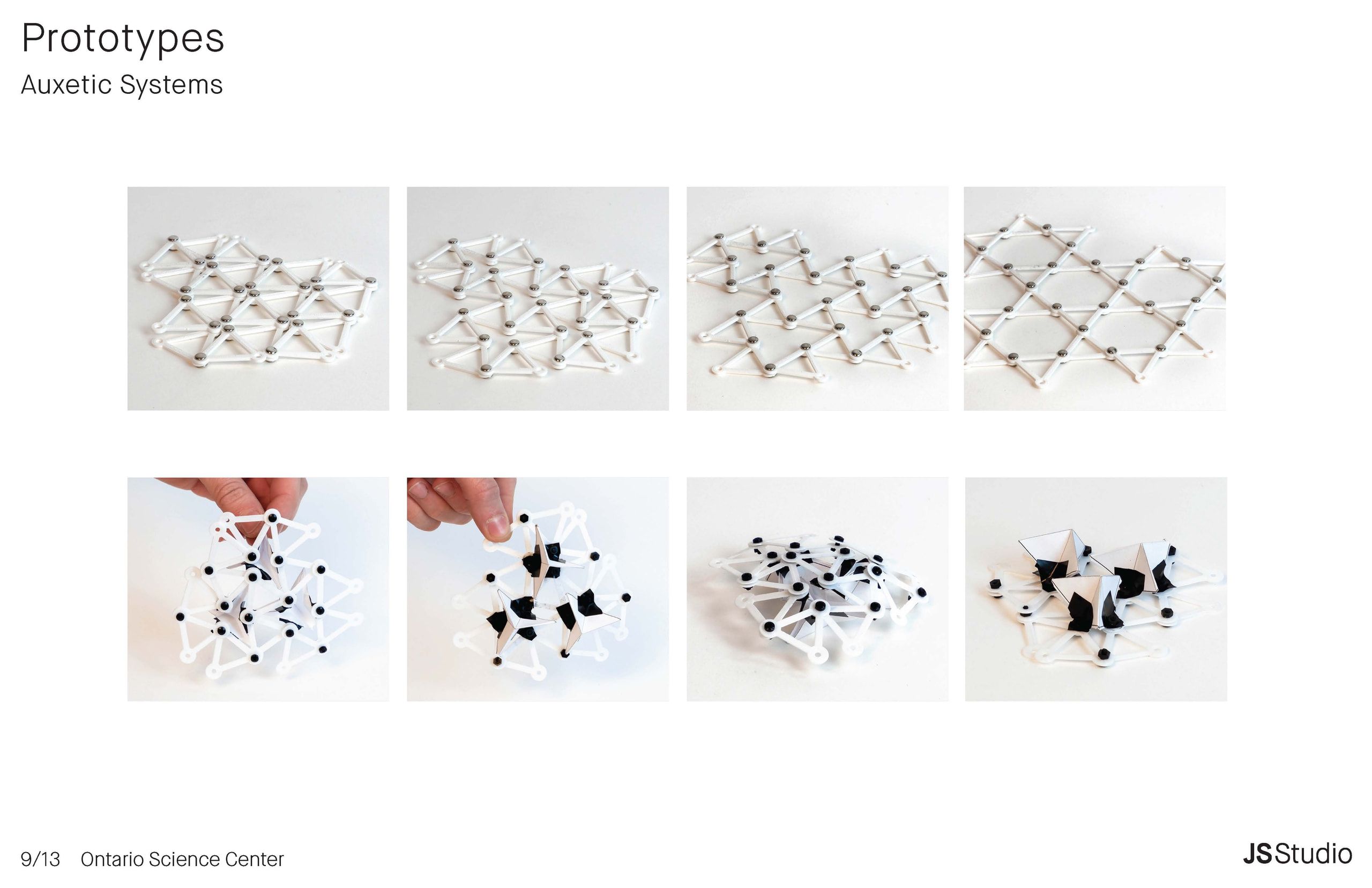
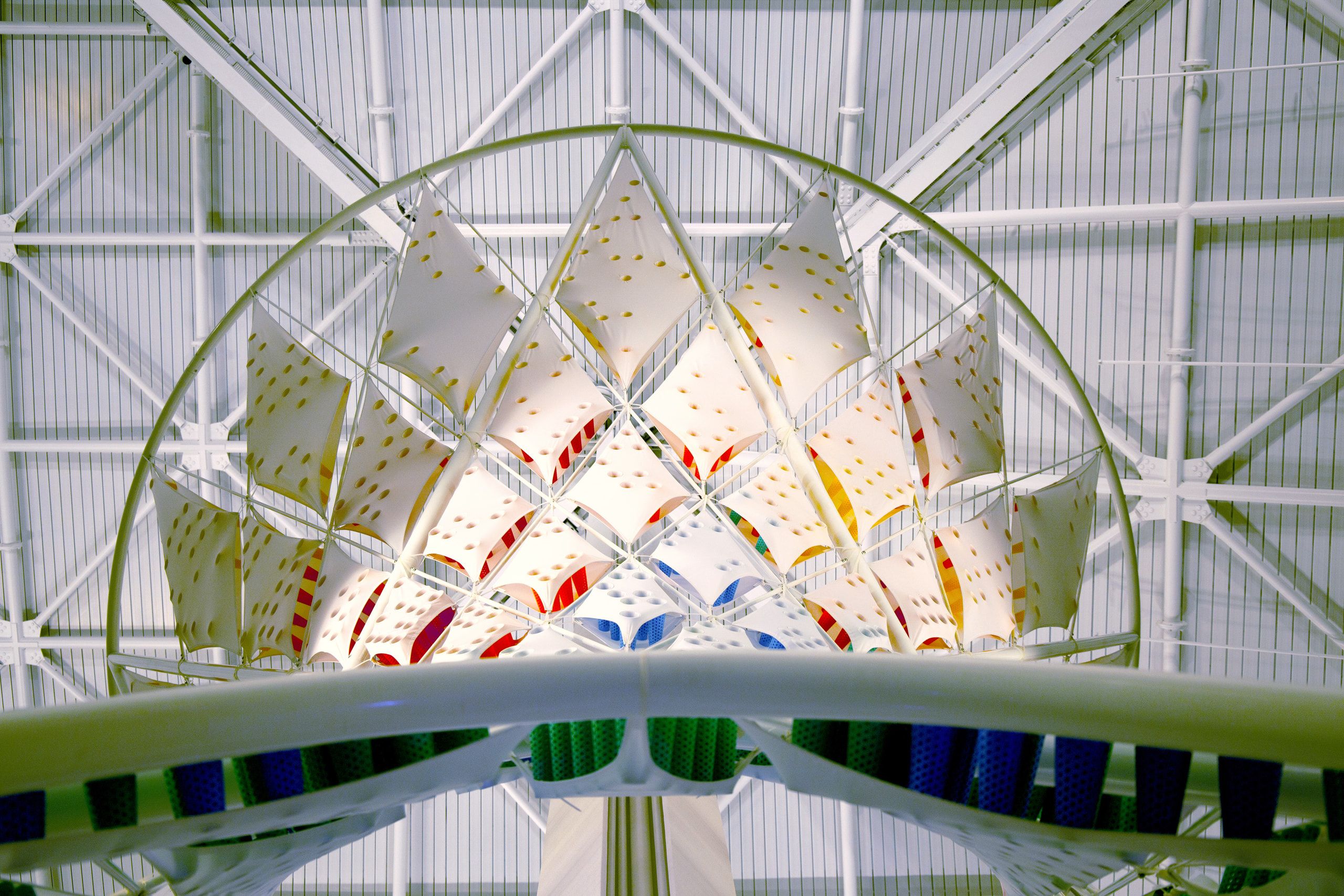
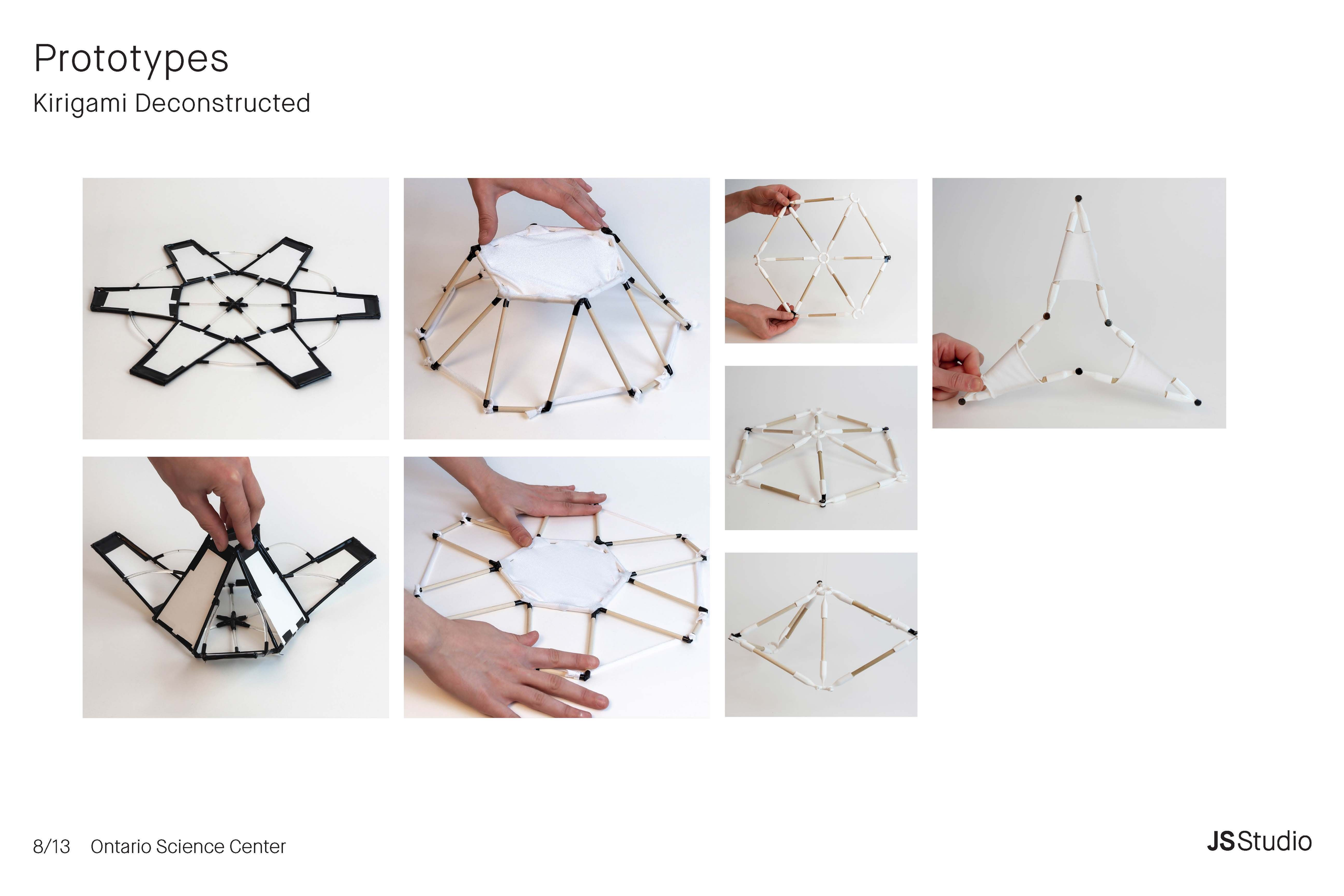
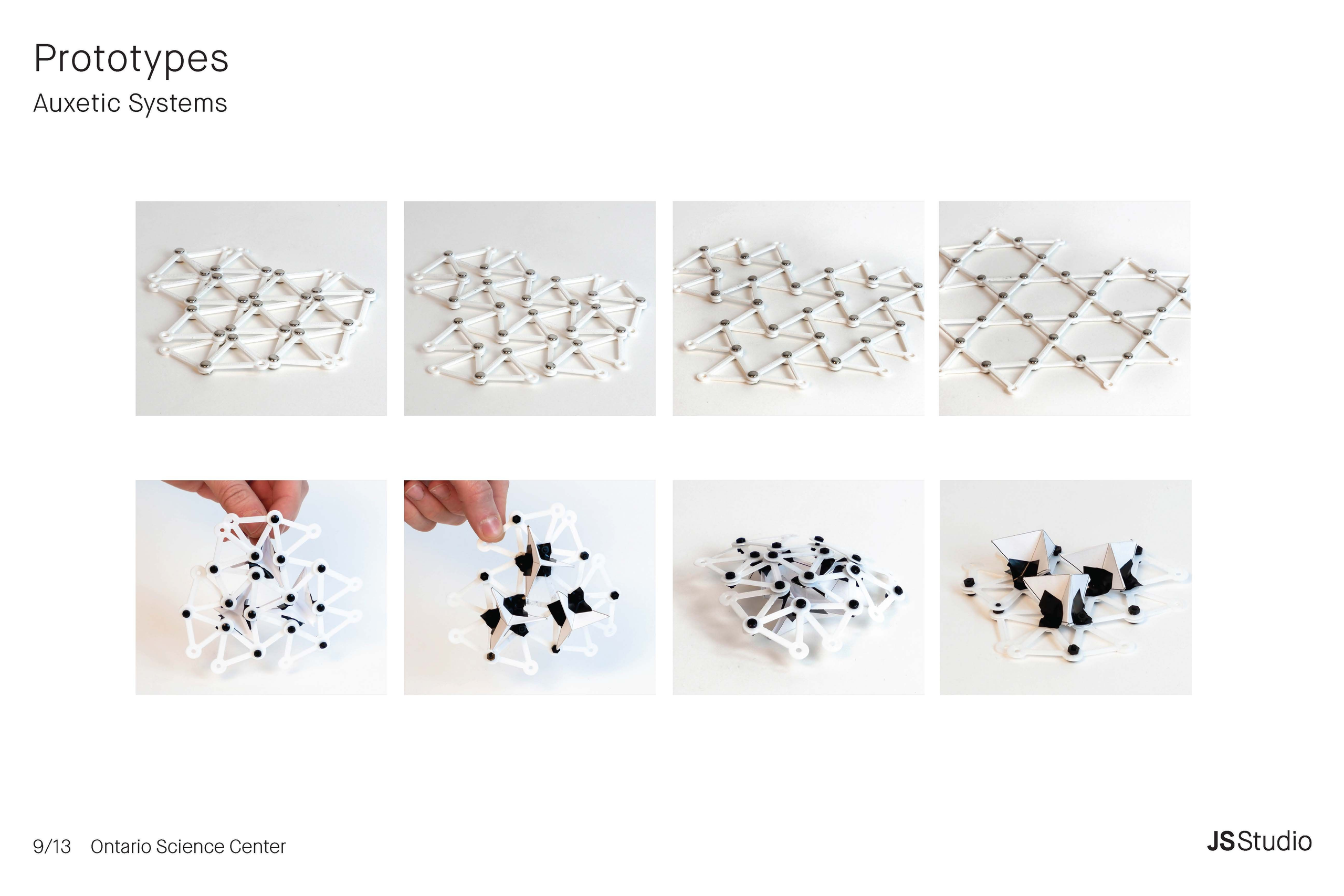
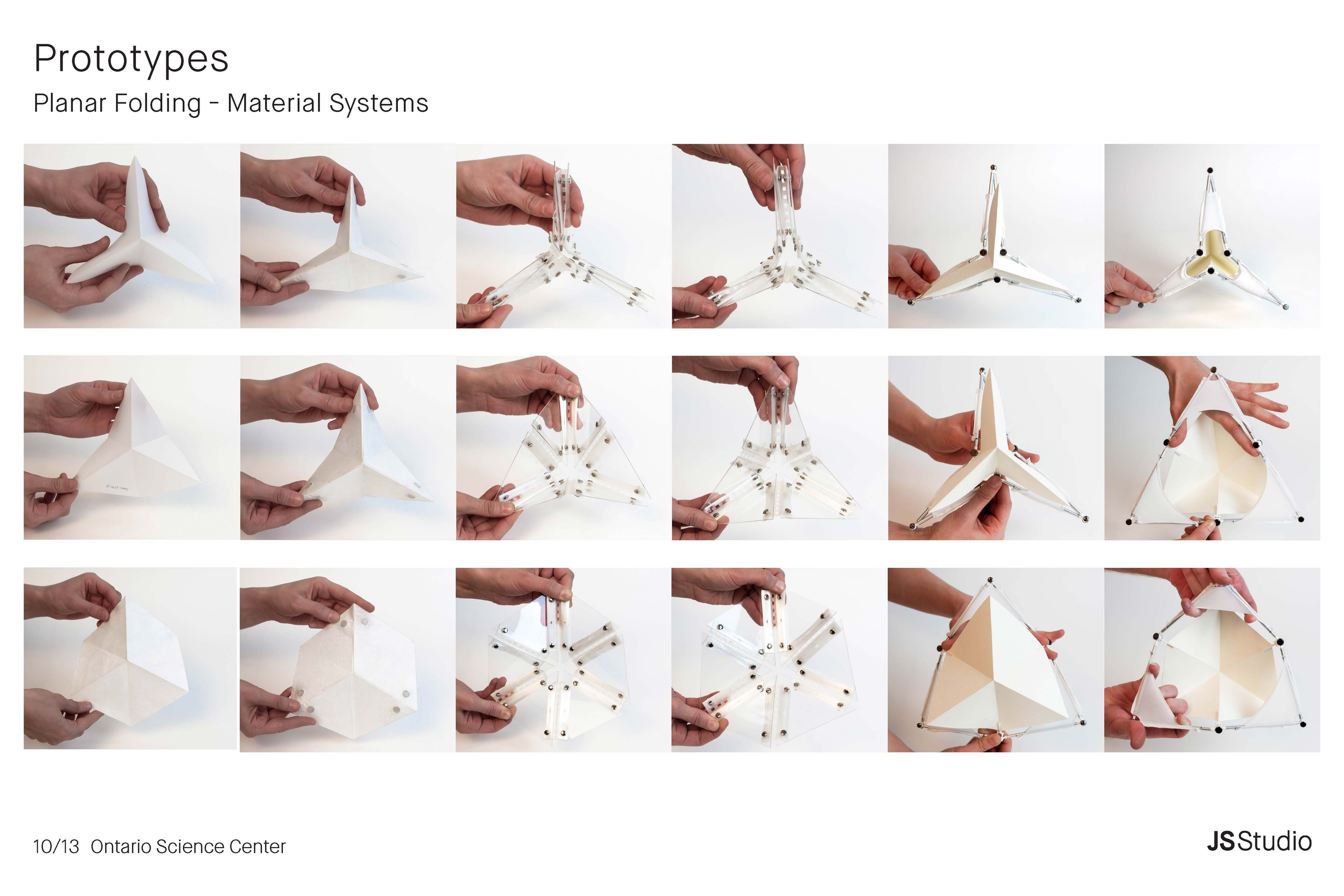
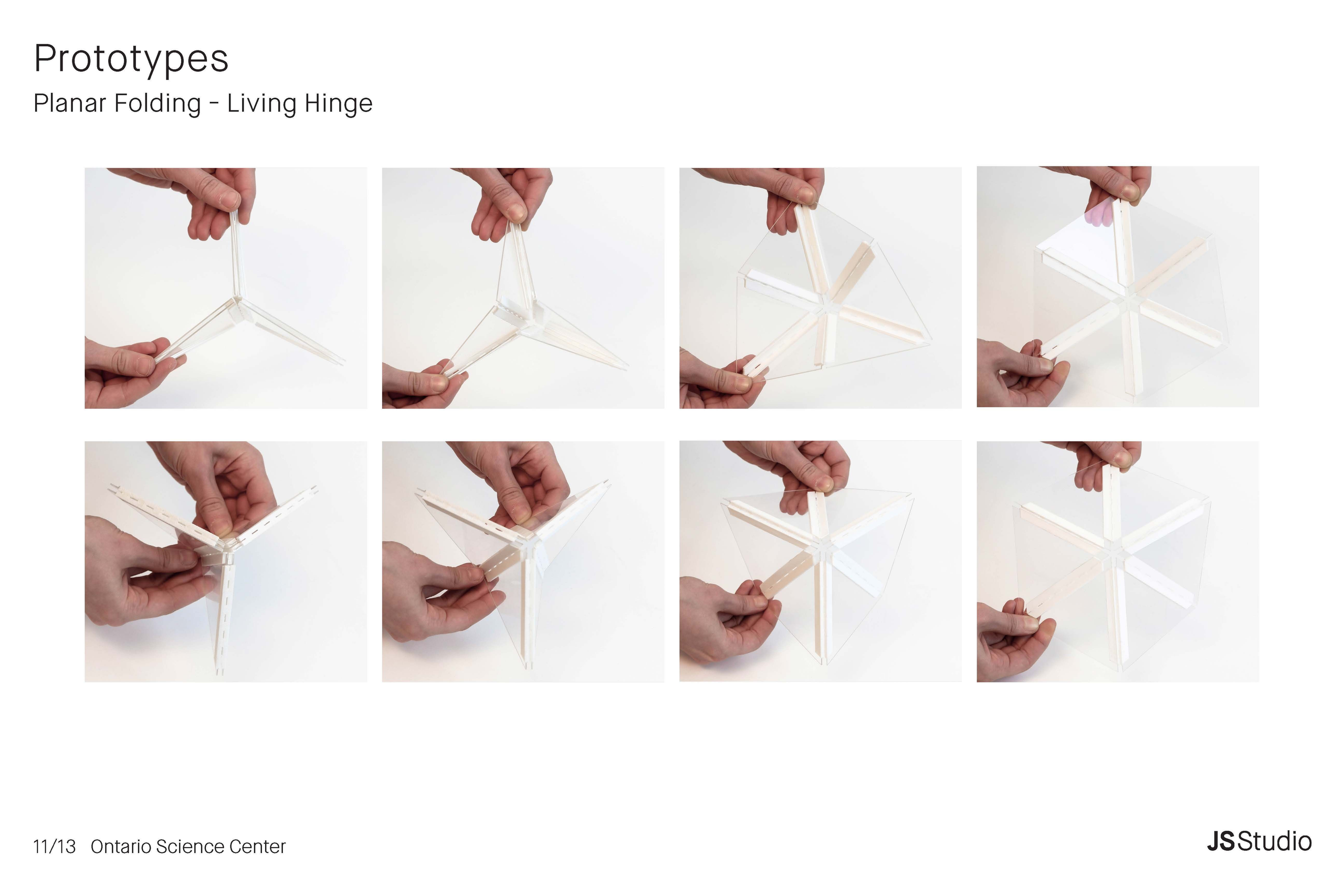
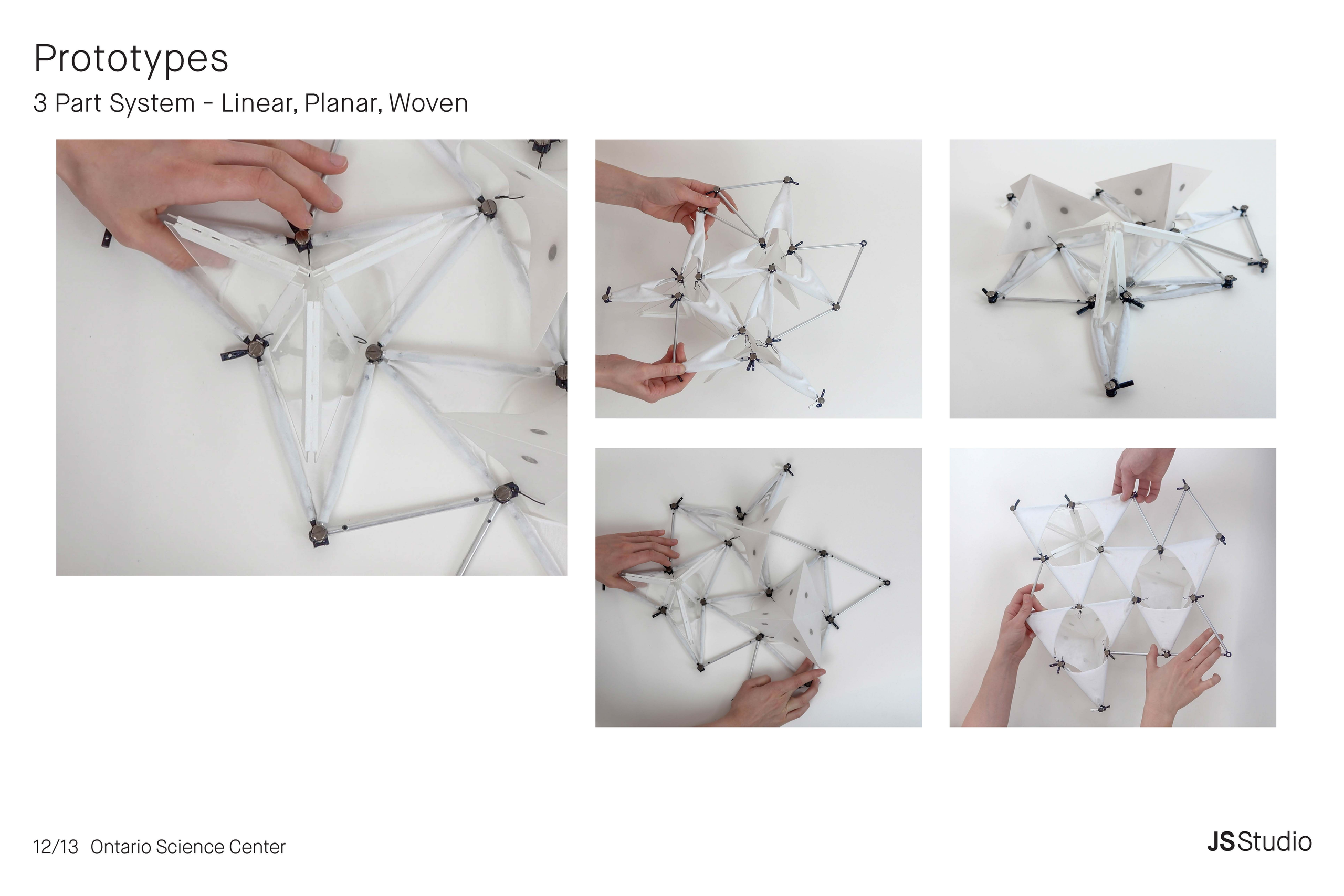
ChromaFold is a sculptural skin that shifts color and moves as you approach it. Commissioned for the Ontario Science Centre, it explores how a surface can feel alive — built so that motion ripples across the whole piece from only a handful of connection points.
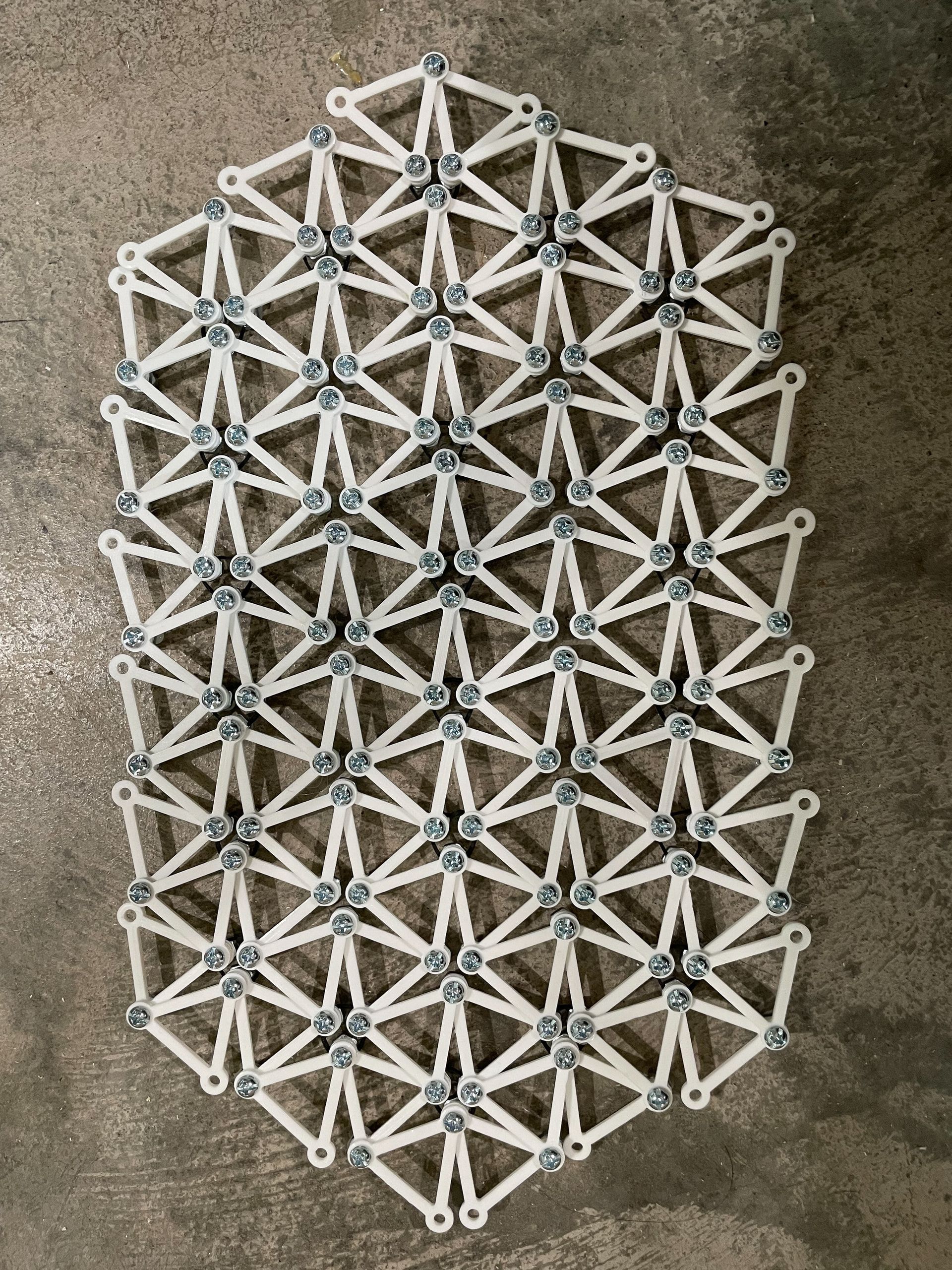
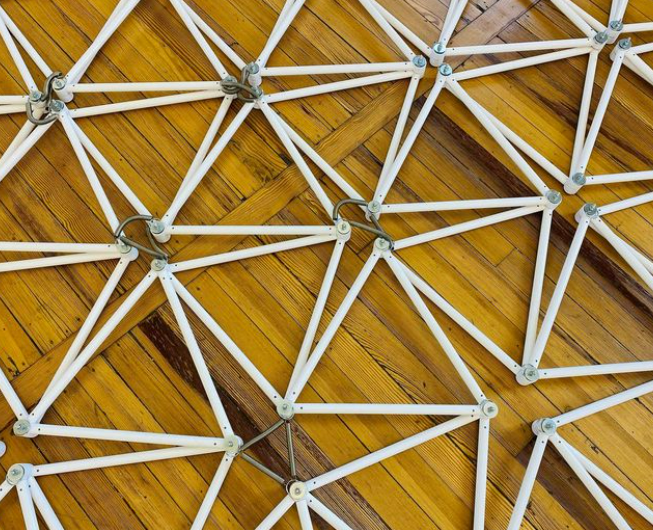
The piece is built as an auxetic network — a geometry that spreads open when it is pulled, rather than narrowing — so a small input at a few points travels across the entire skin. Four motorized pulleys do the pulling, responding to a viewer’s proximity.
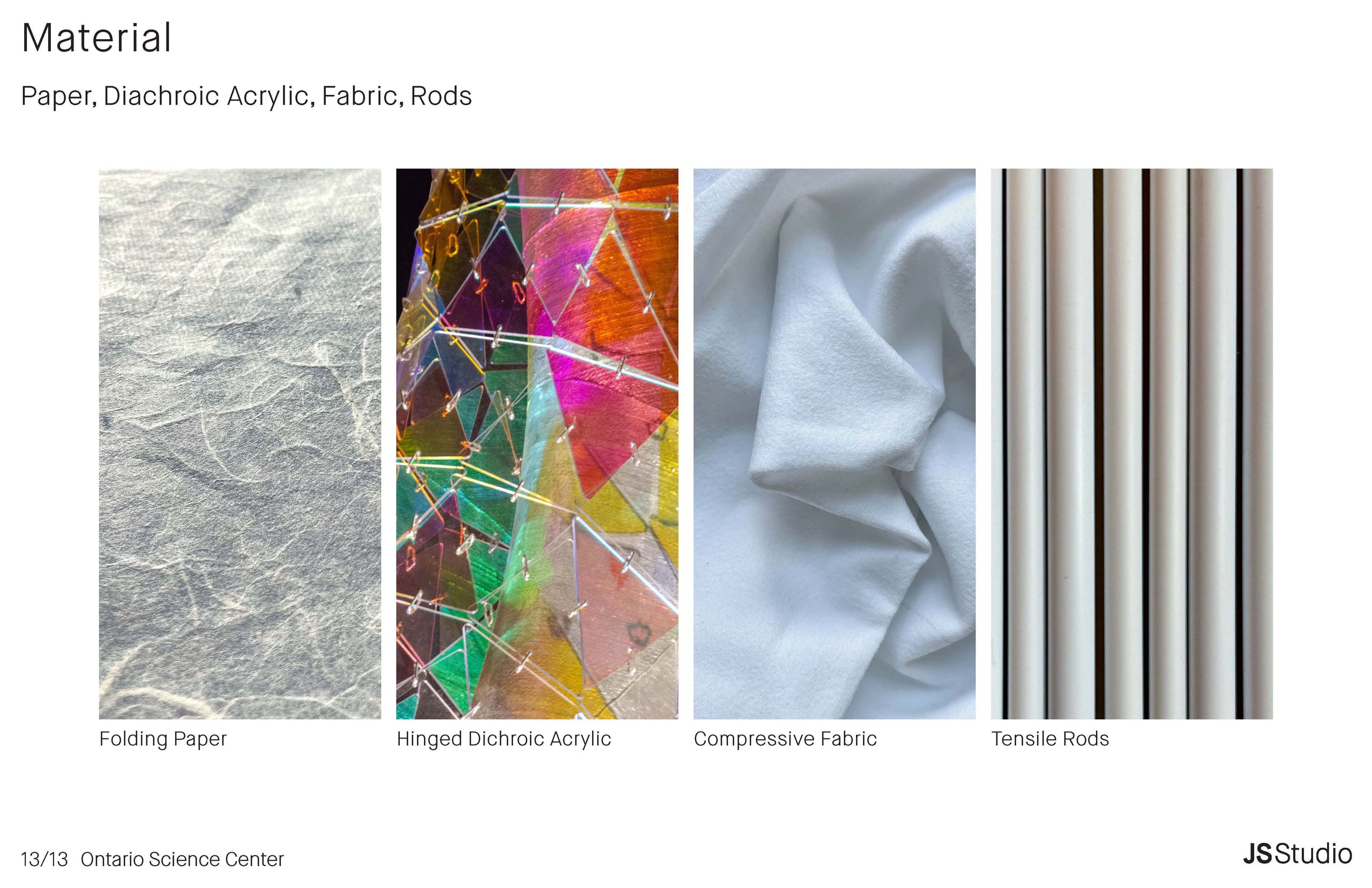
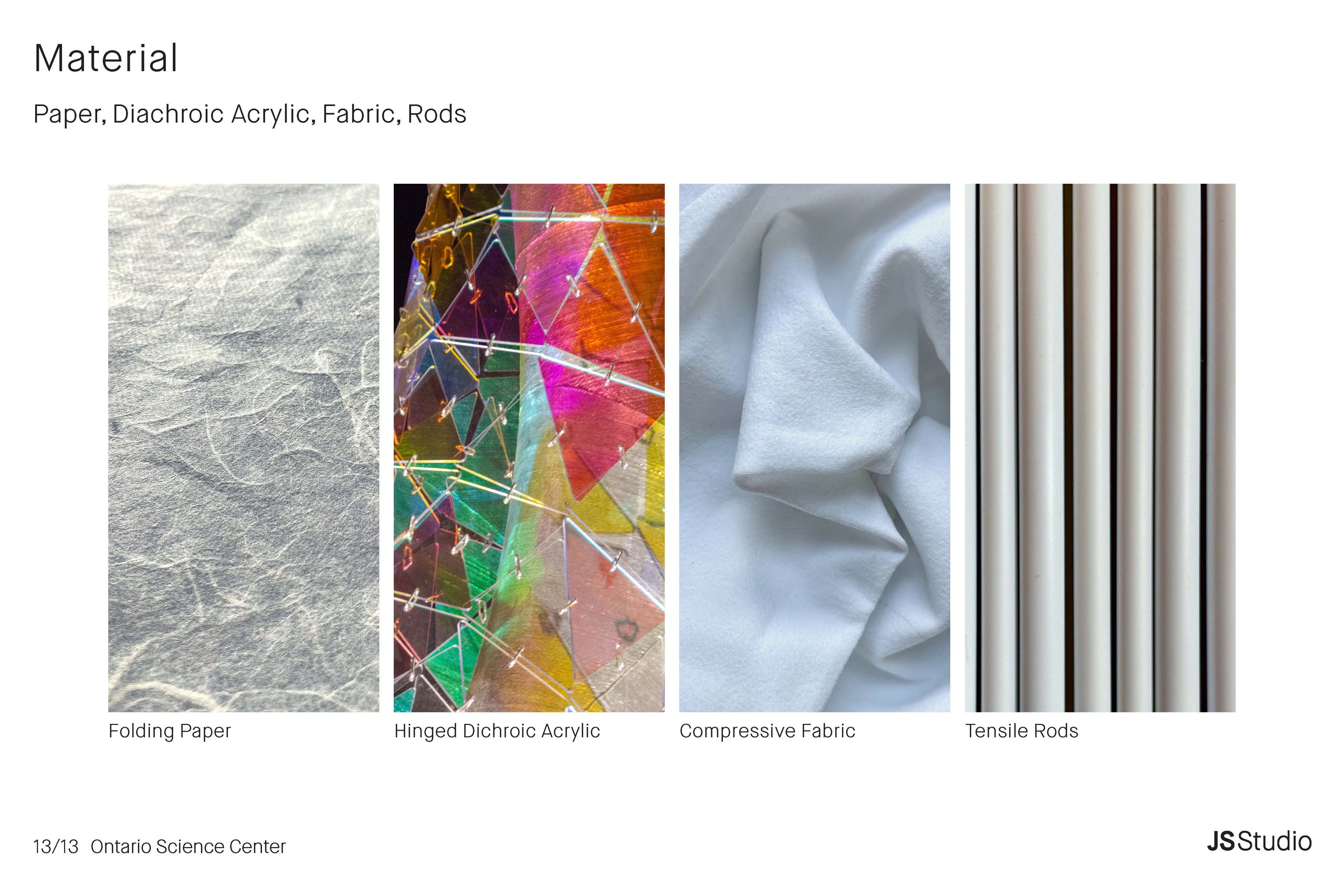
Each module is an acrylic panel finished in either a dichroic film, which shifts color with the angle of view and light, or rice paper. The modul
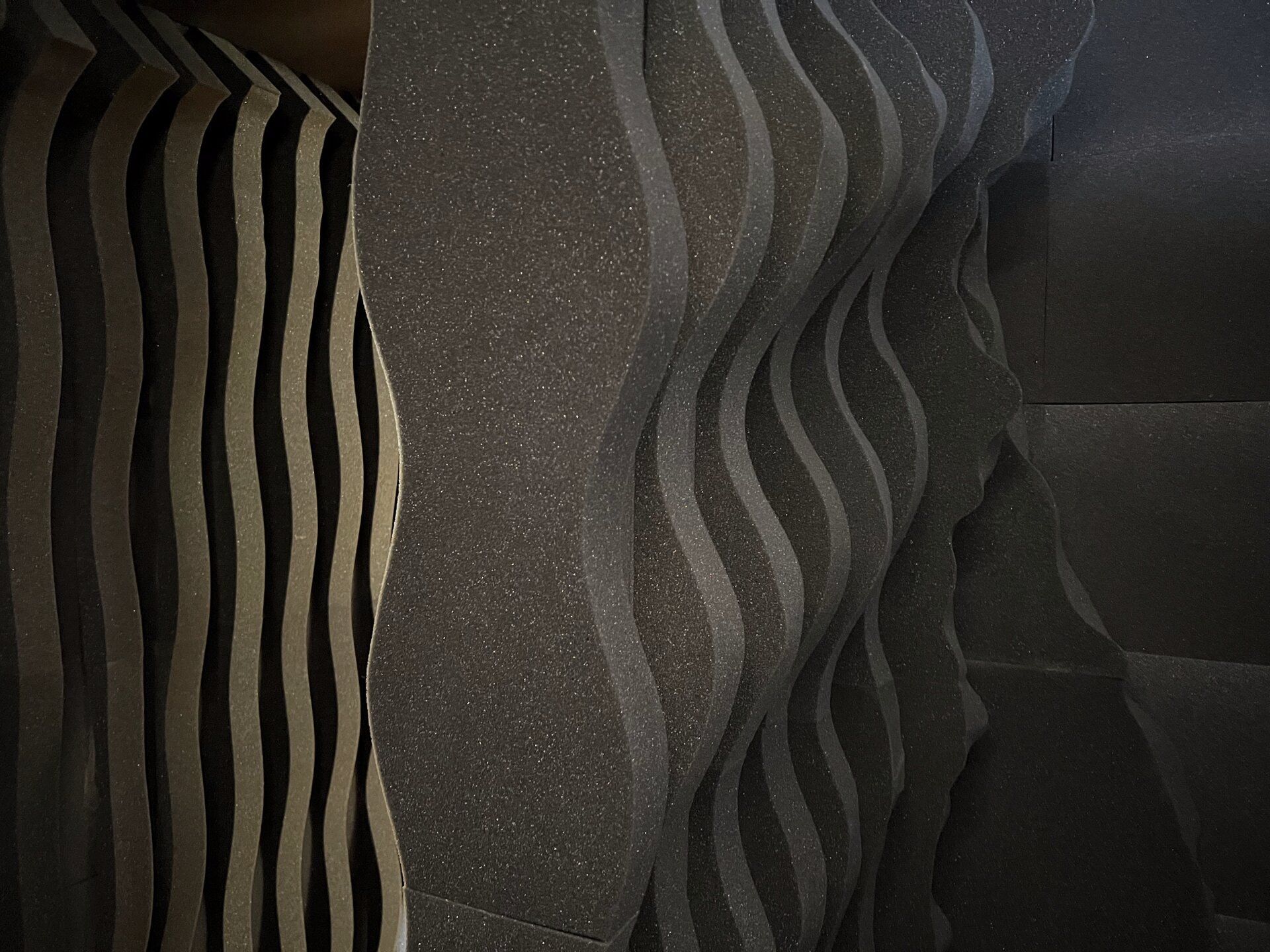
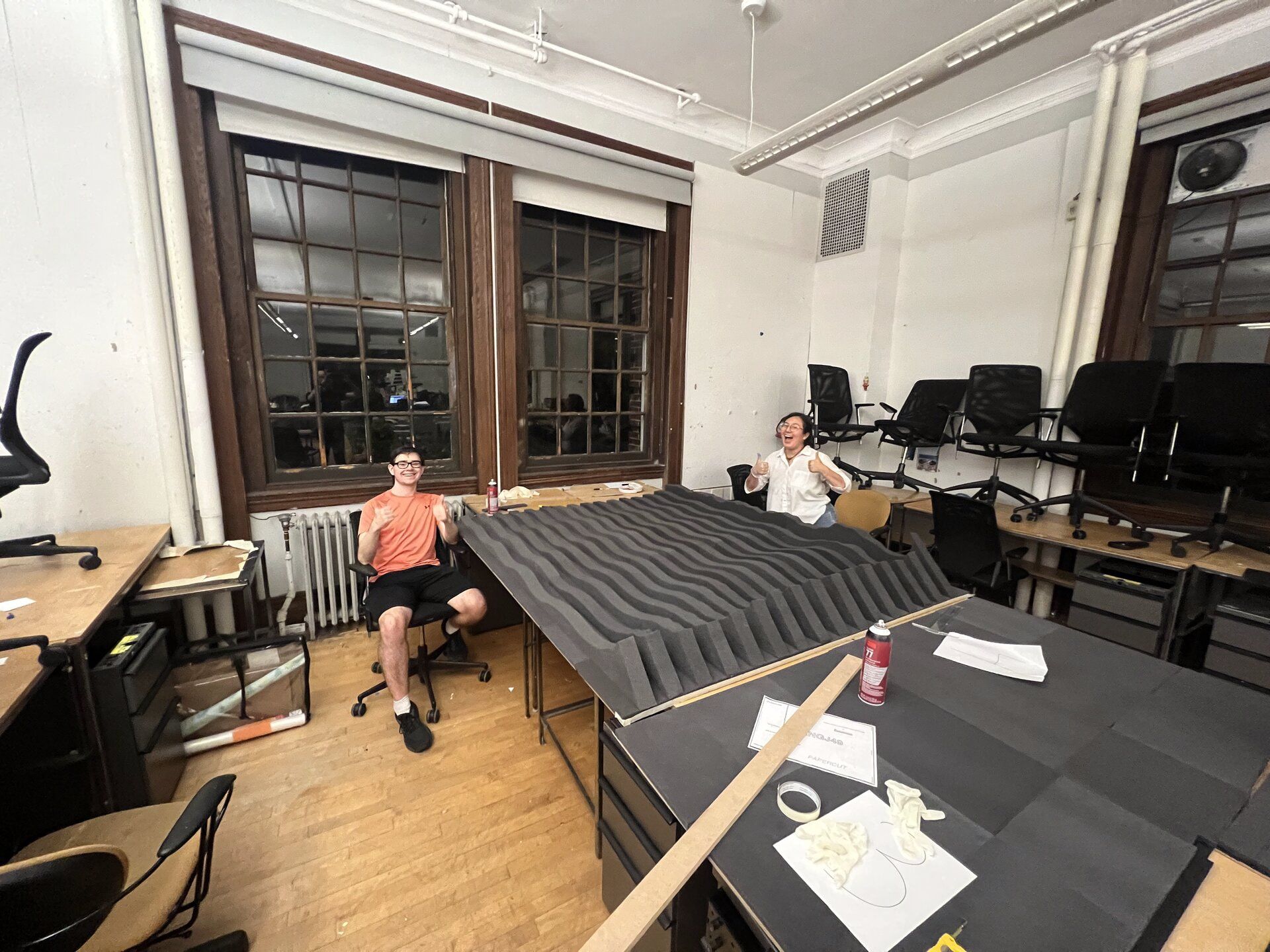
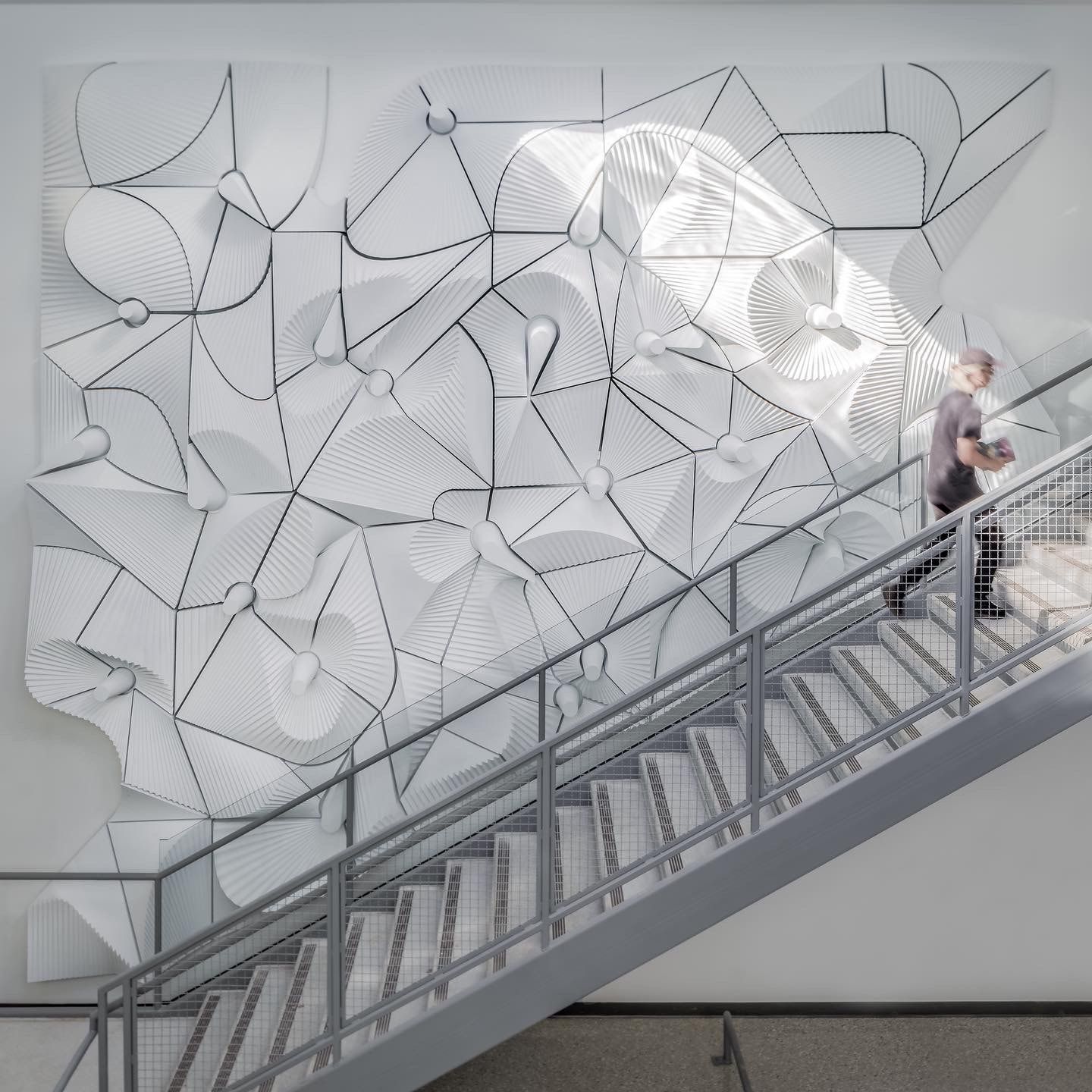
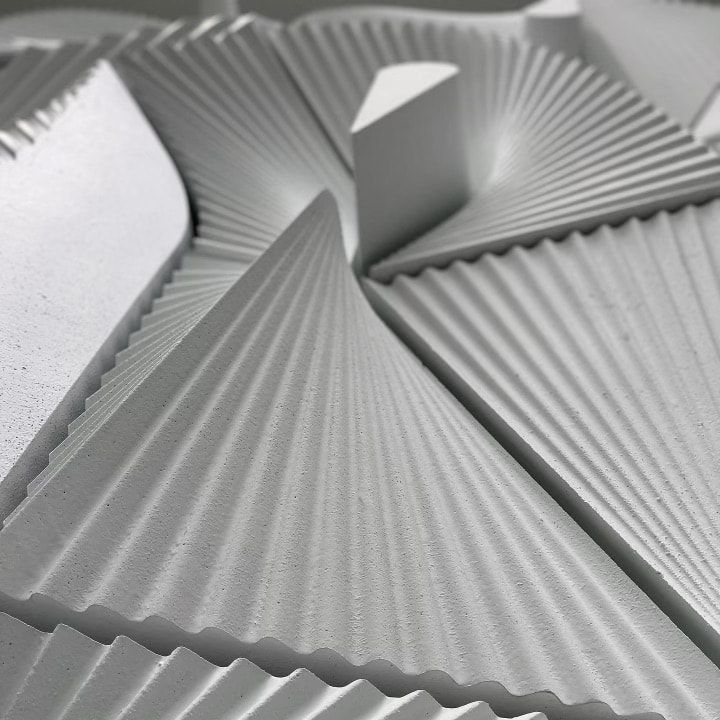
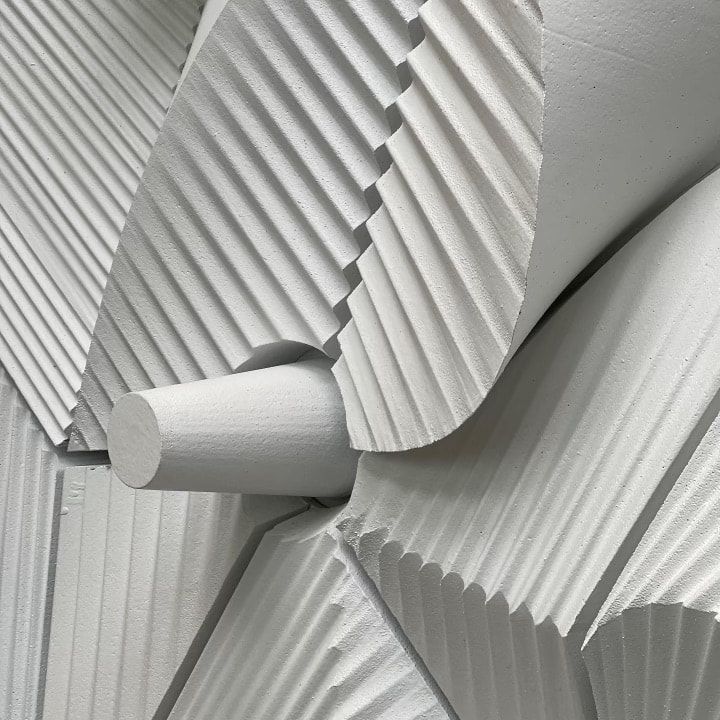
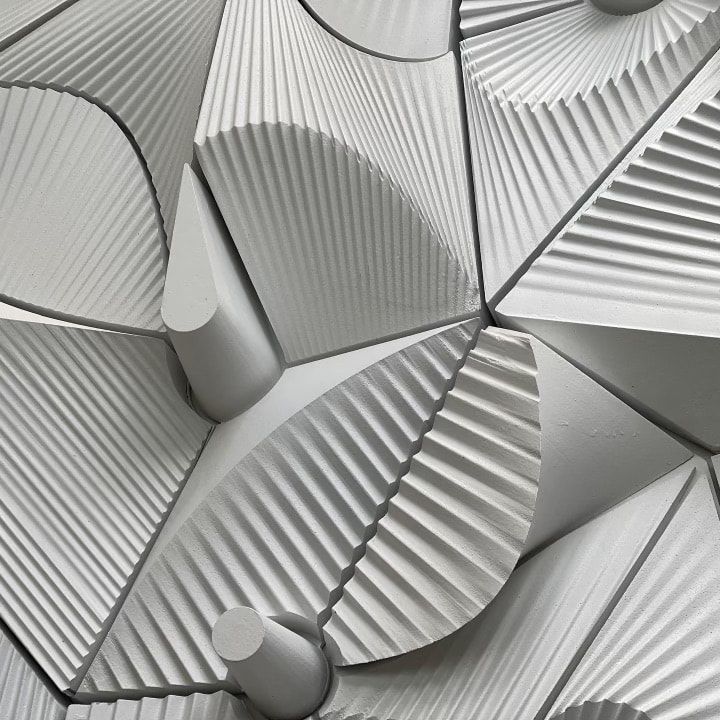
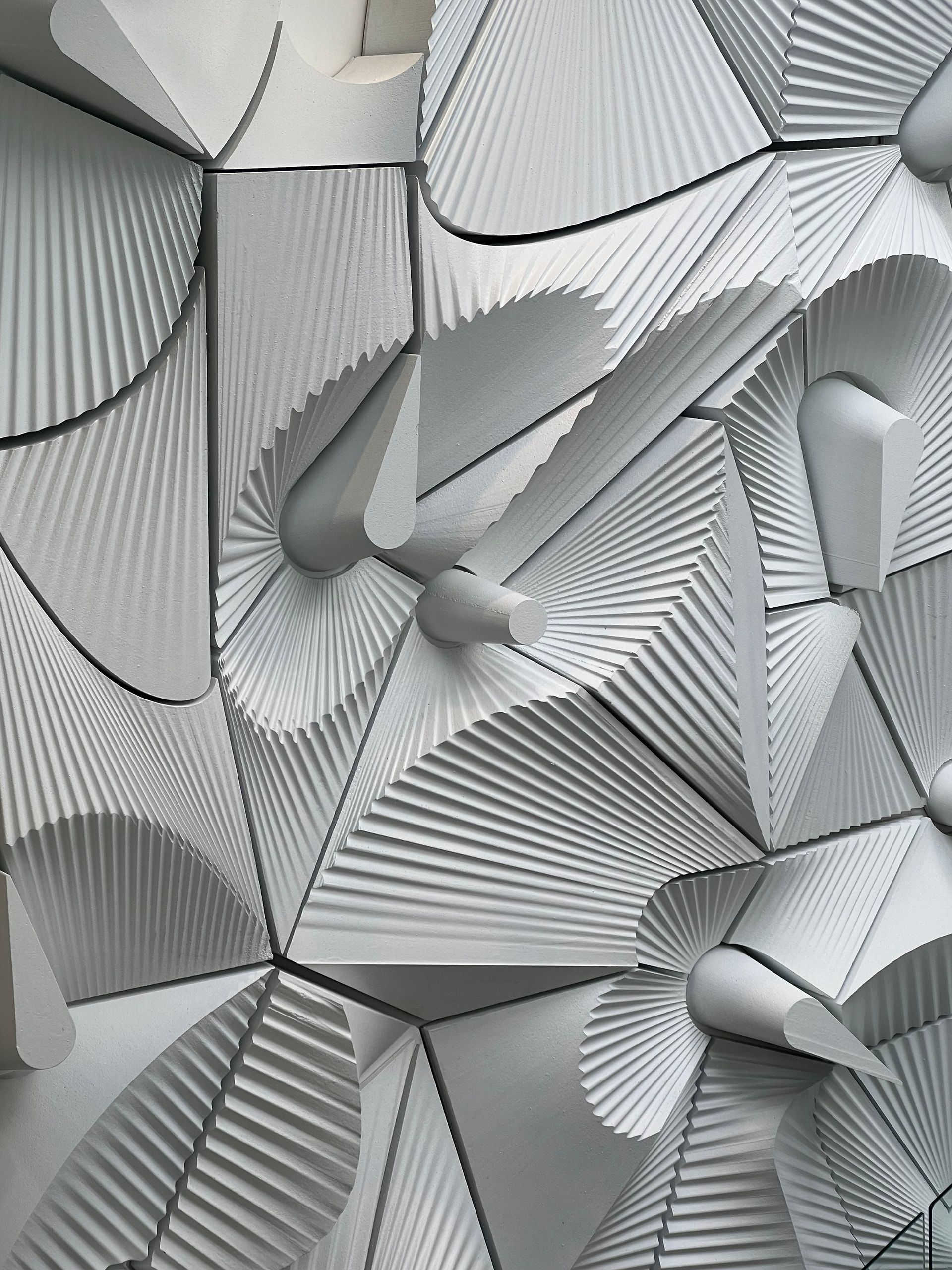
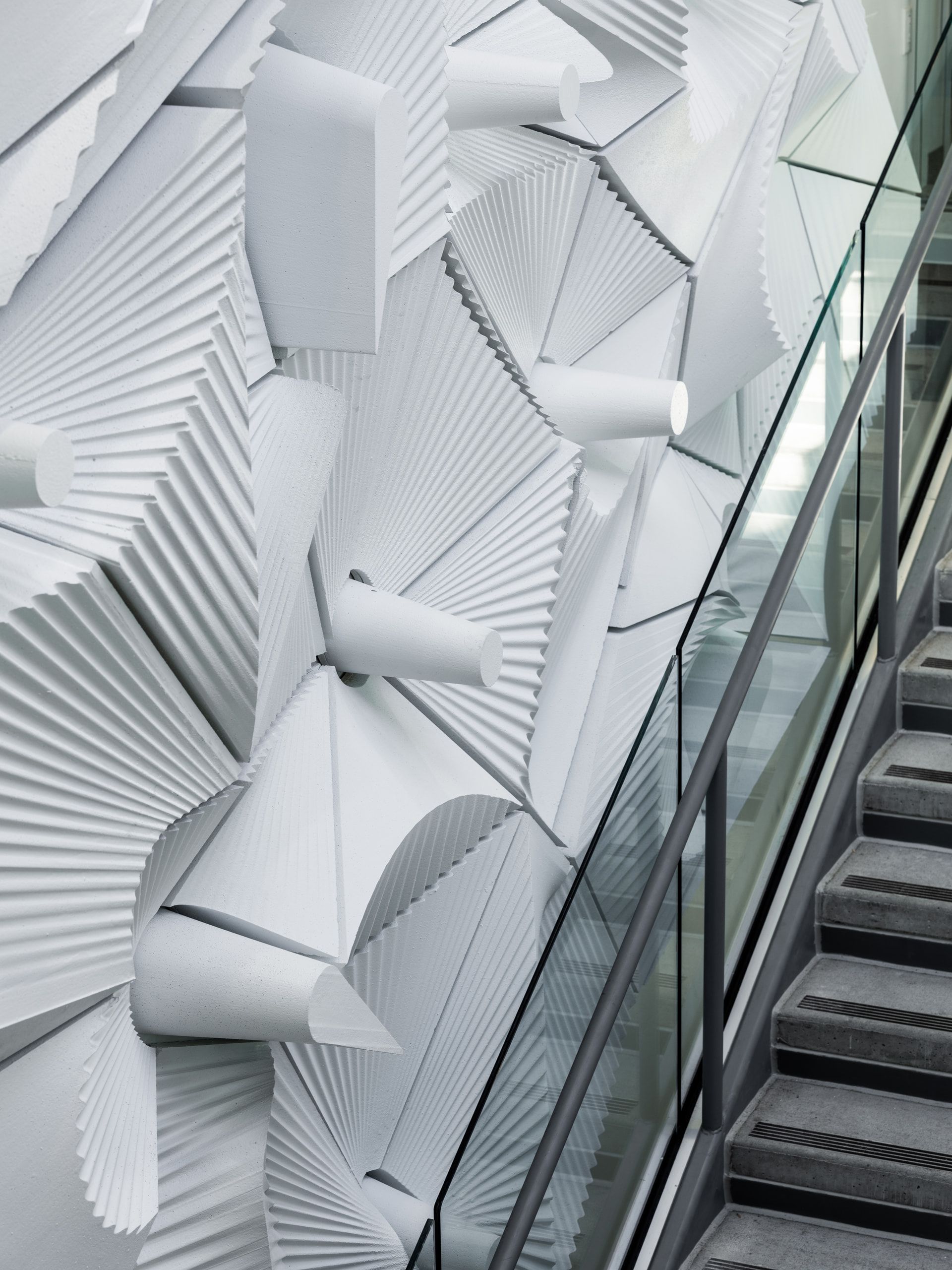
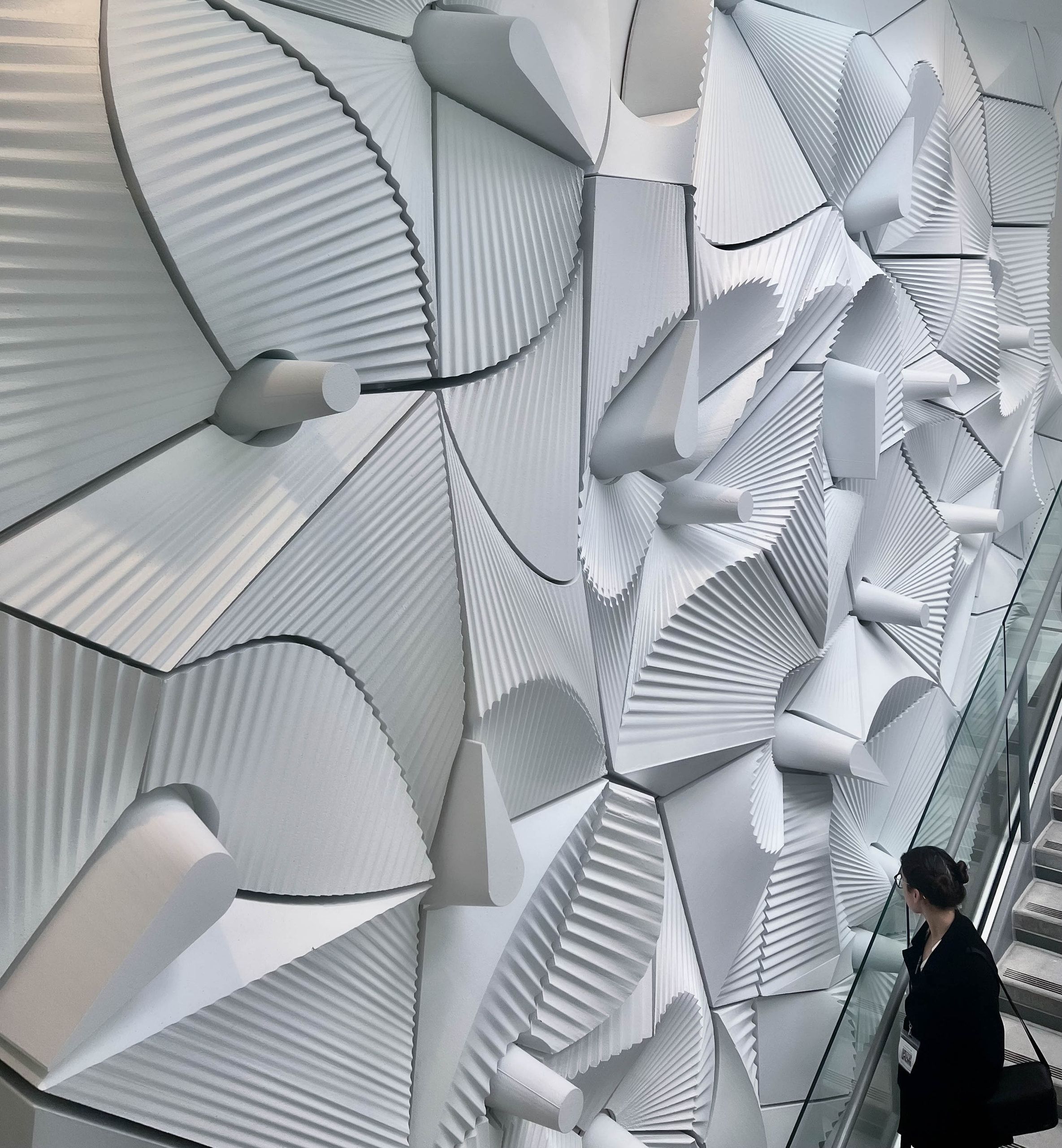
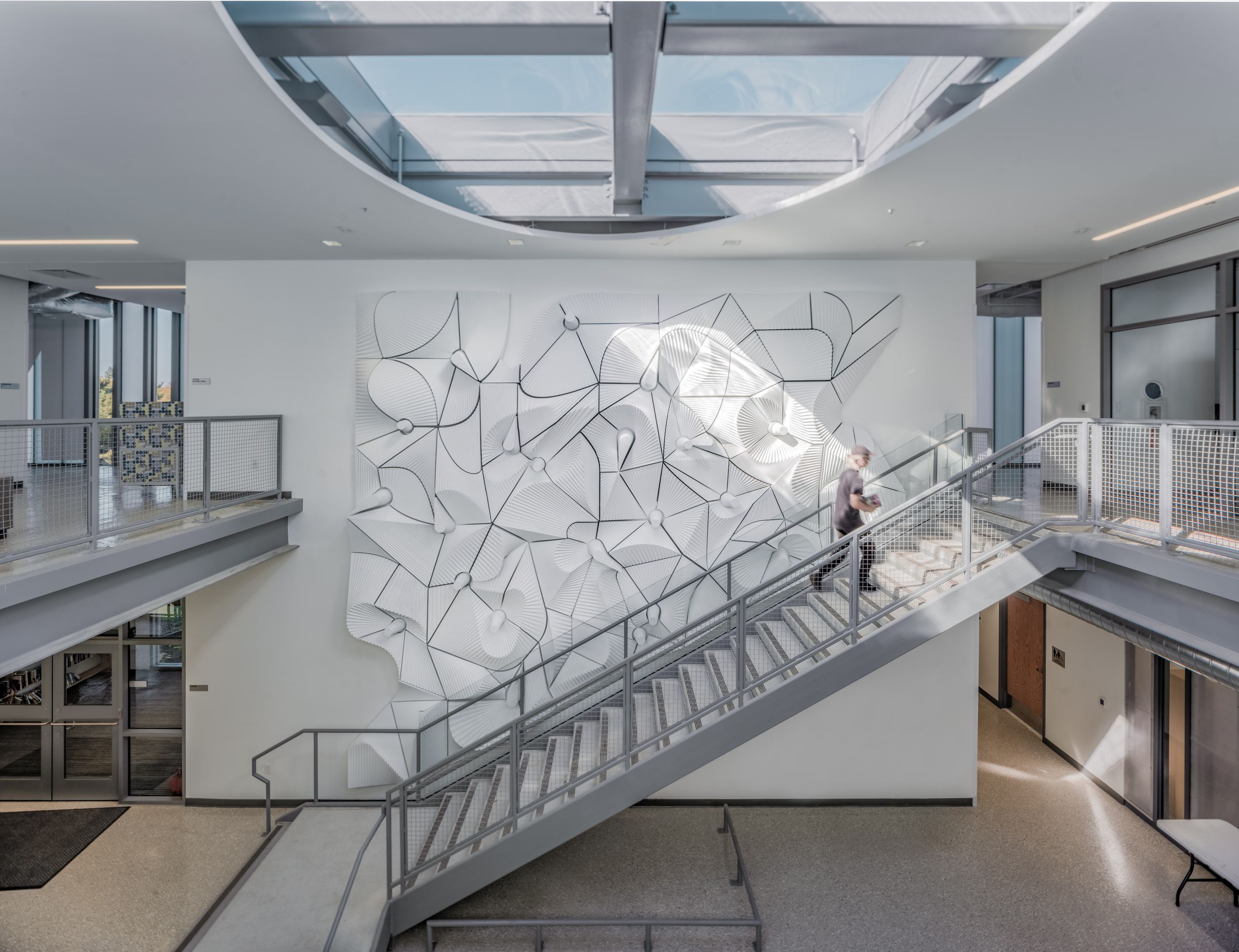
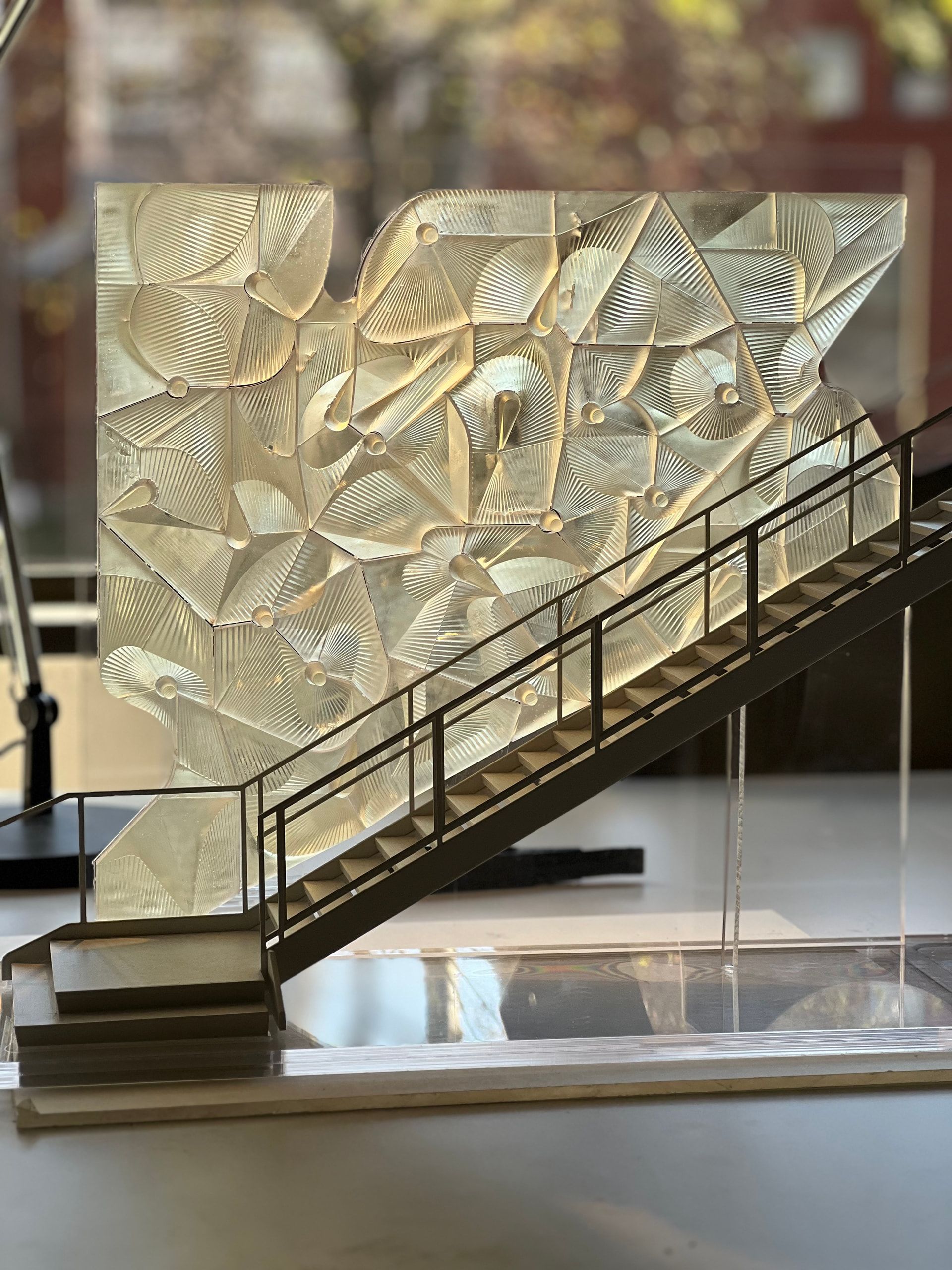
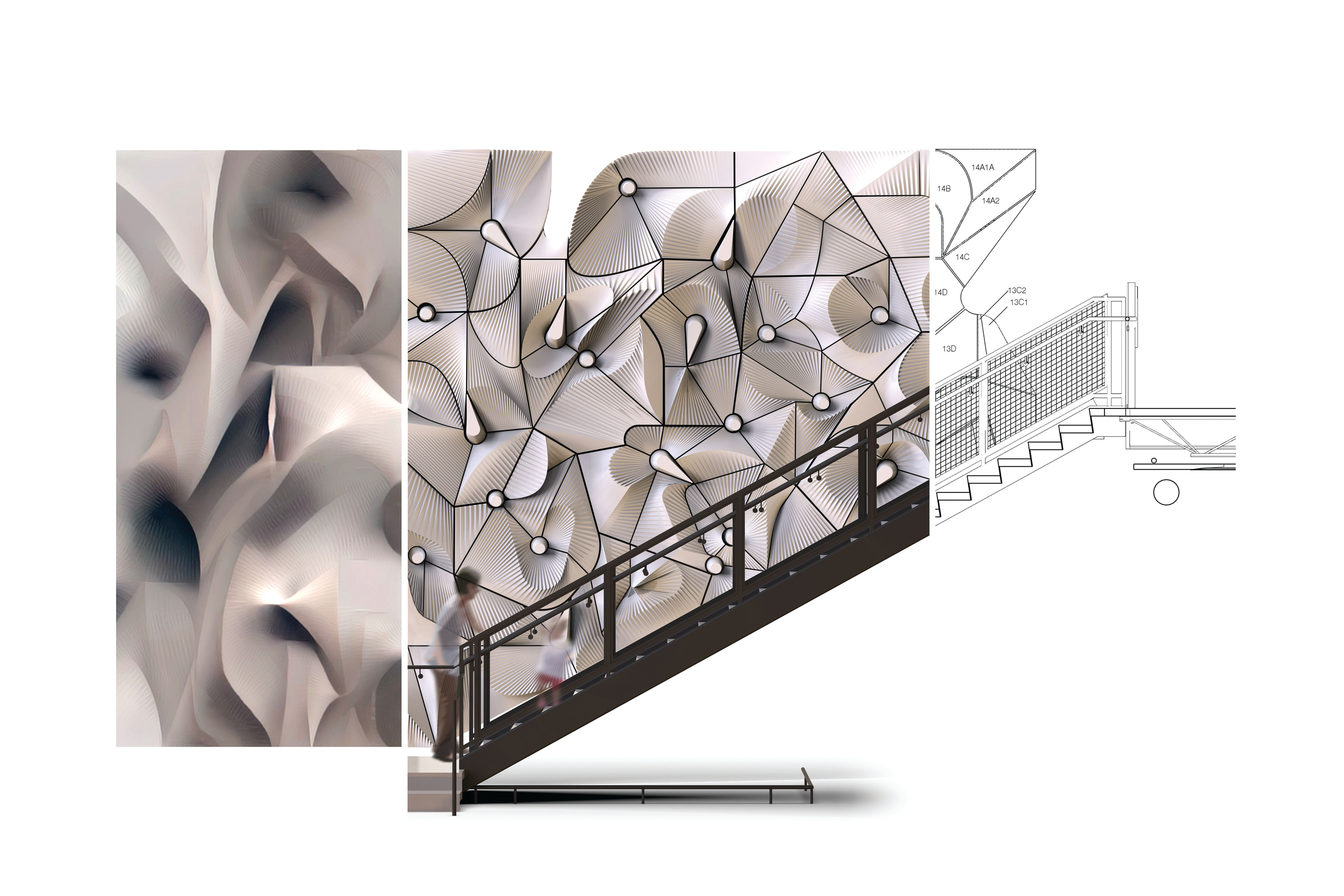
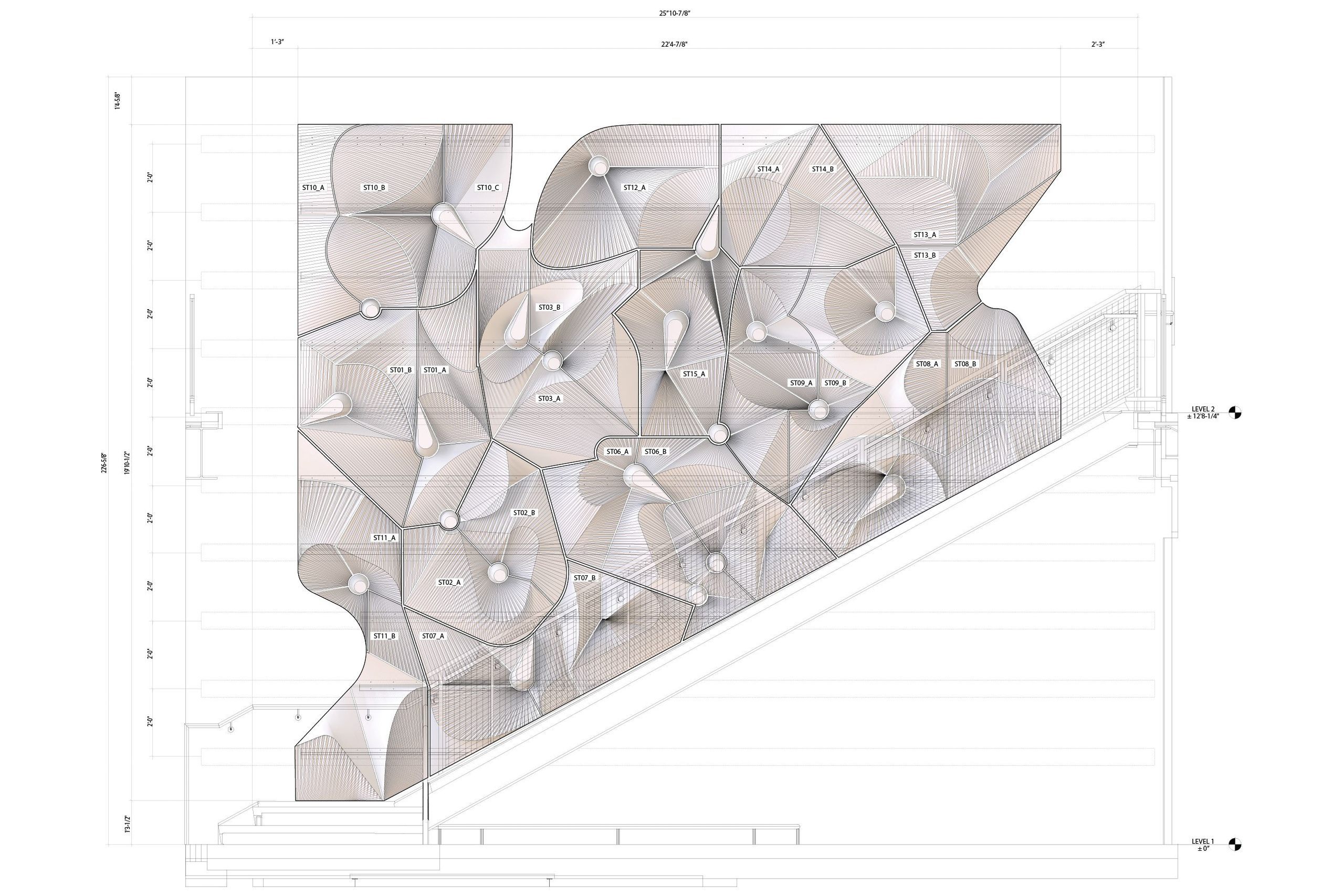
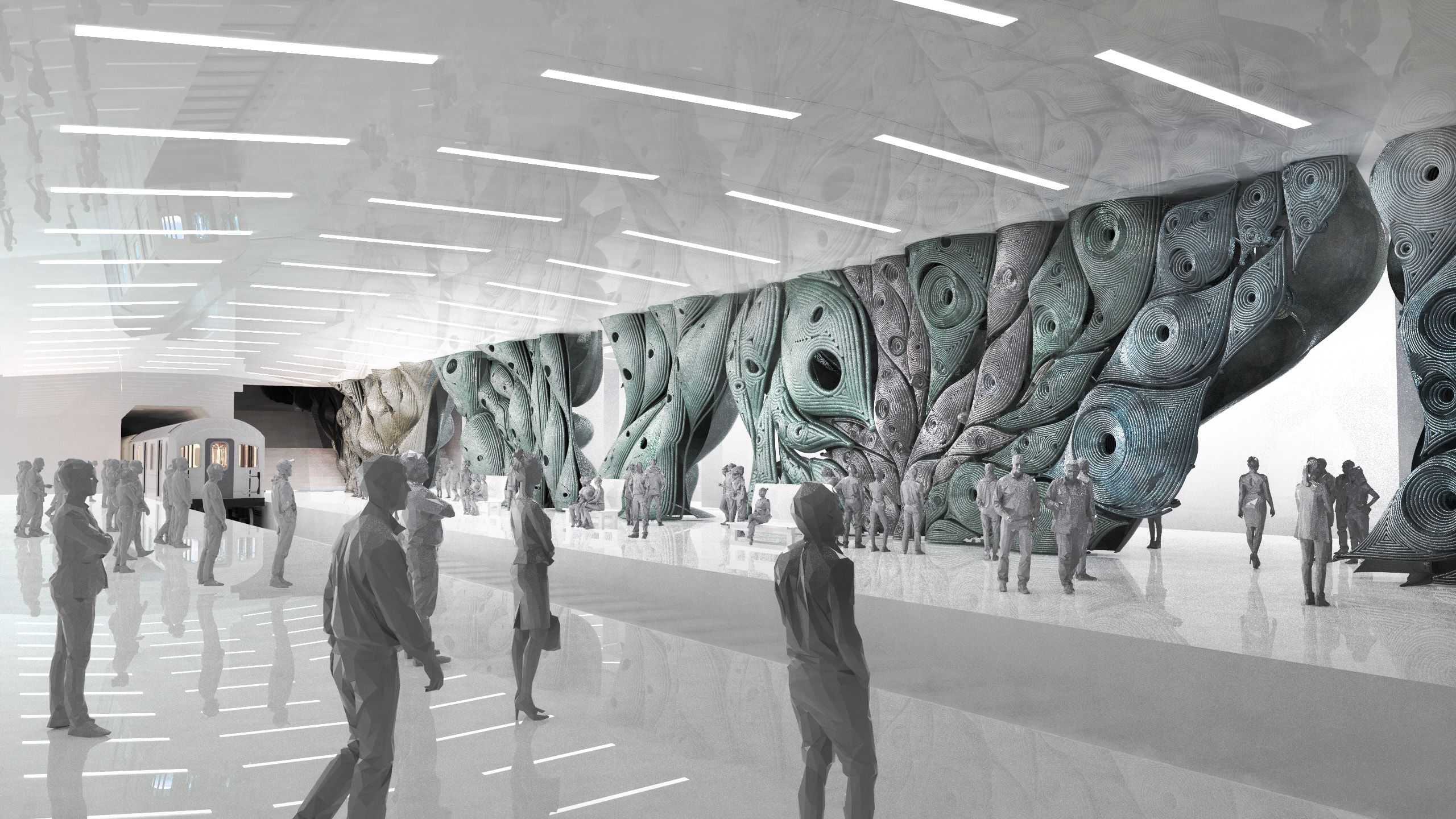
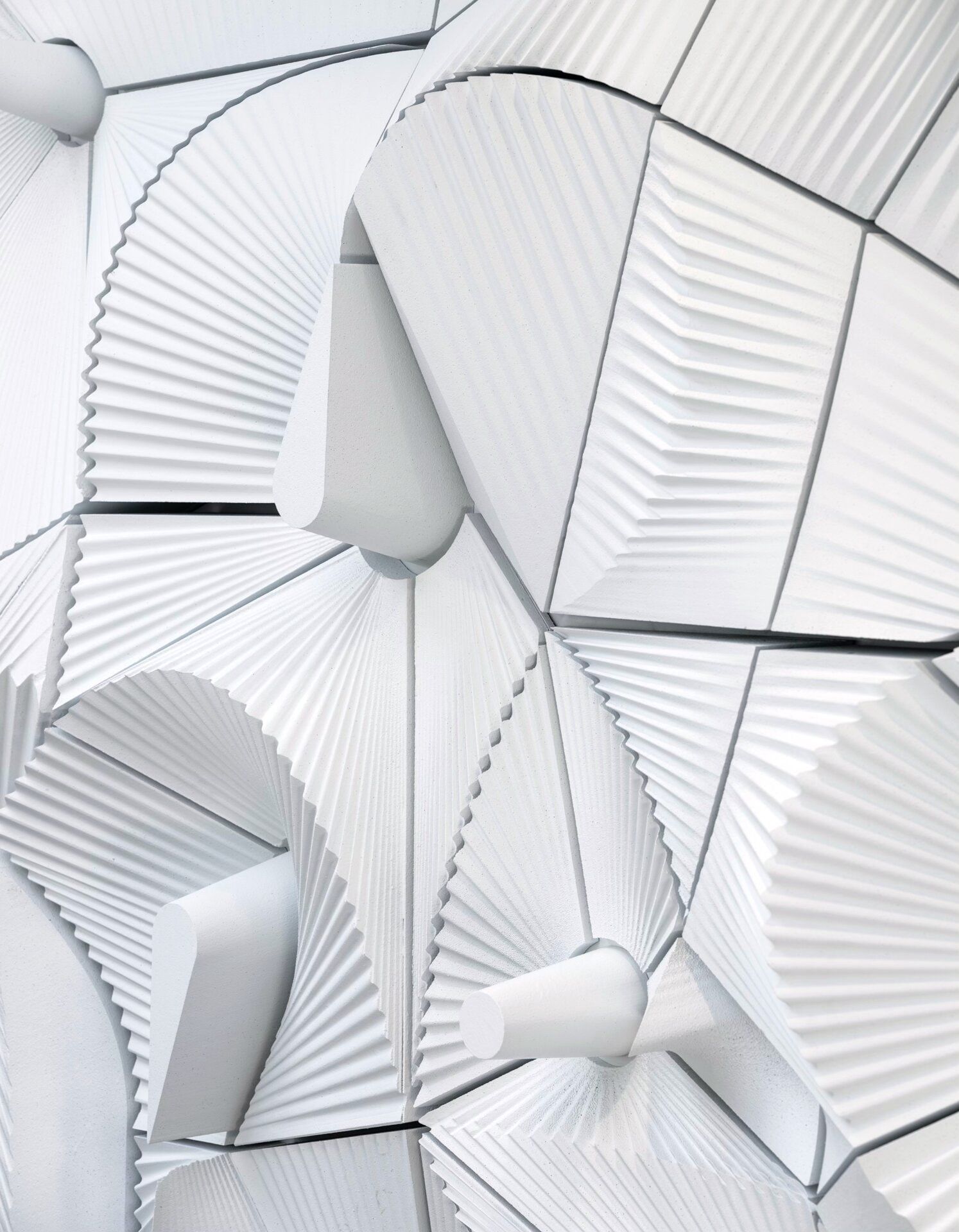
Deep Relief is an architectural-scale wall relief, permanently installed at the Middletown Free Library, whose forms were designed by an artificial neural network and carved by an industrial robot. It asks what happens when an AI becomes a genuine collaborator in design — not a tool following instructions, but a partner proposing forms a person wouldn’t.
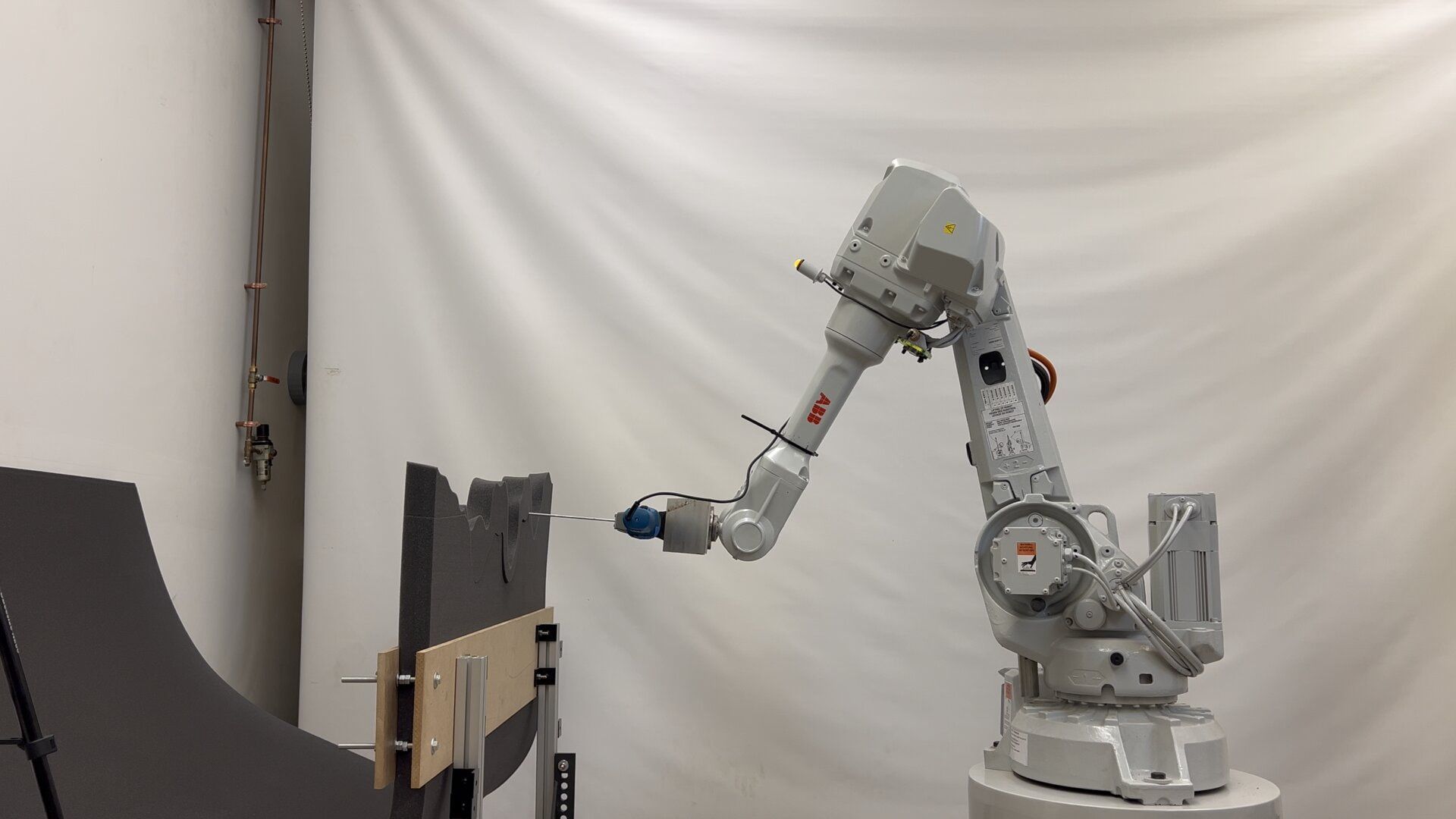
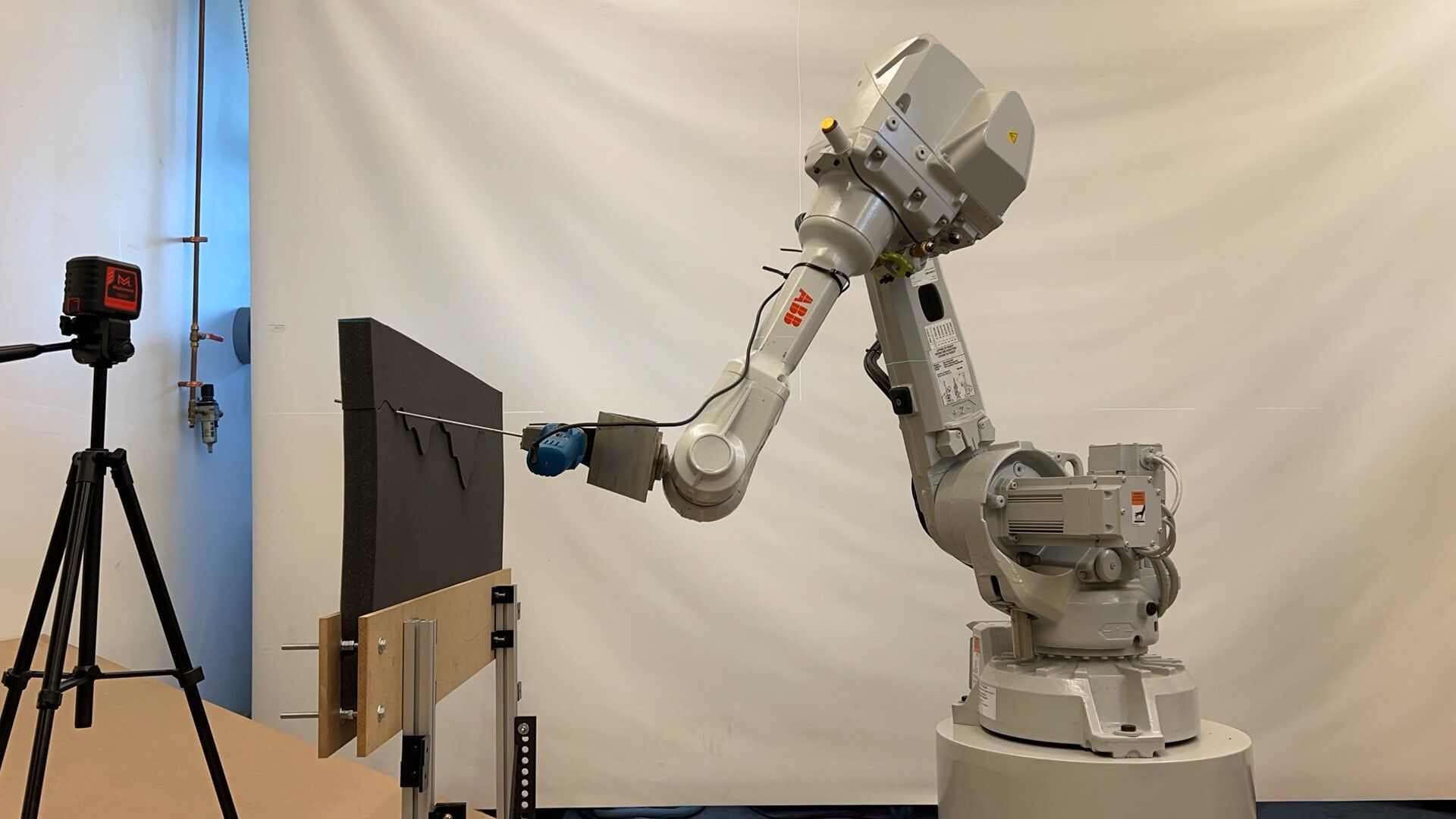
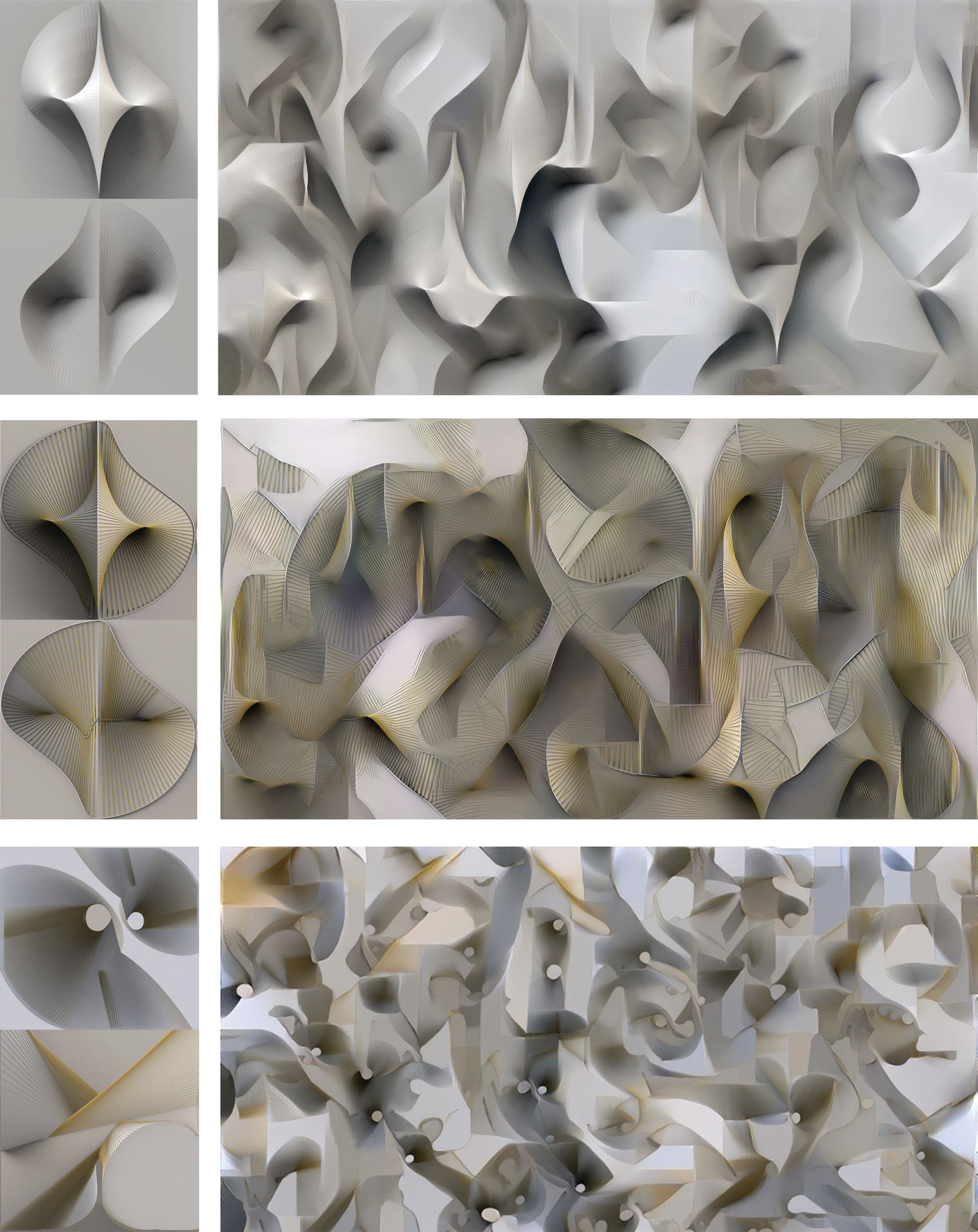
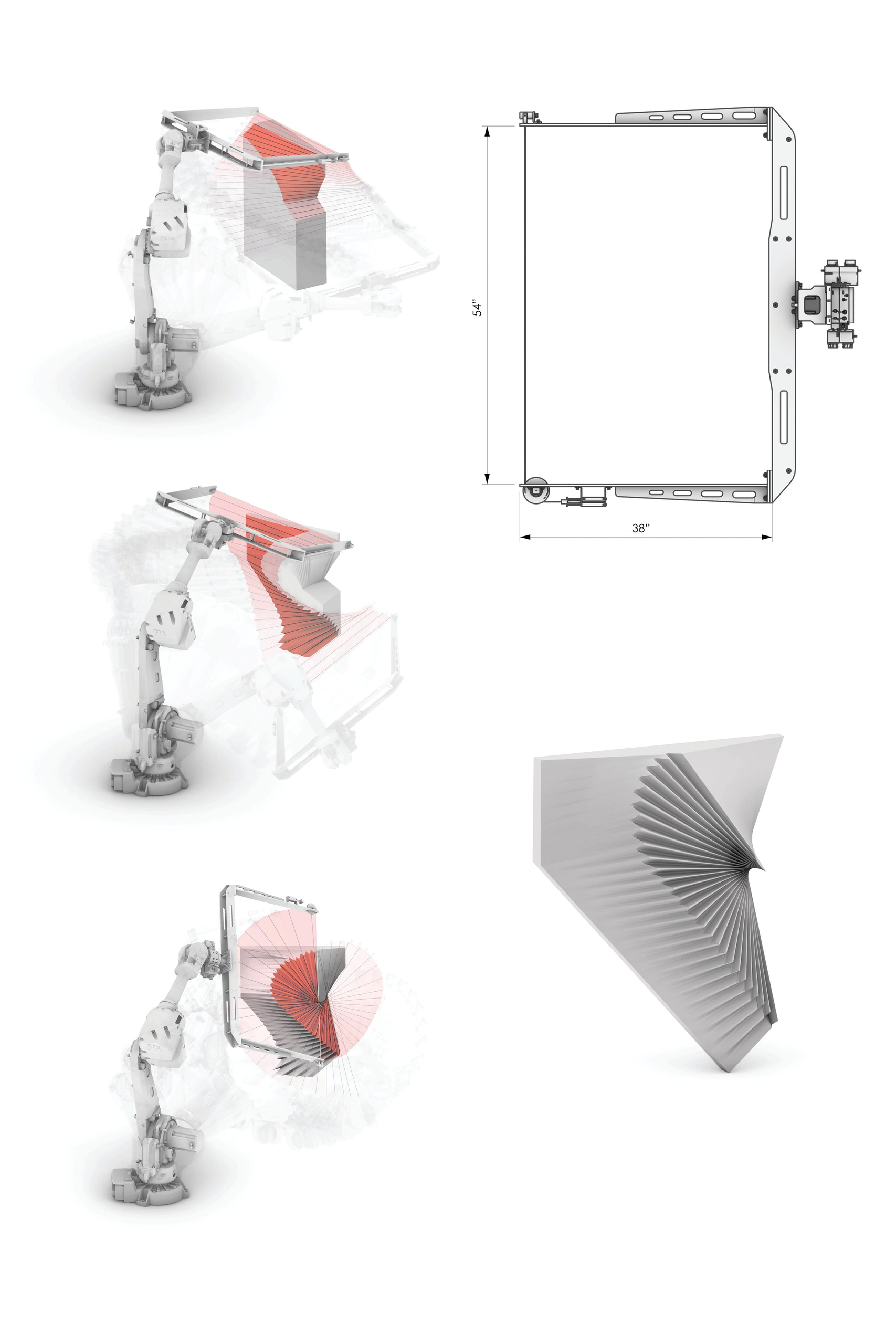
The relief tests whether a convolutional neural network — the kind of AI used for image recognition — can generate a language of three-dimensional form. Treating the basic features of a “ruled surface” (a curved shape a straight wire can sweep out) as if they were features in an image, a VGG-19 network recombines the construction logic of robotic hot-wire cutting into new, unexpected forms.
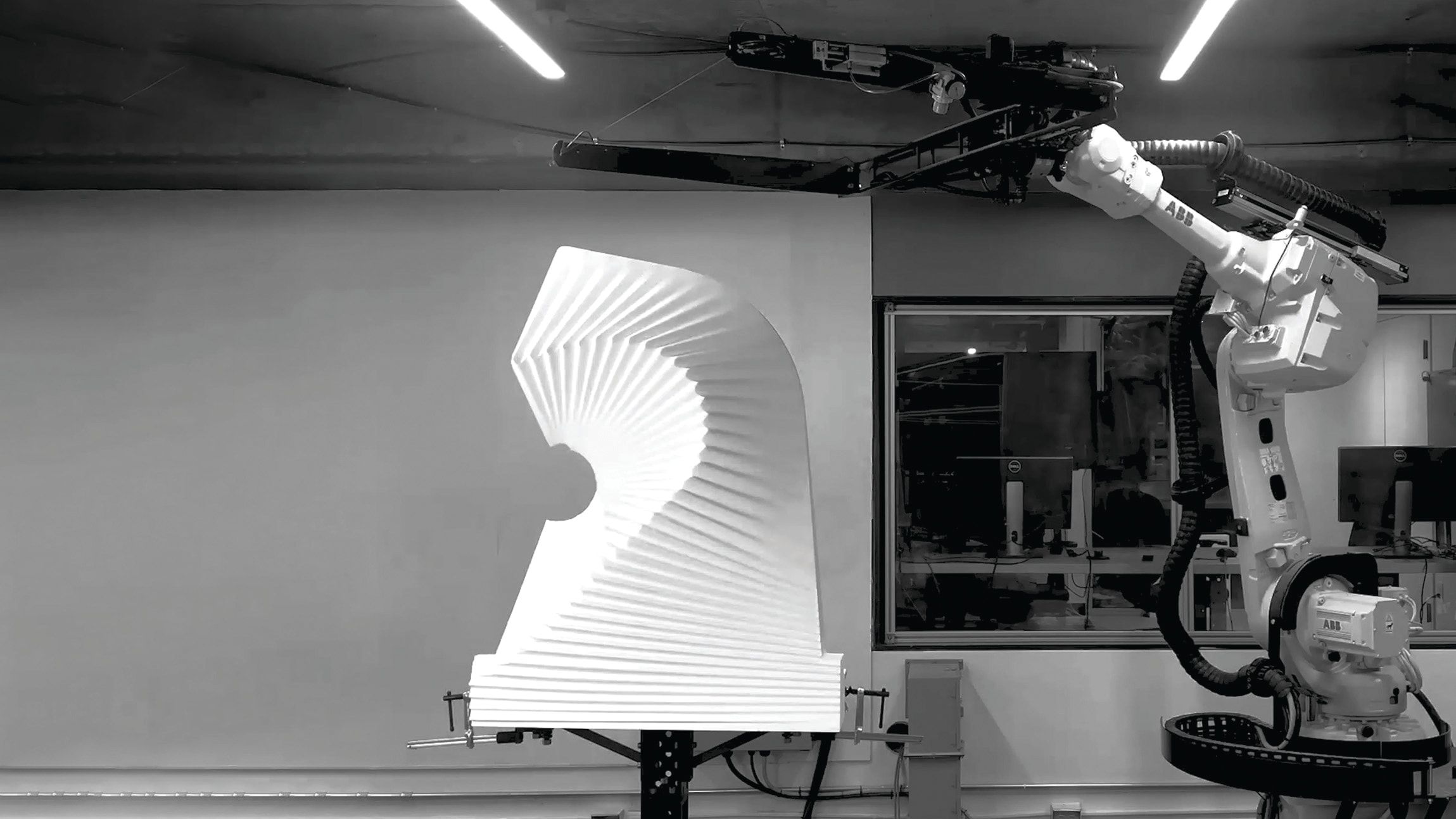
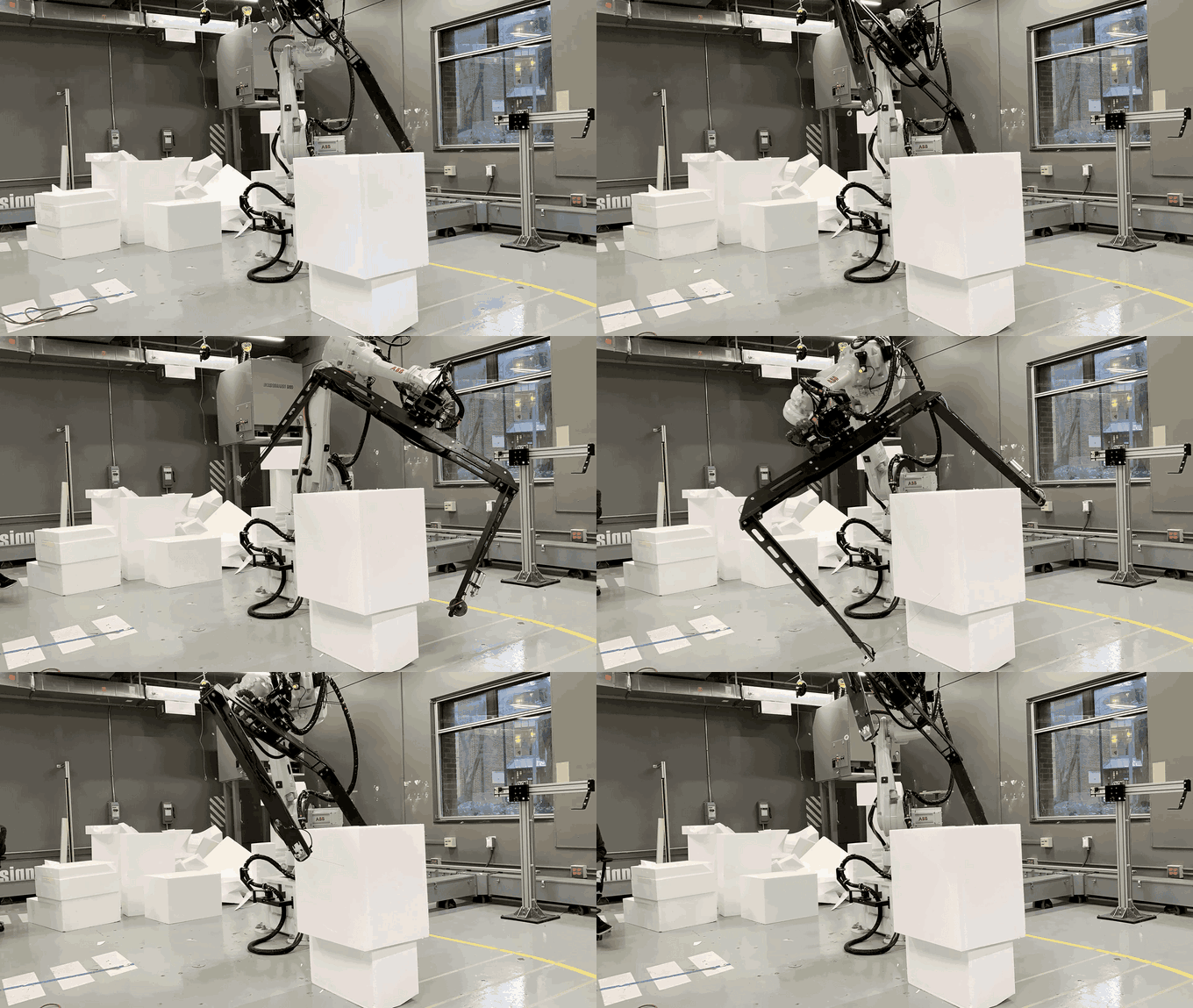
Those forms are cut from blocks of rigid foam (EPS) by a six-axis ABB IRB4600 robot fitted with a large custom hot-wire end effector. The result sits at the intersection of painterly composition and machine logic — geometry that is buildable and rigorous, yet authored as much by the network as by the designers.
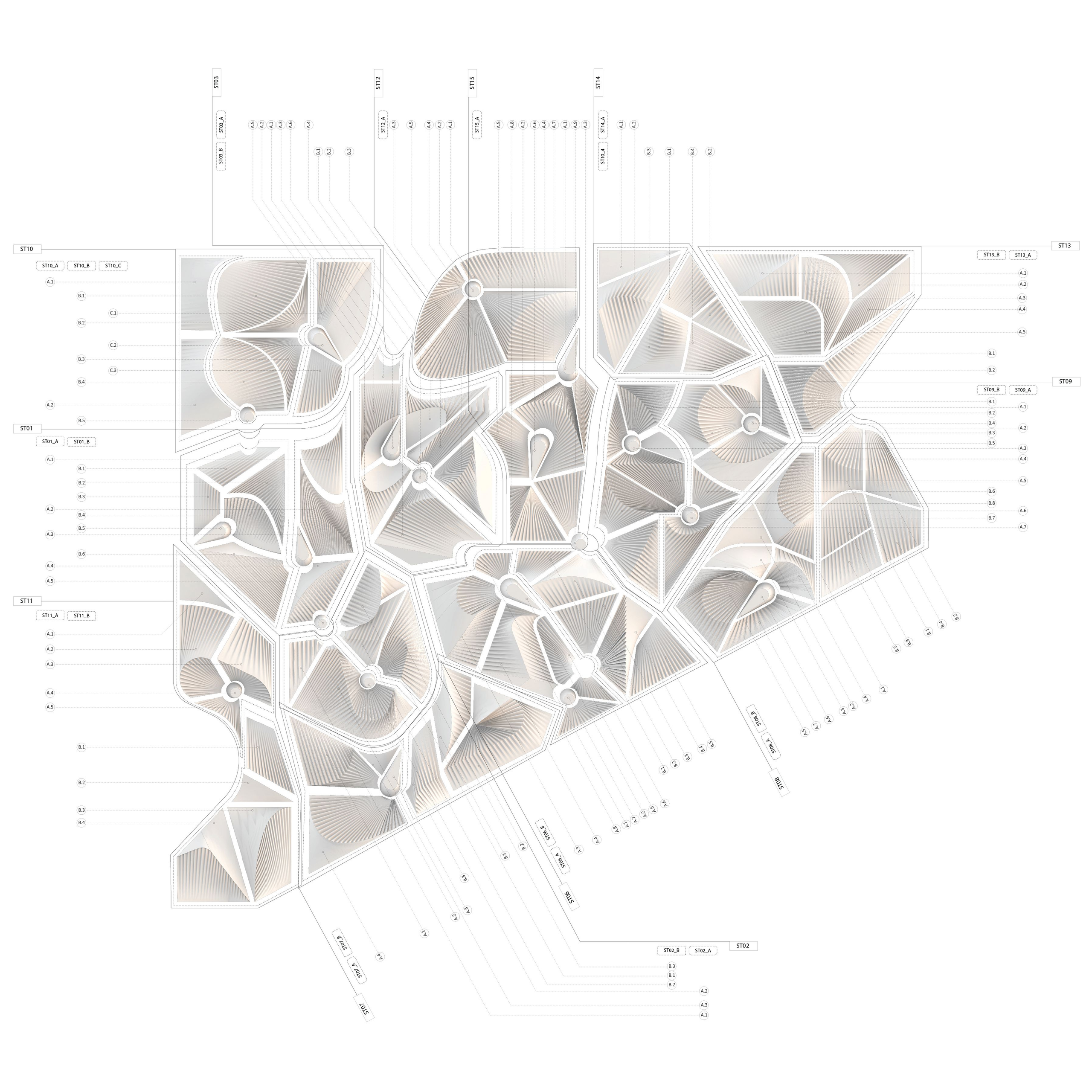
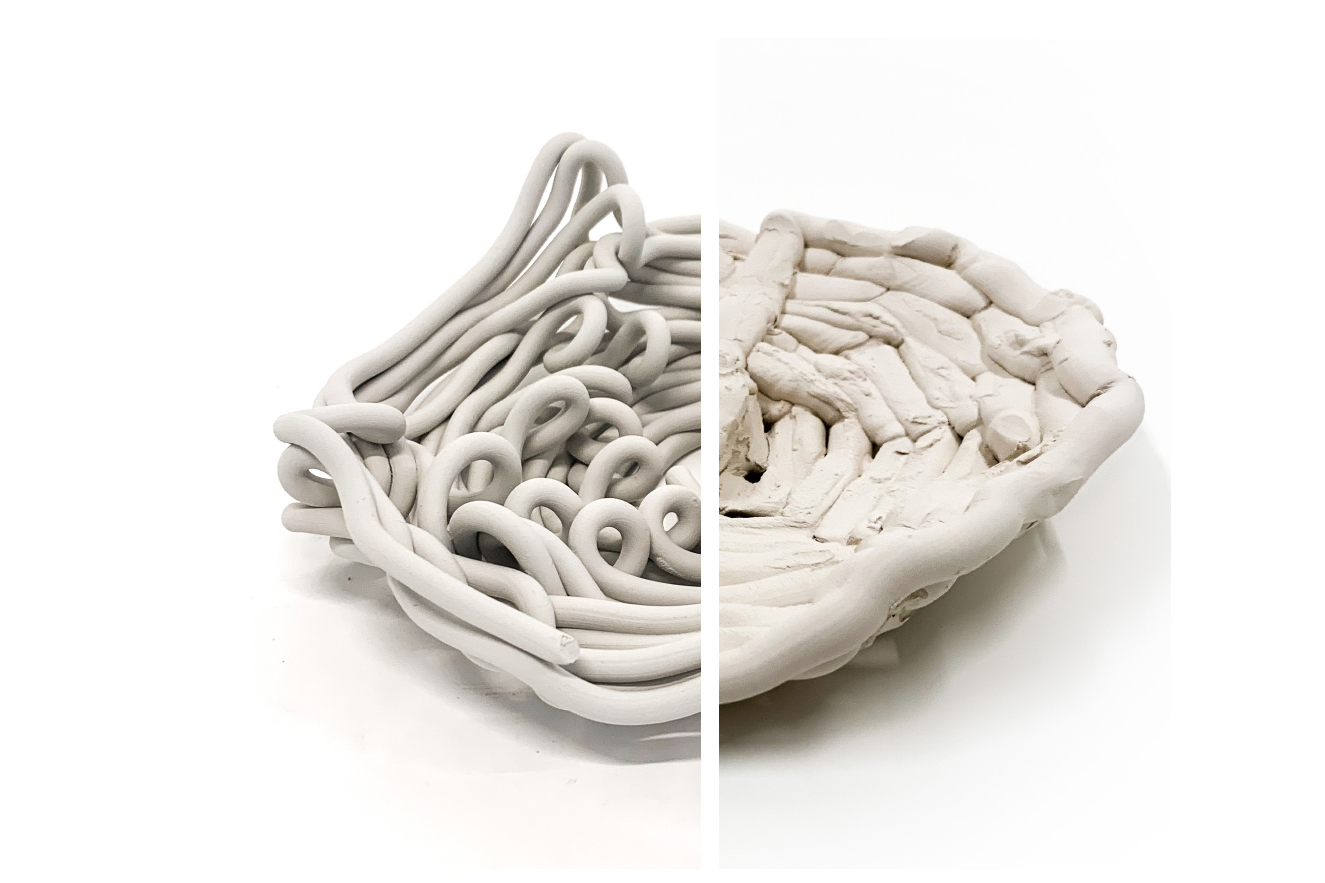
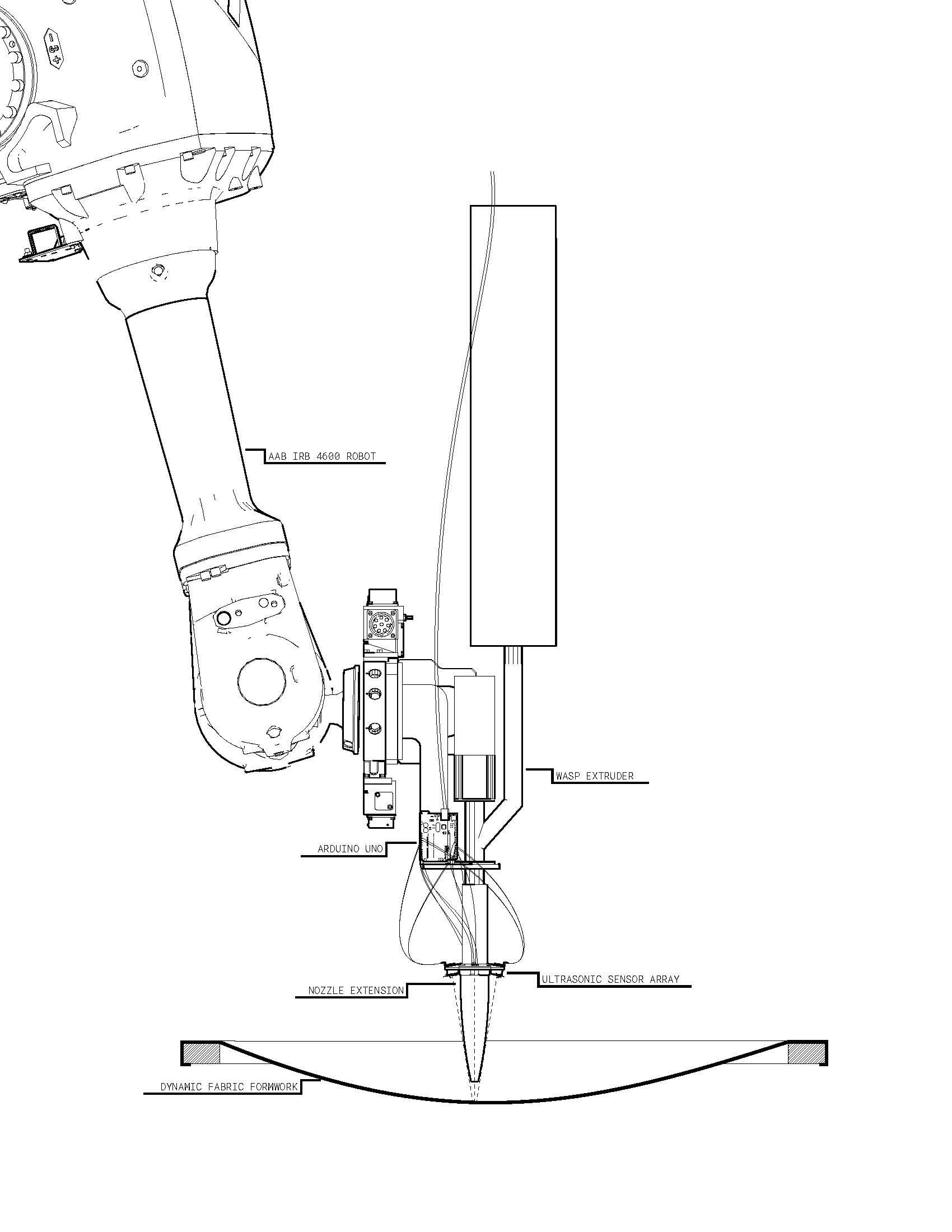
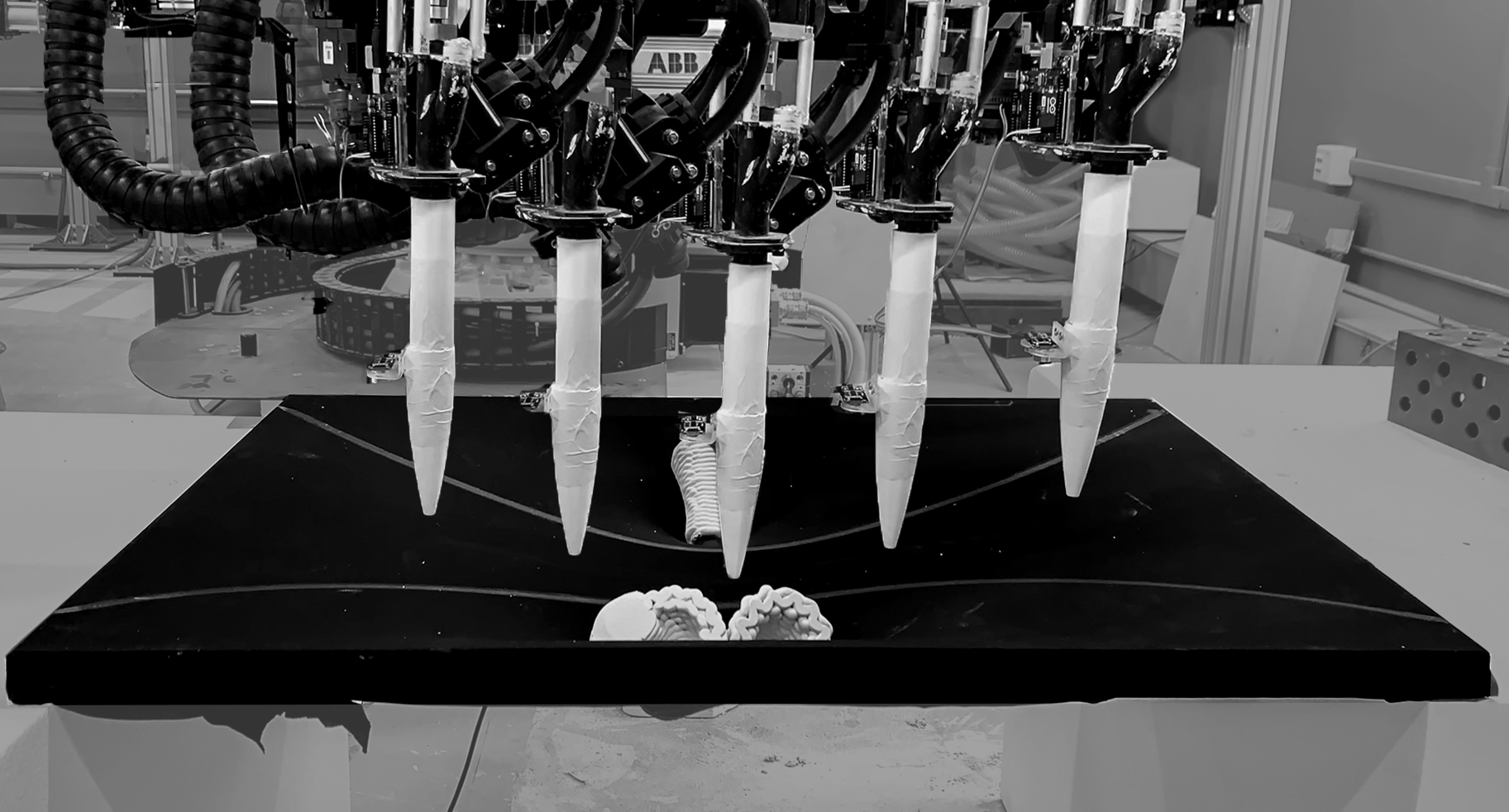
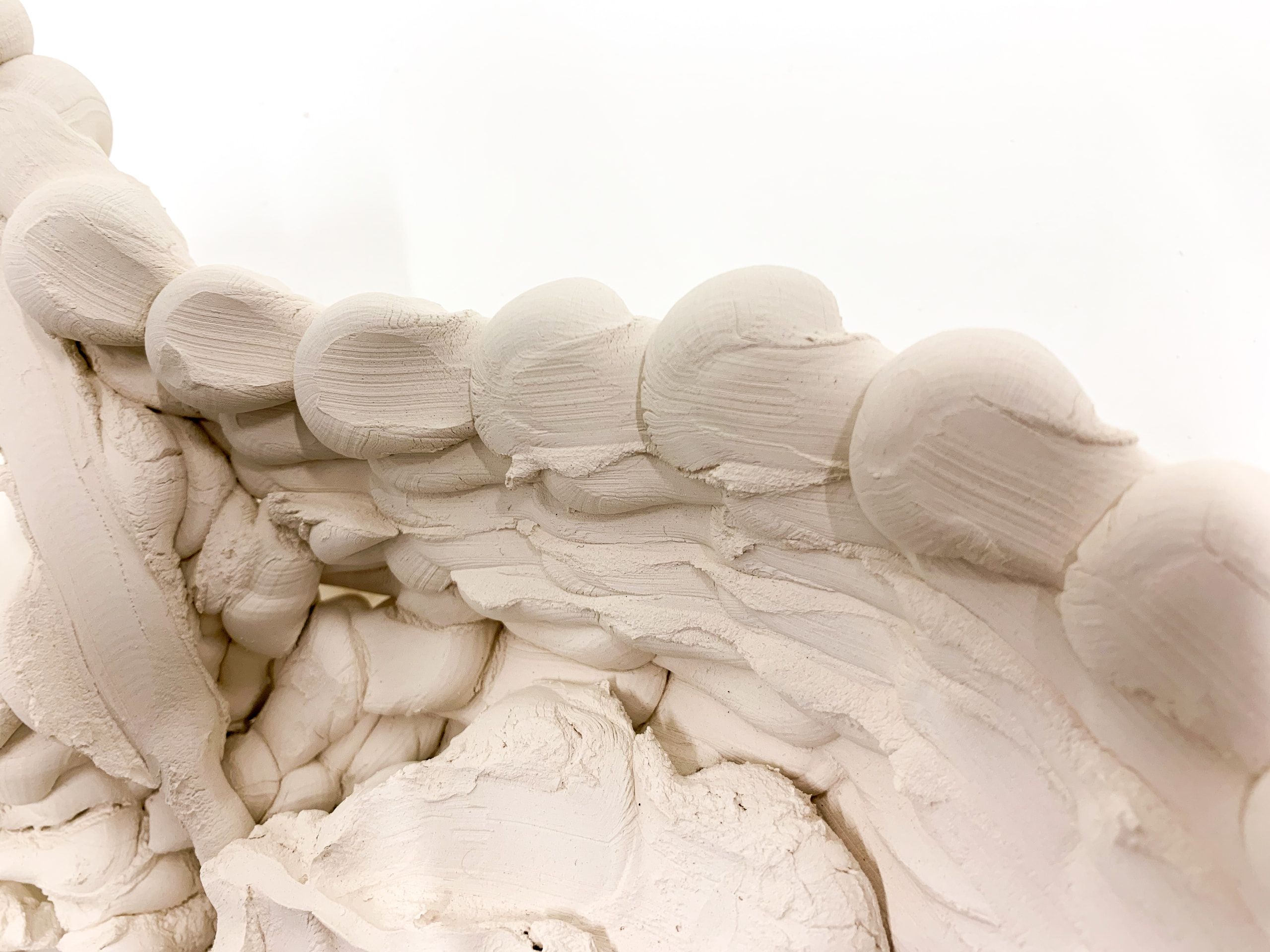
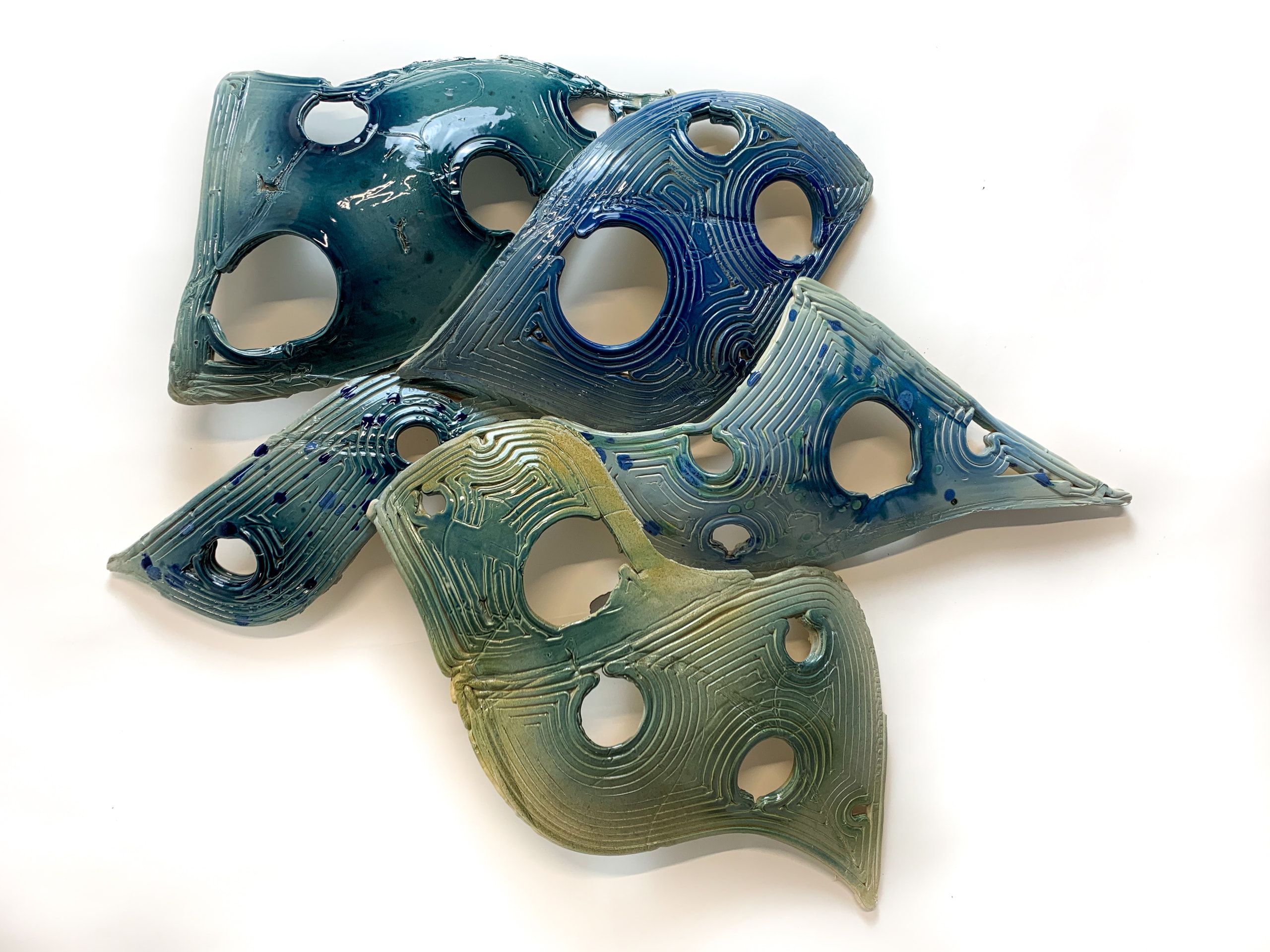
Deformation is an additive clay process in which a robot deposits clay onto a stretched fabric rather than a rigid mold. As the clay lands, the fabric sags under its weight and pushes back — and in that give-and-take the two materials settle into forms that unsupported clay could never hold.
The fabric formwork plays the resistance of a deformable surface against the gravity of the deposited material, creating shallow, sloping surfaces that support clay at otherwise impossible angles. The work foregrounds the natural tendencies of both — the clay’s weight, viscosity, and malleability, and the fabric’s tension — and the equilibrium they negotiate.
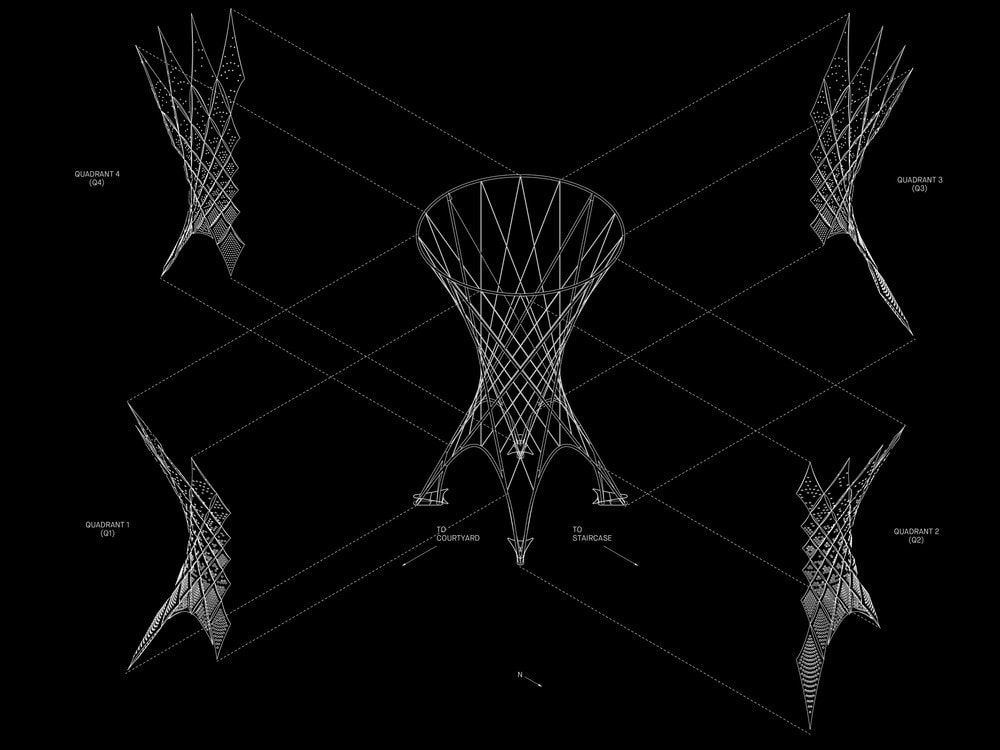
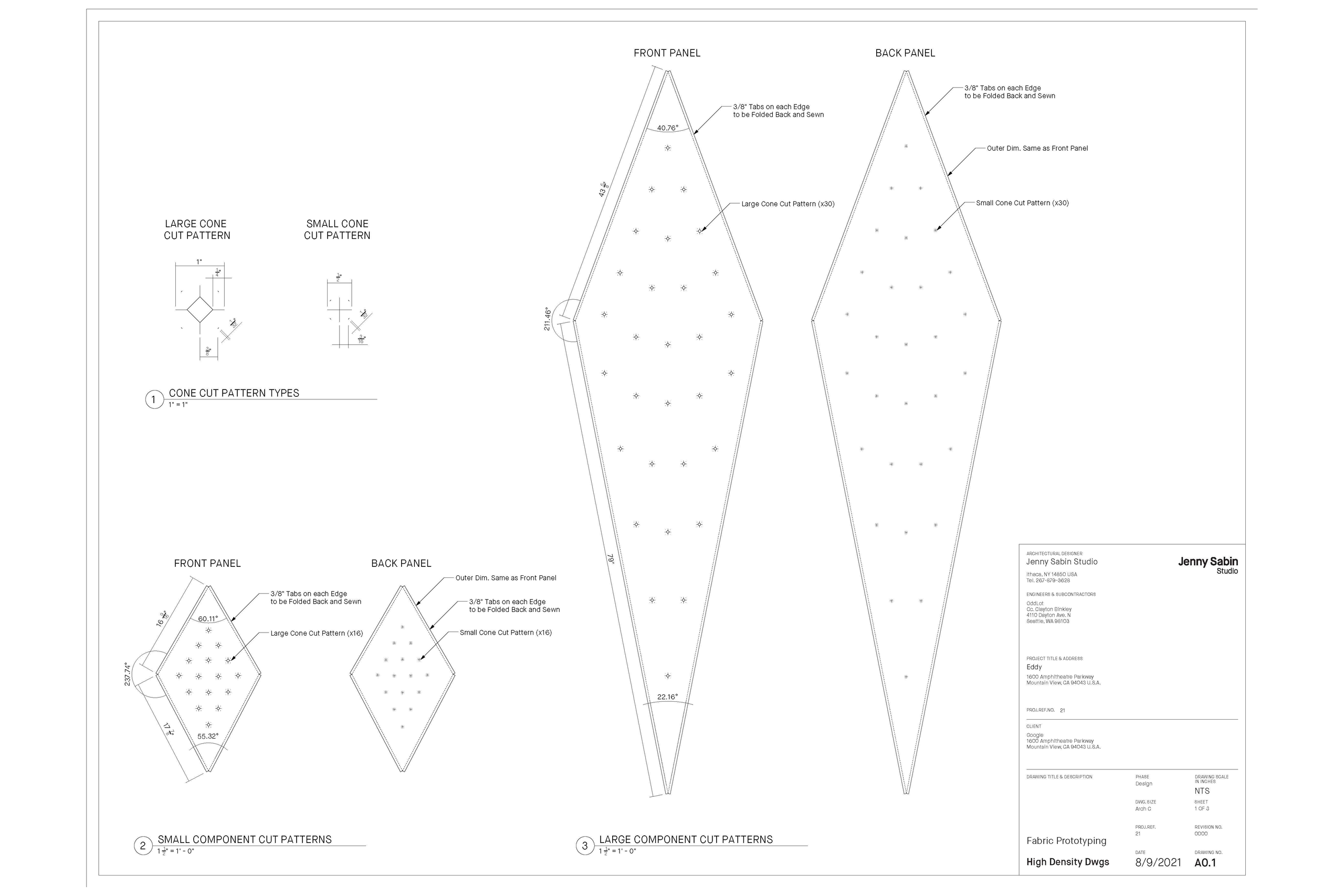
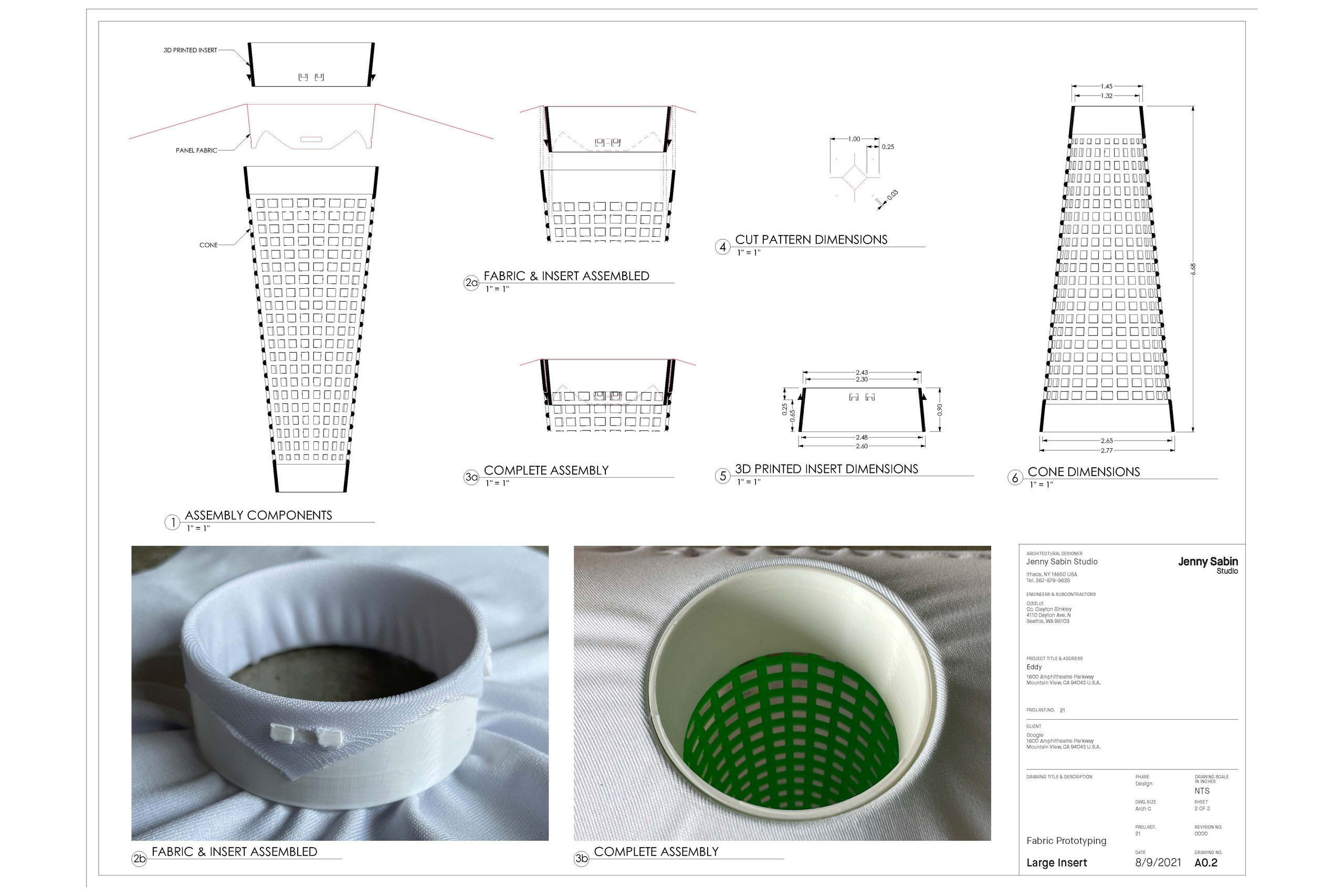
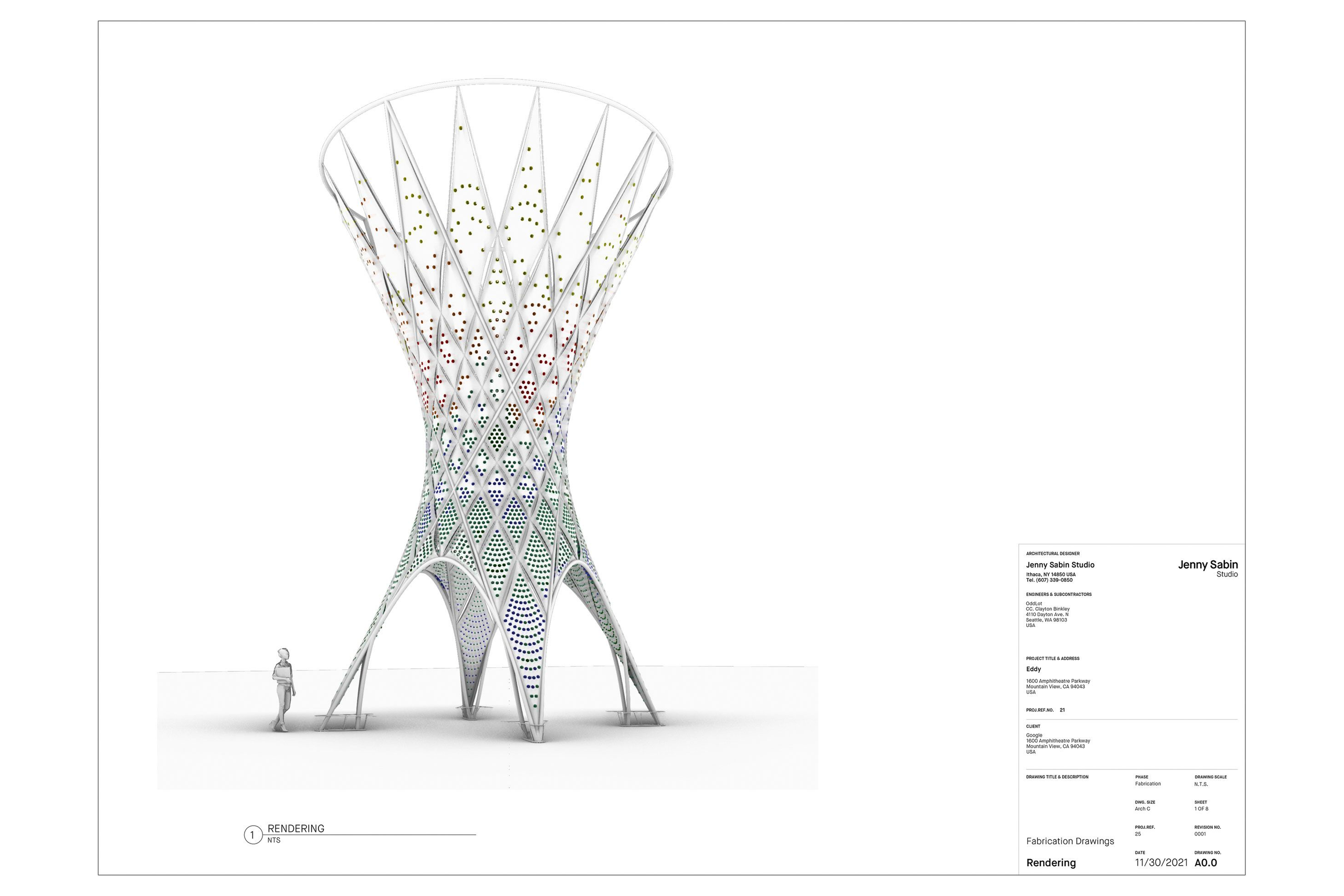
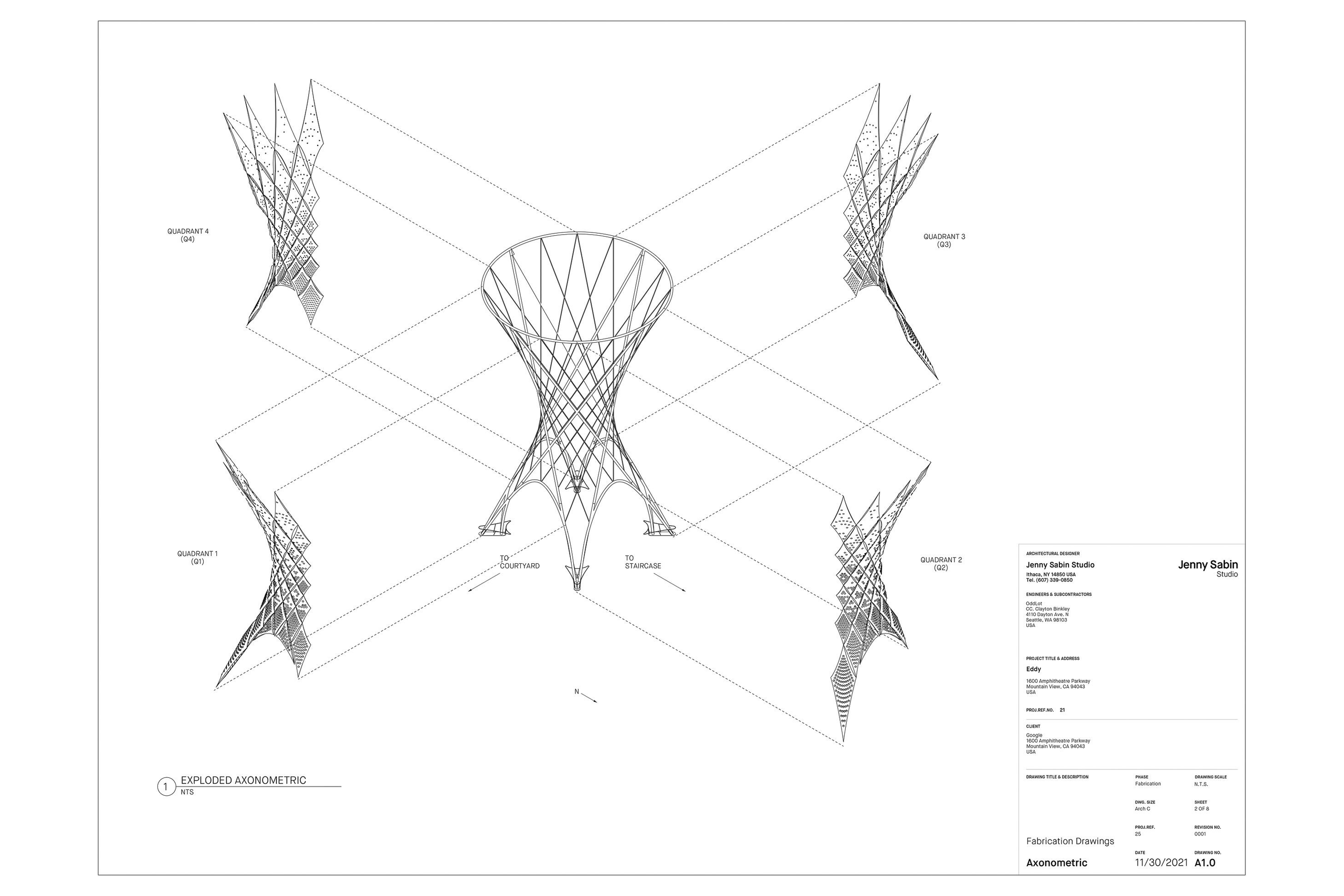
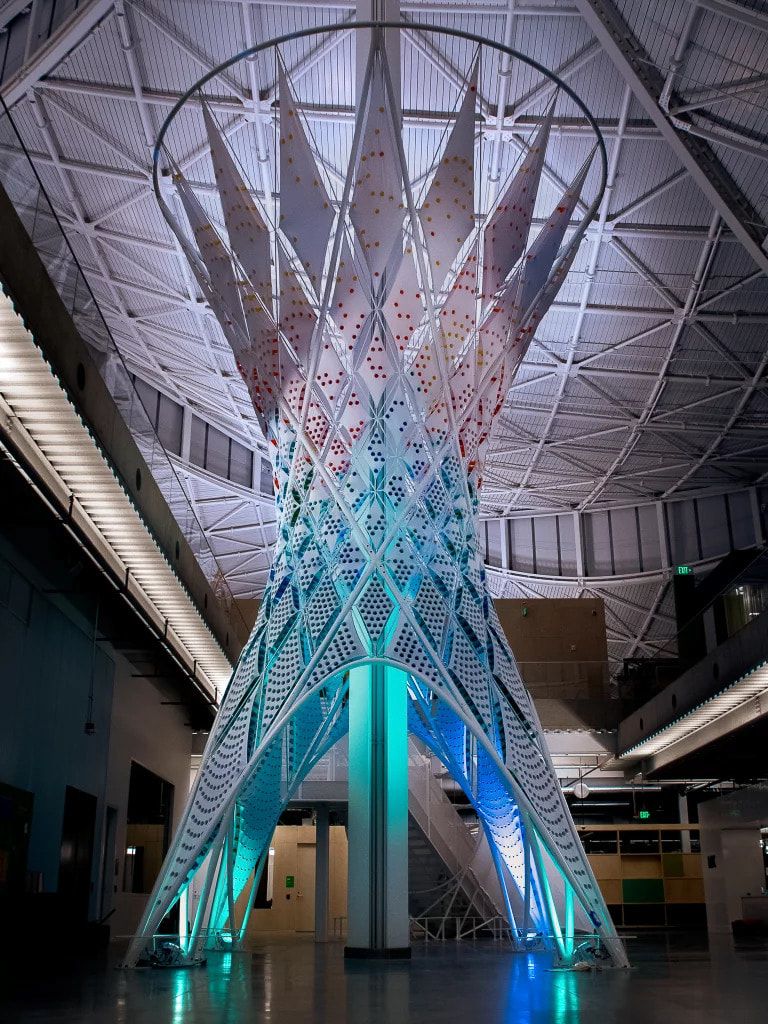
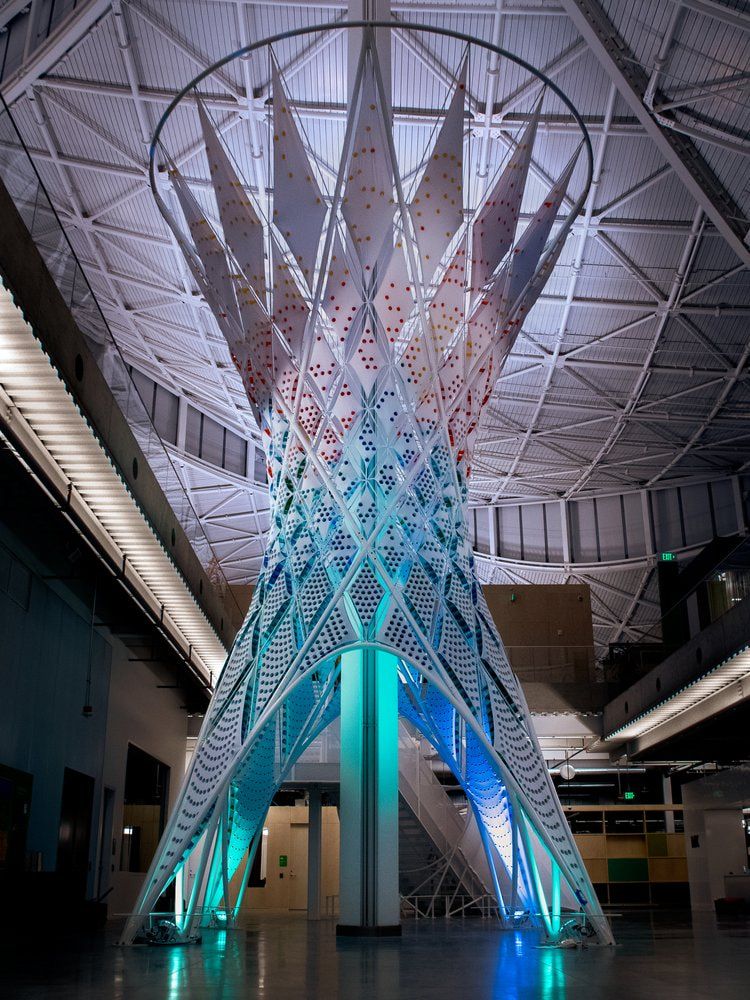
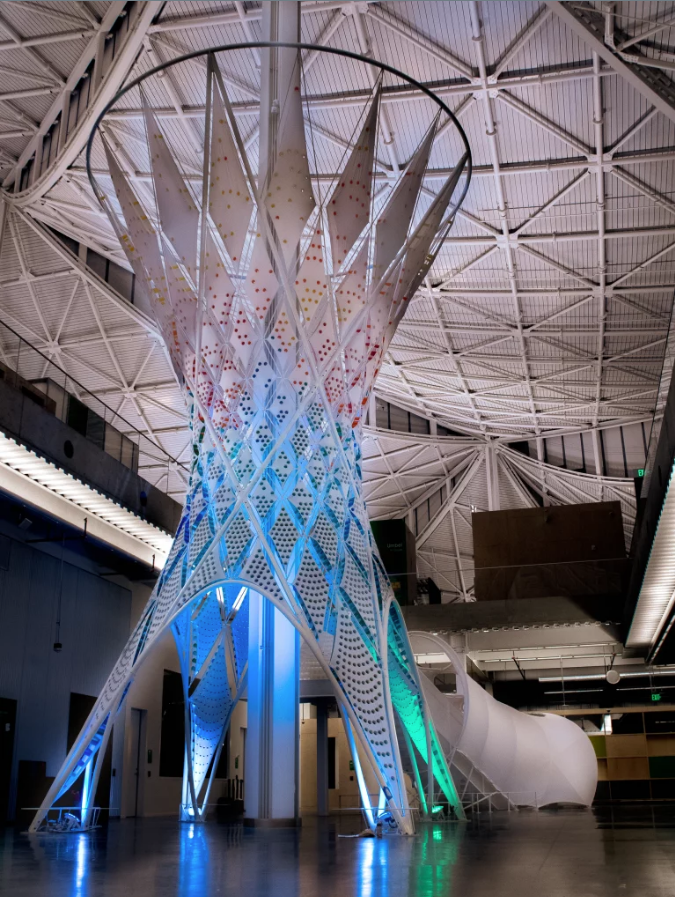
Eddy and Shroud are a pair of tensile fabric installations for Google’s Bay View campus in Mountain View, California — sited within the open, adaptable Bay View Building by Bjarke Ingels Group (BIG) and Heatherwick Studio, and tuned to its undulating, multitiered canopy, columns, staircase, and enclosed volumes.
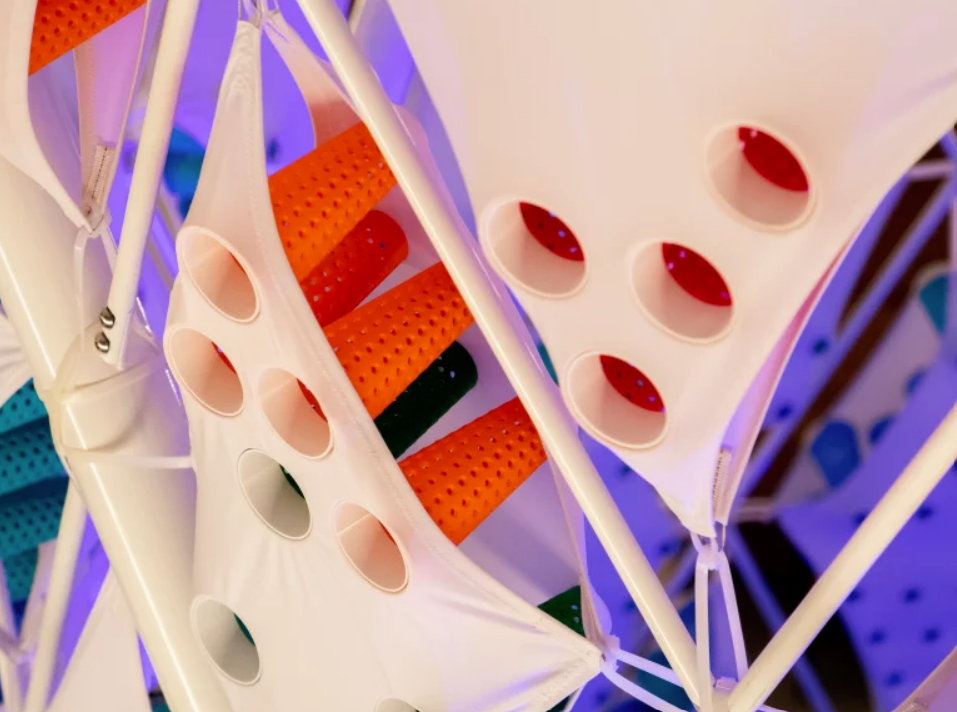
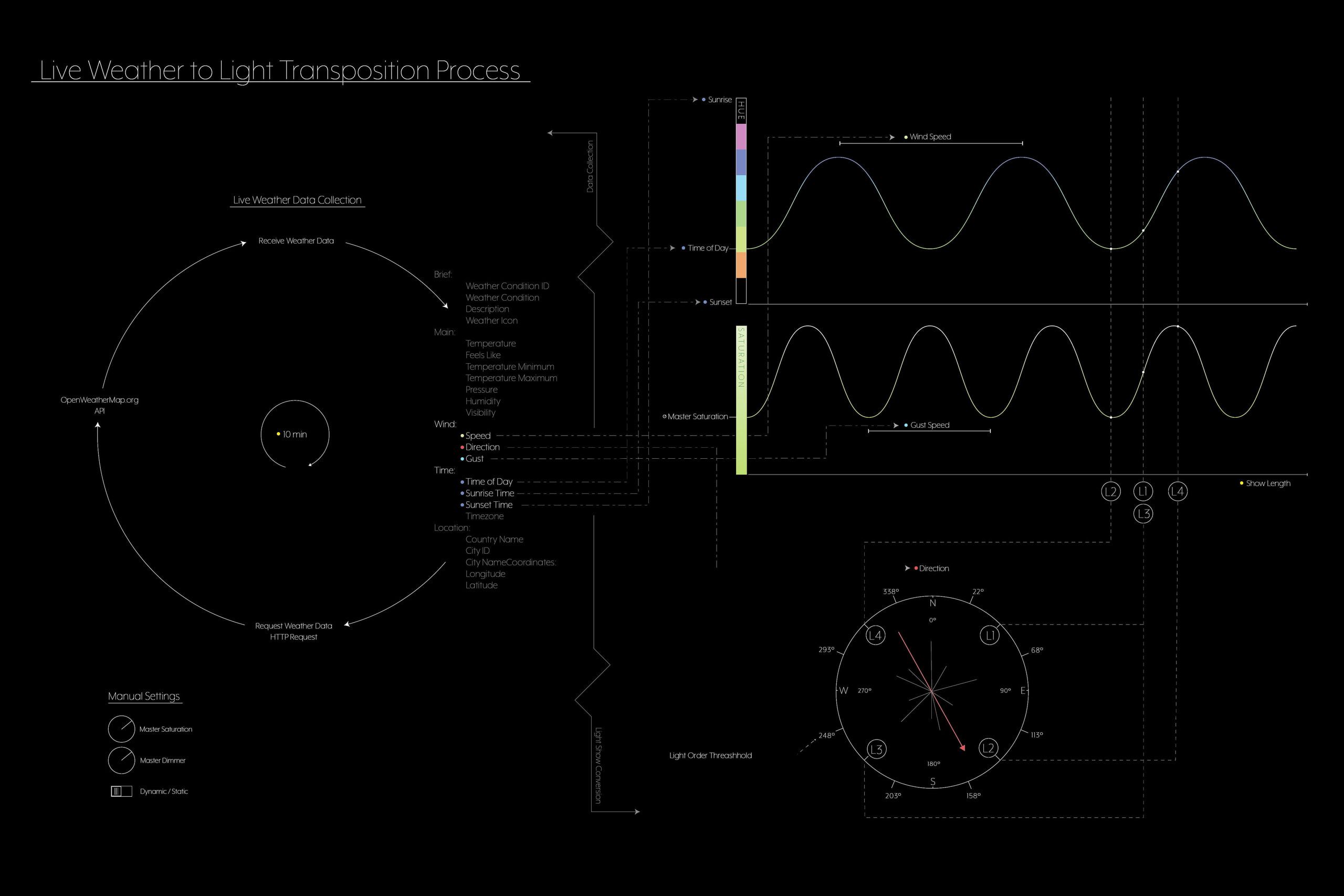
Thousands of reclaimed yarn spools hang in continuous tension within a soft web of elastic fabric and a 42-foot-tall stainless-steel diagrid — a triangulated lattice that braces itself in every direction. Named for the way waves ripple across grasslands, Eddy carries a lighting system steered in real time by wind data gathered on site, so the piece reads the weather and answers it.
Shroud is a functional, engaging threshold to Courtyard 10. Sharing material and formal strategies with Eddy, it uses a custom double-membrane fabric structure tensioned within a connected series of undulating curved-steel hoops that envelop the stair. Digital form-finding integrated it precisely with the stair and situated it within the larger courtyard alongside Eddy.
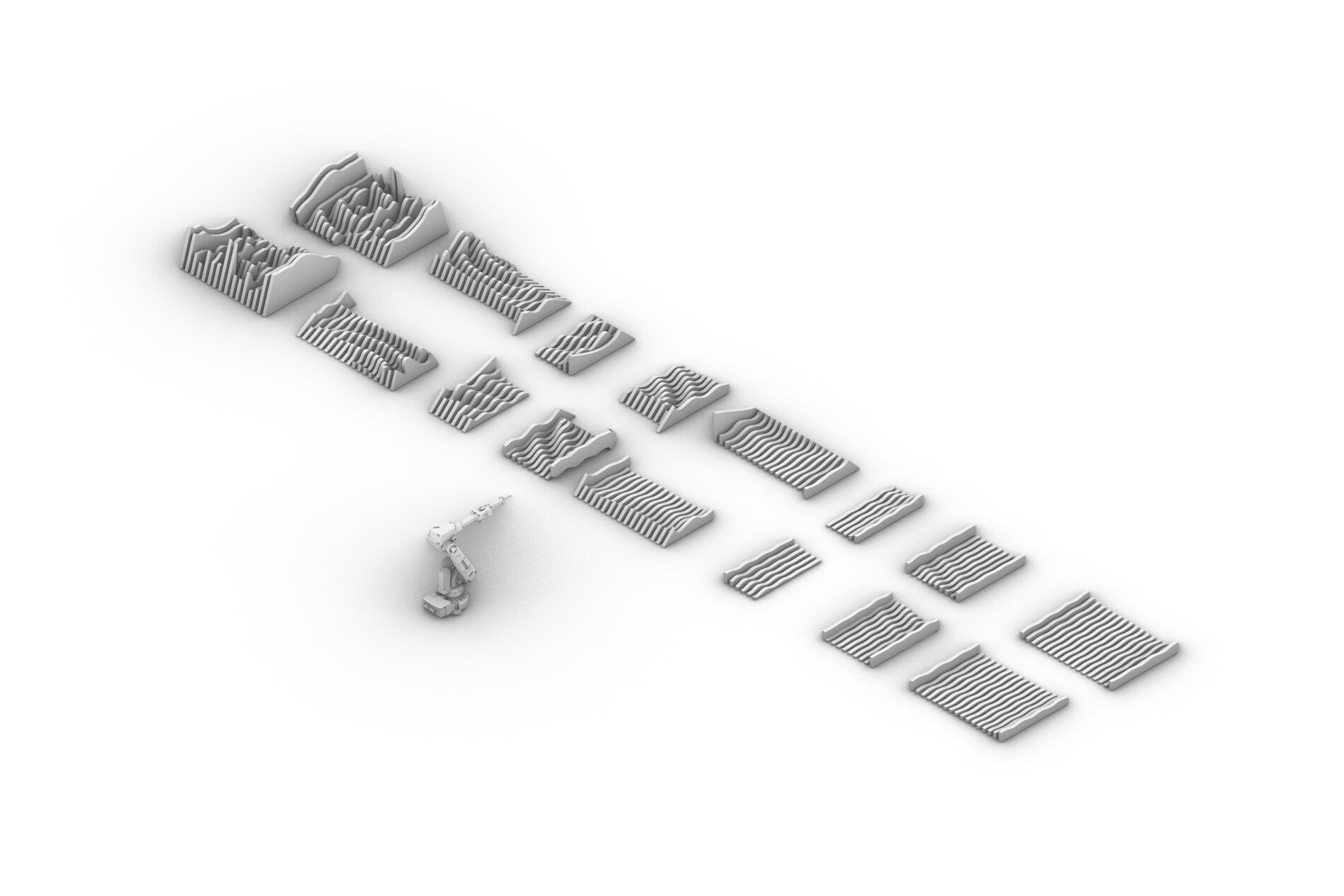
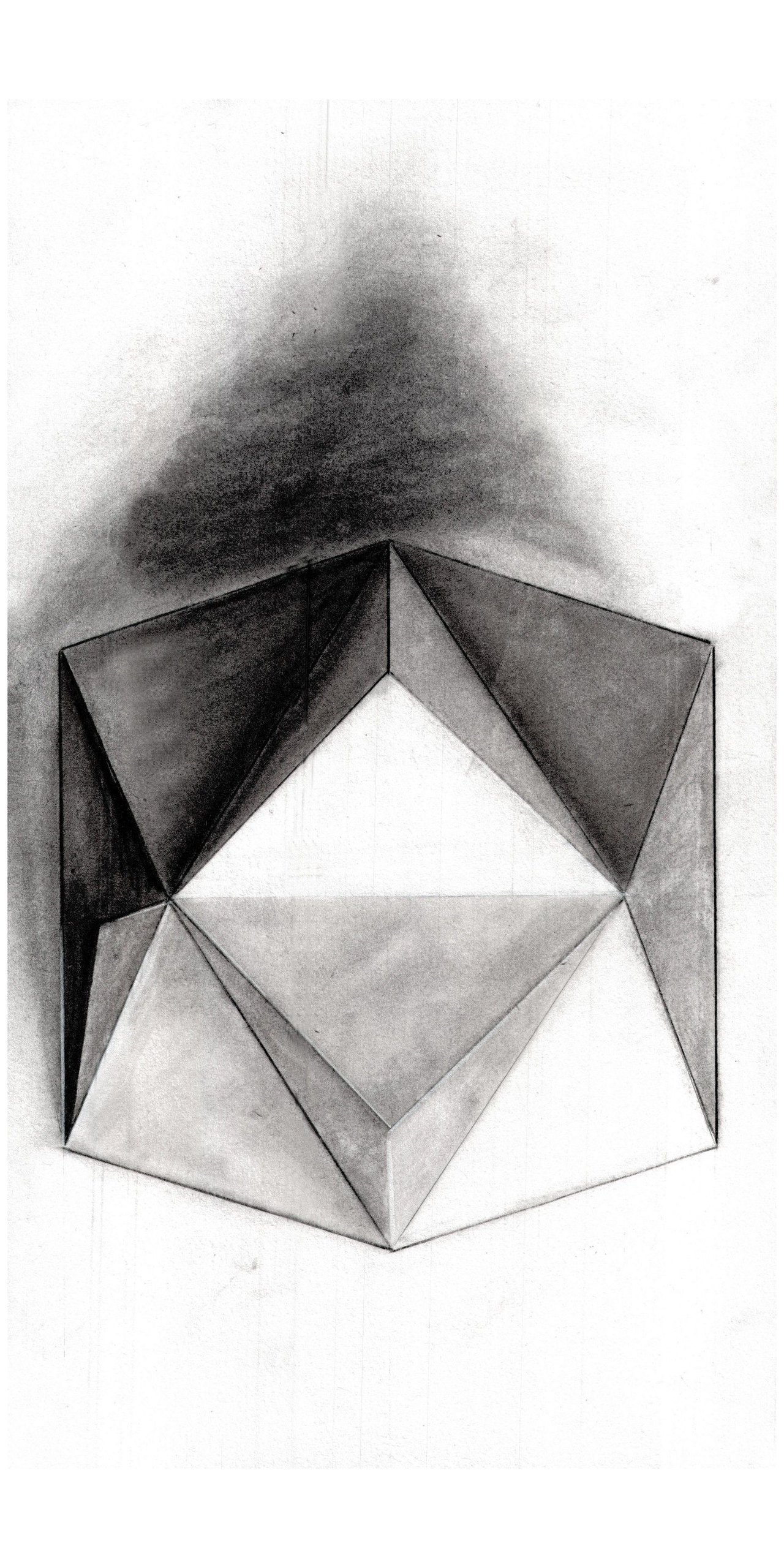
Ruled Forms were robotically fabricated using a 6-axis arm fitted with a hot wire cutting end effector. The project explores how toolpath geometry and cutting speed interact with foam density to produce a range of surface qualities and formal outcomes.
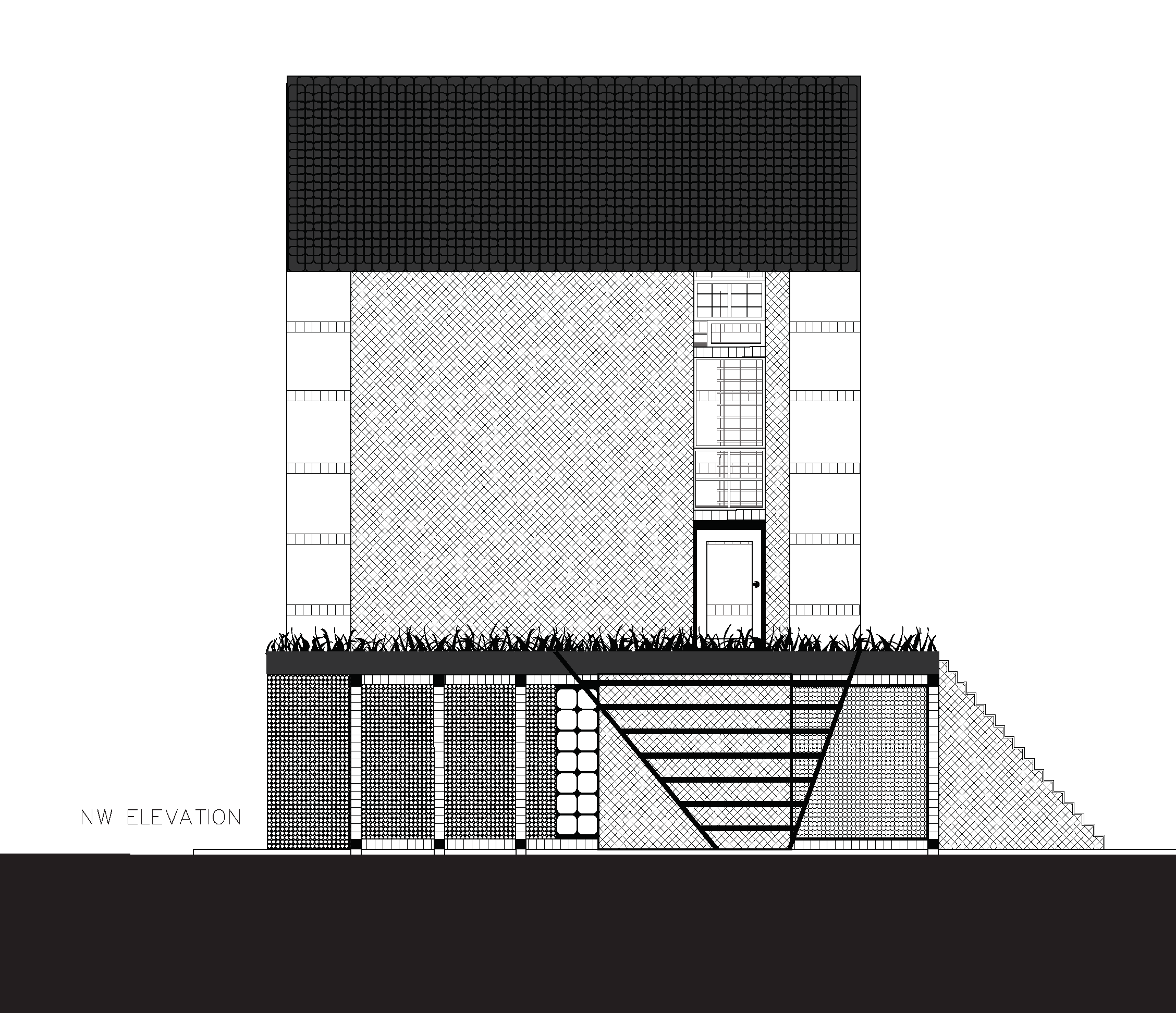
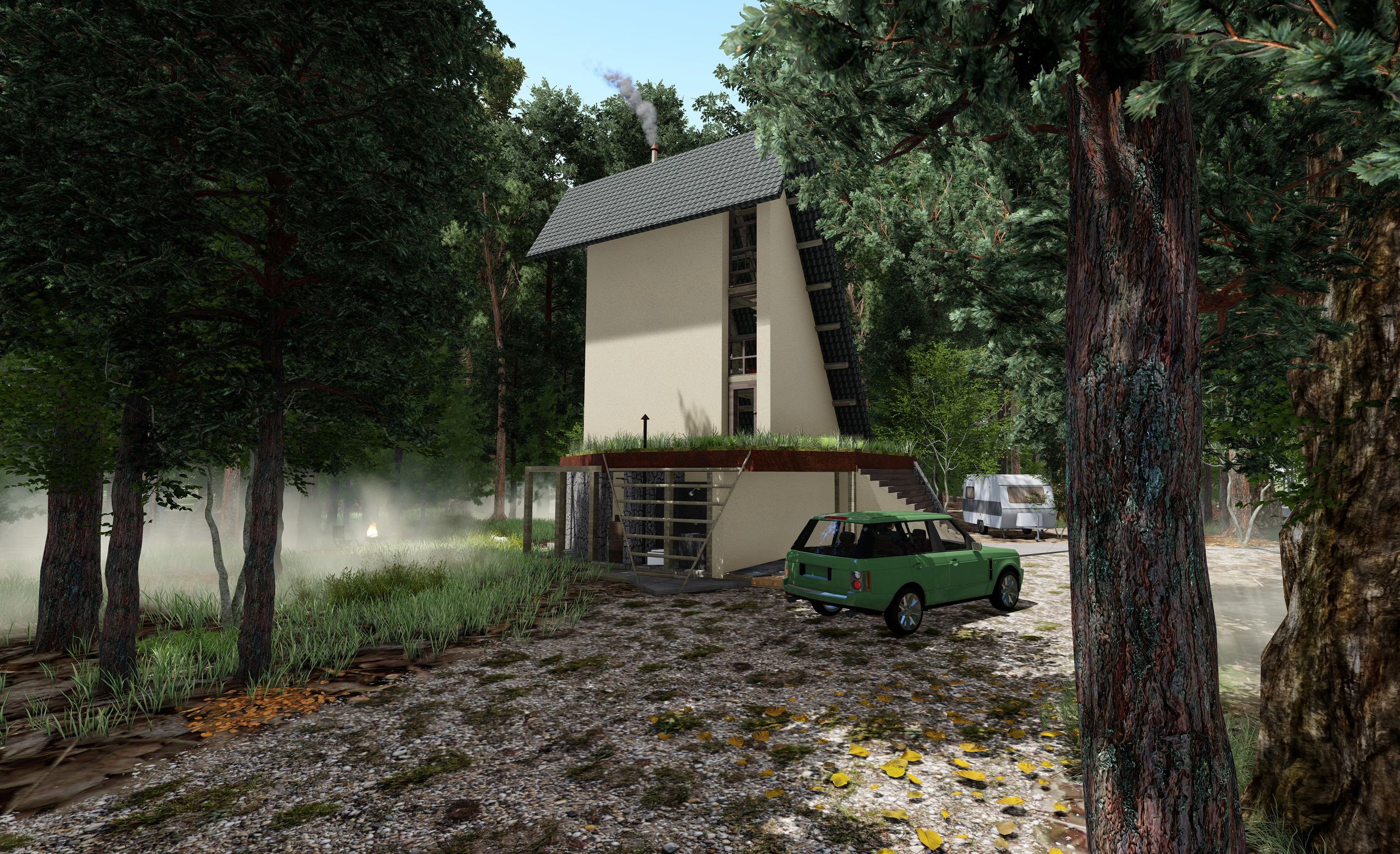
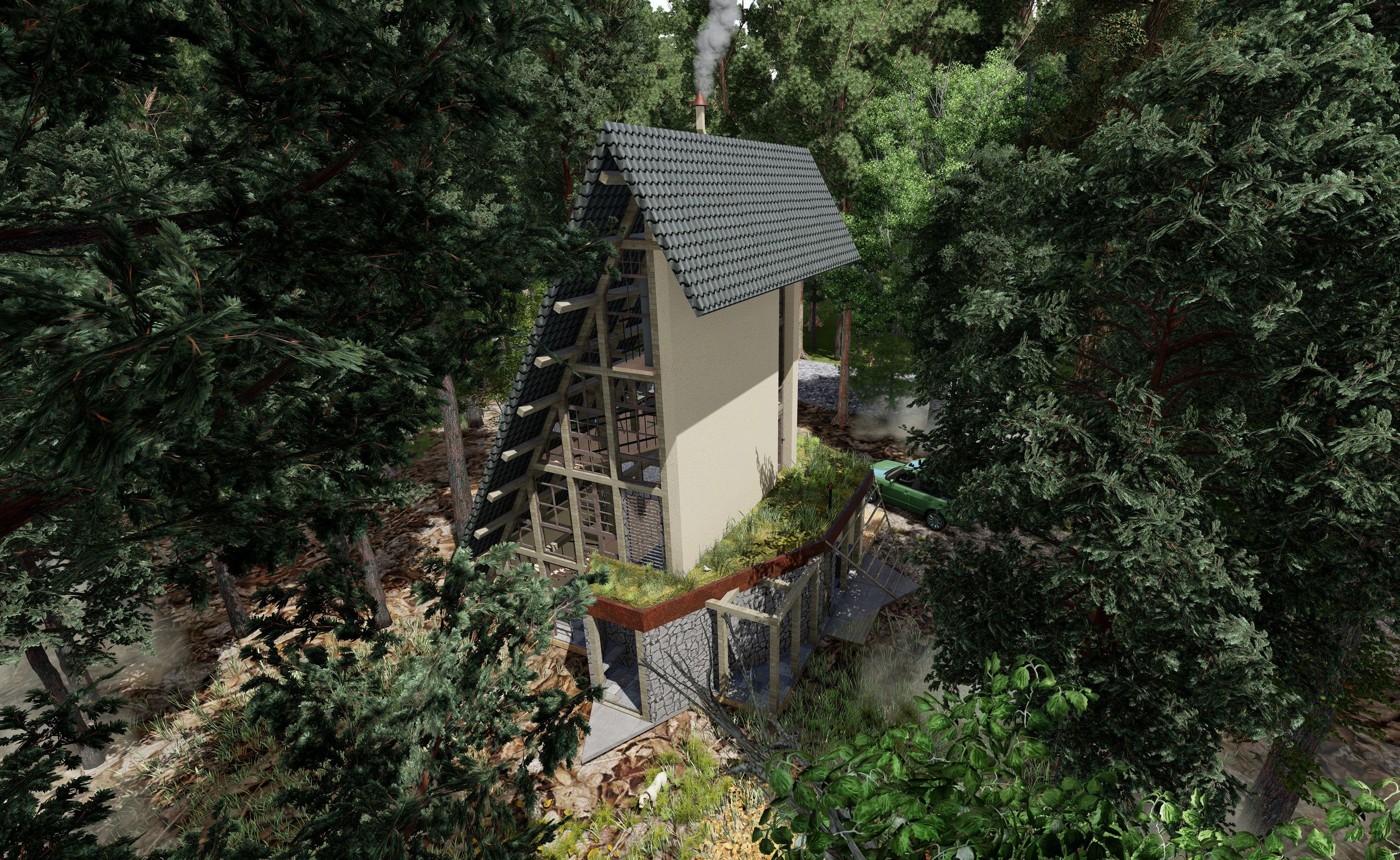
A residential design for a remote site on Grand Isle, Maine, responding to a desire for meaning through labor & solitude in a natural site. The design integrates site analysis, floor plans, and rendered perspectives & based on a month long residency on the site preparing for the future permanent residence.
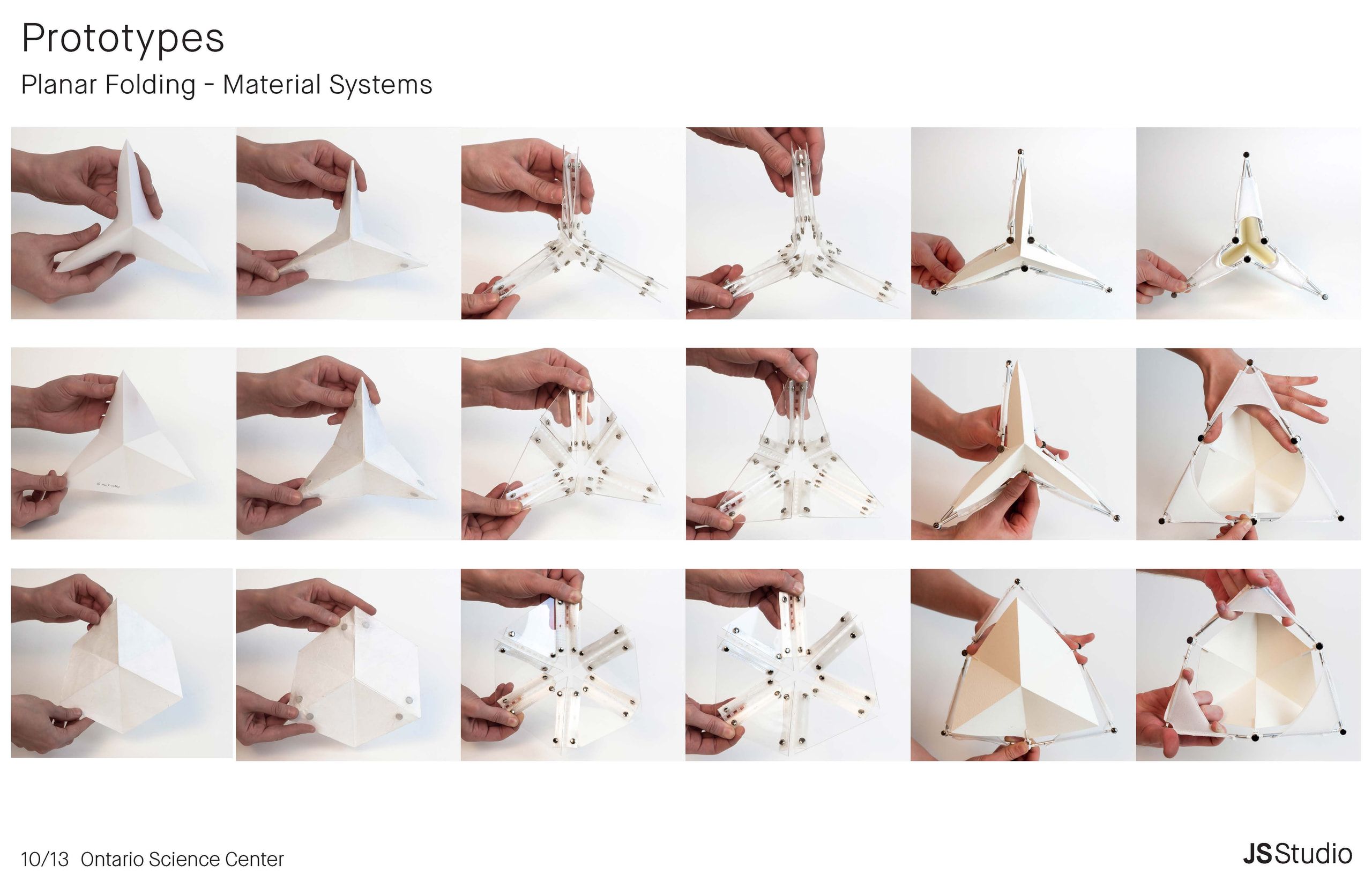
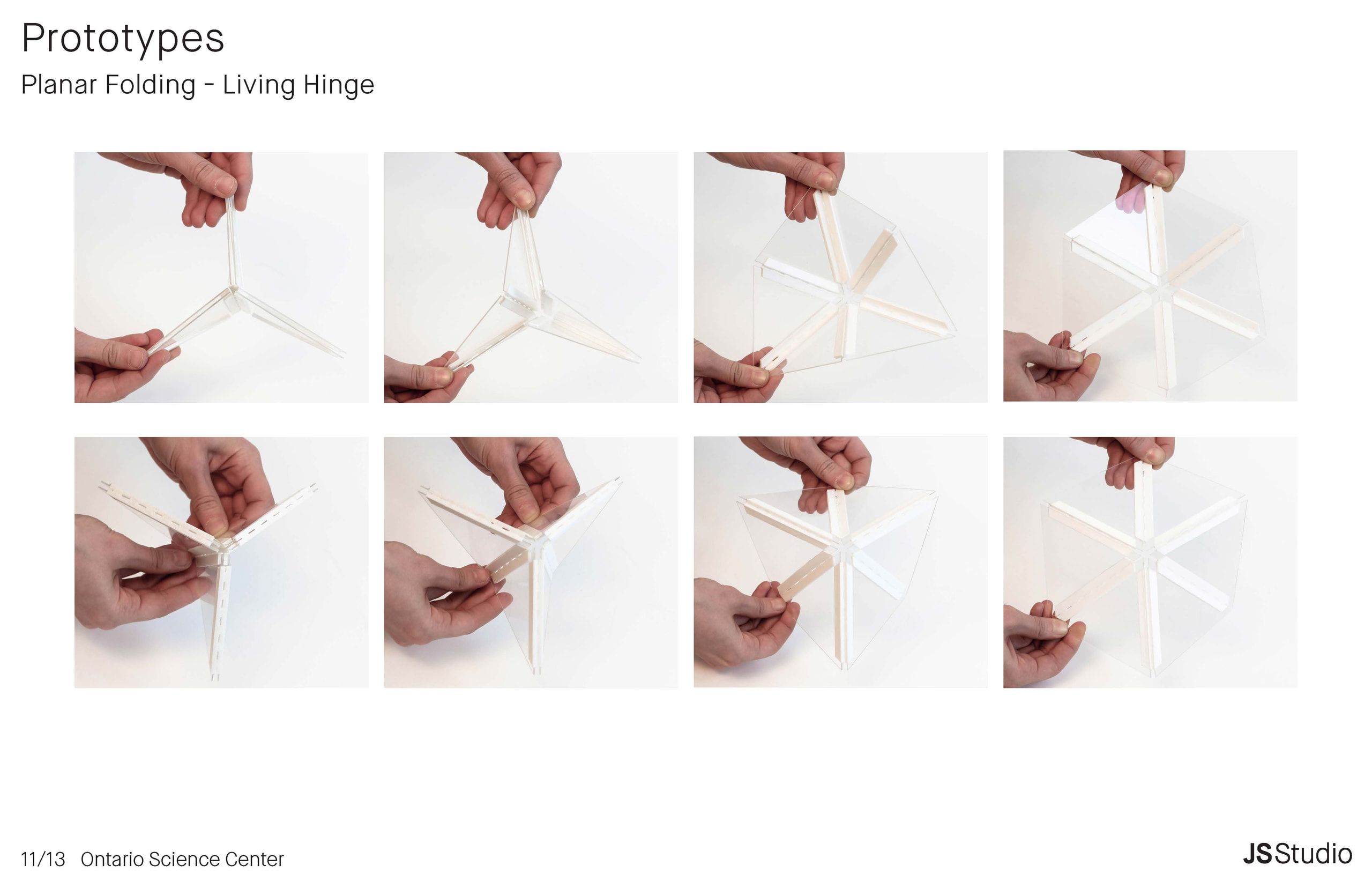
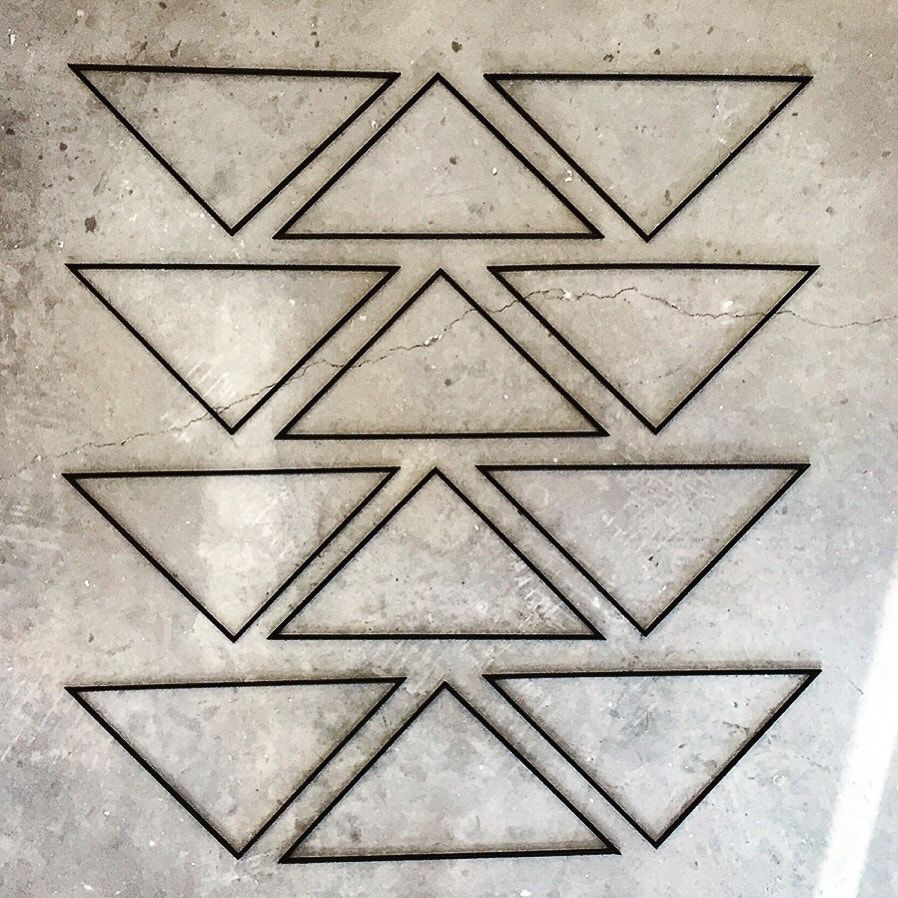
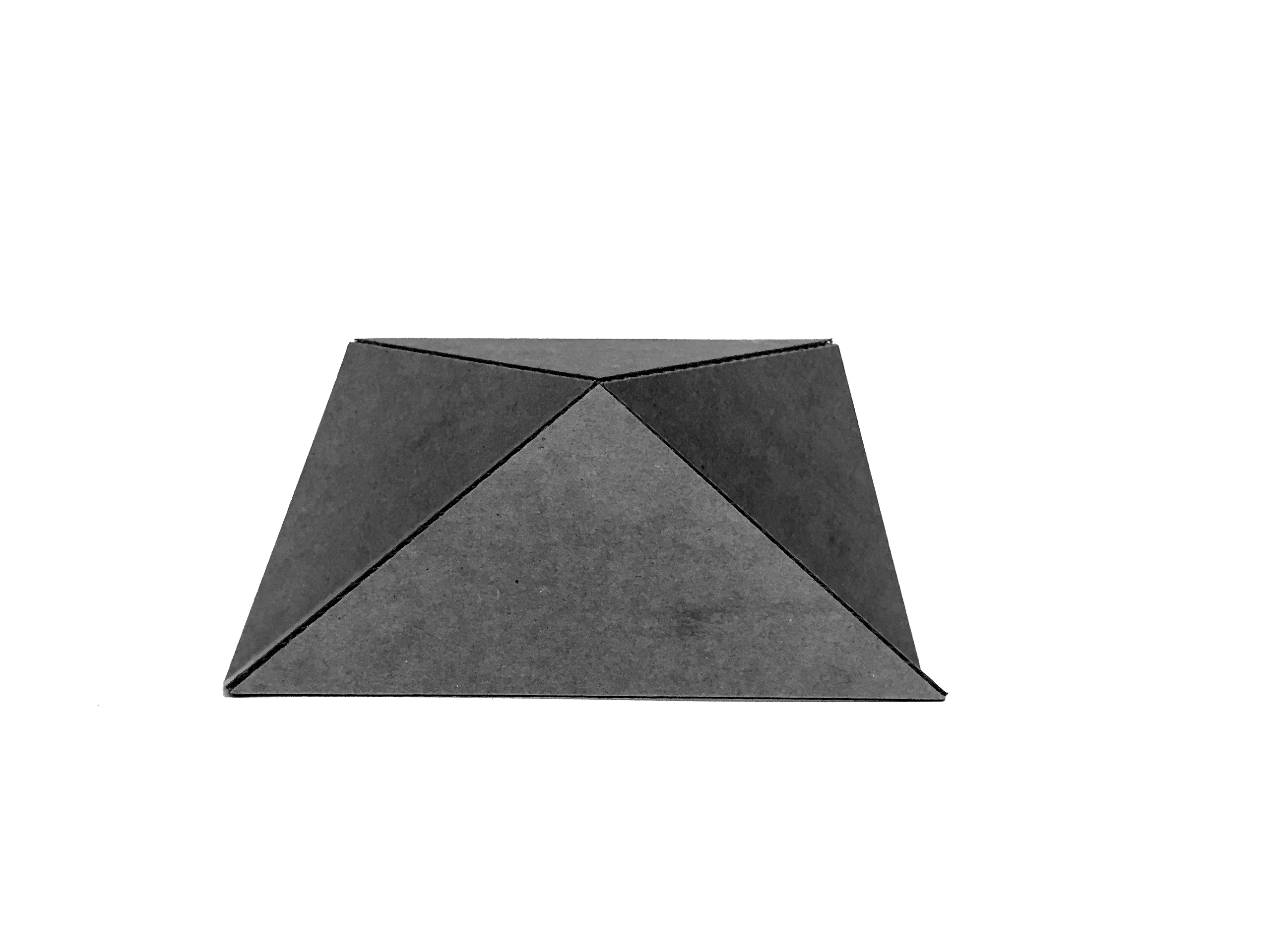
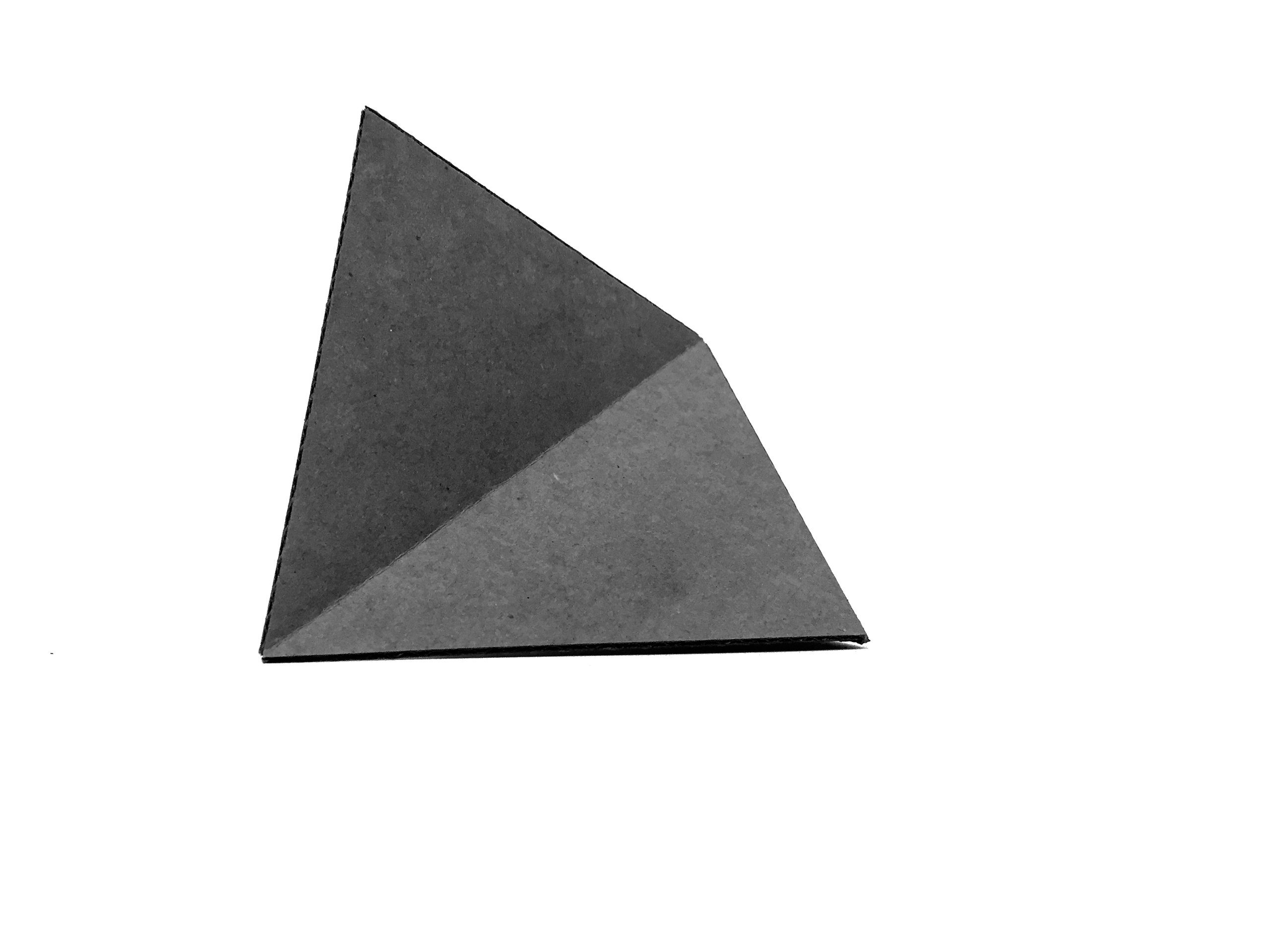
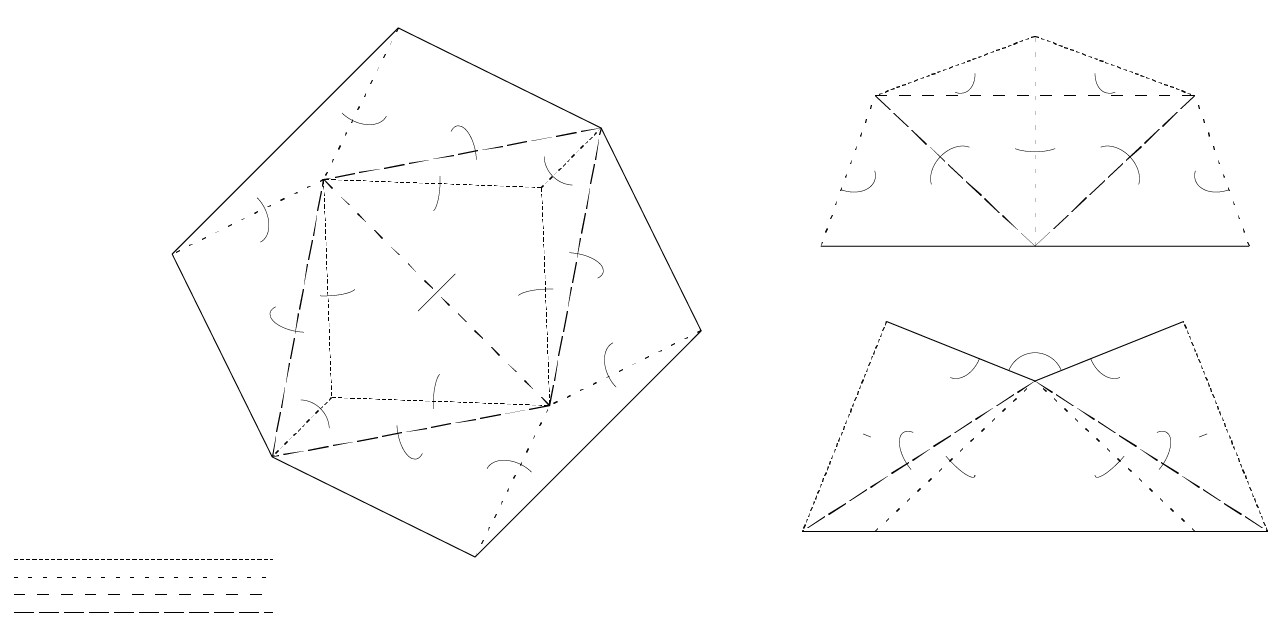
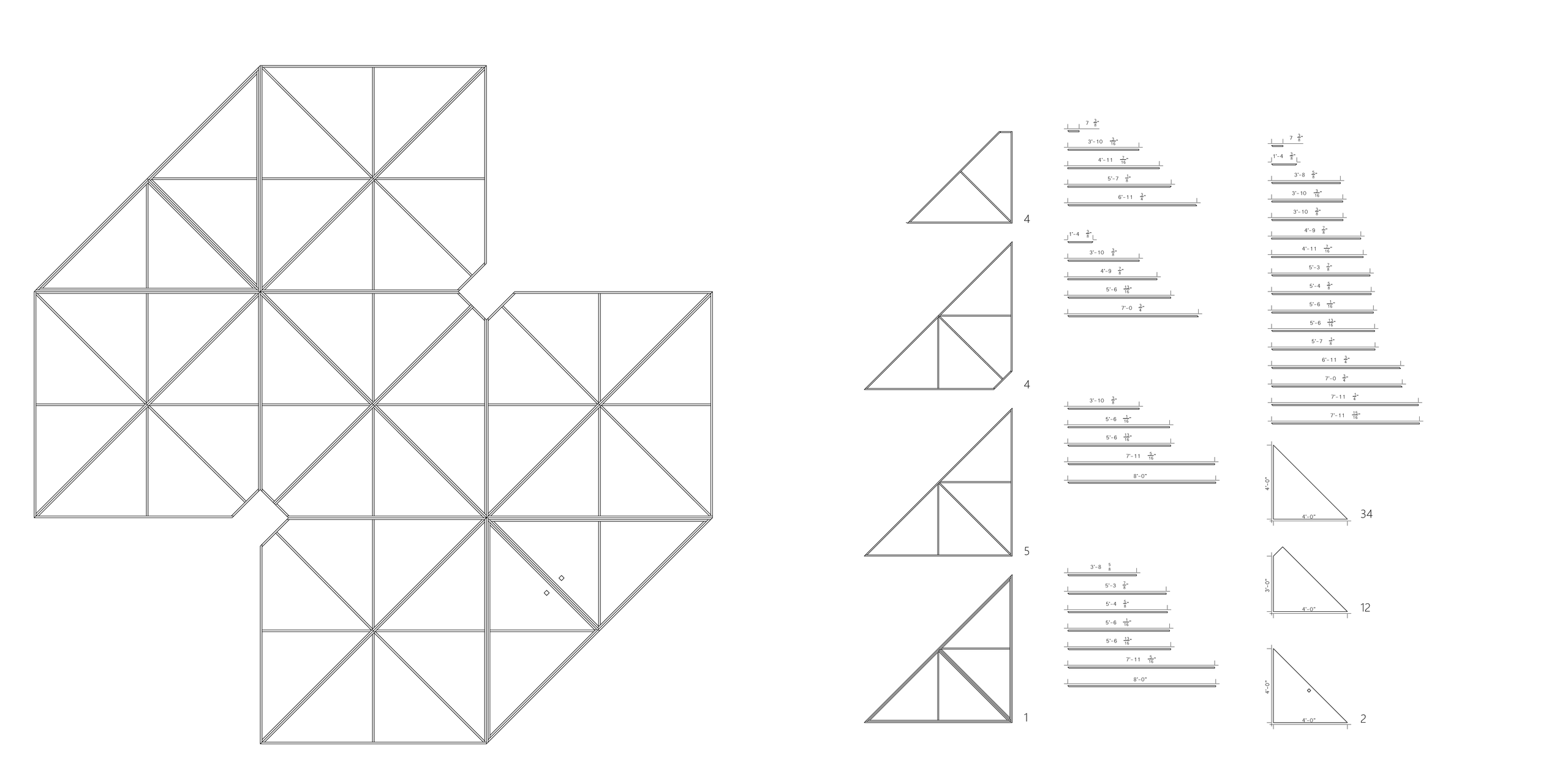
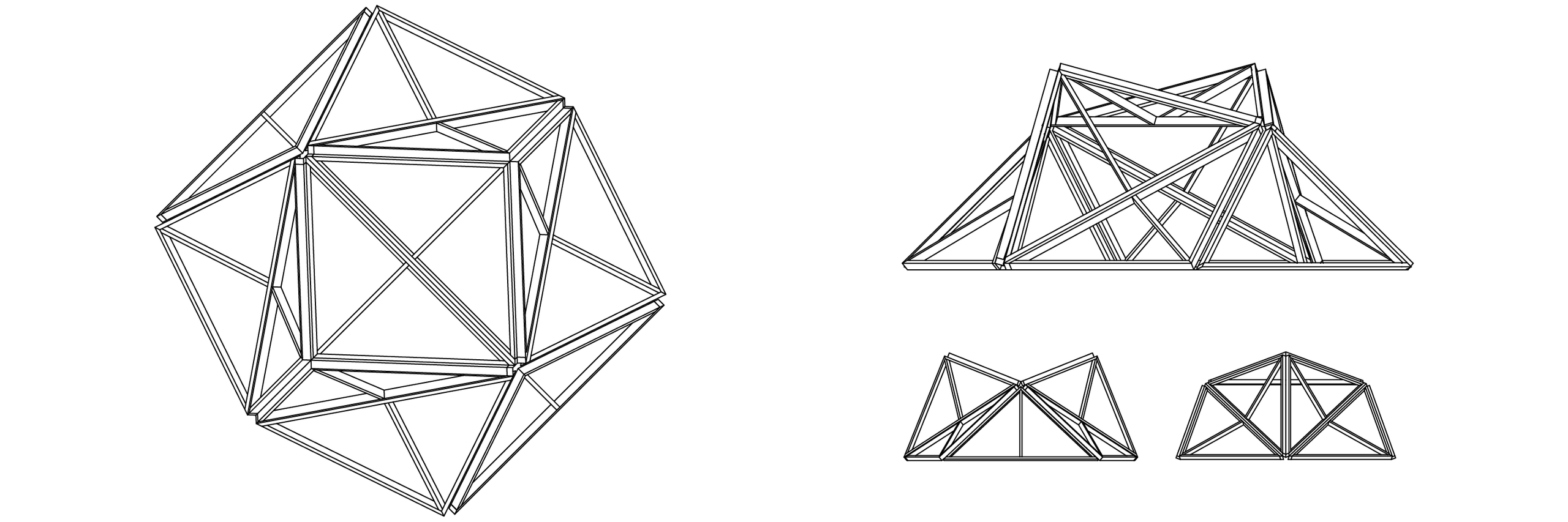
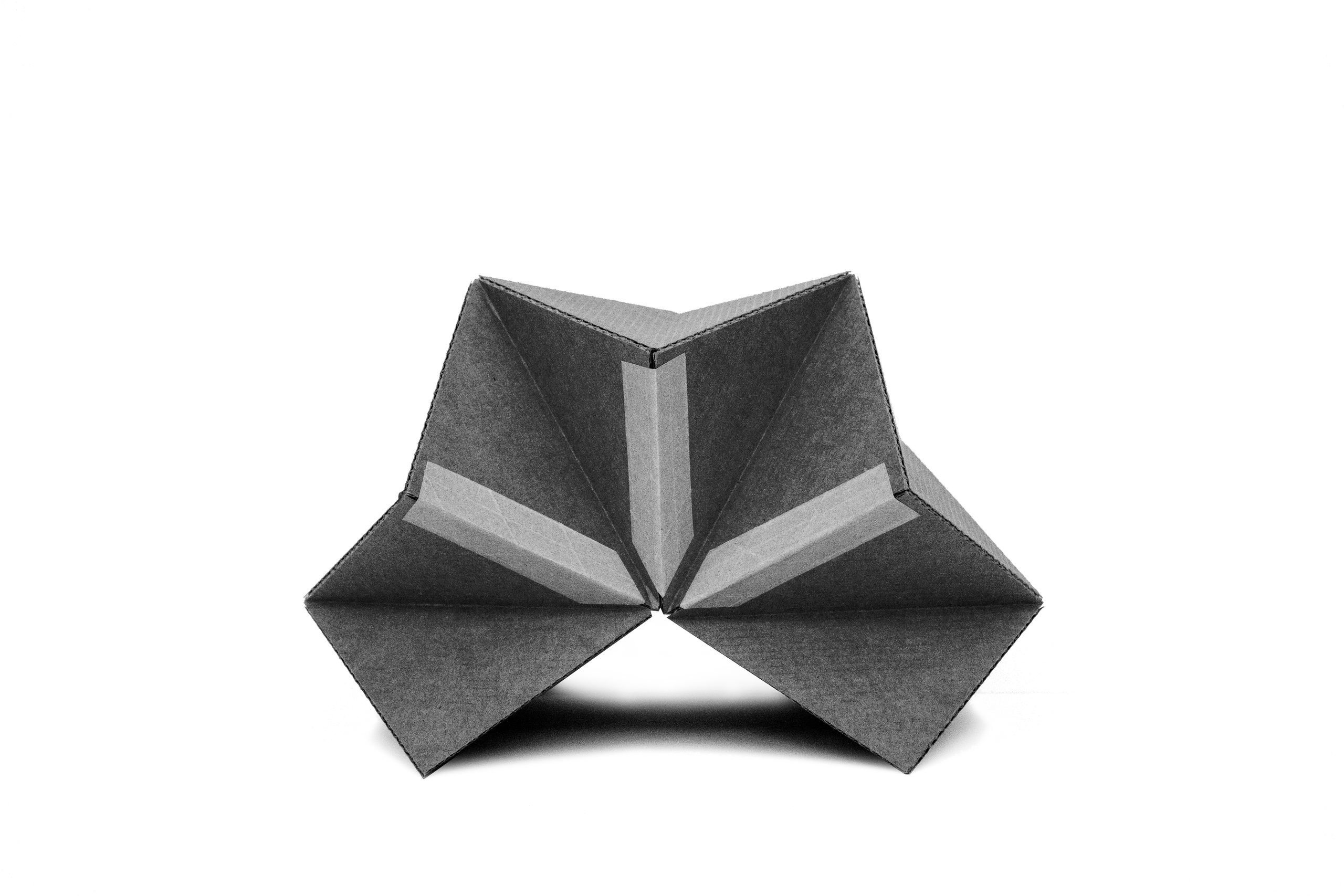
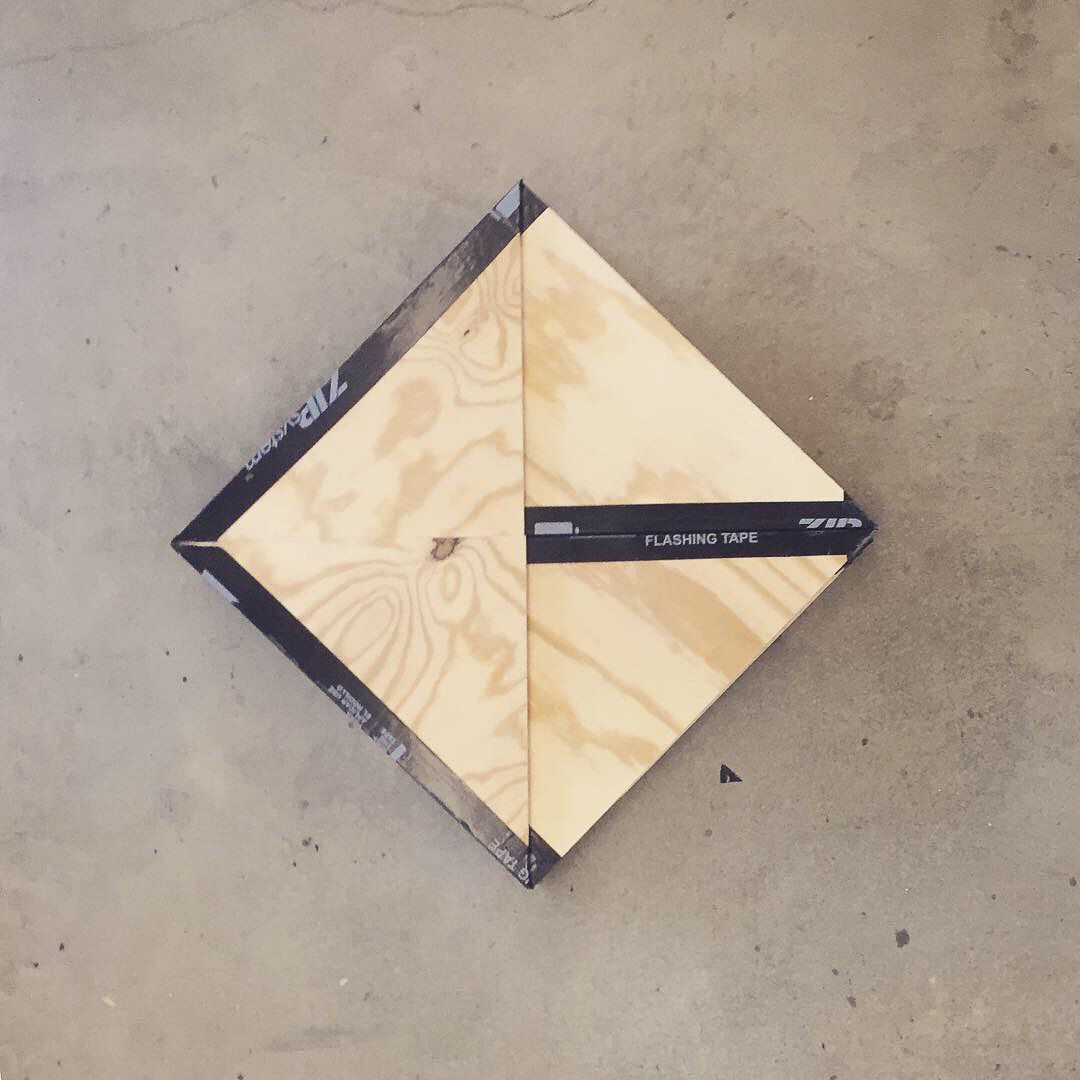
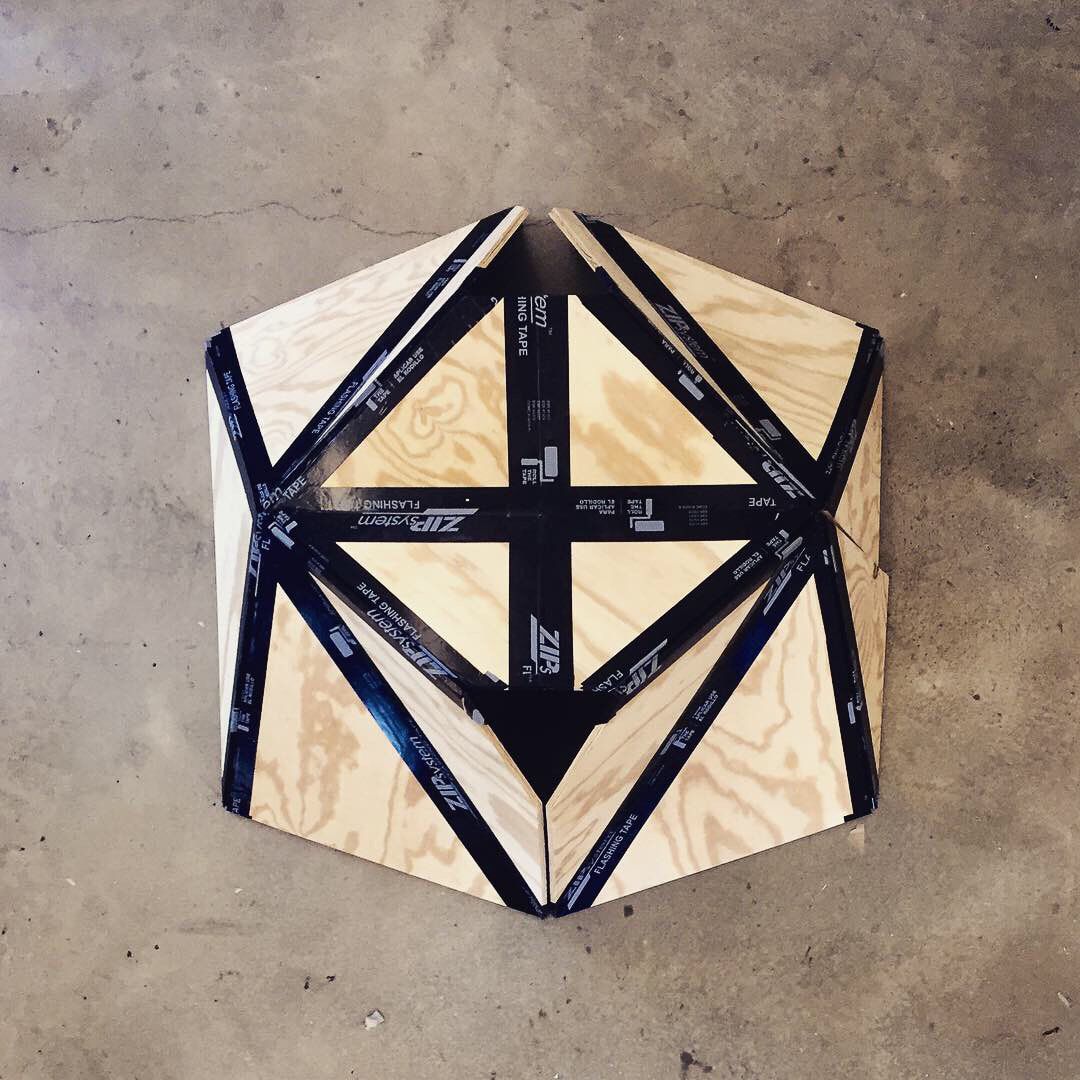
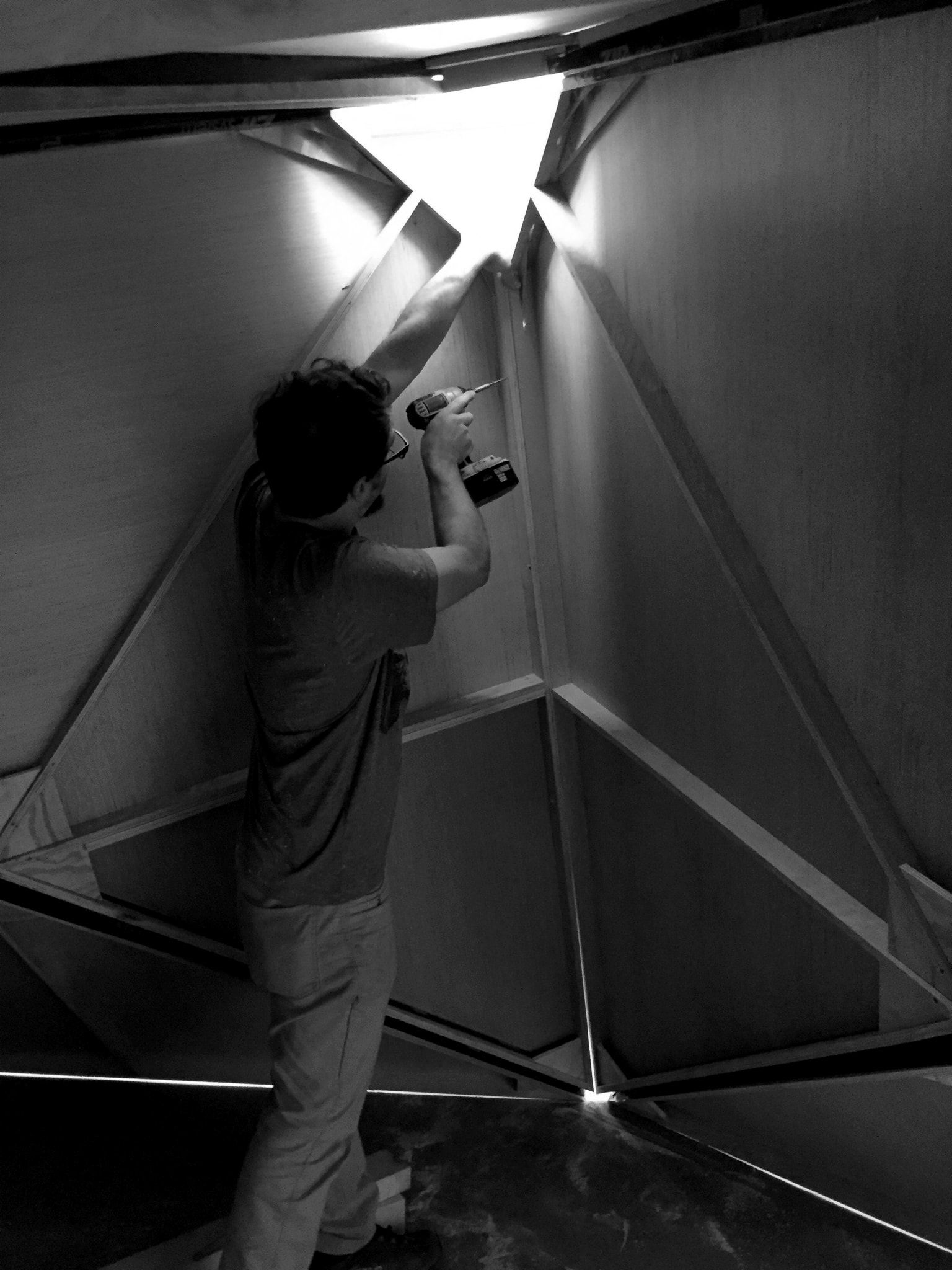
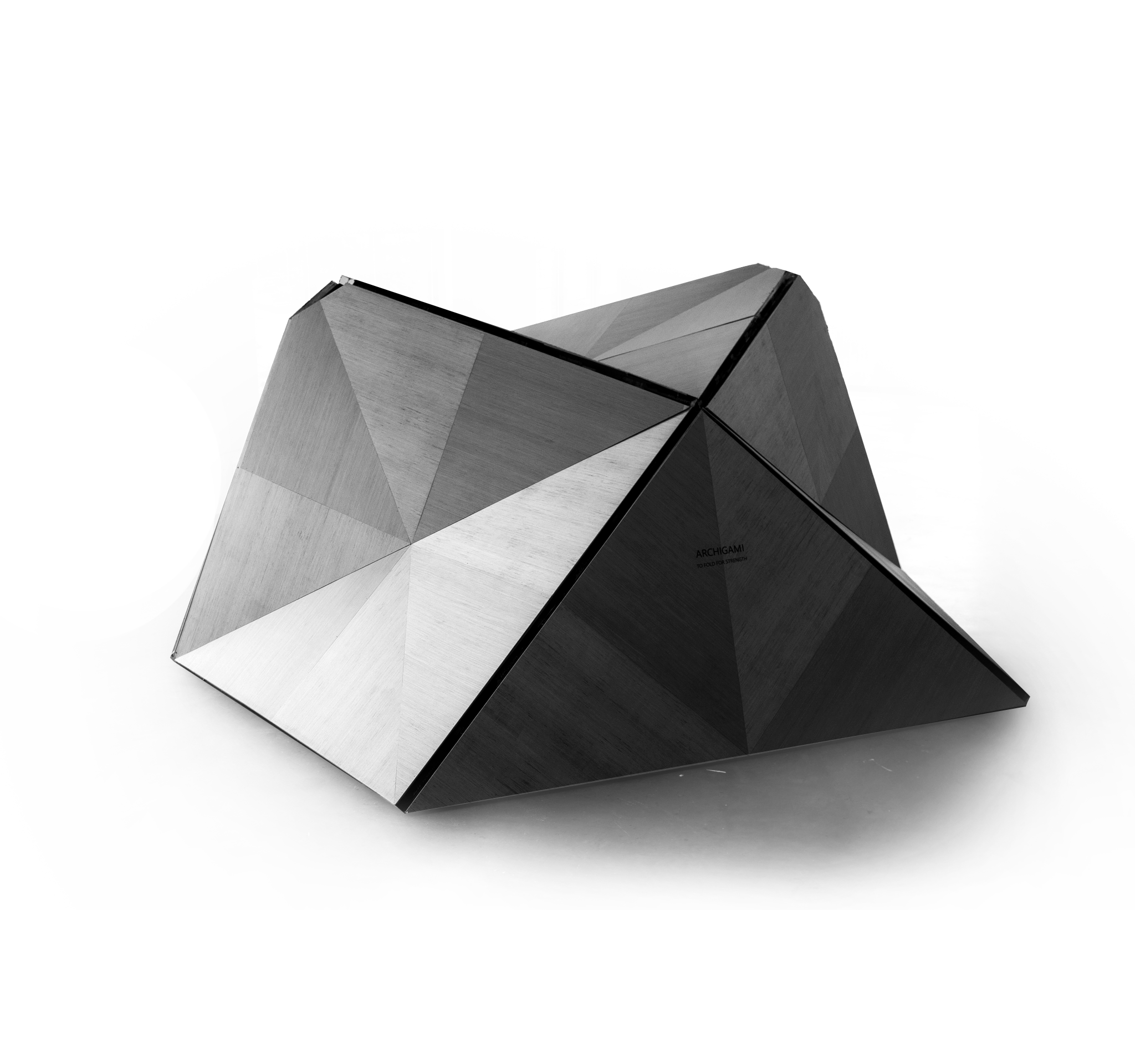
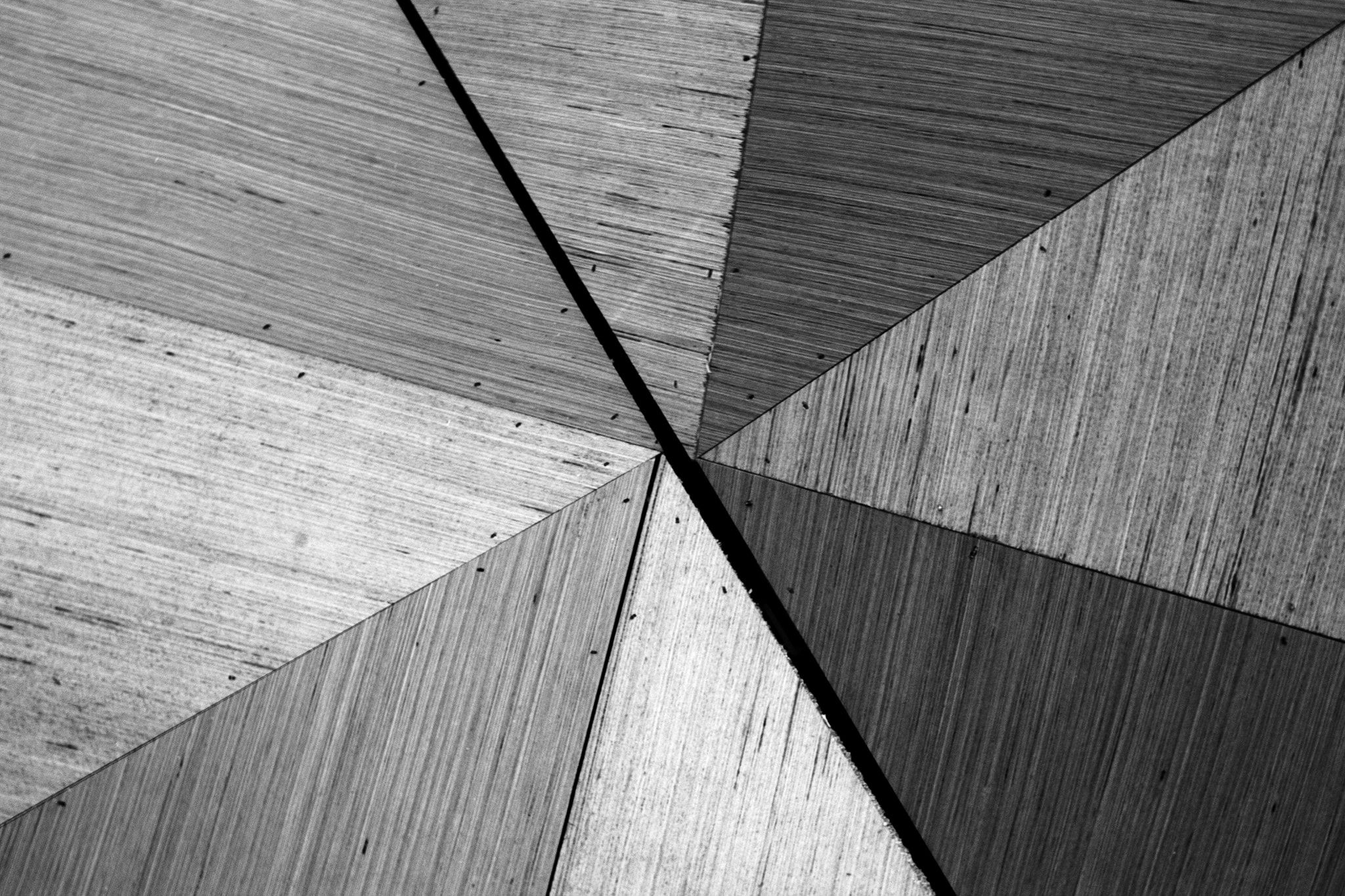
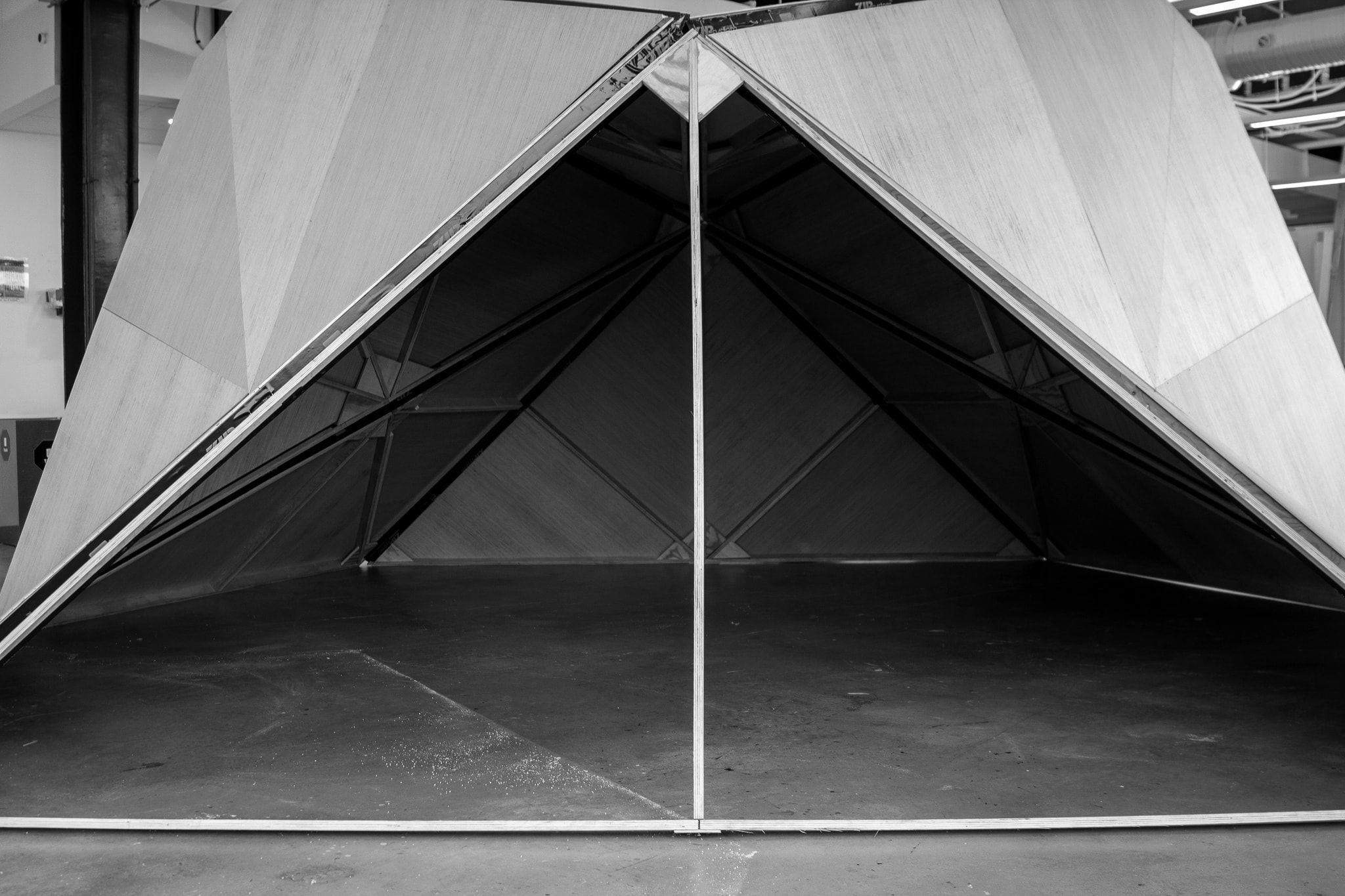
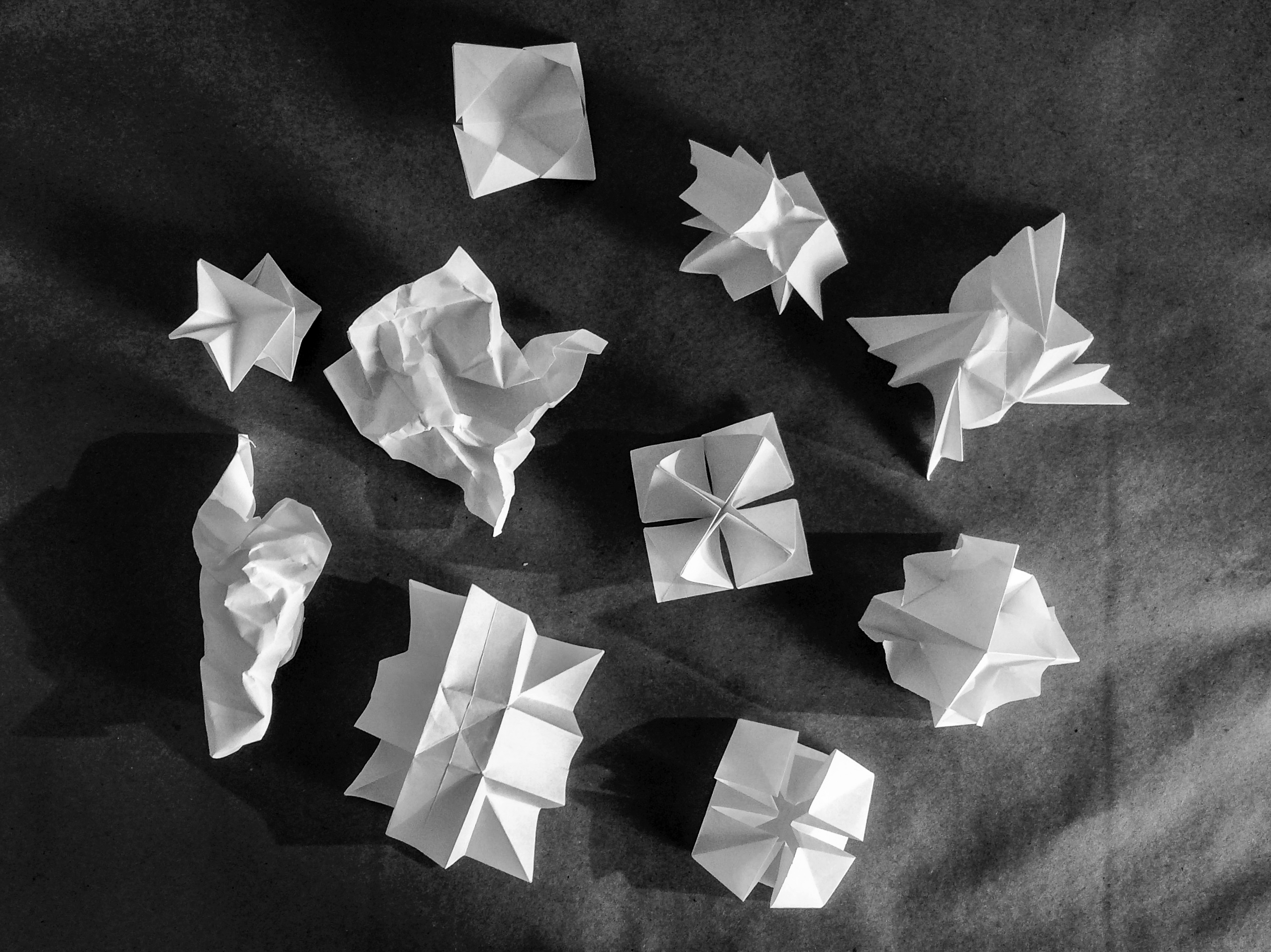
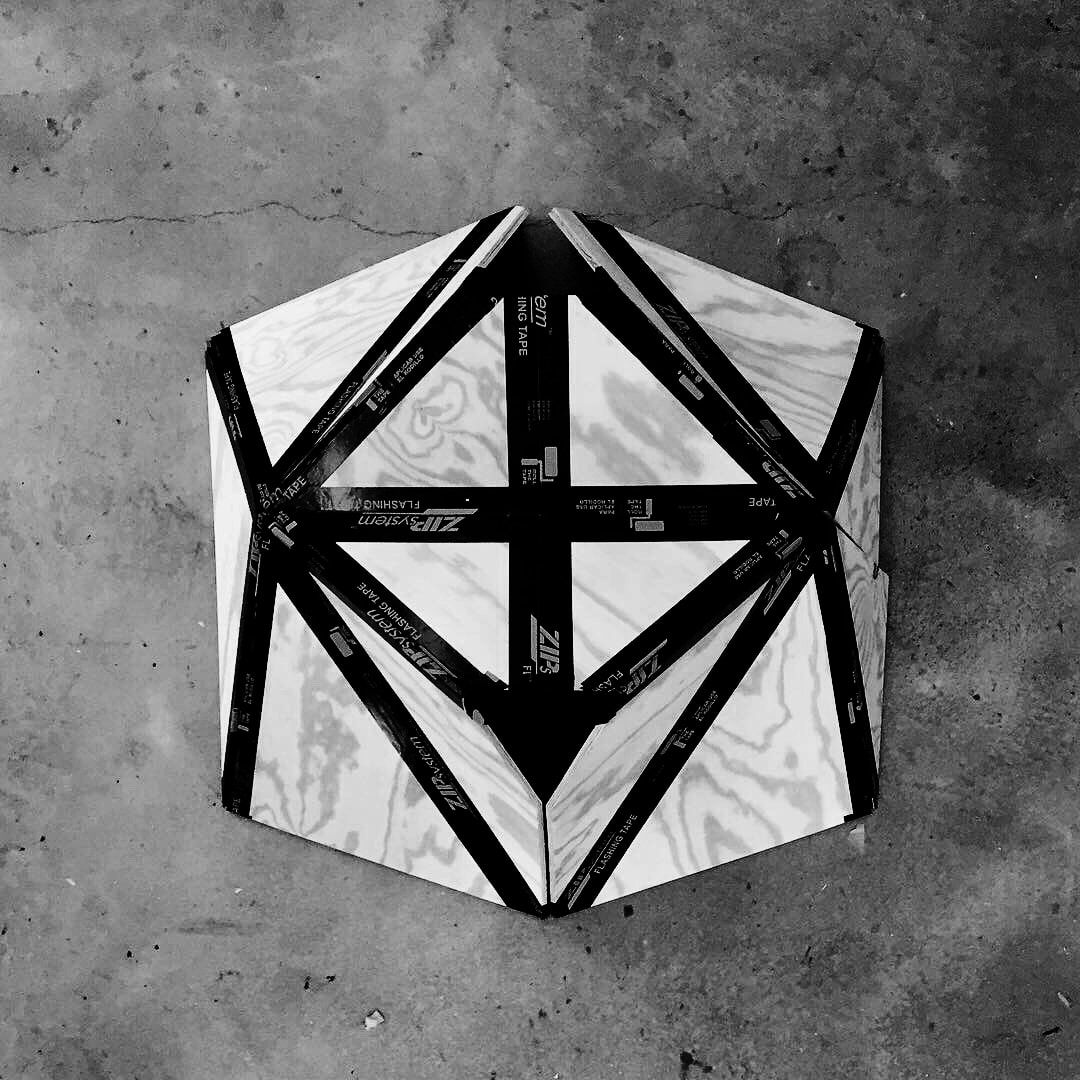
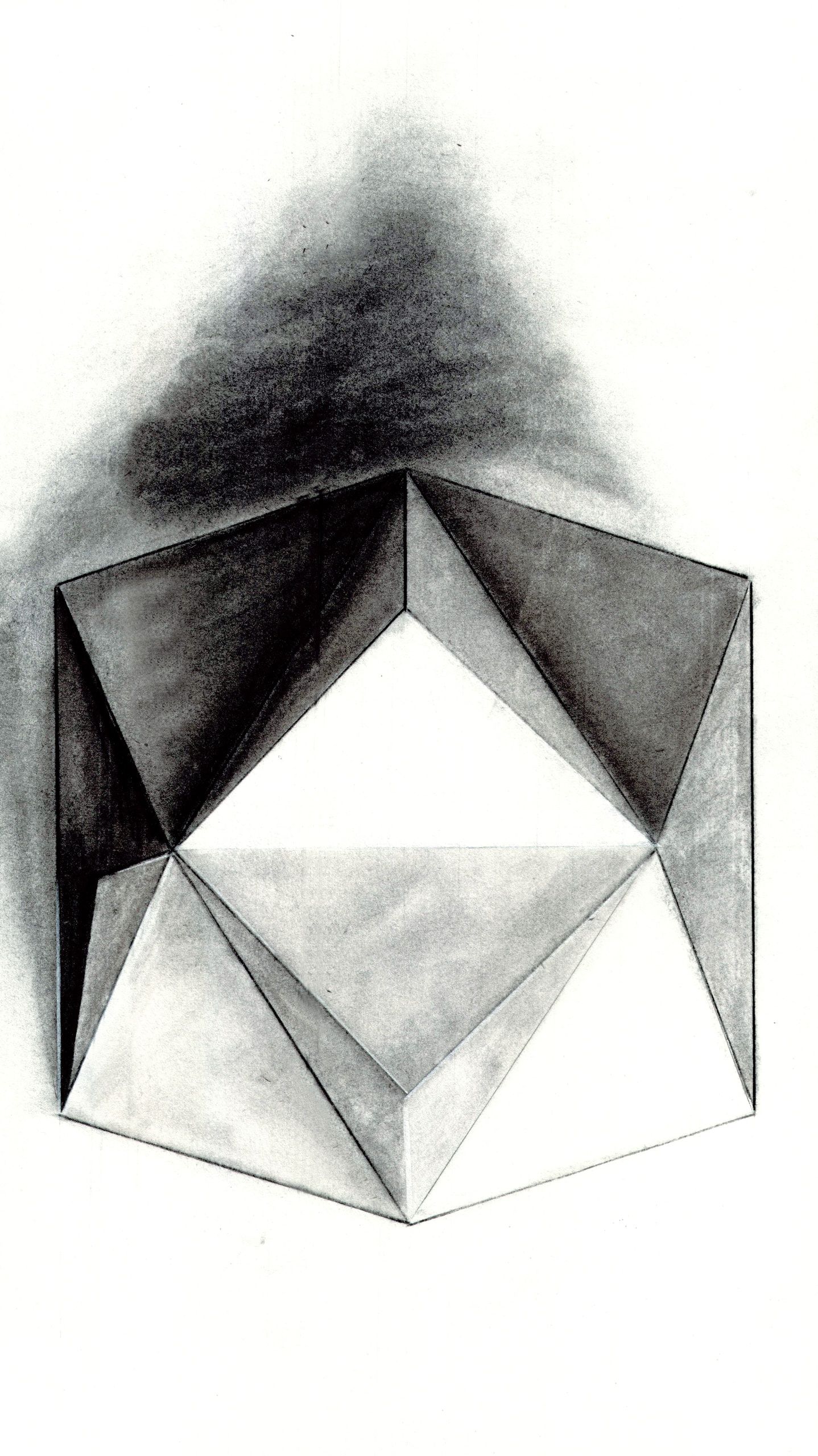
Archigami began as a semester-long architectural thesis at the Maryland Institute College of Art, asking a simple question: can folding alone make a structure strong? Like origami, a flat sheet that is scored and folded gains the stiffness to carry load — no frame, no added material, just geometry.
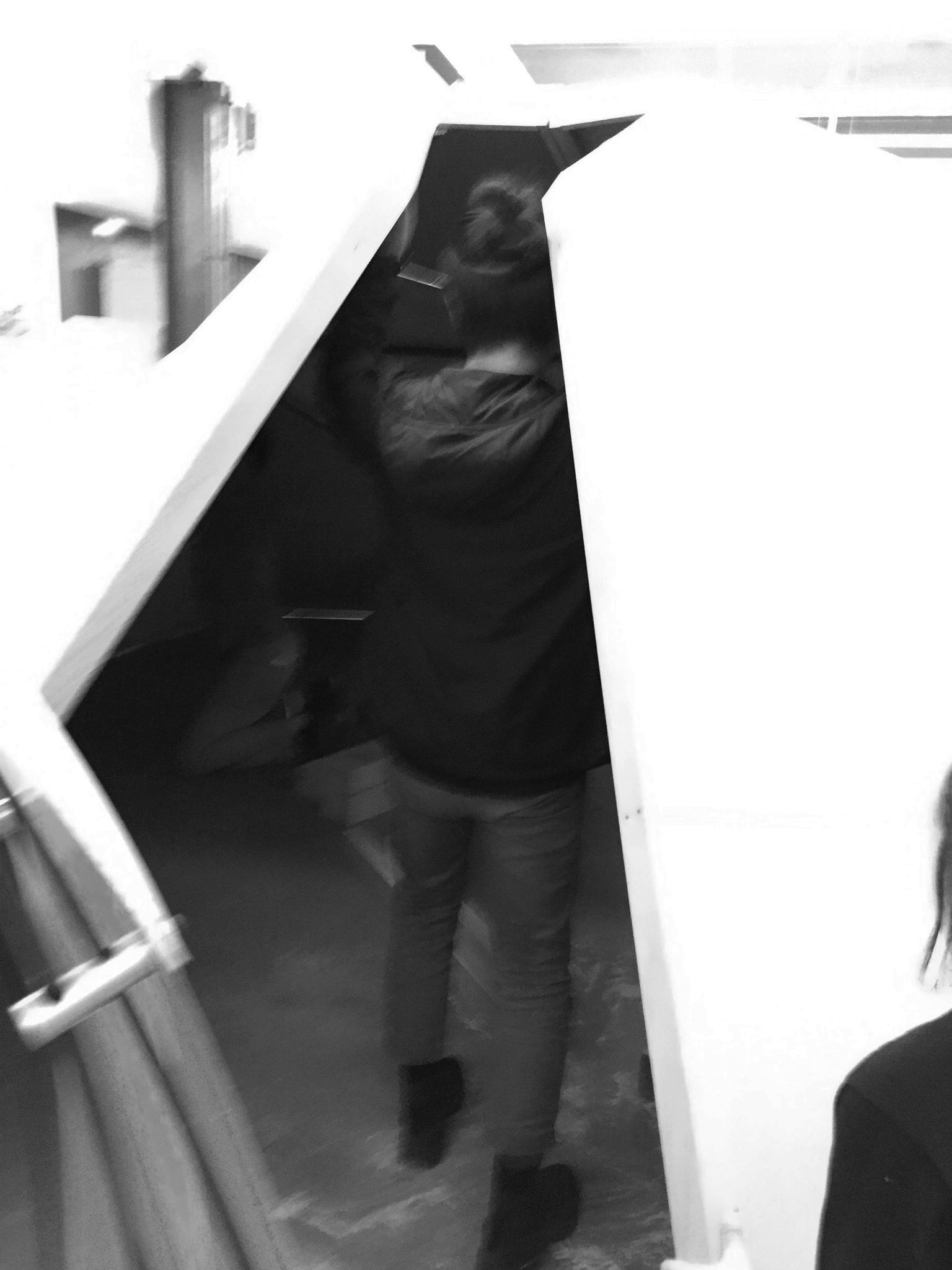
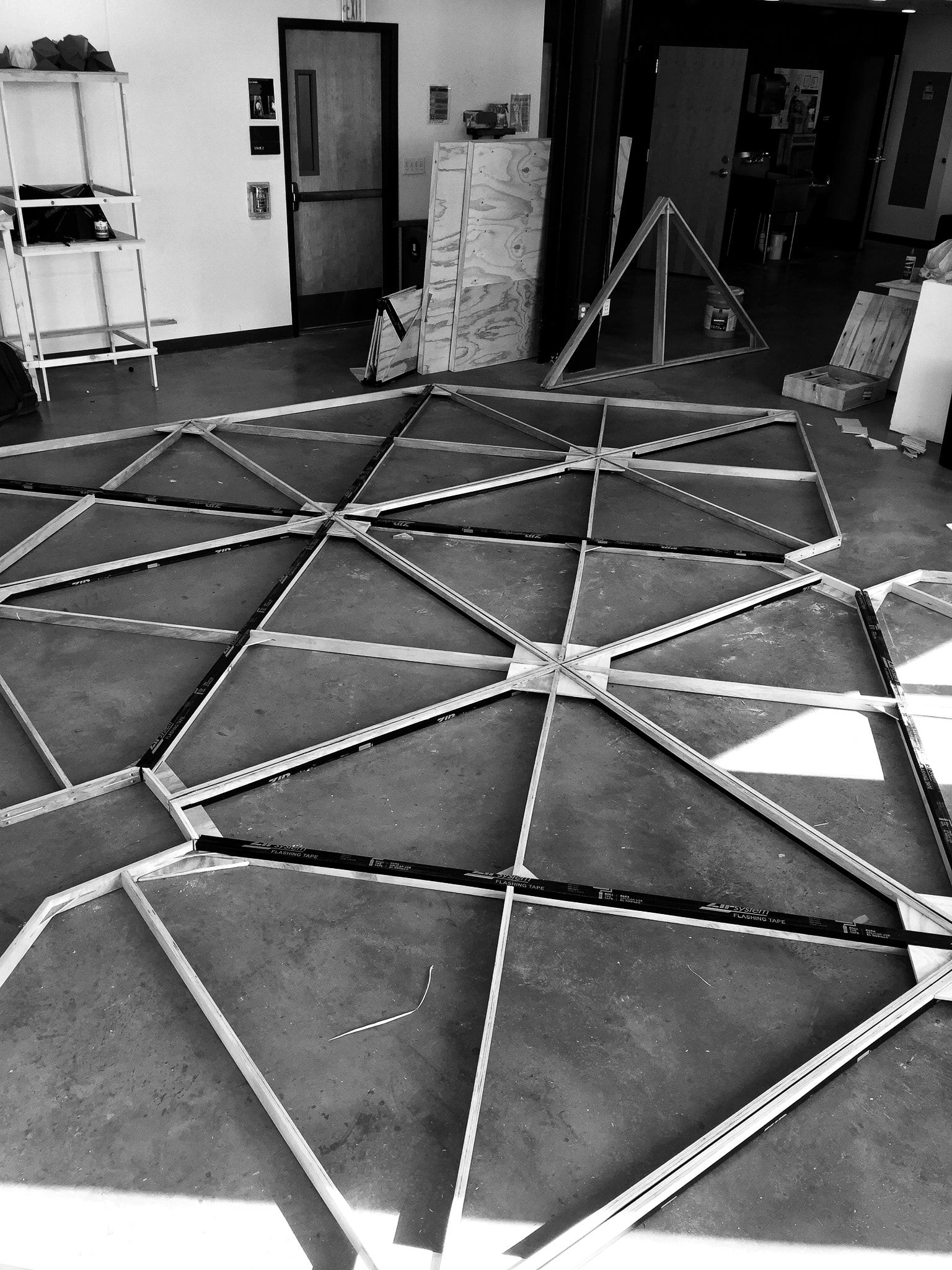
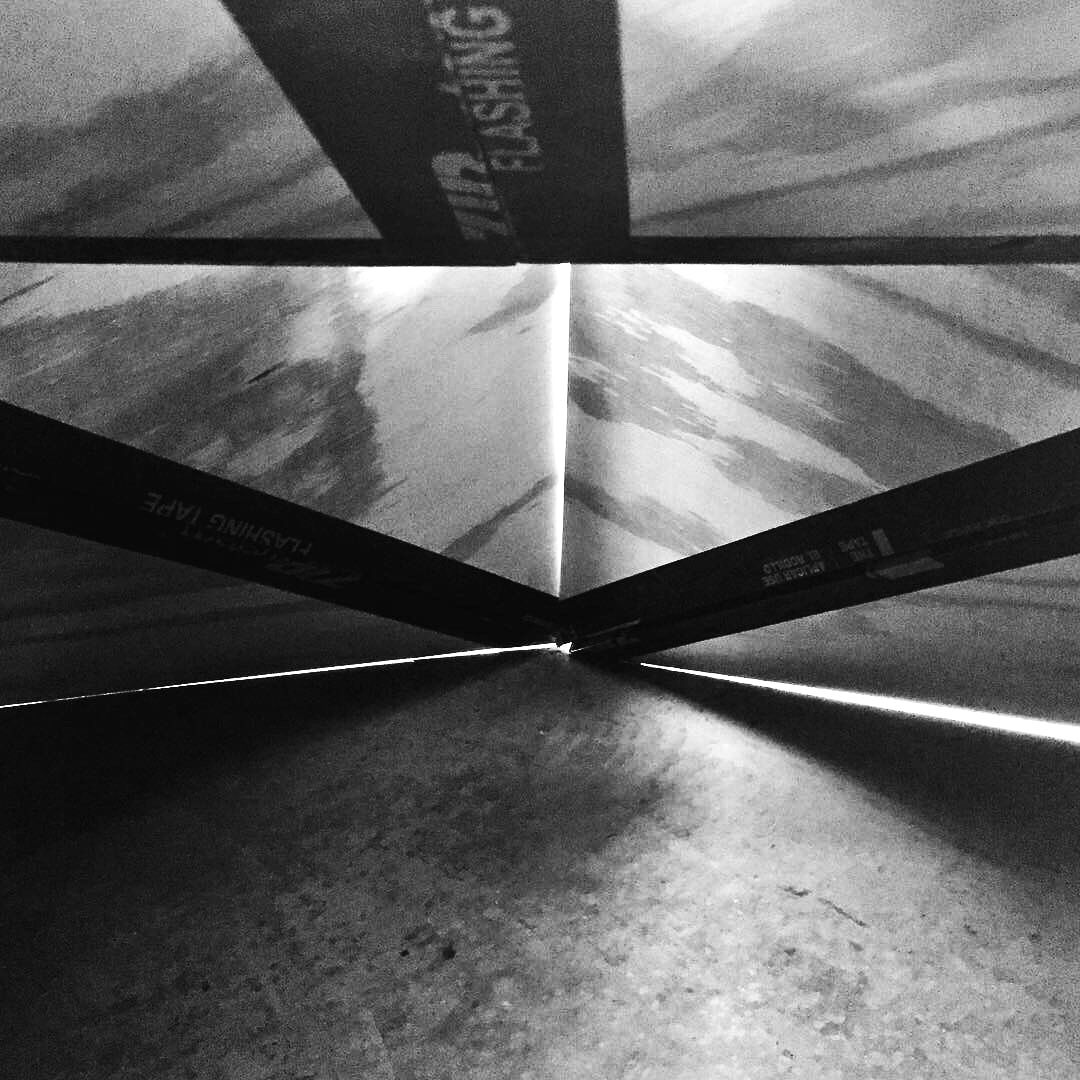
The research-through-design process produced a 160 sq ft pavilion, prefabricated flat with basic woodshop tools and raised by four people in fifteen minutes — unfolding from its flat-pack state into a stable, permanent form in a single motion. It tests folding as a route to structures that ship flat and deploy fast, with the fold itself doing the work that framing usually would.
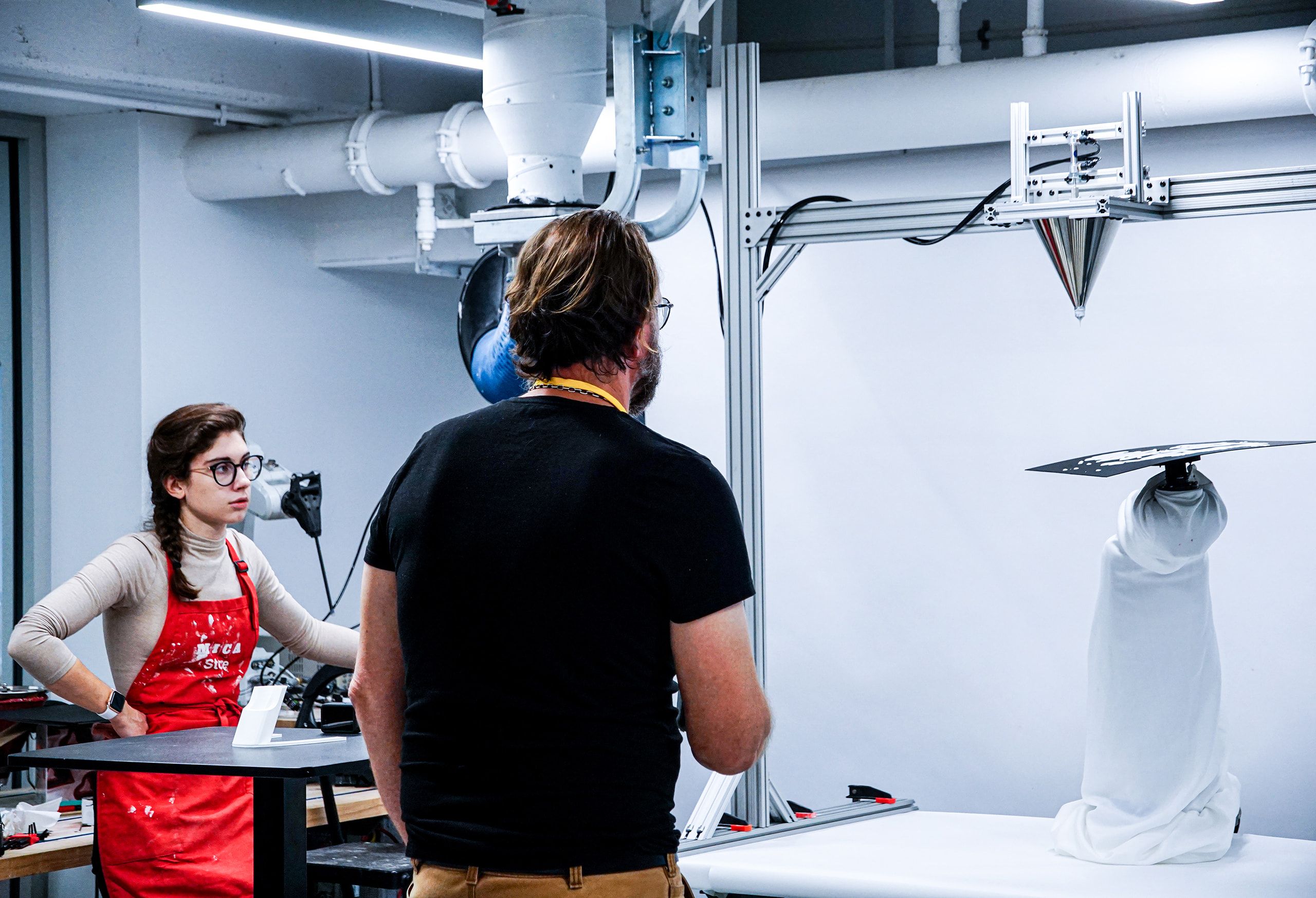
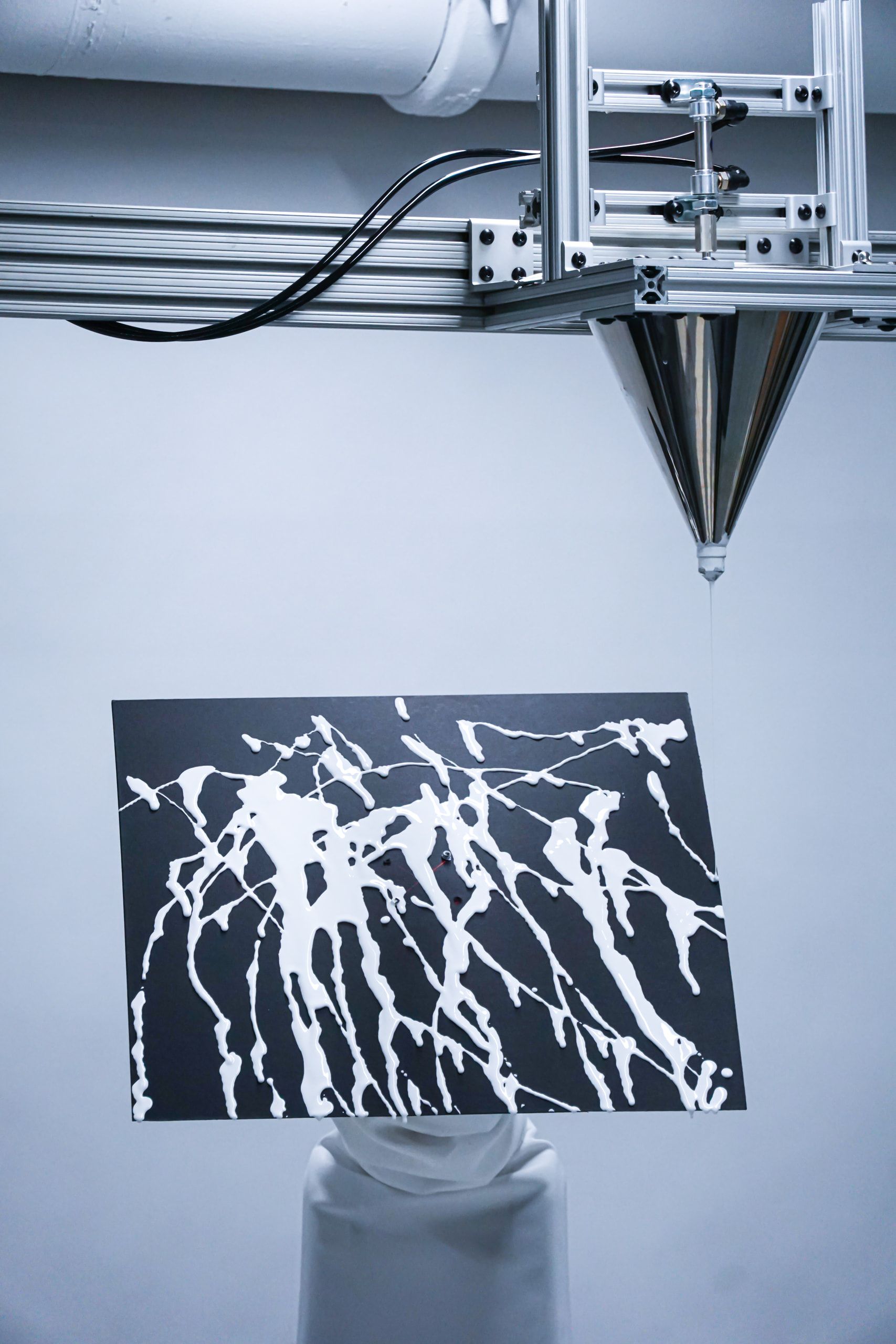
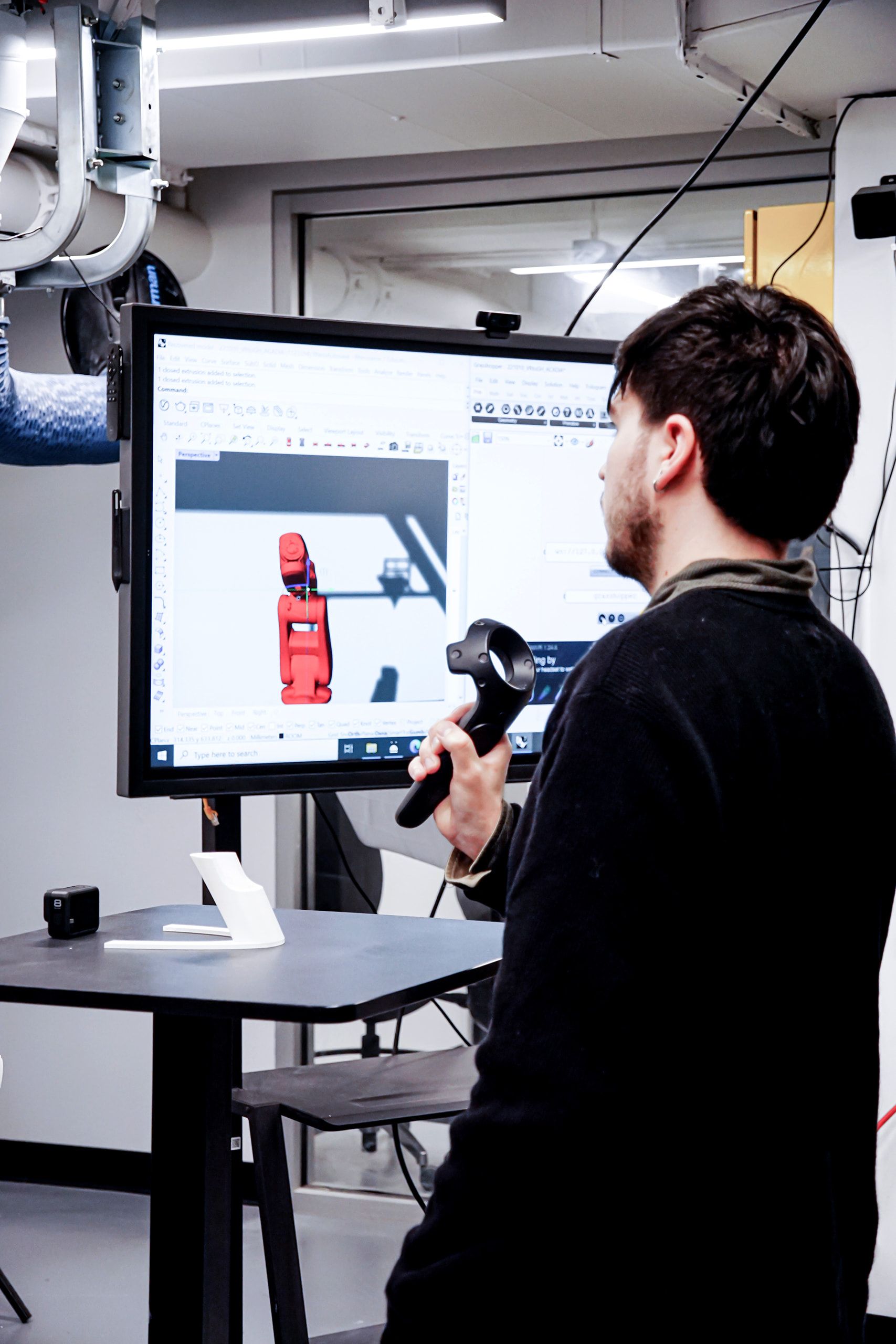
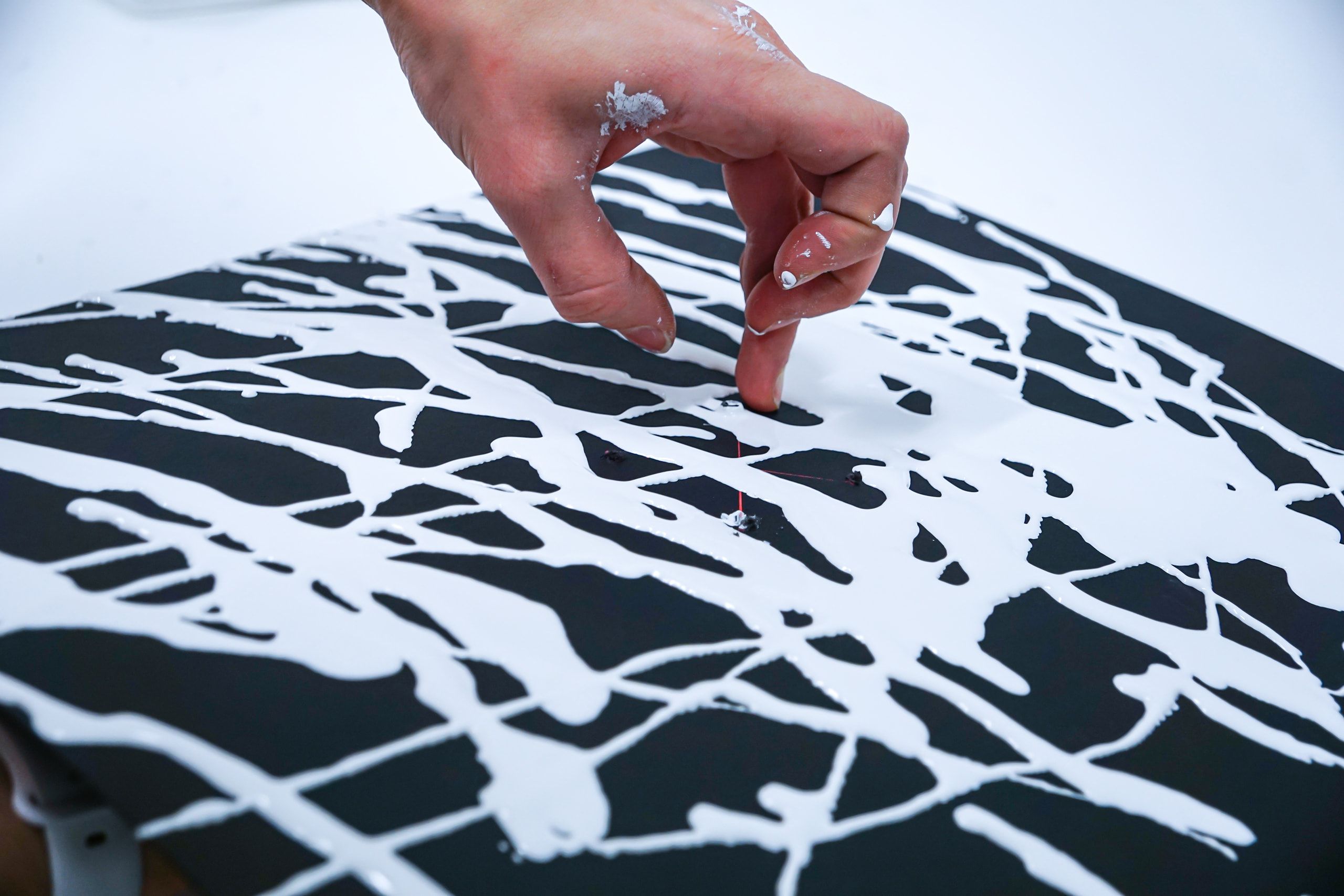
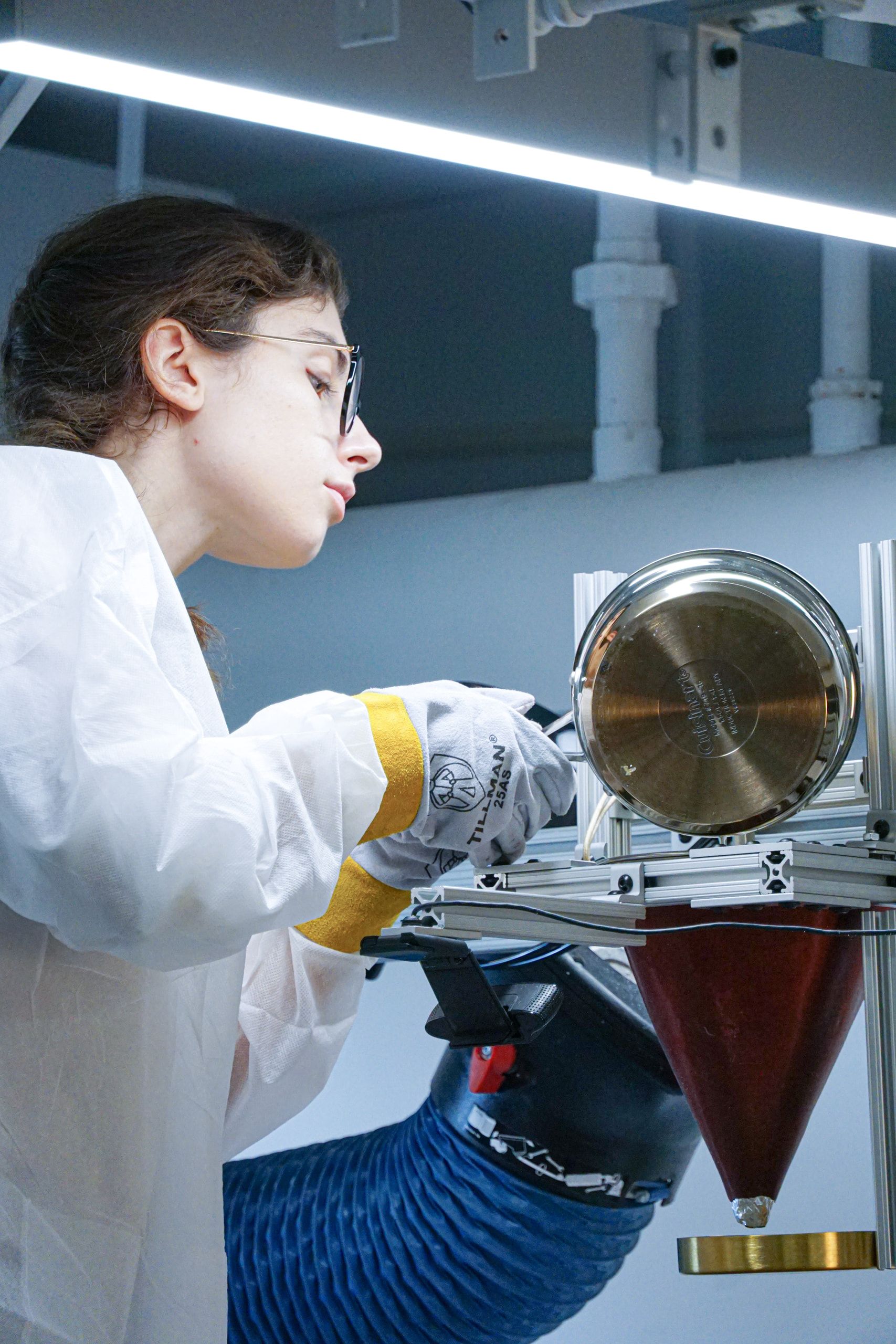
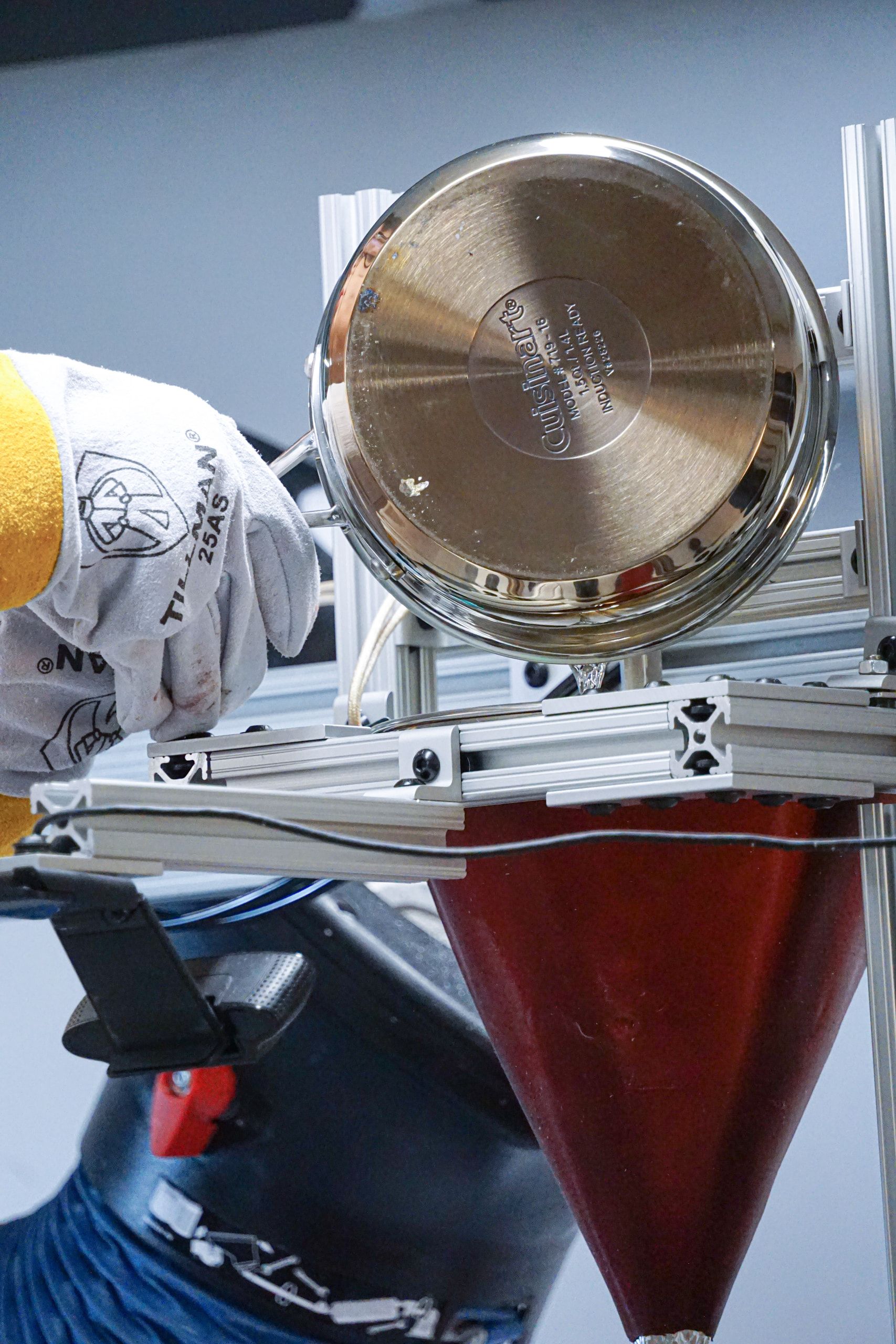
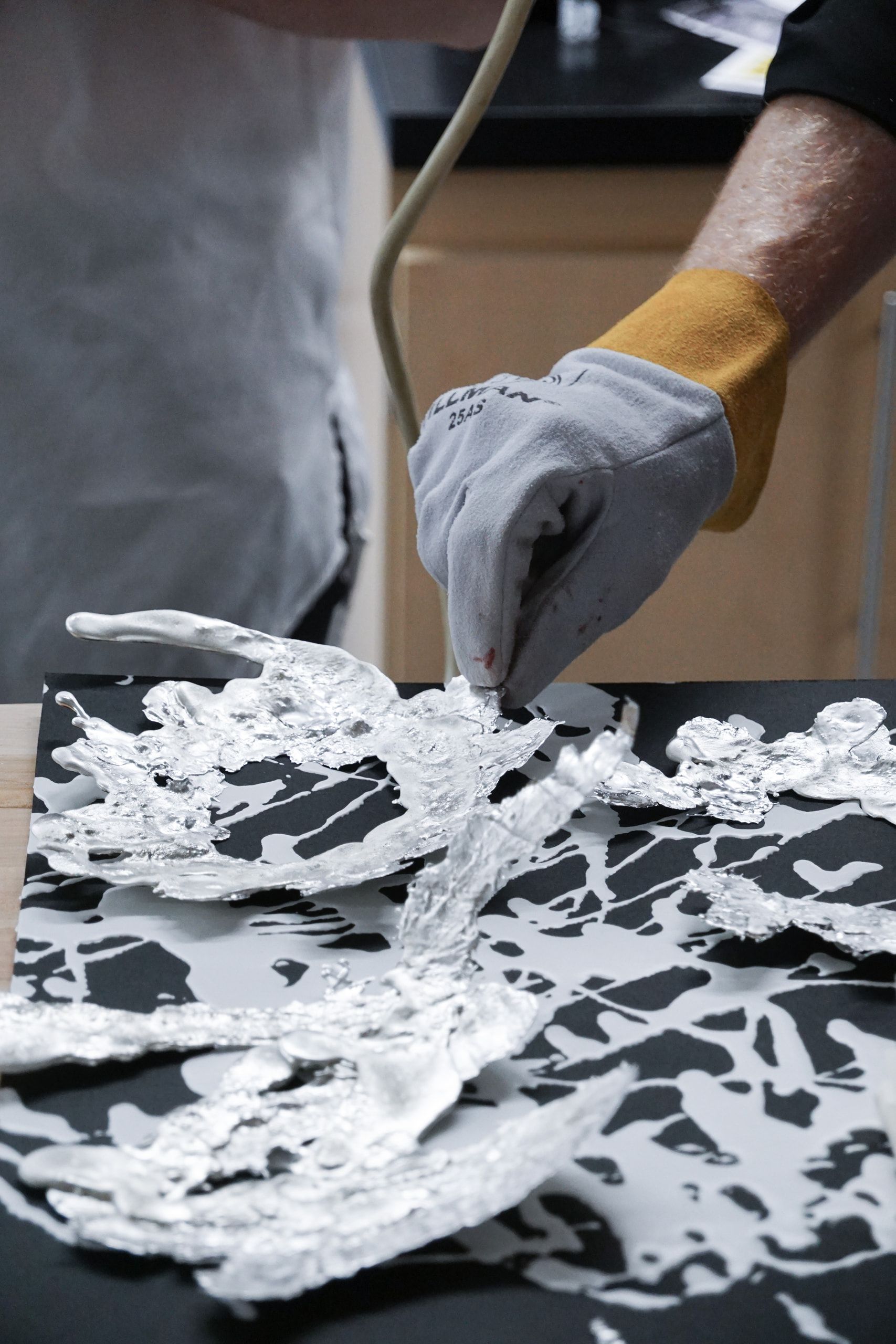
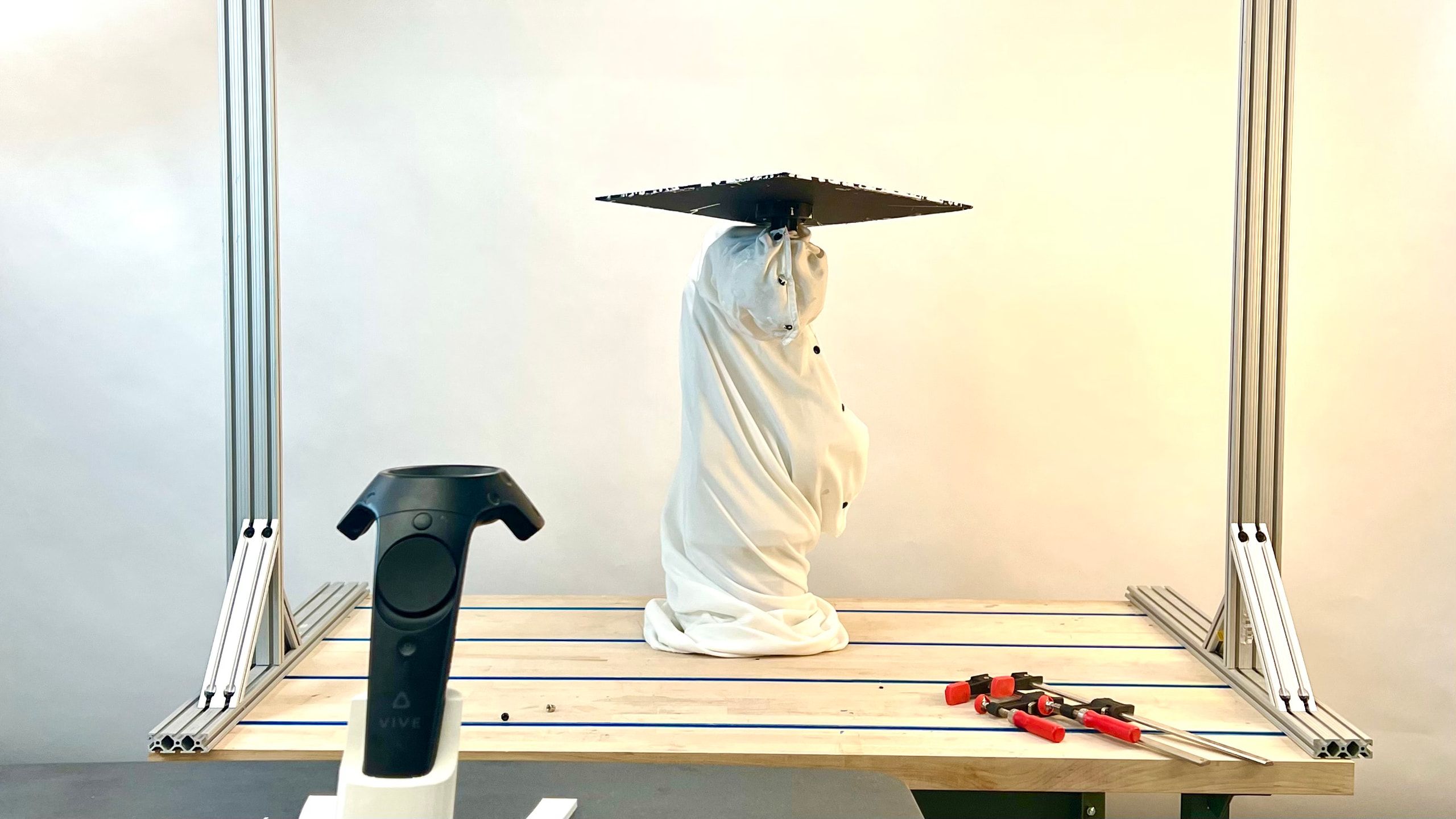
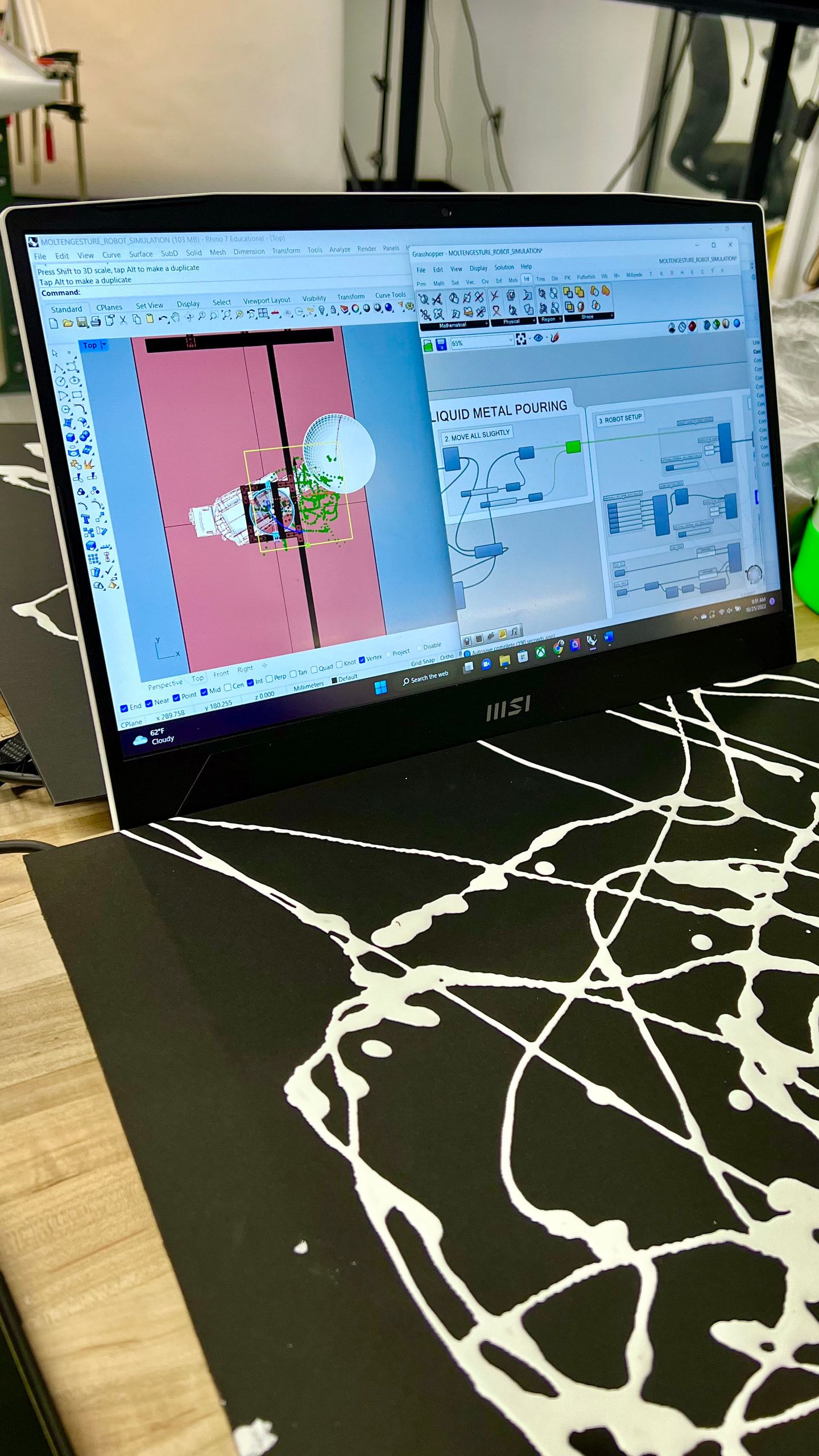
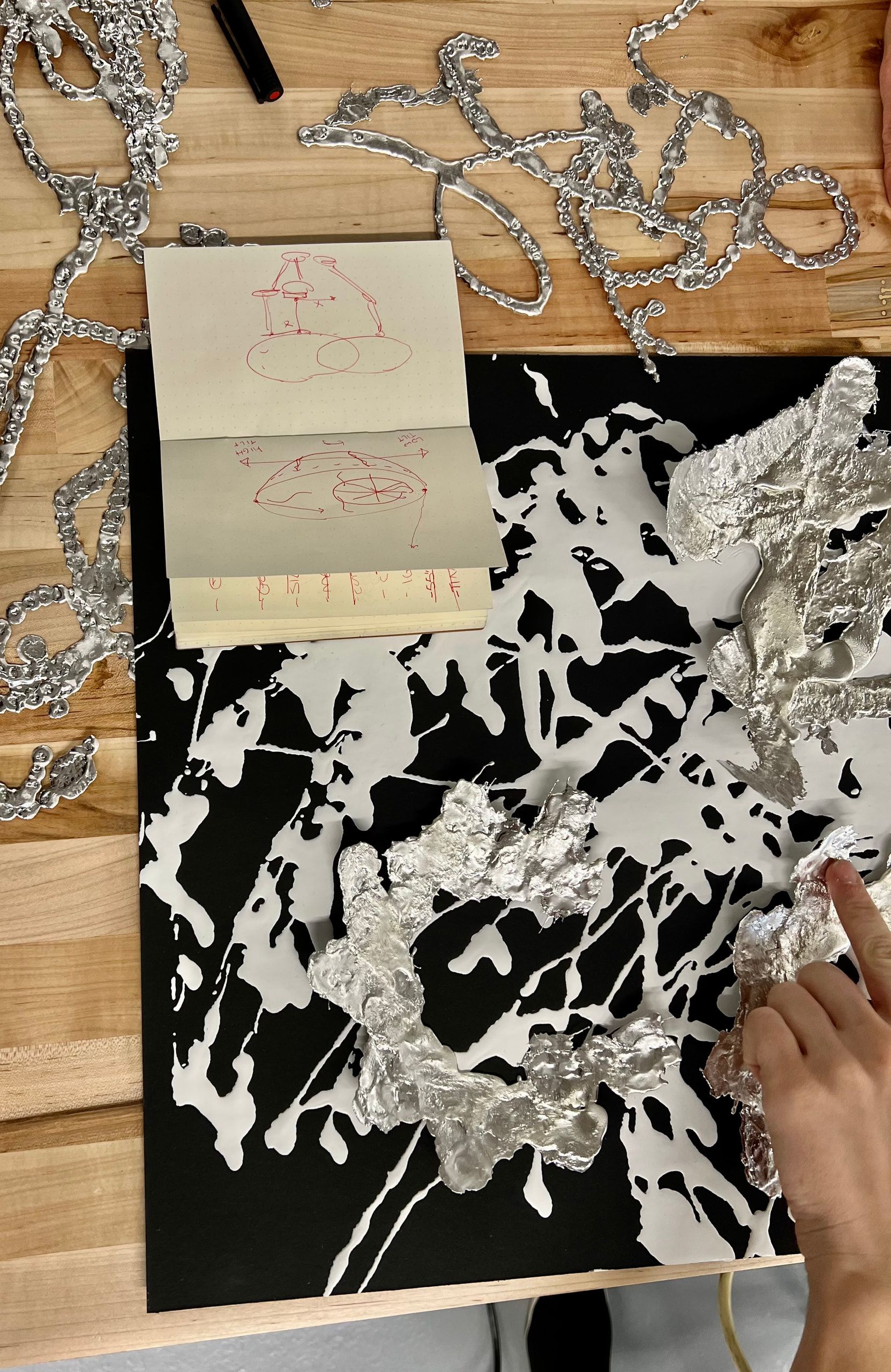
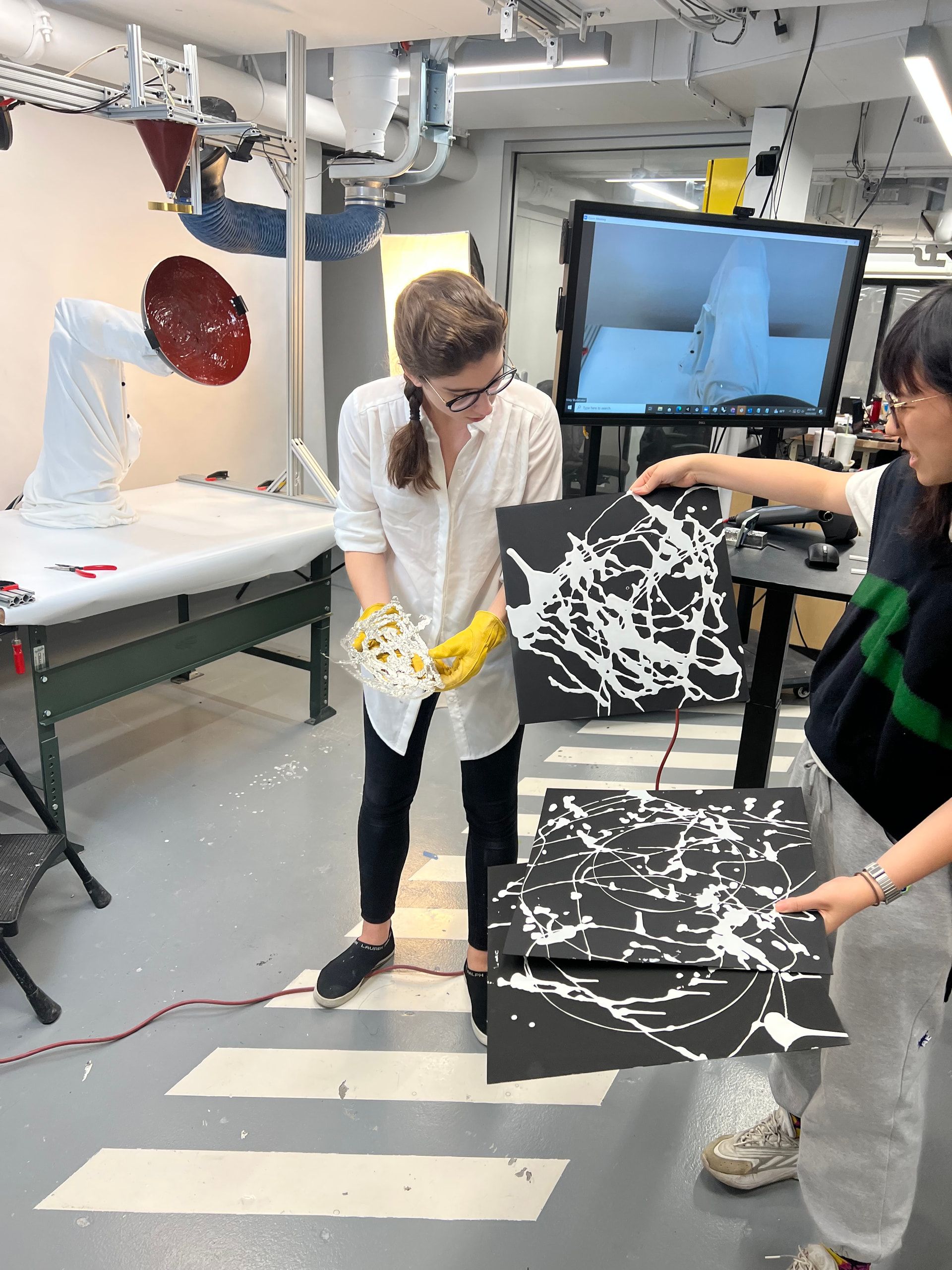
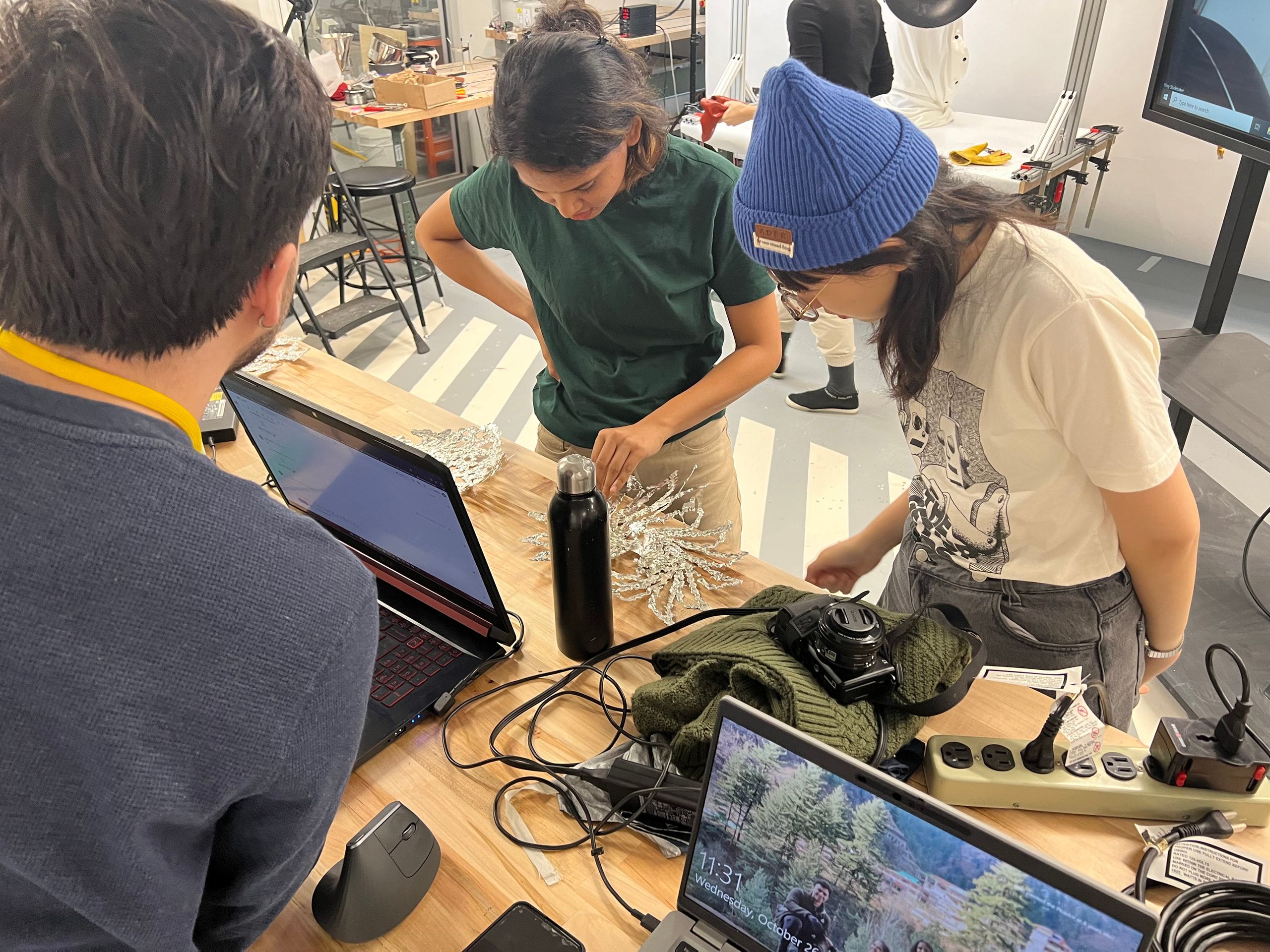
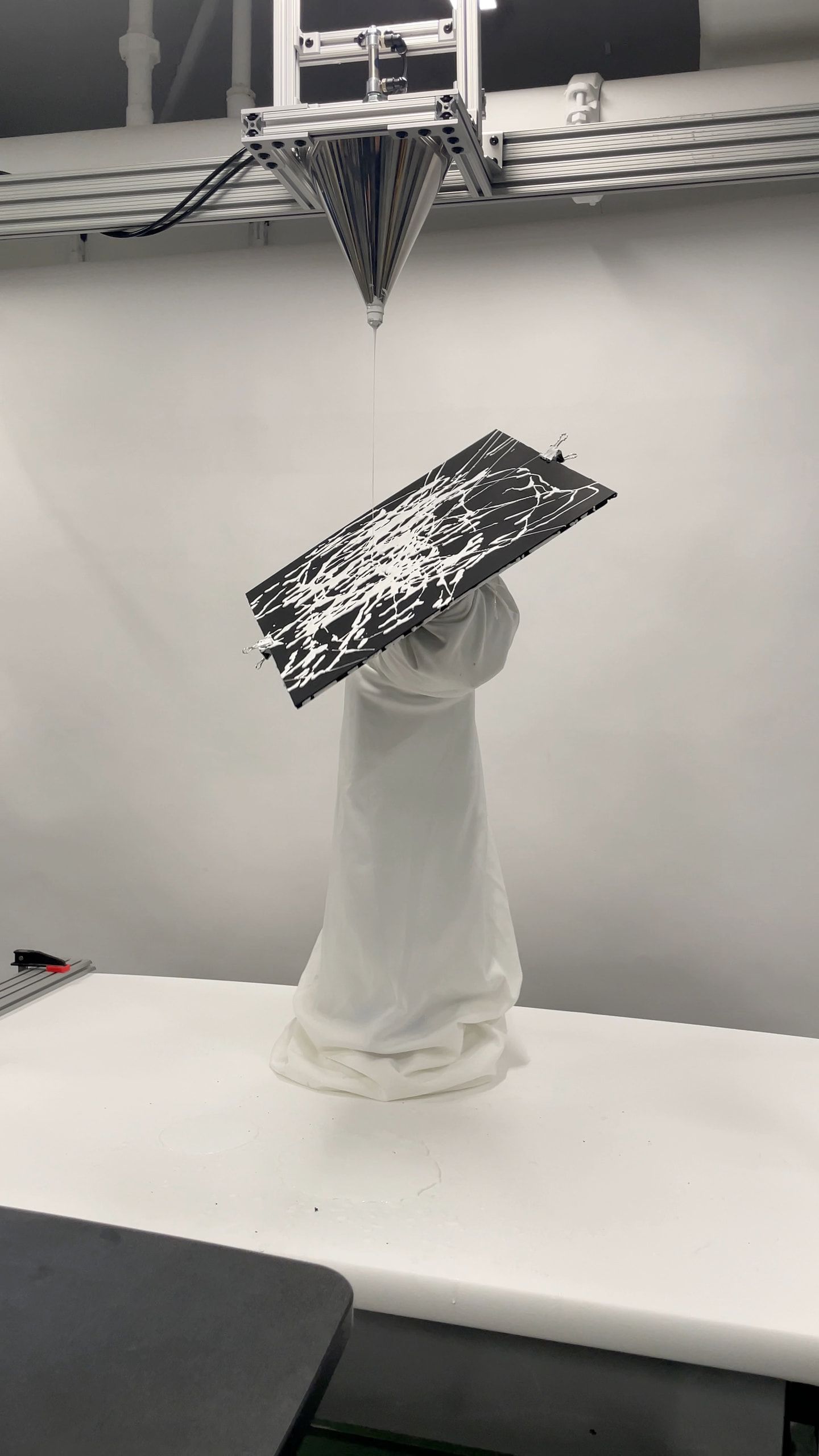
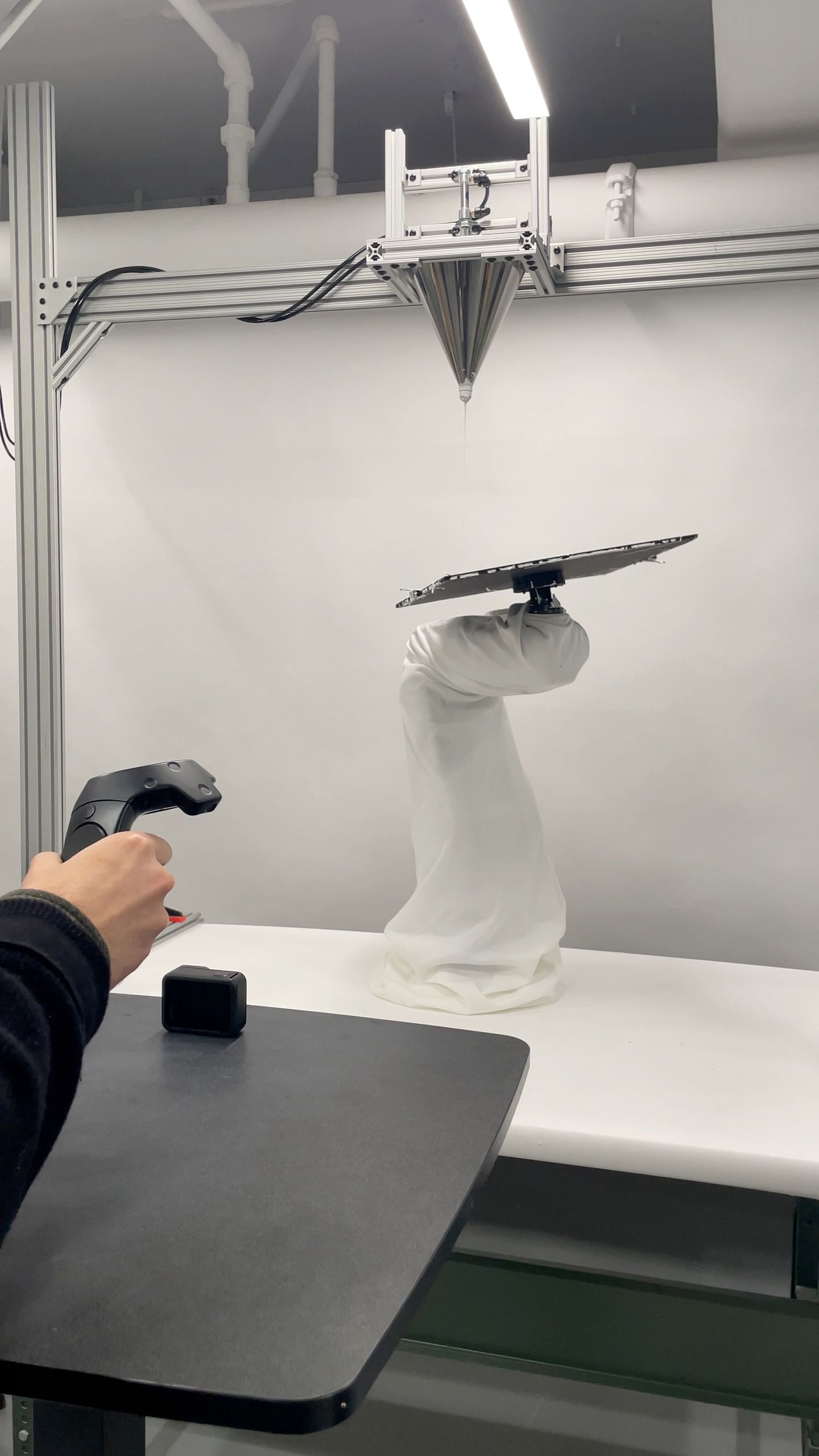
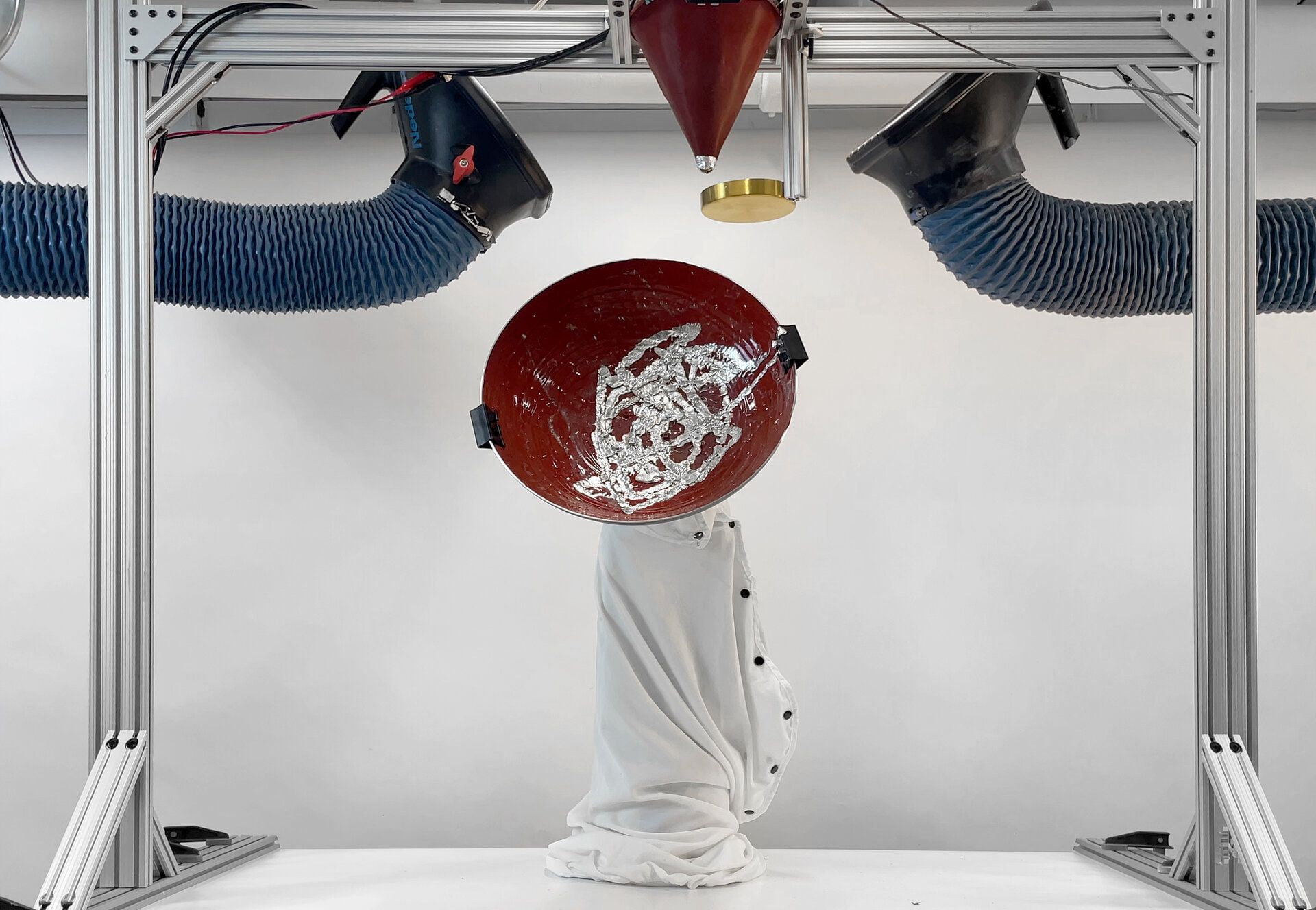
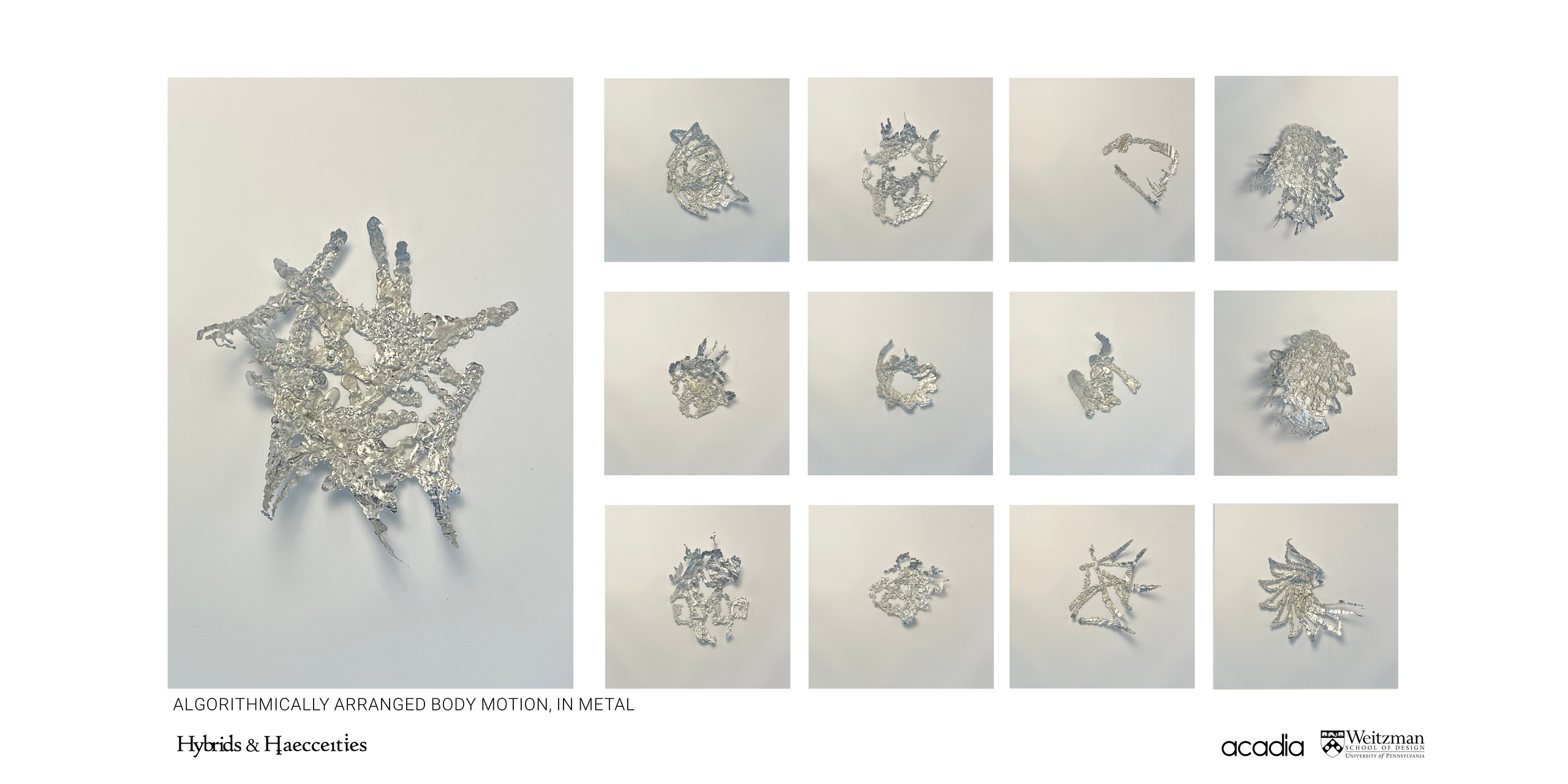
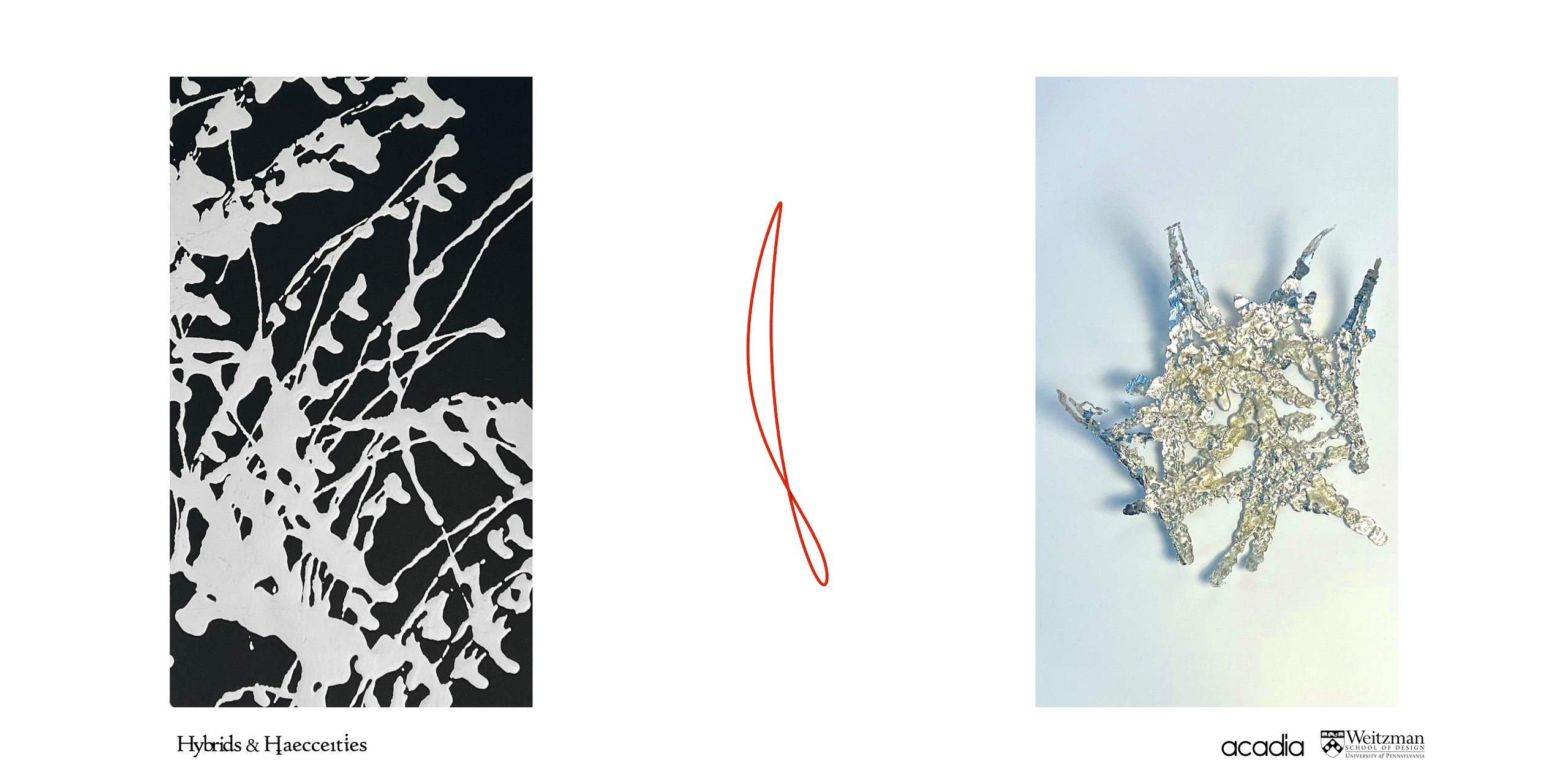
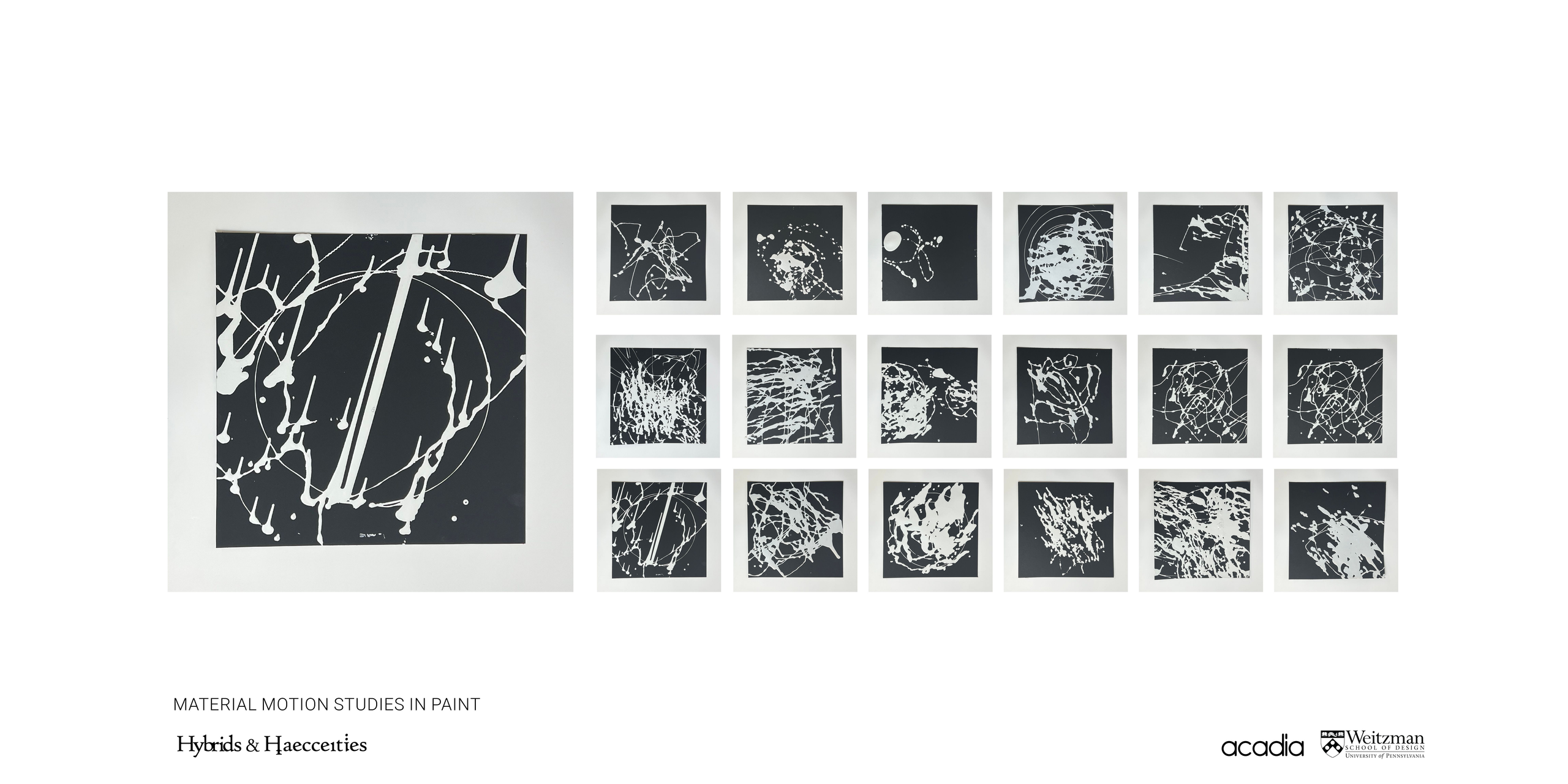
Objects made by the human hand are inherently seductive. This workshop explores an augmentation of bodily agency in fabrication using computation and robotics to bring hazardous processes into this realm of hand-craft. Participants will use body-tracking software, real-time robotic control, and methods of neural network-based gestural redistribution to create a bespoke poured metal lighting element. Participants will make a series of gestural studies in dripped metal using real-time VR control of a robotic arm. A selection of these physical results will be mapped onto a surface of the final pendant light using artificial neural networks for final robotic fabrication, redistributing the arrangement of dripped metal, porosity, and intrinsic and familiar qualities of the maker’s hand, for a responsive and bespoke lighting effect and an object that challenges the conception of hand-craft.
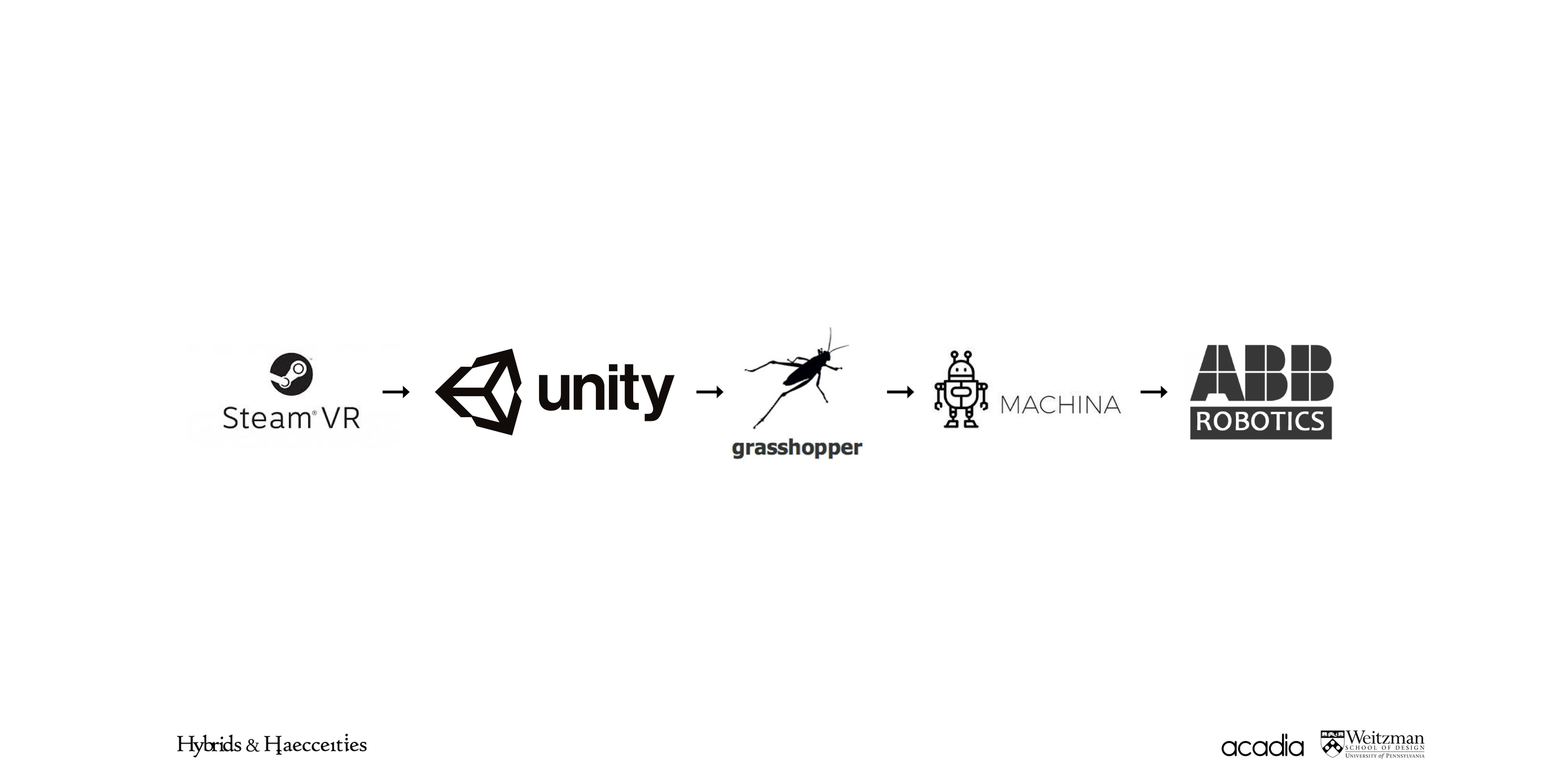
A Molten Gesture was a three-day workshop that examines methods of interfacing body tracking with robotic control, and discusses the merits and possibilities of augmenting organic motion. This workshop will use an ABB IRB120 controlled in realtime by participant’s hands in order to record the movement, orientation, and speed of their hand. Each participant will learn the fundamentals of information capture through VR controller, as well as in-depth manipulation of recorded body motion using Grasshopper. Each participant will control a 6-axis robot in real time, positioning it below streams of paints and liquid metal, in order to crystalize the body movement captured, creating artifacts to keep at the end of the workshop.